Hatch Green Chile Enchiladas: A Seasonal Culinary Tradition and Its Cultural Significance

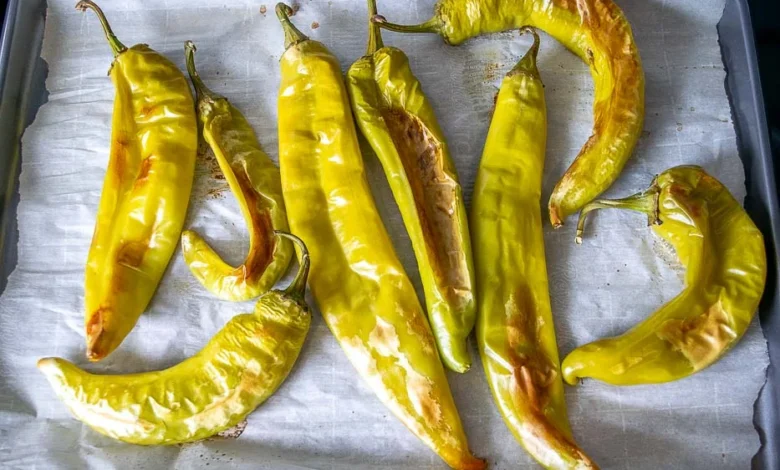
The arrival of late summer marks the highly anticipated emergence of the Hatch chile, a distinctive variety of Capsicum annuum grown exclusively in the Mesilla Valley of New Mexico. This period, typically spanning from early August through the end of September, triggers a surge in demand across the United States for this specific cultivar, which has achieved a unique status in the culinary world due to the specific climate and soil composition of its namesake region. As retailers and home cooks prepare to incorporate these chiles into traditional dishes, the preparation of Hatch Green Chile Enchiladas has emerged as a focal point of seasonal food culture.

The Origin and Characteristics of the Hatch Chile
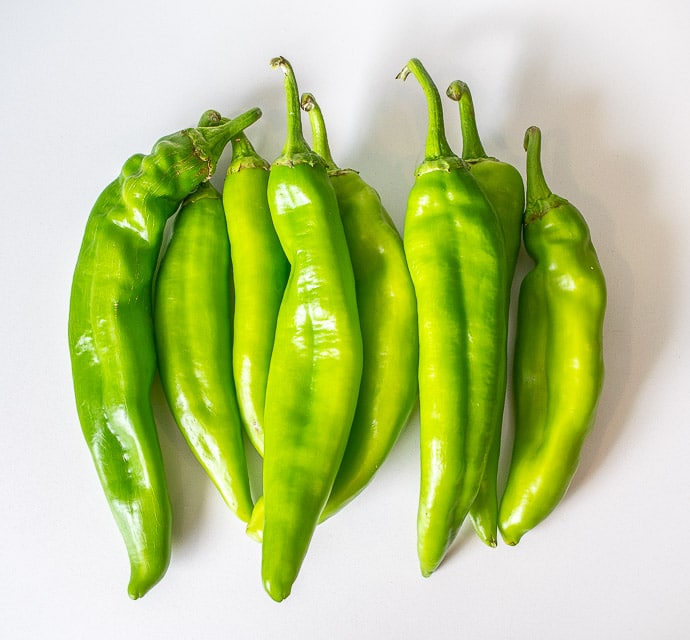
Hatch chiles are named after the village of Hatch, New Mexico, where the agricultural industry has centered around the cultivation of these peppers for over a century. The region’s high elevation, intense sunlight, and cool nighttime temperatures—facilitated by the proximity of the Rio Grande—create an environment that imparts a unique flavor profile to the crop. Unlike standard green chiles, the Hatch variety is prized for its balance of sweetness, earthiness, and varying degrees of heat.
Agricultural experts note that the "Hatch" label is not a botanical classification but rather a geographic indicator. The chiles grown in this specific valley are subject to a controlled, high-quality production standard. The annual harvest cycle is brief, typically lasting only six weeks, which contributes to the commodity’s premium status. During this window, wholesale and retail outlets report significant spikes in traffic as consumers seek out fresh, roasted, or frozen quantities to last throughout the year.
Culinary Preparation and the Mechanics of the Sauce
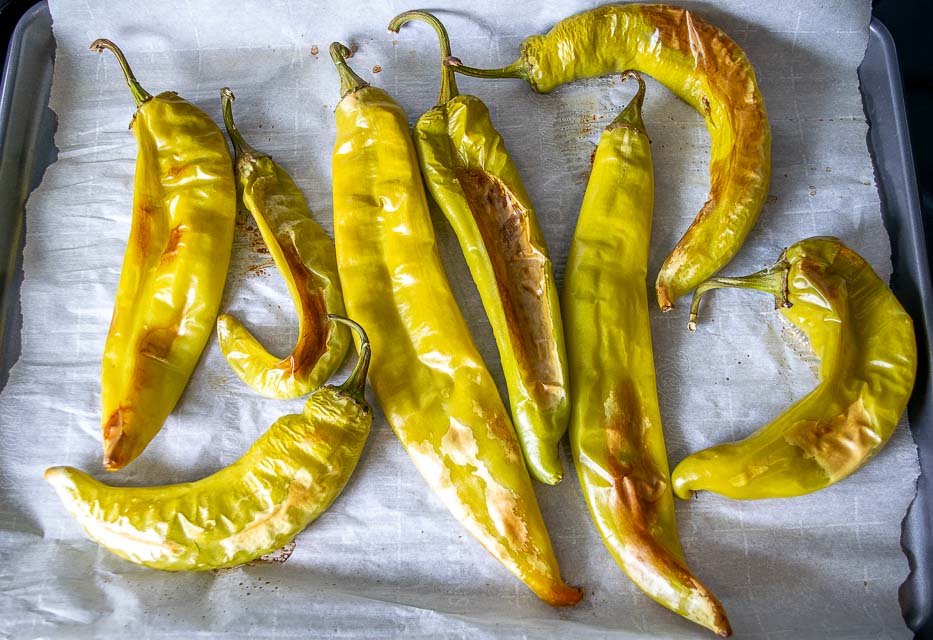
The primary draw of the Hatch chile is its versatility in sauces, particularly for enchiladas. The preparation of a traditional Hatch enchilada sauce involves a multi-step process that highlights the ingredient’s flavor. Central to this process is the roasting phase. Culinary professionals and food scientists emphasize that roasting is essential to break down the chile’s thick outer skin and to initiate the Maillard reaction, which deepens the pepper’s savory notes.
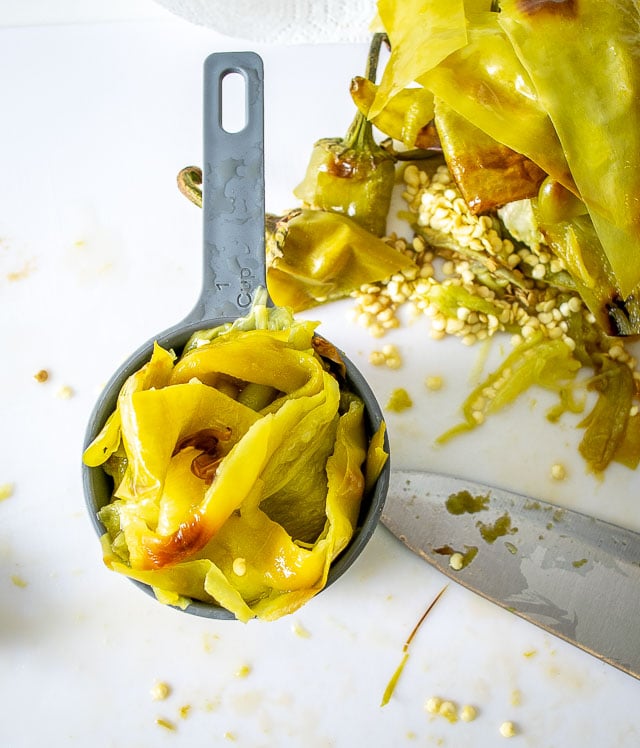
When preparing a standard batch of sauce, approximately seven to eight chiles are typically required to yield a robust flavor base. The roasting process, whether conducted in an oven at high heat, on a grill, or over an open flame, generally takes 20 to 30 minutes. Once charred, the chiles are peeled, de-stemmed, and de-seeded. While some home cooks prioritize the total removal of seeds to moderate heat, culinary analysts suggest that the seeds and membranes are where the majority of capsaicin is stored, making them the primary regulators of the dish’s spice level.
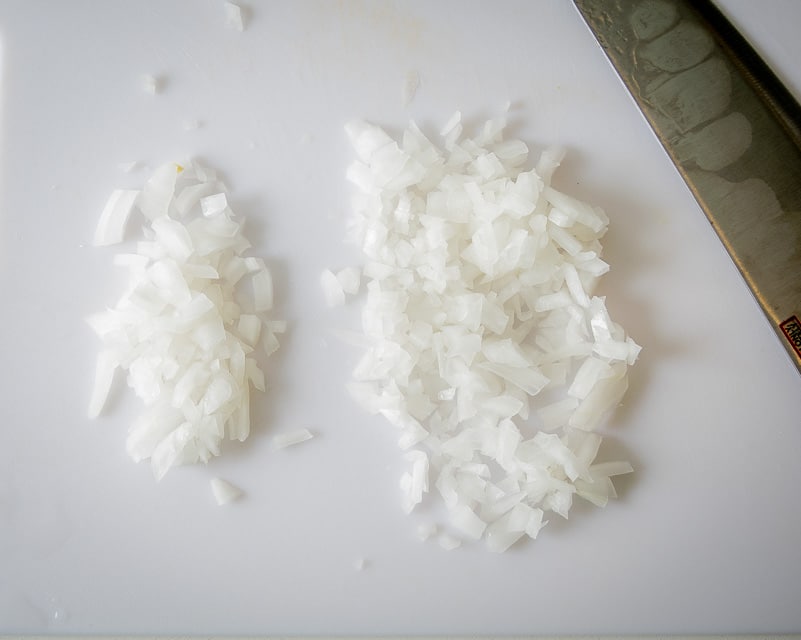
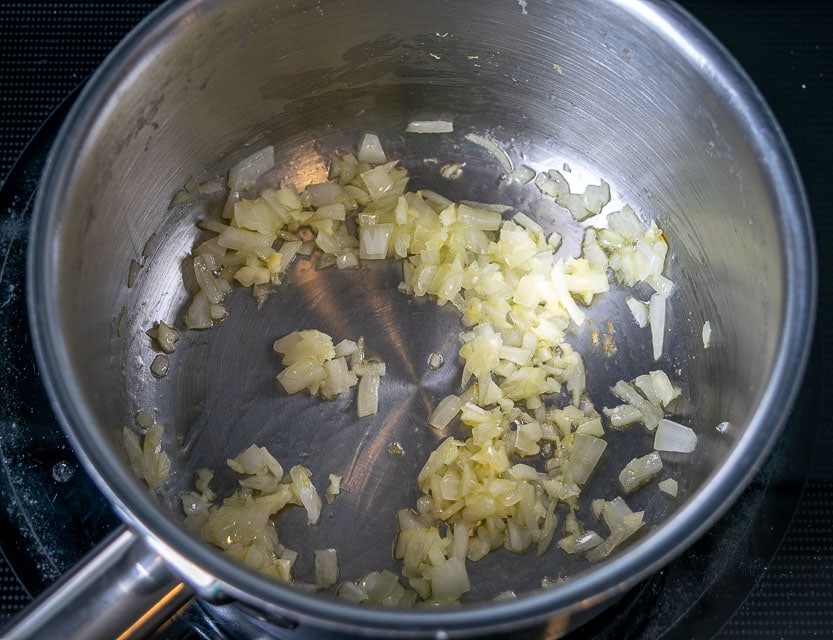
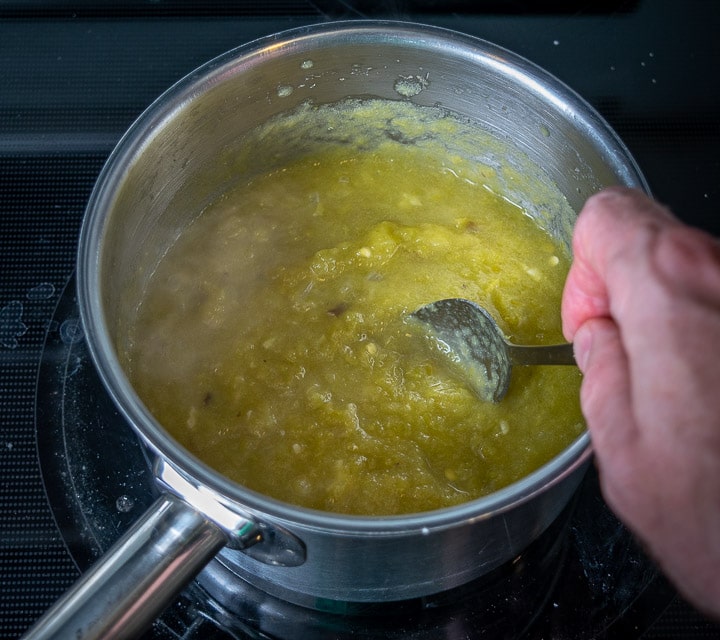
The sauce composition further relies on aromatic foundations—typically onions and garlic, sautéed in a neutral oil until translucent. These are combined with the roasted chiles in a high-speed blender with a small amount of liquid, such as chicken or vegetable stock. The resulting mixture is then simmered with seasonings, most notably Mexican oregano, a species distinct from common Mediterranean oregano, known for its citrusy and floral undertones.
The Evolution of the Enchilada: A Cultural Staple
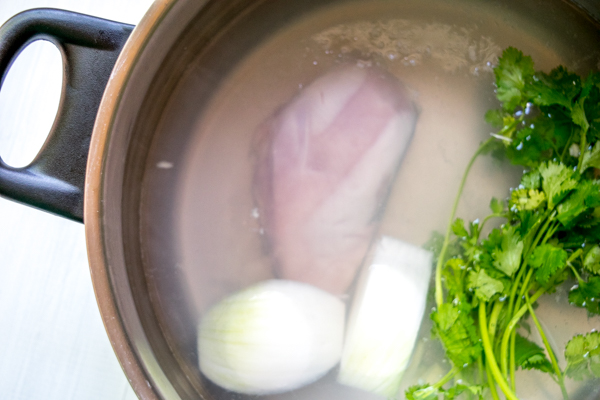
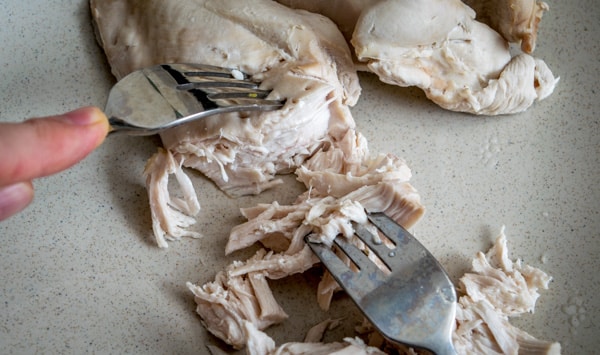
The adaptation of the Hatch chile into the chicken enchilada is a reflection of the broader Southwestern culinary tradition. While the dish can be modified to include various proteins, the chicken-and-cheese configuration remains the industry standard. The process of poaching chicken for this dish is a common technique, as it ensures a moist texture that can absorb the piquant qualities of the green chile sauce.
Beyond the protein, the assembly of the enchilada is a matter of precision. To prevent the corn tortillas from fracturing, they must be warmed—either by steaming, light frying, or oven-heating—before being dredged in the sauce. This "dredging" step is crucial, as it ensures the sauce permeates both the inside and outside of the rolled tortilla. Once filled, the enchiladas are placed in a baking dish, submerged in the remaining sauce, and topped with shredded cheese. A brief baking period at 400 degrees Fahrenheit ensures that the cheese melts and the edges of the tortillas become slightly crisp, providing the necessary texture contrast.
Economic and Market Implications
The annual "Hatch season" has evolved into a significant economic driver for New Mexico. Local farmers, logistics companies, and e-commerce platforms have seen a shift in how the product is distributed. Historically limited to the regional markets of the Southwest, the rise of digital commerce has allowed for direct-to-consumer shipping of fresh, roasted, and flash-frozen Hatch chiles to all fifty states.
Market research indicates that consumer interest in regional specialties is at an all-time high. The ability to source "authentic" ingredients from the source region has created a secondary market for specialized food shipping. For many consumers, the purchase of these chiles is an investment, as the labor-intensive process of roasting and peeling makes pre-processed, frozen versions a valuable commodity for year-round use.
Expert Perspectives on Sustainability and Quality
Agricultural officials in New Mexico often remind consumers to verify the authenticity of their Hatch chiles, noting that the popularity of the name has led to various imitations. Genuine Hatch chiles are grown within the specified New Mexico growing region. As climate patterns shift, researchers are also focusing on sustainable irrigation techniques to ensure the longevity of the crop, given the high water requirements of the Rio Grande valley.
Nutritionists often highlight the health benefits of the Hatch chile, noting that it is high in vitamins A and C, as well as antioxidants. However, the caloric profile of the finished enchilada dish—dependent on the volume of cheese and the type of tortilla used—can vary. When prepared with lean, poached chicken and a vegetable-forward sauce, the dish is considered a nutrient-dense option within the category of comfort food.
The Broader Impact on Home Cooking
The, perhaps, unintended consequence of the Hatch chile’s rise in popularity is the revitalization of traditional cooking techniques in the home. Because the chiles are often sold raw or "fresh off the vine" at roasting events, consumers are forced to engage in manual preparation. This creates a tactile connection to the food that is often lost in modern, pre-packaged meal solutions.
"The labor of love involved in roasting, peeling, and creating a sauce from scratch is what preserves the tradition," notes one regional culinary historian. By encouraging consumers to handle the raw produce, the Hatch chile season functions as an educational event, teaching new generations about ingredient quality and the nuance of regional flavors.
Looking Ahead: A Future for the Crop
As the season concludes each year, the discussion inevitably turns to how to store and utilize the remaining supply. Freezing remains the most effective method for preservation, allowing for the creation of soups, salsas, and stews throughout the winter months. The versatility of the chile is such that it can be used in everything from breakfast burritos to more complex dishes like chicken chile verde or, as demonstrated in this preparation, classic enchiladas.
The influence of the Hatch chile on American gastronomy is likely to continue to expand. With an increasing number of food retailers adopting seasonal programs centered around these peppers, the "Hatch phenomenon" has effectively transitioned from a local New Mexican secret to a national culinary staple. For those looking to participate in this tradition, the window of opportunity is narrow, but the results—a meal defined by the smoky, buttery, and spicy essence of the Mesilla Valley—are considered by many to be among the highlights of the annual culinary calendar.
Summary of Best Practices for Hatch Enchilada Preparation
For those attempting to master the preparation of Hatch Green Chile Enchiladas, adherence to a few technical guidelines can ensure success:
- Roasting Precision: Do not rush the roasting process. The skin should be sufficiently charred to allow for easy removal, which improves the final texture of the sauce.
- Stock Quality: The choice of stock significantly impacts the sodium and flavor levels. If using store-bought stock, exercise caution with additional salt. Homemade, low-sodium chicken stock is recommended for those looking to control the flavor profile strictly.
- Ingredient Balancing: If the heat level of the chiles is a concern, it is advisable to add the roasted chile puree to the onion-garlic base incrementally, tasting the sauce throughout the process until the desired heat level is achieved.
- Tortilla Management: The integrity of the enchilada depends on the pliability of the tortilla. Whether using corn or flour, ensuring they are properly warmed before rolling is the difference between a cohesive dish and one that falls apart during service.
- Simmering Time: Allowing the sauce to simmer for at least 10–15 minutes after all ingredients are combined allows the flavors of the Mexican oregano and the aromatics to meld with the chiles, resulting in a more complex final product.
By following these standards, home cooks can effectively translate the raw potential of the Hatch chile into a sophisticated, traditional meal that respects the origins and agricultural significance of the product. As the season arrives, the focus remains on the quality of the ingredient, the method of preparation, and the preservation of a regional tradition that continues to shape the American food landscape.