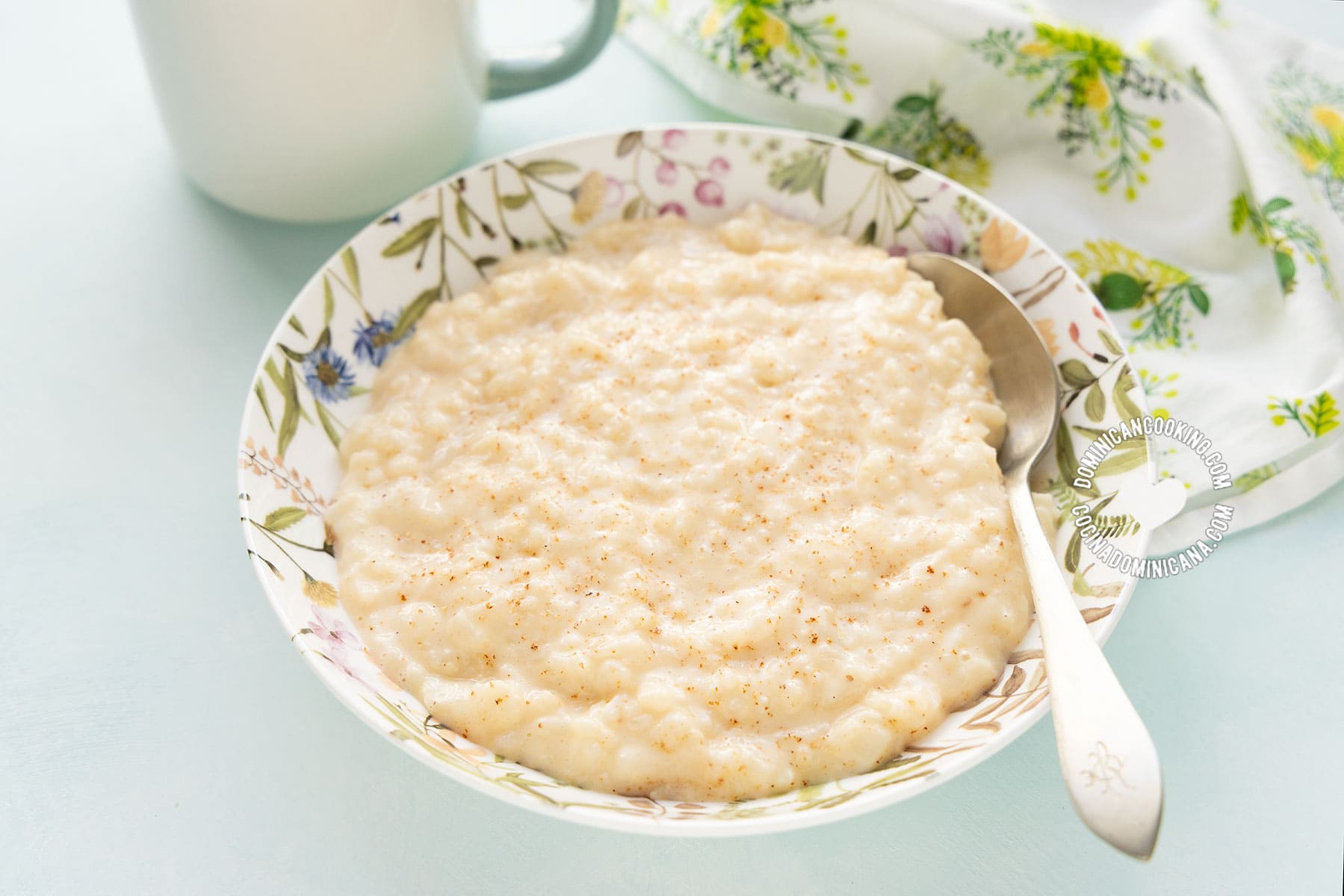
The global culinary landscape is increasingly rediscovering traditional comfort foods that prioritize functionality, nutritional balance, and cultural heritage over modern, hyper-processed convenience items. Within Caribbean cuisine, and particularly in the Dominican Republic, the dichotomy between sweet desserts and savory staples has long yielded versatile dishes that serve multiple purposes throughout the day. Among these, arroz con leche salado—alternatively known as arroz con leche amargo—represents a unique culinary intersection. While the sweet, cinnamon-infused variant of rice pudding remains a celebrated dessert across Latin America, this unsweetened, savory counterpart functions primarily as a nourishing breakfast porridge, a light evening dinner, or a restorative meal for individuals recovering from illness.
Culinary historians and cultural anthropologists note that the practice of repurposing staple grains with milk and savory elements is rooted in a history of resourcefulness and frugality. In many Caribbean households, long before the widespread availability of refrigeration or specialized morning cereals, families relied on nutrient-dense, easily digestible porridges to start the day or soothe an upset stomach. The use of simple, wholesome ingredients such as rice, milk, butter, and salt allowed home cooks to transform pantry staples into comforting meals with minimal preparation time. This tradition has endured through generations, passed down orally and through community recipe preservation efforts led by cultural preservationists like food writer Clara Gonzalez.
From a nutritional perspective, arroz con leche salado provides a balanced profile of carbohydrates, proteins, and fats that distinguishes it from its dessert-oriented counterpart. Standard nutritional analyses of the traditional recipe indicate an average yield of approximately 474 kilocalories per serving, alongside significant amounts of calcium, potassium, and essential macronutrients. The absence of added sugars reduces the glycemic impact typically associated with sweet rice puddings, making it a preferred option for households seeking lower-sugar dietary alternatives. Furthermore, the inclusion of dairy provides a substantial source of bioavailable calcium and protein, which contributes to the dish’s historical reputation as a wholesome food for growing children and convalescents.

The preparation methodology reflects a deliberate balance between simplicity and time-tested culinary technique. Typically requiring a preparation window of roughly two hours—often incorporating active simmering times of approximately 45 minutes—the dish achieves its signature creamy consistency through the gradual breakdown of rice starches in simmering milk. While traditional recipes often call for raw white rice cooked slowly from scratch, contemporary adaptations frequently utilize leftover cooked white rice to expedite the process, demonstrating the dish’s underlying philosophy of zero-waste kitchen management. The addition of butter and salt at precise intervals ensures that the savory profile remains balanced, avoiding the cloying sweetness characteristic of holiday treats.
Sociological examinations of traditional Caribbean diets highlight the emotional and psychological dimensions associated with comfort foods. Dishes like arroz con leche salado occupy a distinct category of nostalgic gastronomy, frequently linked by consumers to maternal care, domestic stability, and childhood recovery periods. Culinary educators and food bloggers who document these heritage recipes frequently report high levels of reader engagement driven by shared memories of family meals. This generational continuity underscores the resilience of regional recipes in an era dominated by globalized fast food chains and standardized commercial breakfast products.
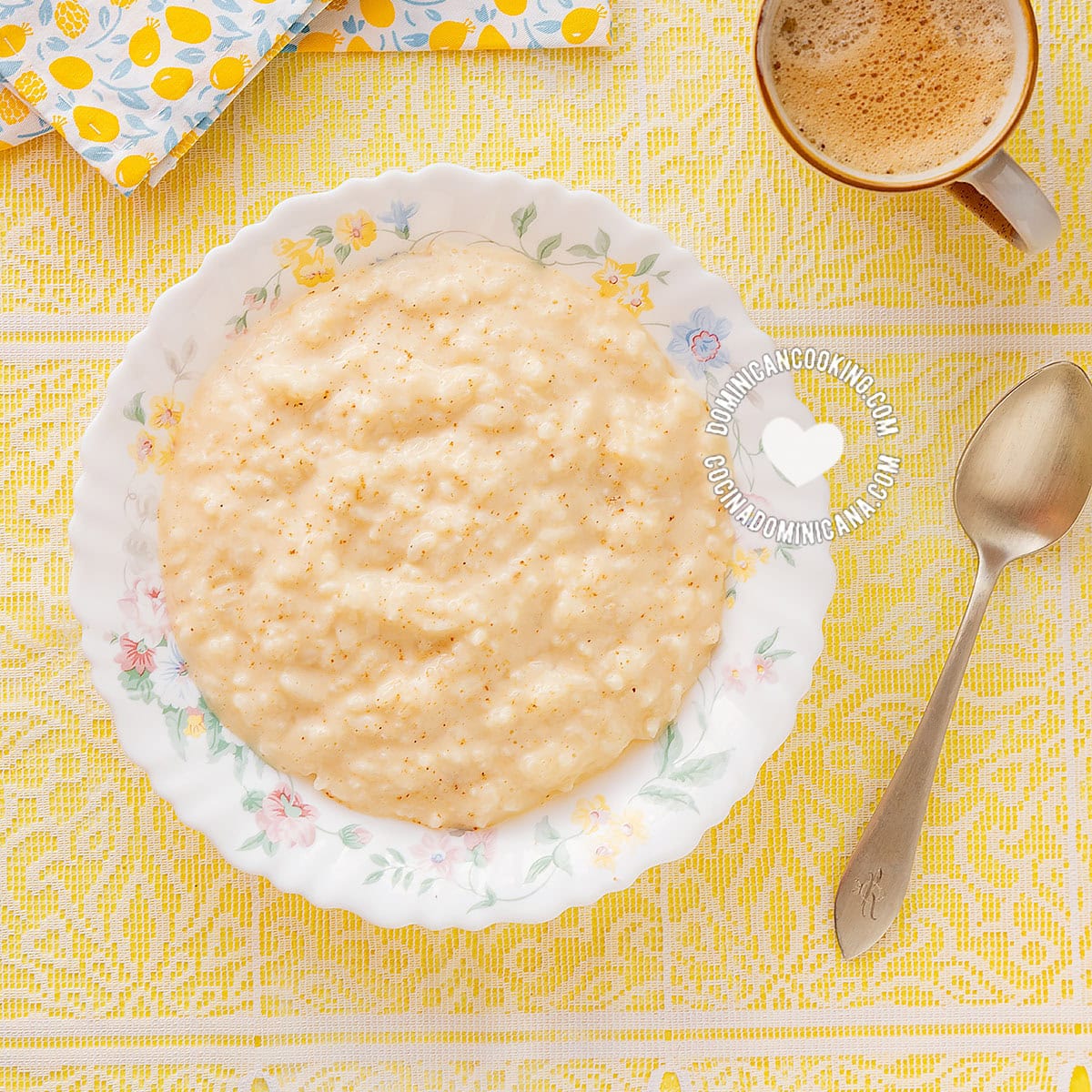
Public health advocates and nutritional researchers have increasingly turned their attention toward traditional regional diets as models for sustainable eating habits. The emphasis on whole ingredients, minimal processing, and portion control inherent in dishes like this savory rice porridge aligns with broader dietary recommendations aimed at reducing added sugar consumption. As modern consumers seek out ancestral recipes for their health benefits and cultural authenticity, dishes once marginalized as "acquired tastes" or purely utilitarian sick-room meals are experiencing a broader renaissance across digital culinary platforms and traditional media outlets alike.