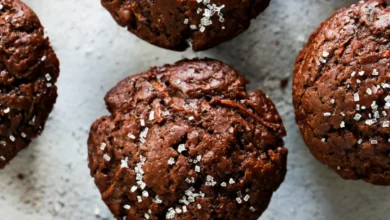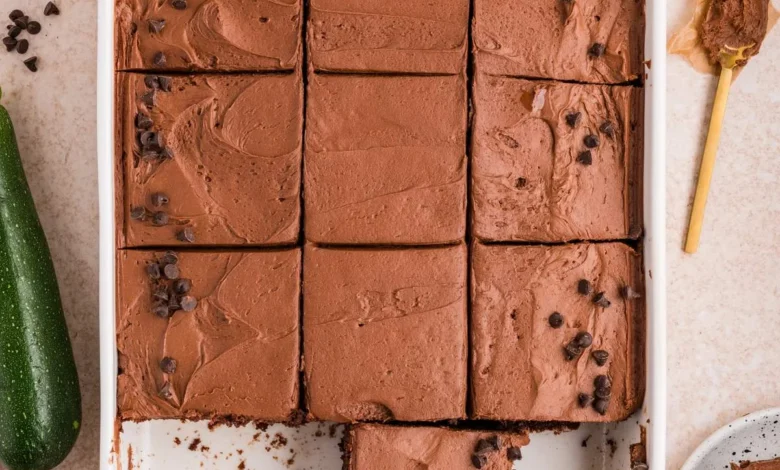
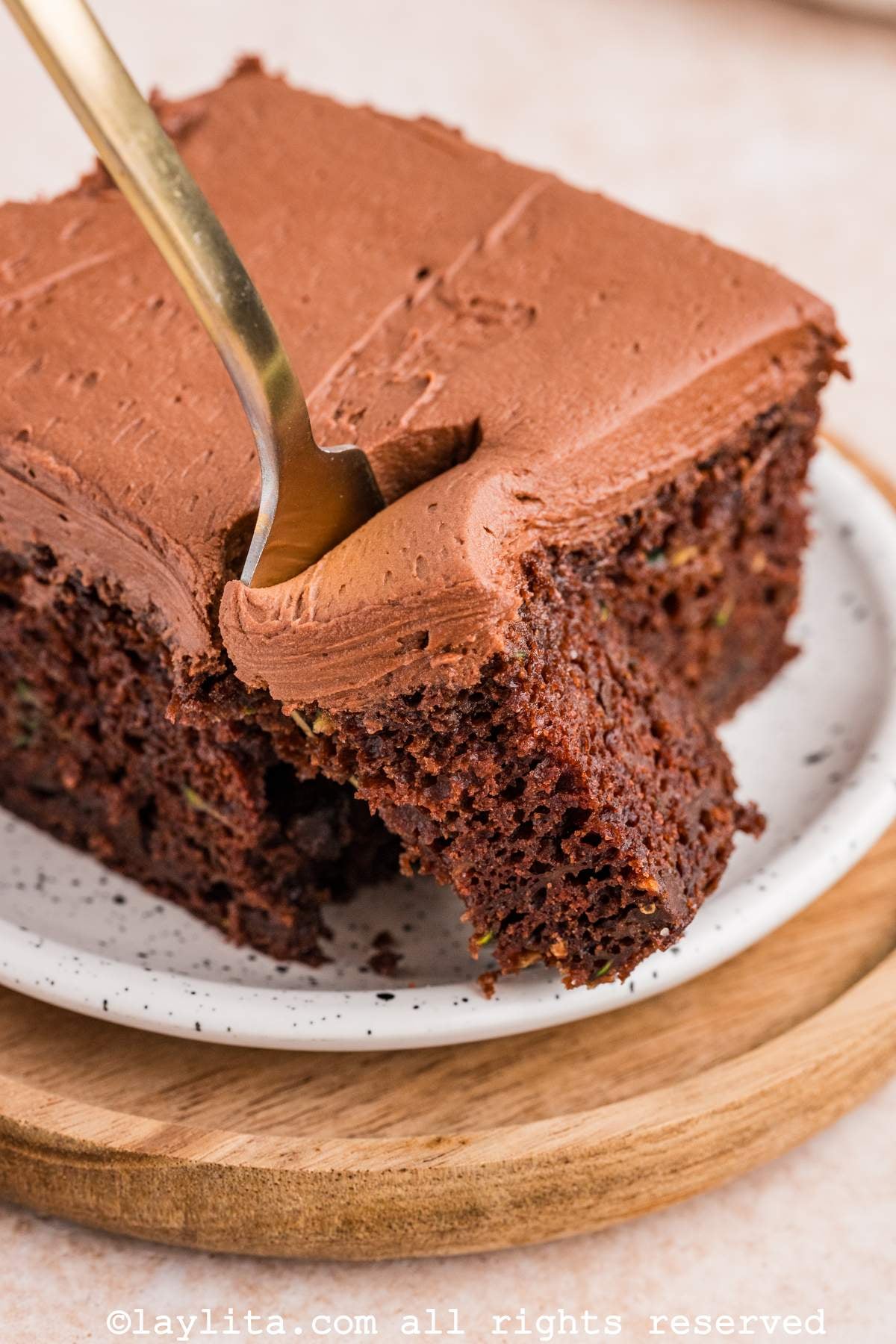
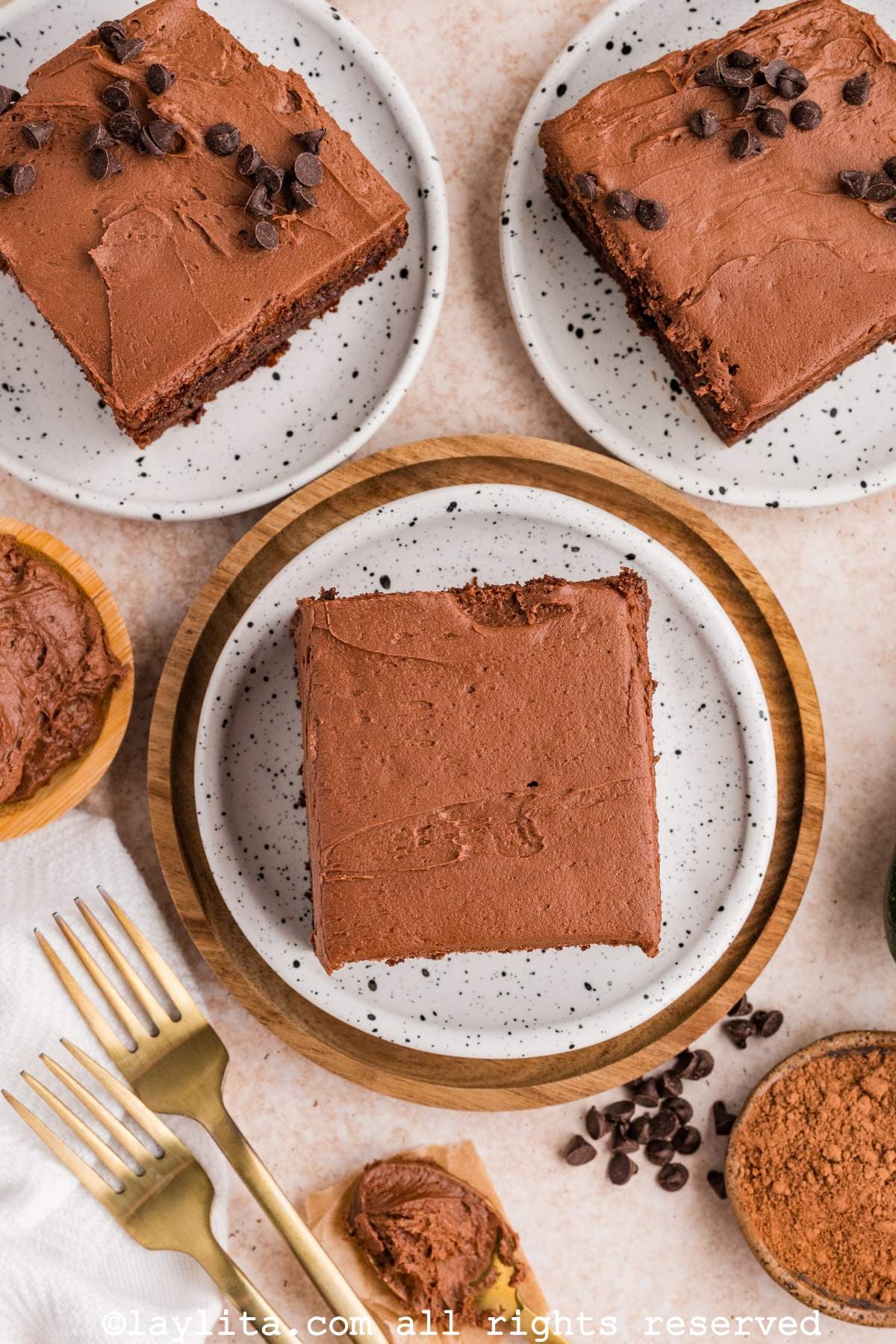
The culinary world has long utilized stealth health techniques, but few cross-over creations achieve the widespread popularity and enduring appeal of the chocolate zucchini cake. As late-summer garden yields peak and home cooks find themselves overwhelmed by abundant harvests of cucurbita pepo, this classic dessert offers a practical and indulgent solution. Combining rich cocoa with grated green squash yields a remarkably moist, tender crumb without compromising flavor, transforming an ordinary garden vegetable into an undetectable vehicle for dessert luxury.
Culinary Background and the Science of Vegetable Baking
The practice of incorporating vegetables into sweet baked goods is rooted in resourcefulness and culinary chemistry. Historically popularized during times of rationing, such as World War II when sugar and dairy were scarce, vegetable-based cakes gained traction for their ability to maintain structural integrity and moisture without relying heavily on expensive or restricted ingredients.
In contemporary baking, food scientists and pastry chefs utilize high-moisture vegetables like zucchini, carrots, and sweet potatoes to control the gelatinization of starches and delay staling. Zucchini, which is composed of approximately 95% water, releases its moisture gradually into the batter during the baking process. This prevents the flour proteins from forming an overly tough gluten network, resulting in a fine, velvety crumb. Furthermore, the mild, neutral flavor profile of zucchini allows it to blend seamlessly into robust flavor profiles like dark chocolate, espresso, or warm spices, rendering the vegetable completely imperceptible to the palate.
Chronology of Garden-to-Table Baking Trends
While zucchini bread has been a staple of North American cookbooks and community bake sales for decades, the evolution toward decadently frosted chocolate zucchini cakes represents a modern shift in home baking.
- Mid-20th Century: The rise of home gardening and suburban kitchen culture popularized quick breads, with zucchini bread emerging as a standard method for utilizing surplus squash.
- Late 1990s to 2000s: Culinary blogs and digital recipe repositories began experimenting with layered and frosted iterations, elevating the rustic loaf cake to a formal dessert status suitable for dinner parties and celebrations.
- Present Day: The recipe continues to circulate globally, embraced by culinary platforms as a versatile cornerstone of seasonal autumn and summer baking that bridges the gap between comfort food and household resourcefulness.
Nutritional and Economic Implications
Beyond its sensory appeal, the incorporation of zucchini into pastry provides subtle nutritional advantages. Although encased in a rich matrix of refined sugar, flour, and chocolate, the vegetable introduces dietary fiber, vitamin C, potassium, and antioxidants into the dish. For parents and institutional meal planners, sneaking vegetables into nutrient-dense sweets remains a well-documented strategy to encourage vegetable consumption among reluctant eaters.
From an economic perspective, the chocolate zucchini cake addresses the issue of food waste. Zucchini plants are famously prolific, often producing yields that exceed a household’s capacity for savory preparations like sautés, ratatouille, or grilling. By diverting excess produce into baking projects, consumers maximize their grocery investments and reduce household agricultural waste during peak harvest windows.
Preparation Protocols and Industry Best Practices
Achieving a professional-grade chocolate zucchini cake requires adherence to specific technical steps. Professional bakers recommend grating the zucchini using a standard box grater to achieve fine shreds that distribute evenly throughout the batter. Unlike zucchini intended for savory fritters, the water content in baking is largely desirable; however, excessive moisture can lead to a dense or gummy center. Culinary experts advise lightly pressing excessively wet, oversized late-season zucchini to remove surplus liquid, while normal-sized summer squashes can be folded directly into the batter.
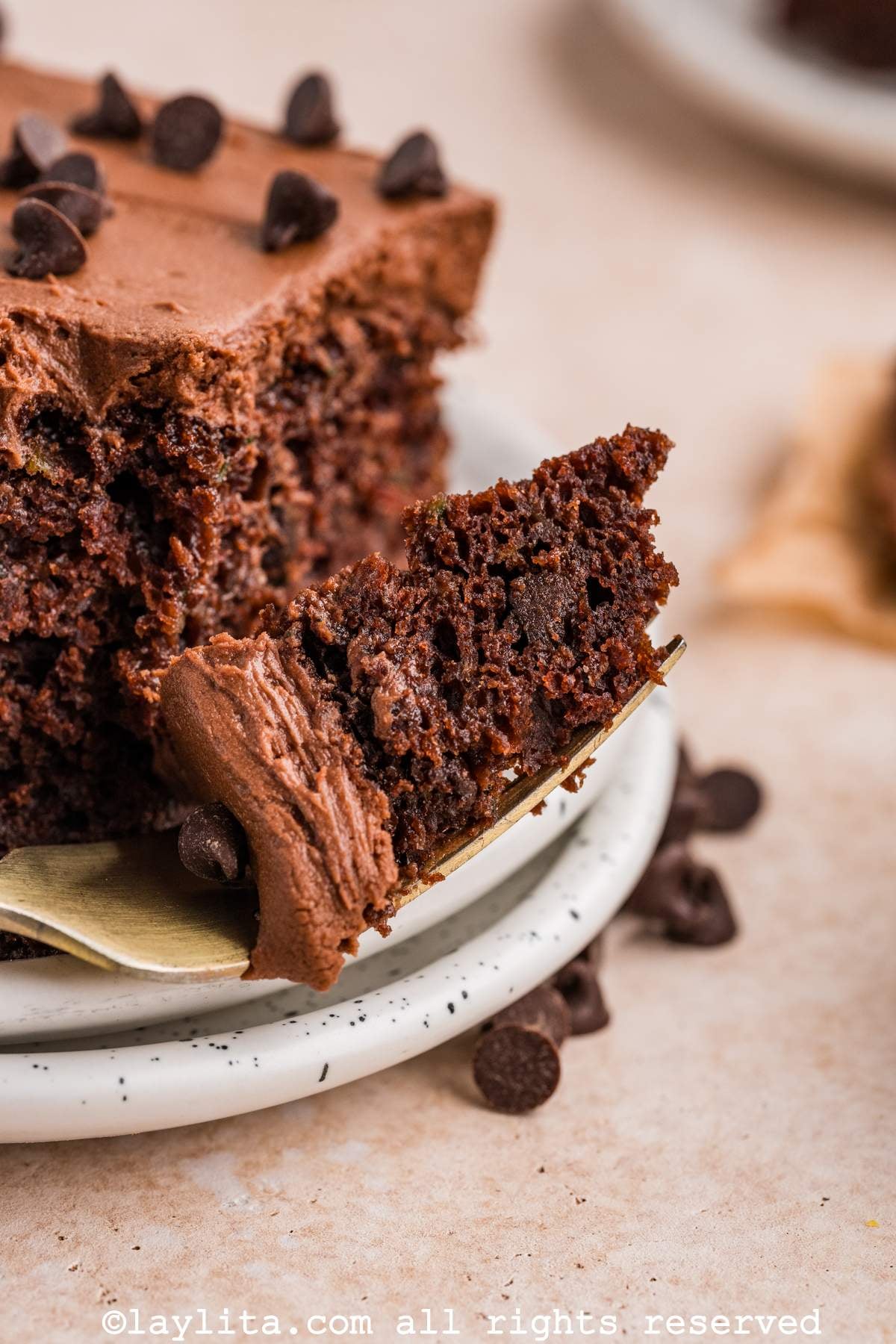
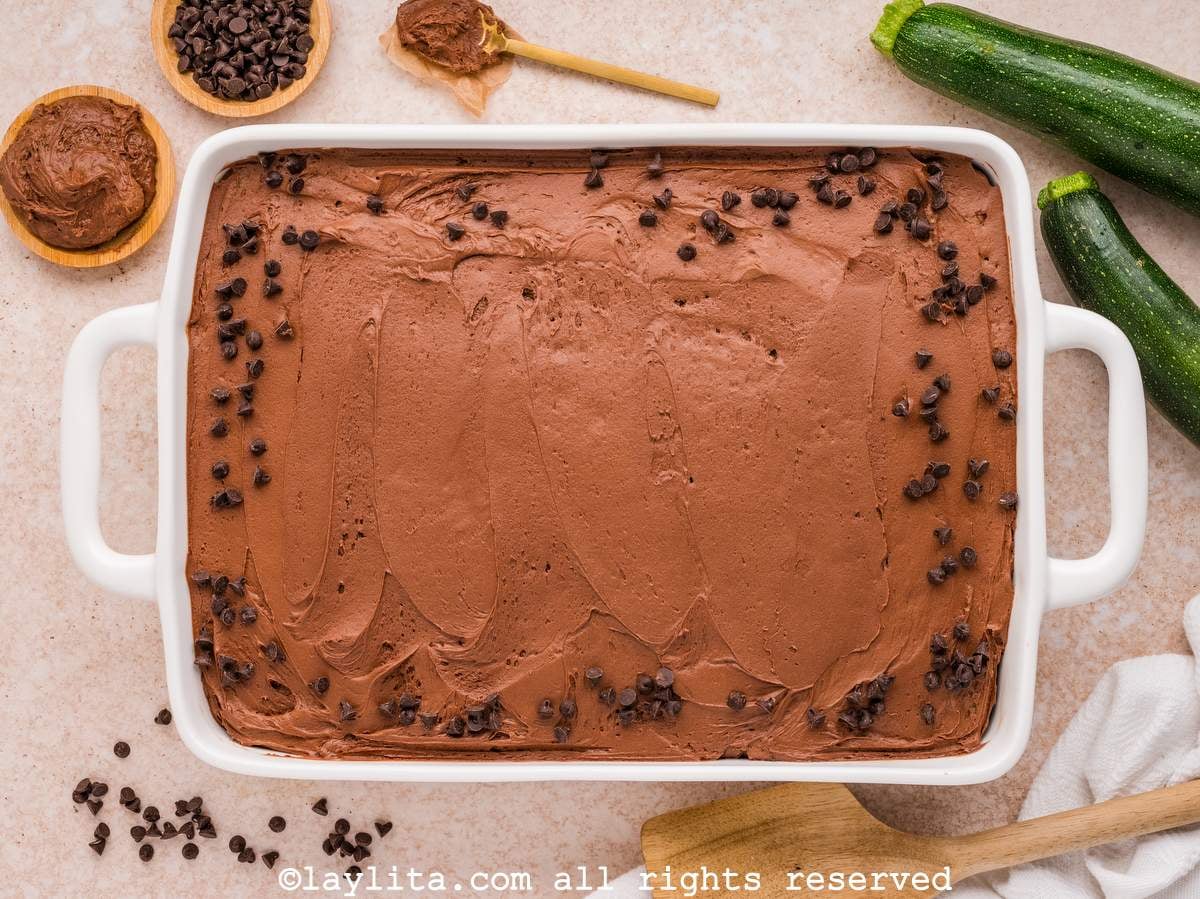
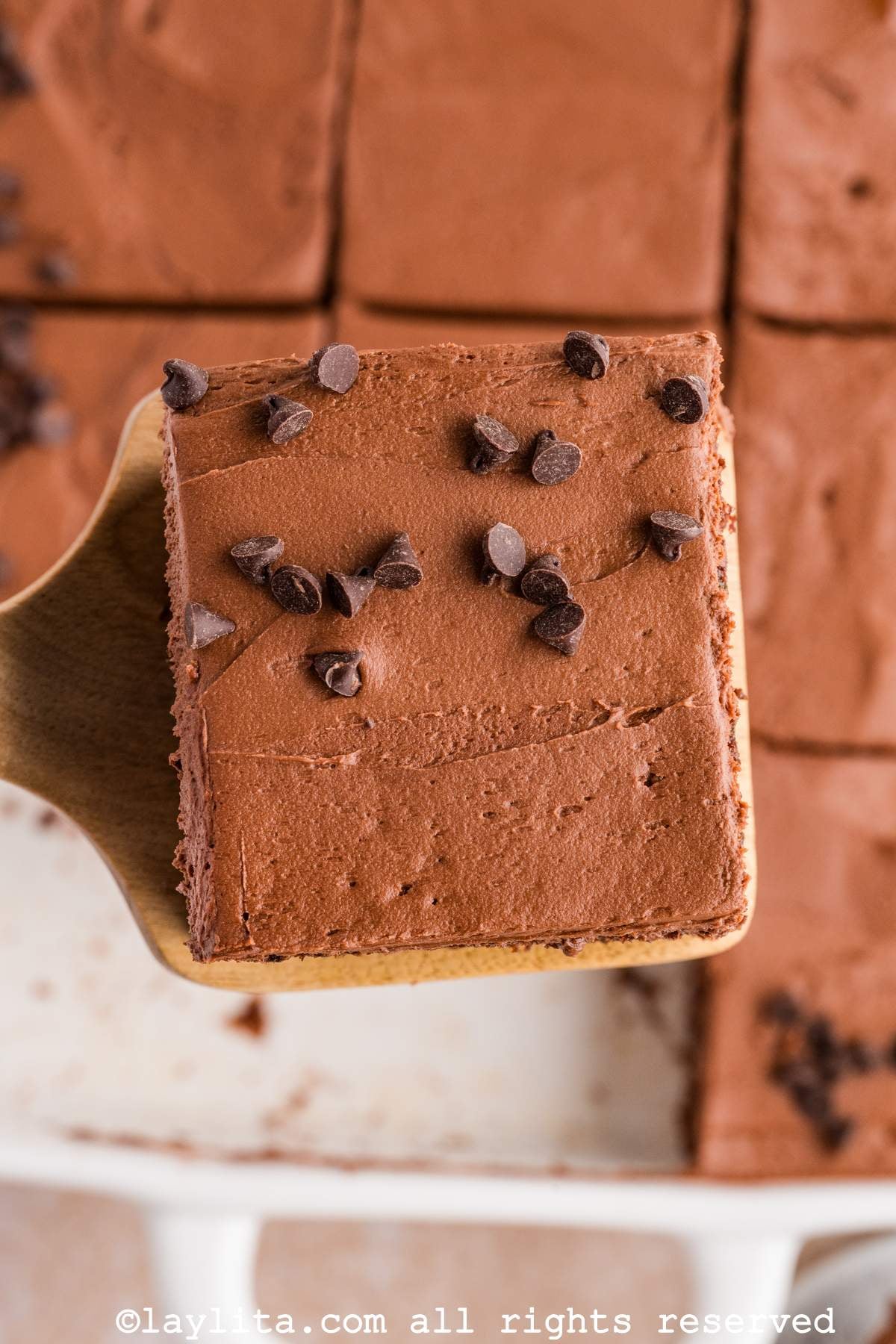
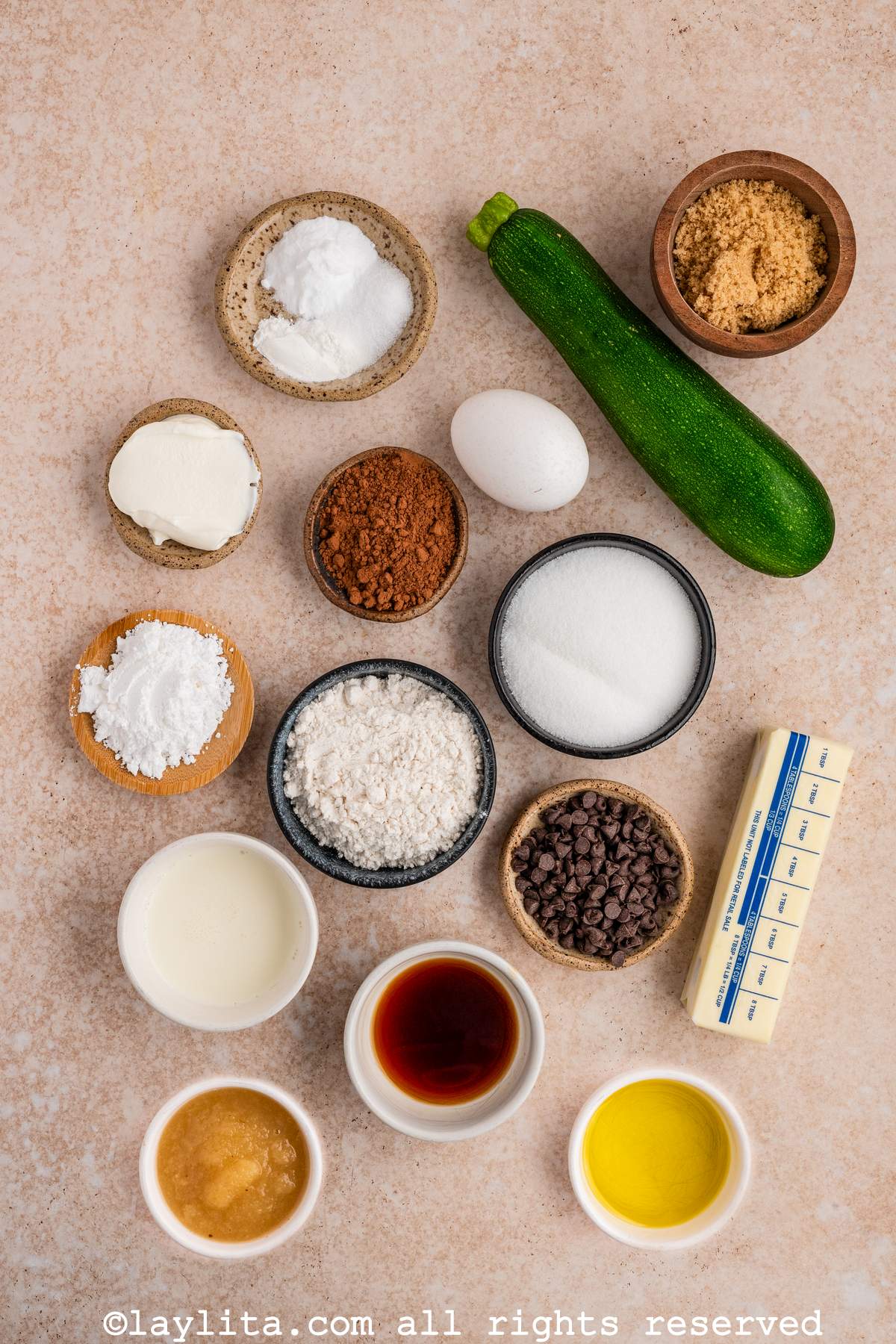
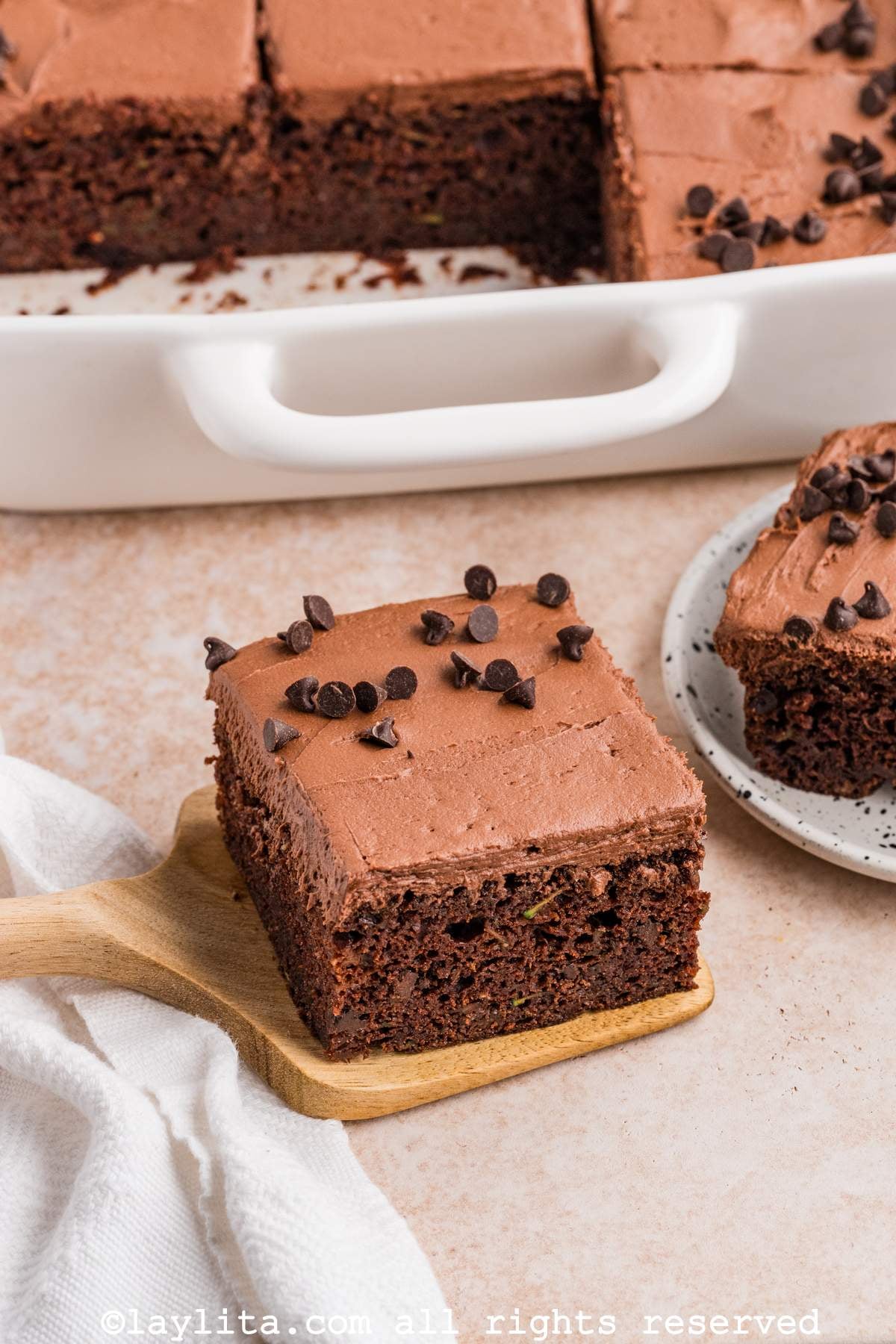
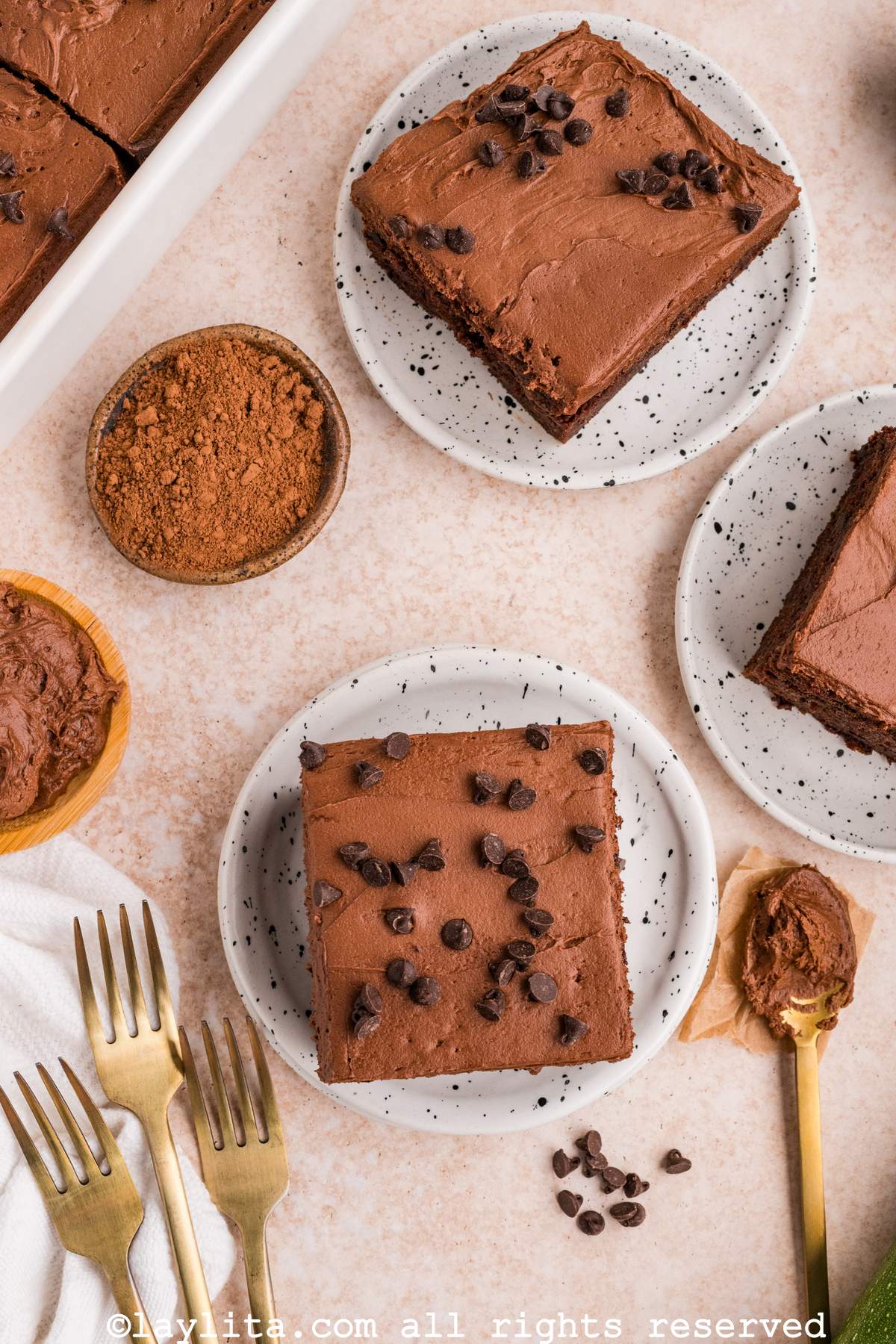
The inclusion of complementary elements—such as miniature chocolate chips, high-quality Dutch-processed cocoa powder, and a fudgy, cream-based chocolate frosting—elevates the dish from a rustic quick bread to a sophisticated dessert. Standard storage guidelines dictate that frosted cakes containing dairy-based elements should be refrigerated for up to five days, with a brief tempering period at room temperature before serving to restore the frosting’s creamy texture.
Broader Impact on Modern Home Economics
The enduring popularity of recipes like the chocolate zucchini cake highlights a broader cultural appreciation for resourceful cooking. In an era marked by rising grocery costs and heightened awareness of food sustainability, home cooks increasingly value recipes that serve dual purposes: satisfying dietary desires while utilizing surplus ingredients. As agricultural trends continue to cycle through seasonal abundances, innovative baking techniques ensure that traditional comfort foods remain adaptable, sustainable, and universally appealing.
Related posts: