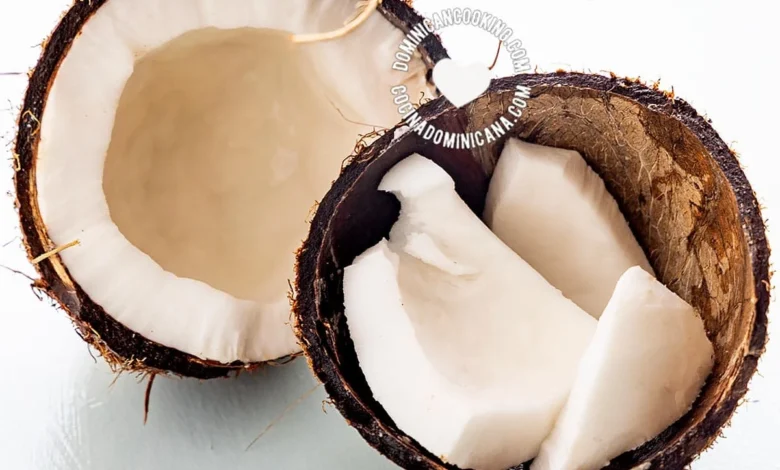
Learning how to open a coconut is a fundamental skill for anyone seeking to incorporate this versatile tropical fruit into their culinary repertoire. From its refreshing water to its rich, creamy flesh, the coconut offers a wealth of culinary possibilities, gracing numerous dishes with its distinct flavor and texture. This guide, compiled by culinary expert Clara Gonzalez, provides a comprehensive, step-by-step approach to safely and efficiently cracking open a coconut, demystifying a process that can seem daunting to the uninitiated. The techniques shared are designed for practicality and accessibility, empowering home cooks to unlock the full potential of this tropical treasure.
The Versatile Coconut: A Culinary Staple
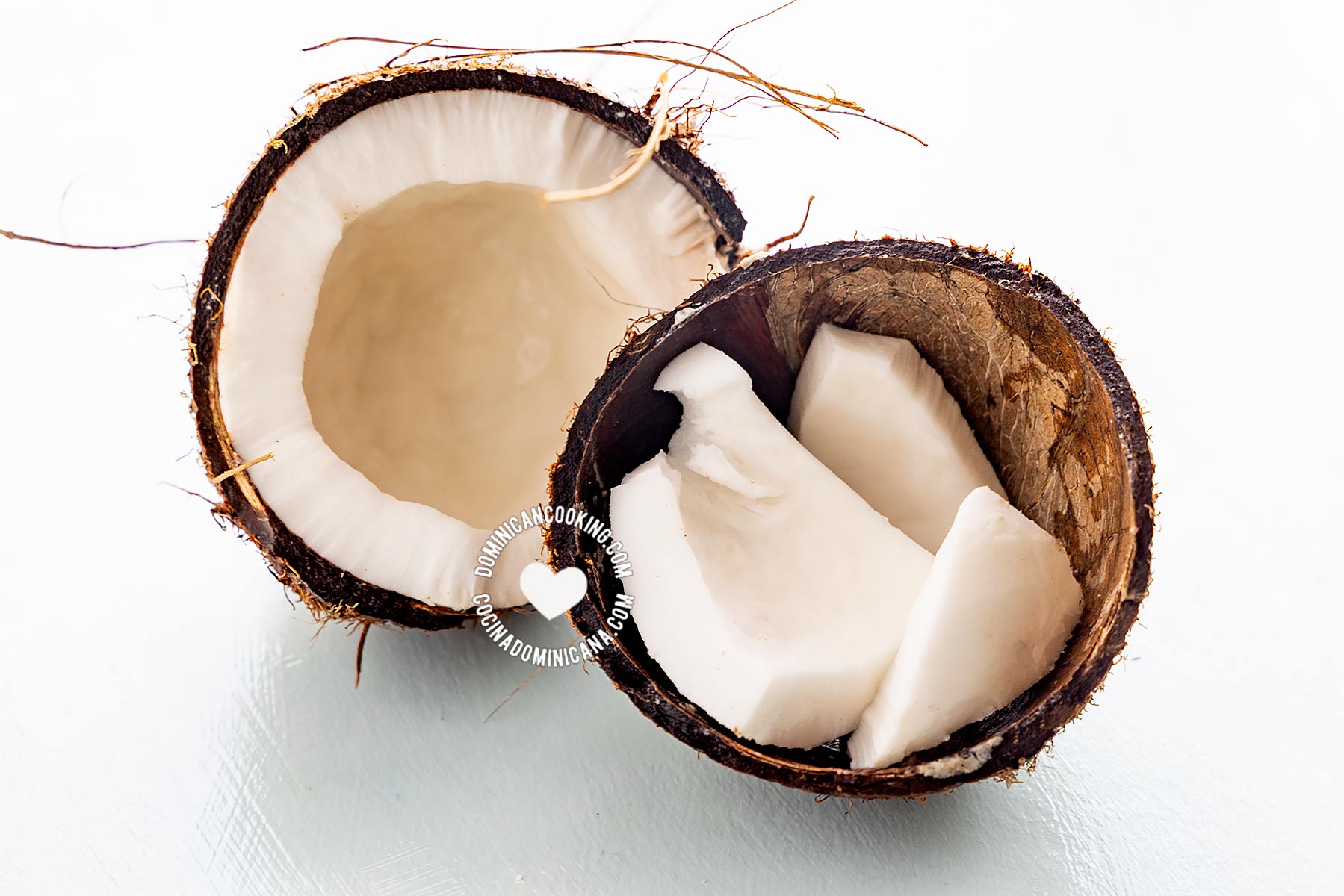
The coconut (Cocos nucifera) is a member of the palm family and is cultivated in tropical coastal regions worldwide. Its culinary significance is immense, forming the backbone of many traditional cuisines, particularly in Southeast Asia, the Caribbean, and parts of Africa and Latin America. The water inside a young coconut is a hydrating beverage, often consumed directly or used in smoothies and cocktails. As the coconut matures, the water is replaced by the thick, white flesh, which can be grated, dried into flakes, or pressed to extract coconut milk and cream – essential ingredients in curries, desserts, sauces, and baked goods. Beyond its culinary uses, coconut oil, derived from the flesh, is widely used in cooking, skincare, and haircare. The fibrous husk is utilized for coir production (used in ropes, mats, and brushes), while the hard shell serves as fuel or is carved into decorative items. This multifaceted nature underscores the importance of understanding how to access its valuable components.
A Step-by-Step Guide to Opening a Coconut
The process of opening a coconut can be broken down into several manageable stages, each requiring careful attention to detail for optimal results and safety.
1. Locating and Perforating the "Eyes"
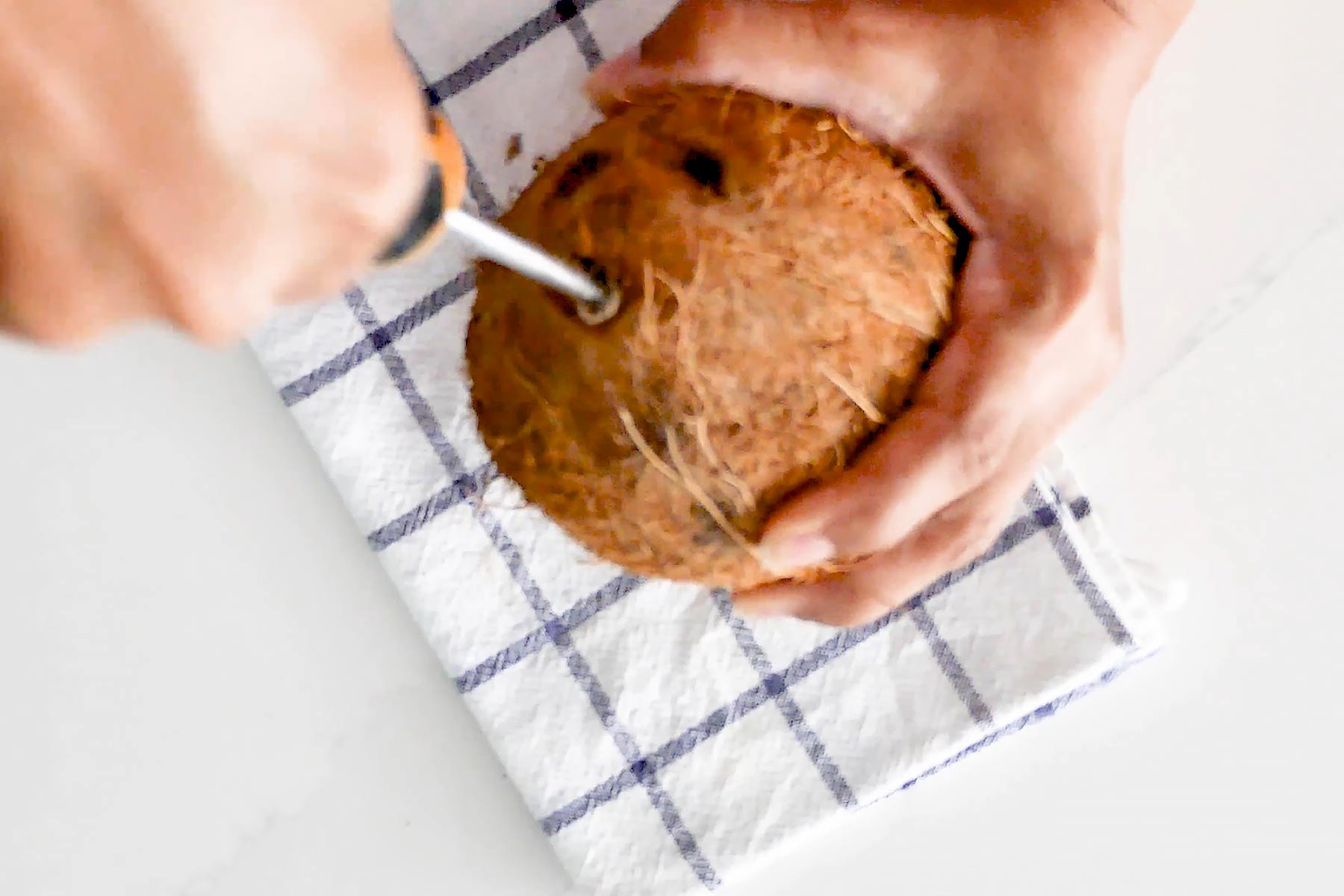
The first crucial step involves identifying the three distinct "eyes" on one end of the coconut. These are softer spots in the hard shell, with one being significantly more permeable than the others. These weak points are the key to accessing the coconut’s interior.
- Tool Selection: A sturdy, clean, flat-head screwdriver is the recommended tool for this stage. Its flat edge allows for effective penetration and widening of the eye.
- The Puncturing Process: Firmly press the screwdriver tip against one of the eyes and apply pressure, rotating and wiggling the screwdriver to break through the shell. The goal is to create an opening large enough to allow liquid to drain. Repeat this process for at least one, and ideally all three, eyes to facilitate easier water drainage. Removing a small amount of the coconut flesh around the punctured eye can further aid in creating a wider passage.
2. Draining the Coconut Water
Once the eyes are perforated, the refreshing coconut water can be collected.

- Positioning: Place the coconut with the punctured eyes facing downwards over a glass or bowl.
- Facilitating Flow: Gently shaking the coconut can help to dislodge and expel the water more quickly. For younger coconuts, the water may flow freely. For more mature coconuts, some residual water might remain, which is perfectly normal. This collected water can be enjoyed immediately or used in recipes.
3. Cracking the Shell
This is often perceived as the most challenging part, but with the right technique, it becomes straightforward.
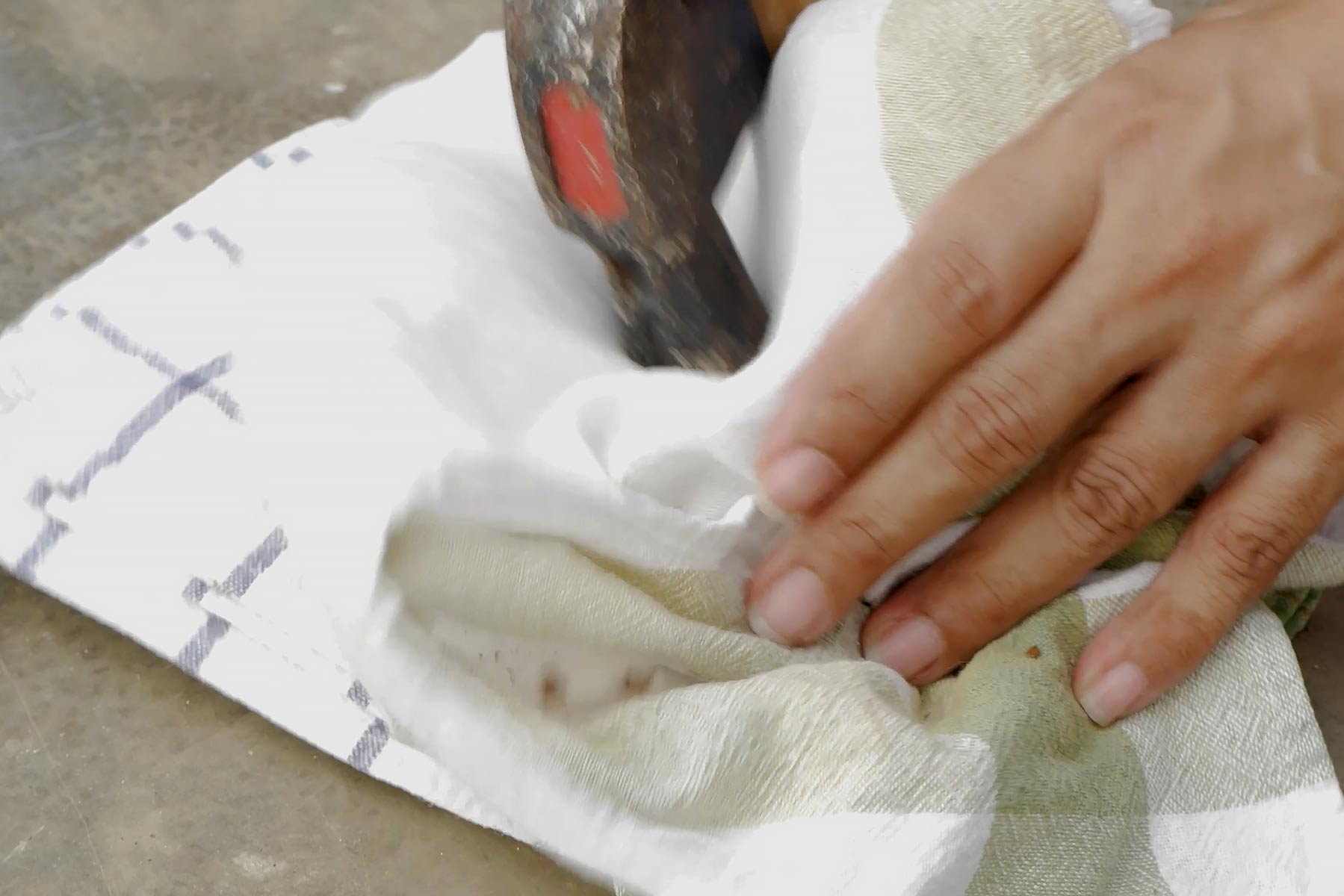
- Surface Preparation: To protect your flooring and the coconut, lay a couple of folded, old tea towels on a hard, stable surface such as concrete. Avoid using delicate surfaces like wood or ceramic, as they can be easily damaged by the impact.
- Protective Wrapping: Wrap the coconut in another old tea towel. This serves a dual purpose: it helps to absorb some of the shock and prevents shards of shell from scattering.
- The Impact Zone: Identify the equator of the coconut – the widest circumference. Using a hammer, deliver firm, consistent blows along this equatorial line. Rotate the coconut as you strike, ensuring you are hitting along the same central seam.
- Splitting: With successive hits along the equator, the coconut will eventually crack and split into two neat halves.
- Subdividing: For easier handling in the subsequent steps, each half can be further broken down. Wrap each half individually in a tea towel and strike them near the newly formed edge to create smaller, more manageable pieces.
4. Separating the Coconut Meat
With the shell cracked, the next step is to detach the white flesh from its hard casing.
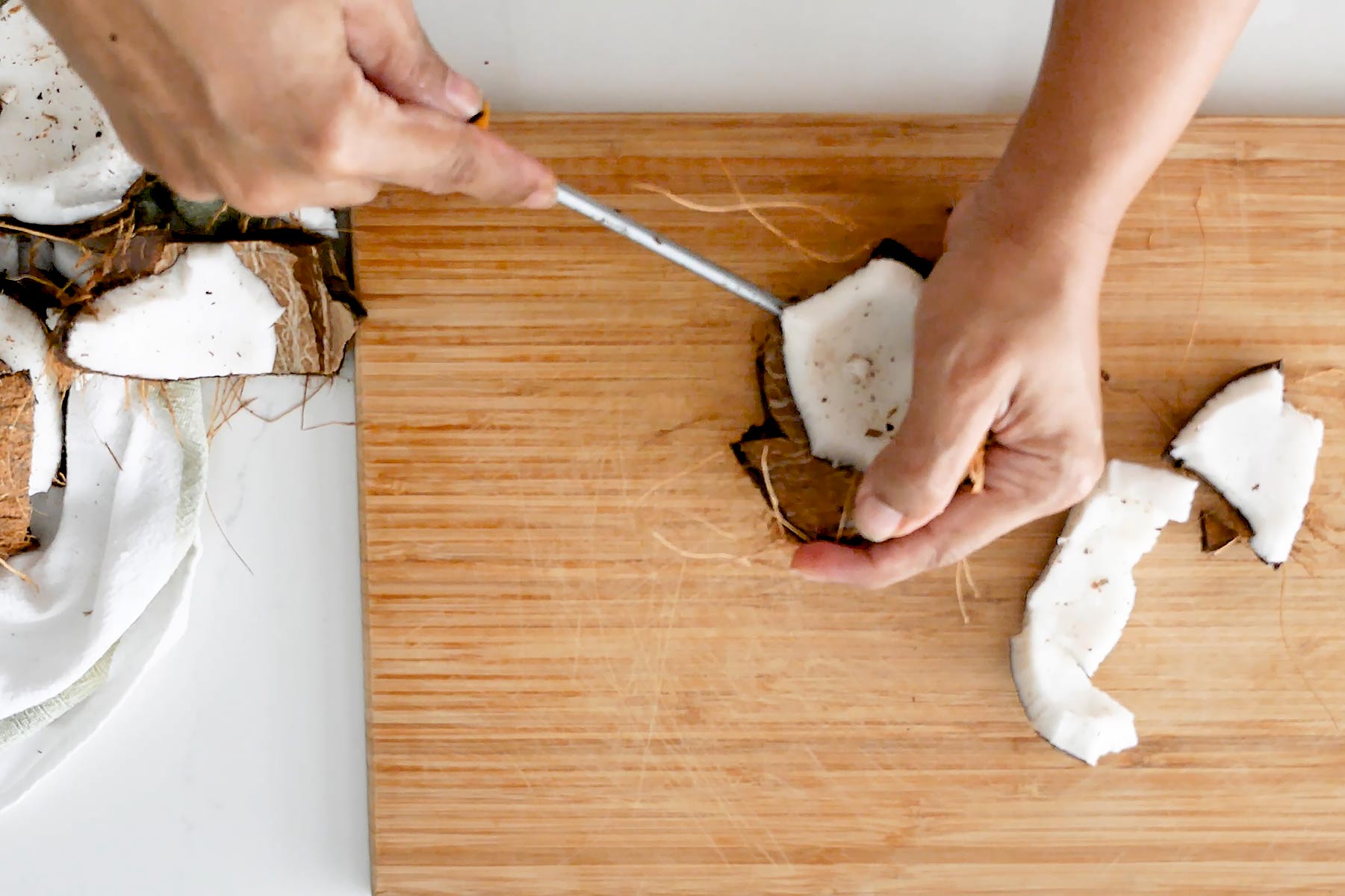
- The Tool: The flat-head screwdriver, previously used for perforating the eyes, is also ideal for this task.
- The Technique: Carefully insert the flat edge of the screwdriver between the white coconut meat and the hard shell. Gently work the screwdriver around the perimeter, applying leverage to pry the meat away from the shell. This may require patience, as the meat can adhere tightly in some areas.
- Safety Precaution: It is imperative to exercise caution during this step. The edges of the cracked shell can be sharp, and the screwdriver itself requires careful handling to avoid accidental cuts or injuries.
5. Peeling the Coconut Meat
Once the meat is separated, the thin, brown skin needs to be removed.
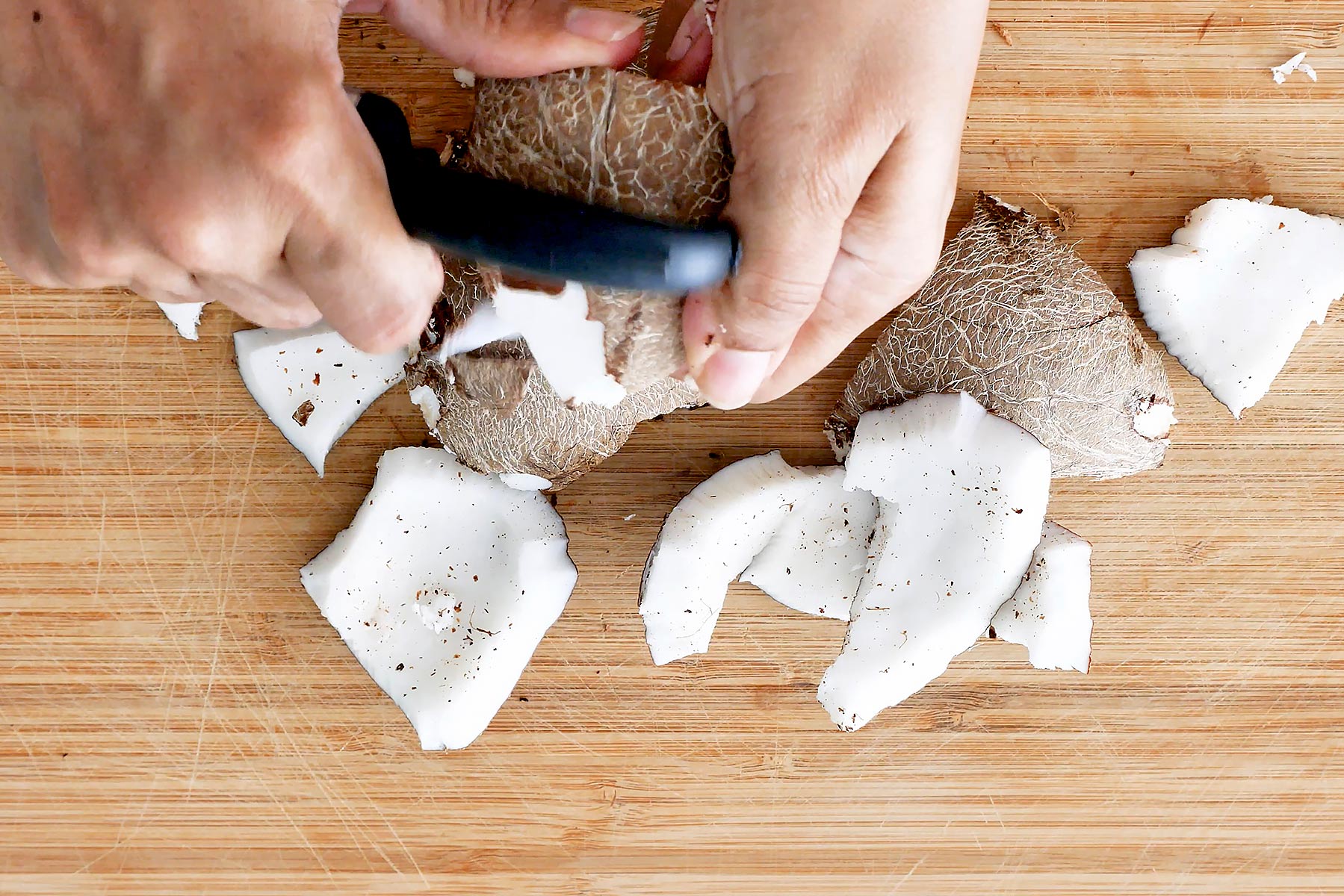
- The Tool: A standard potato peeler is the most effective tool for this purpose.
- The Process: Hold a piece of coconut meat firmly and use the potato peeler to systematically remove the brown outer layer. The brown skin is typically thin and can be peeled off relatively easily. Discard the peeled rind.
6. Rinsing and Drying
A final rinse ensures the coconut meat is clean and ready for use.
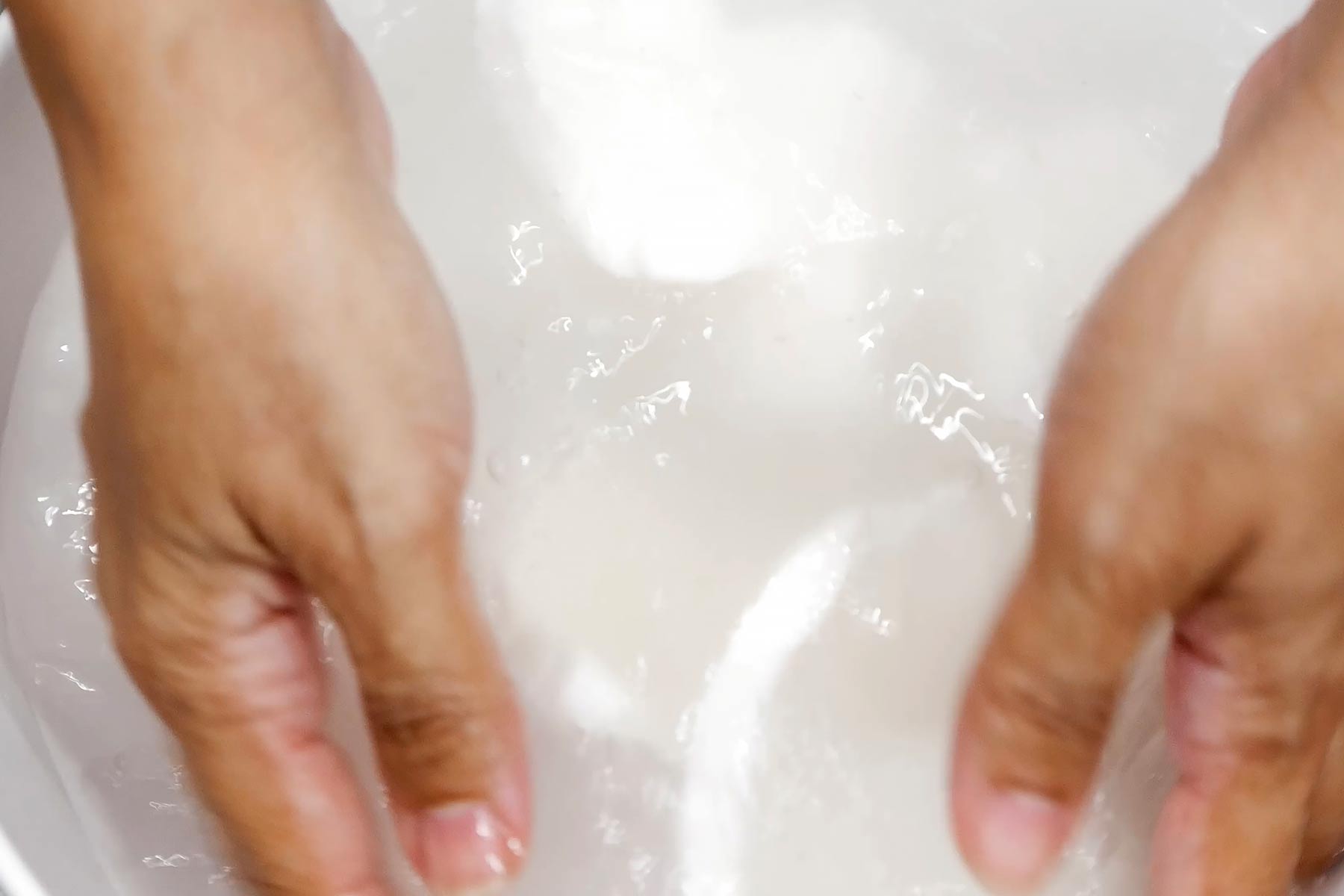
- Rinsing: Place the peeled coconut meat under cool running water. Gently rub the pieces to remove any lingering brown bits, dirt, or debris.
- Drying: After rinsing, spread the coconut meat on a clean tea towel and allow it to air dry on the counter for a short period. This removes excess moisture.
7. Storing for Future Use
Proper storage ensures the freshness and usability of the coconut meat.
- Refrigeration: For short-term storage (a few days), wrap the dried coconut meat tightly in plastic film and place it in an airtight container in the refrigerator.
- Freezing: For longer storage (up to a month), wrap the coconut meat securely in plastic film and transfer it to a freezer-safe container. Freezing preserves the coconut for later use, though fresh is always considered optimal for flavor and texture.
Expert Insights and Culinary Applications
Clara Gonzalez, the author of this guide, emphasizes the joy and satisfaction derived from using freshly prepared ingredients. Her expertise, honed through years of culinary exploration and sharing within the Dominican cooking community, highlights the inherent value of mastering such fundamental techniques. The ability to open a coconut opens a gateway to a vast array of authentic dishes.
In Dominican cuisine, for example, fresh coconut is integral to dishes like "moro de guandules con coco" (rice with pigeon peas and coconut), a savory and aromatic side dish. Coconut milk is also a key component in "habichuelas con dulce" (sweet beans), a beloved dessert, and various seafood preparations. Beyond the Dominican Republic, coconut milk forms the creamy base of countless curries across Southeast Asia, while grated coconut adds texture and flavor to desserts and baked goods globally. The extracted coconut water is also a popular base for refreshing drinks and marinades.
Broader Implications and Culinary Accessibility
The skill of opening a coconut not only enhances culinary endeavors but also promotes a deeper connection with food sources. In an era where convenience often trumps traditional methods, understanding how to process whole ingredients like coconuts fosters self-sufficiency and appreciation for the natural world. It can also be a more economical approach compared to purchasing pre-packaged coconut products, which may include additives or have undergone processing that alters their natural flavor and nutritional profile.
Furthermore, by demystifying this process, this guide contributes to the broader trend of home cooking and culinary education. Resources like this empower individuals to explore global cuisines with confidence, breaking down perceived barriers to entry. The visual aids and clear, sequential instructions ensure that even novice cooks can achieve successful results, fostering a sense of accomplishment and encouraging further culinary exploration.
The updated review date of June 26, 2026, indicates a continued relevance and potential for periodic updates to reflect evolving culinary practices or safety guidelines. The original publication date of June 24, 2017, suggests a well-established and trusted method that has stood the test of time. This enduring utility solidifies the value of learning to open a coconut, a skill that promises to enrich kitchens and culinary experiences for years to come.
Related posts: