Paleta de Chinola con Leche (Milk & Passion Fruit Popsicles) Bring a Taste of the Dominican Republic to Summer Menus

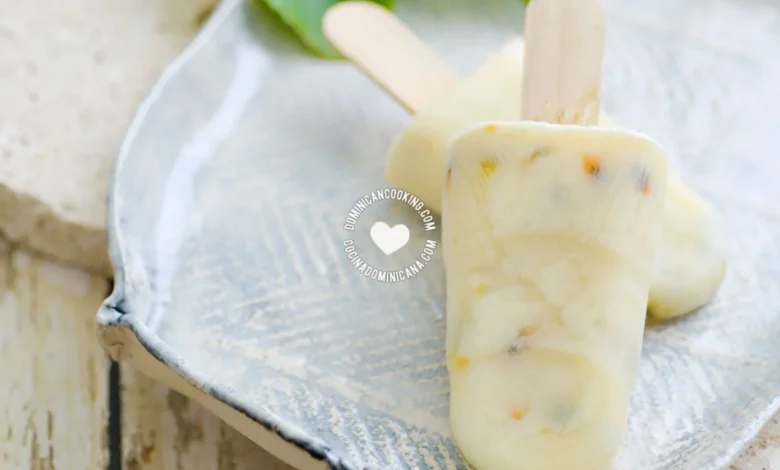
As temperatures climb globally and urban centers frequently record record-breaking heatwaves, culinary innovators and home cooks alike are searching for traditional, effective ways to beat the heat. Enter the Paleta de Chinola con leche—a milk and passion fruit popsicle rooted in the rich culinary traditions of the Dominican Republic. Offering a sophisticated balance of creamy dairy and tart tropical fruit, this frozen treat has emerged as a seasonal favorite, bridging the gap between historical Caribbean beverage culture and modern gastronomic trends.
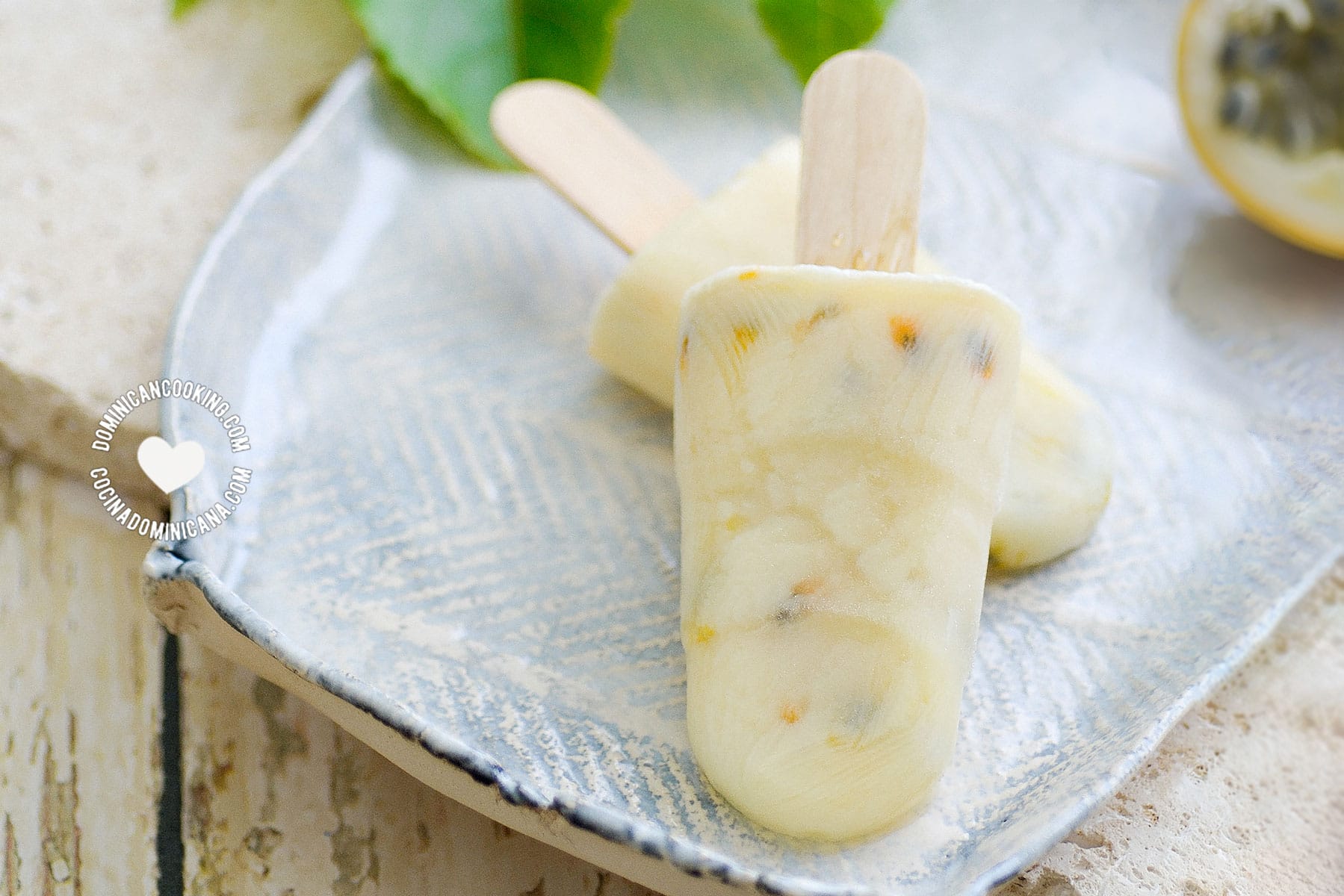
Culinary Origins and the Evolution of Morir Soñando
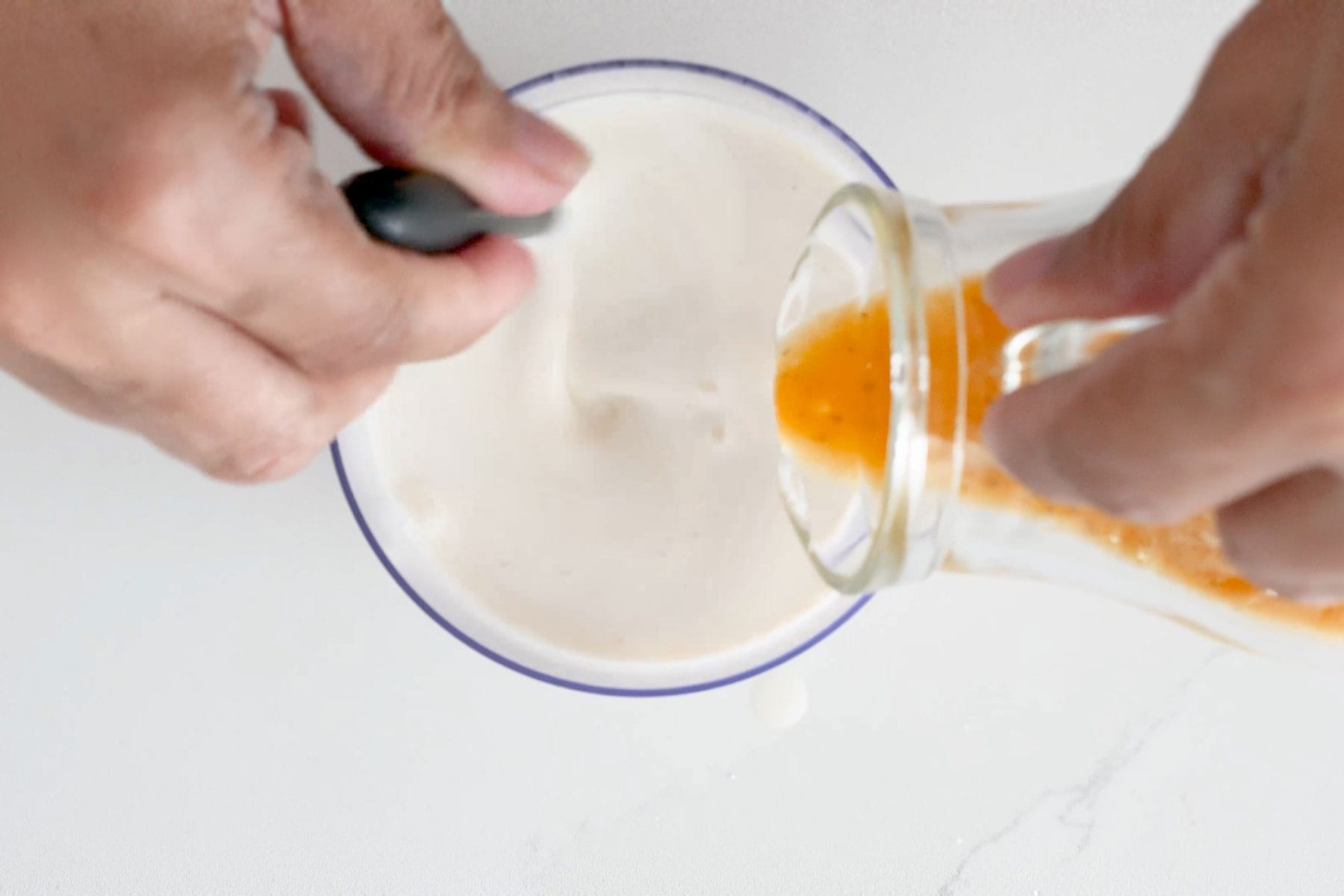
The foundation of the Paleta de Chinola con leche lies in Morir Soñando, one of the Dominican Republic’s most iconic and beloved beverages. Traditionally translated as "to die dreaming," Morir Soñando is a delicate emulsion of cold milk and citrus juice—most commonly sweet orange juice—sweetened with cane sugar and served over ice.
The beverage requires careful preparation; because dairy curdles easily when exposed to high-acid citrus, makers must chill the milk thoroughly and mix the ingredients swiftly while stirring constantly. The result is a frothy, rich drink that is simultaneously refreshing and comforting.

While sweet orange remains the classic base for Morir Soñando, culinary adaptation has expanded the formula to include alternative tart fruits. Chinola—the Dominican Spanish term for passion fruit, also known globally as maracuyá, parchita, or fruta de la pasión—possesses the necessary acidity and aromatic intensity to replicate the classic flavor profile. Although less ubiquitous than its orange counterpart, Morir Soñando de chinola has steadily gained traction among Caribbean food historians and contemporary chefs looking to elevate traditional flavor pairings into frozen formats like paletas.
The Science of Balancing Cream and Acid in Frozen Confections
Creating a successful milk and passion fruit popsicle involves specific culinary techniques. Passion fruit is botanically a berry, yet its juice packs a punch of citric and malic acids comparable to lemons and limes. When incorporating this high-acid juice into a dairy base for freezing, culinary technicians and recipe developers must account for the chemical reaction between milk proteins and fruit acid.
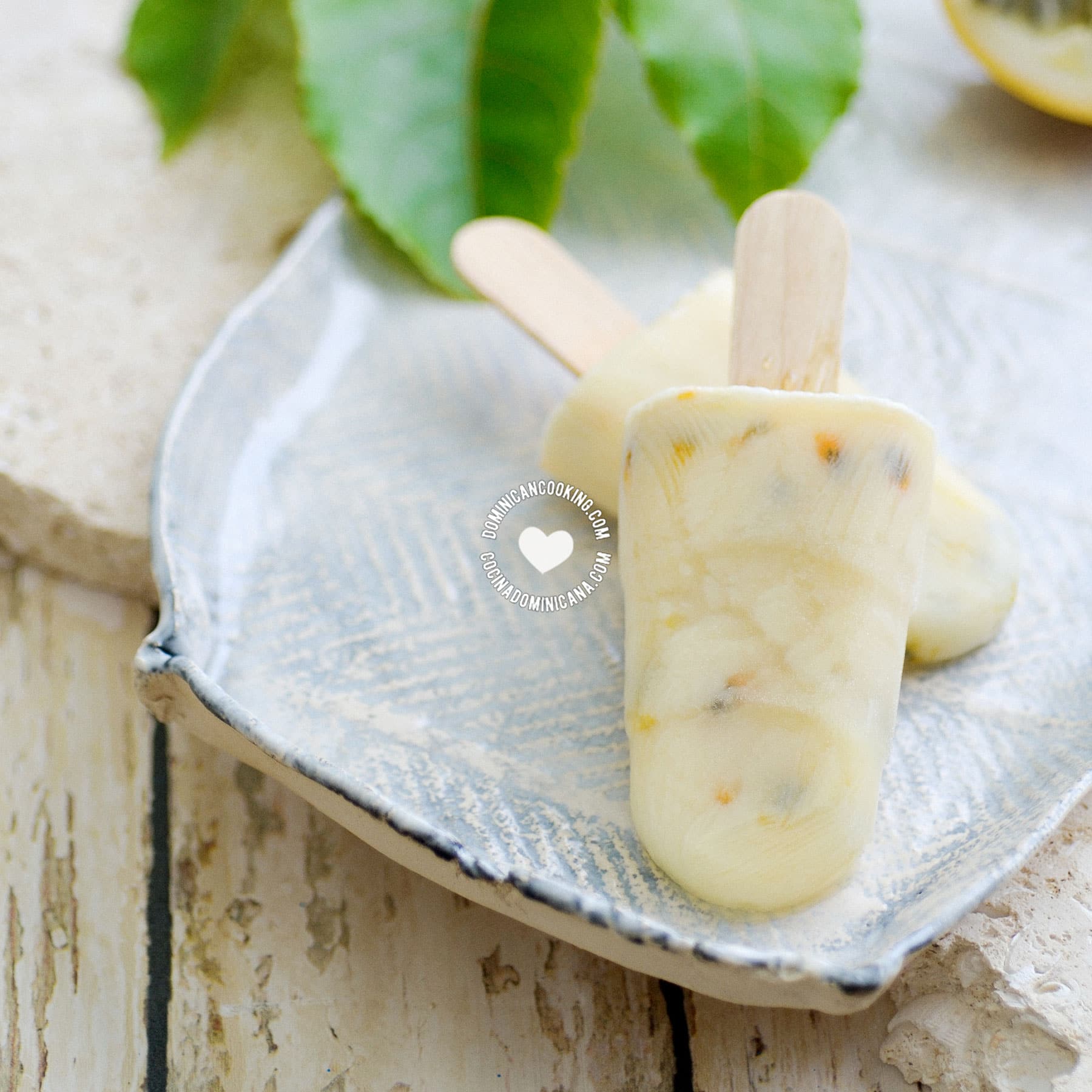
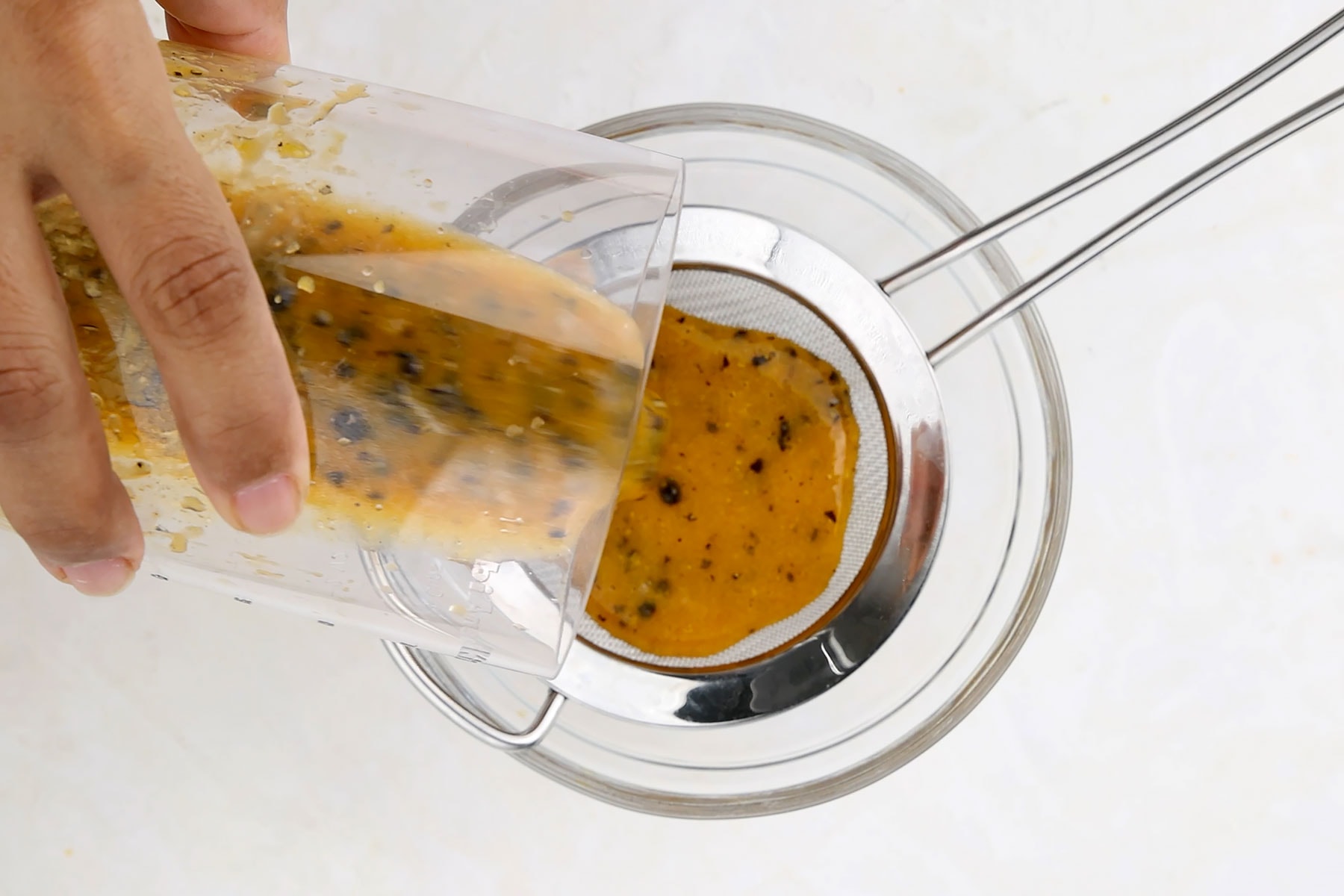
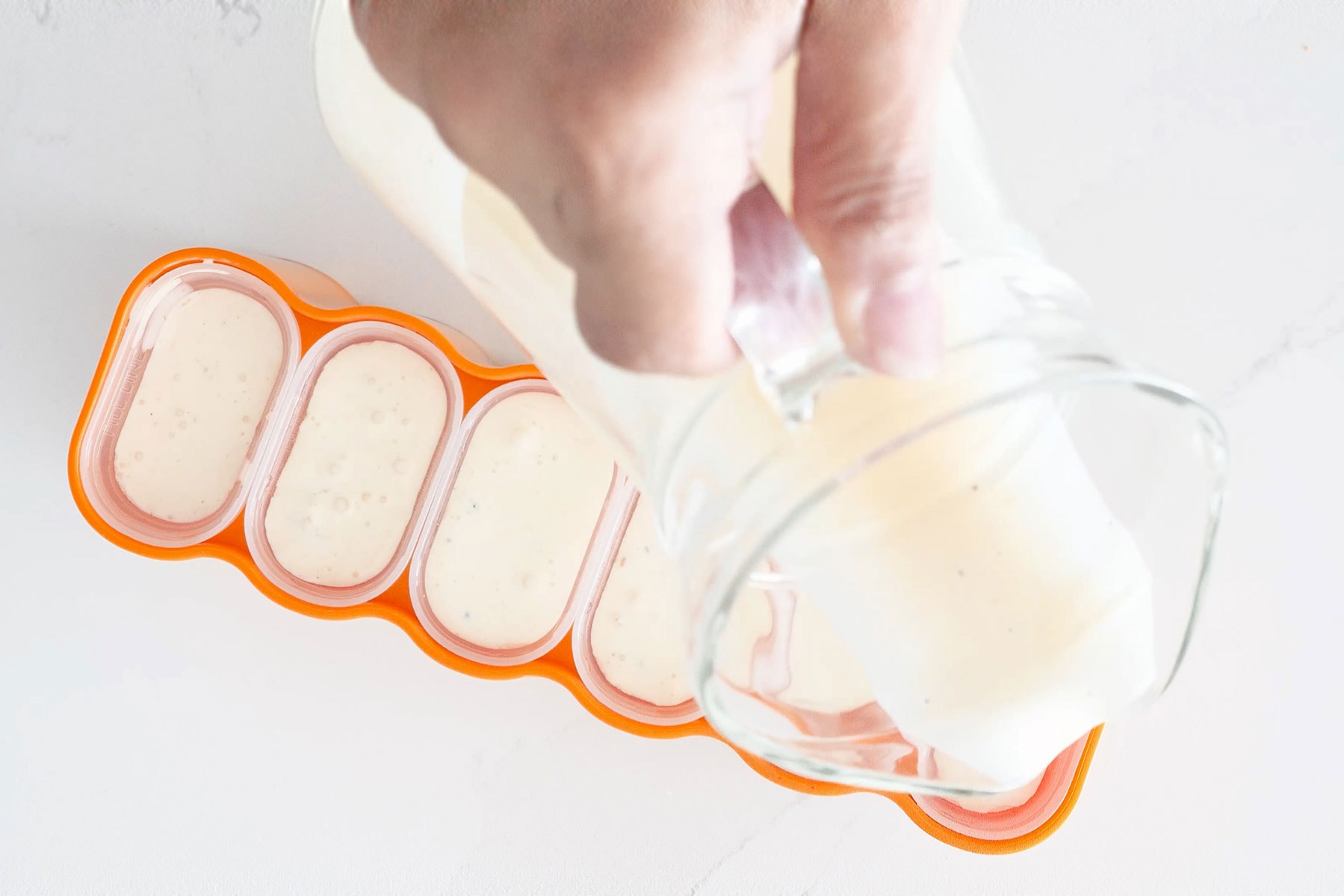
According to food science principles adapted for artisan ice cream production, maintaining the correct ratio of sugar, fat, and liquid prevents the mixture from separating or forming large, unpalatable ice crystals during the freezing process. In recipes curated by culinary platforms such as Dominican Cooking, developers recommend precise chilling steps before pouring the mixture into molds. This ensures that the fats in the milk and the aromatic compounds of the passion fruit integrate smoothly, resulting in a velvety texture that melts evenly on the palate rather than separating into watery and milky layers.
Nutritional Profile and Dietary Adaptations
As consumers increasingly scrutinize the nutritional content of frozen desserts—often laden with artificial colorings, high-fructose corn syrup, and heavy stabilizers—artisan fruit-and-milk popsicles present a cleaner nutritional alternative.
Standard nutritional analyses for a single serving of Paleta de Chinola con leche indicate a caloric load of approximately 211 kilocalories. The treat offers a modest macronutrient breakdown, typically featuring around 49 grams of carbohydrates (largely derived from natural fruit sugars and added sweeteners), 5 grams of protein primarily from the milk base, and roughly 1 gram of total fat. Furthermore, the inclusion of fresh passion fruit introduces dietary fiber—roughly 4 grams per serving—alongside notable quantities of Vitamin A, Vitamin C, calcium, and potassium.
For health-conscious consumers and individuals with dietary restrictions, the recipe’s inherent flexibility allows for seamless adaptations. Traditional cow’s milk can be easily substituted with plant-based alternatives such as almond, coconut, or oat milk, while unrefined cane sugar or agave nectar can replace standard granulated sugar to lower the glycemic index.
Cultural Significance and the Global Rise of Caribbean Cuisine
The growing popularity of Paleta de Chinola con leche reflects a broader consumer interest in authentic, regional Latin American and Caribbean flavors. Over the past decade, mainstream culinary landscapes have moved beyond generalized "Mexican-style" paletas to embrace specific island traditions.
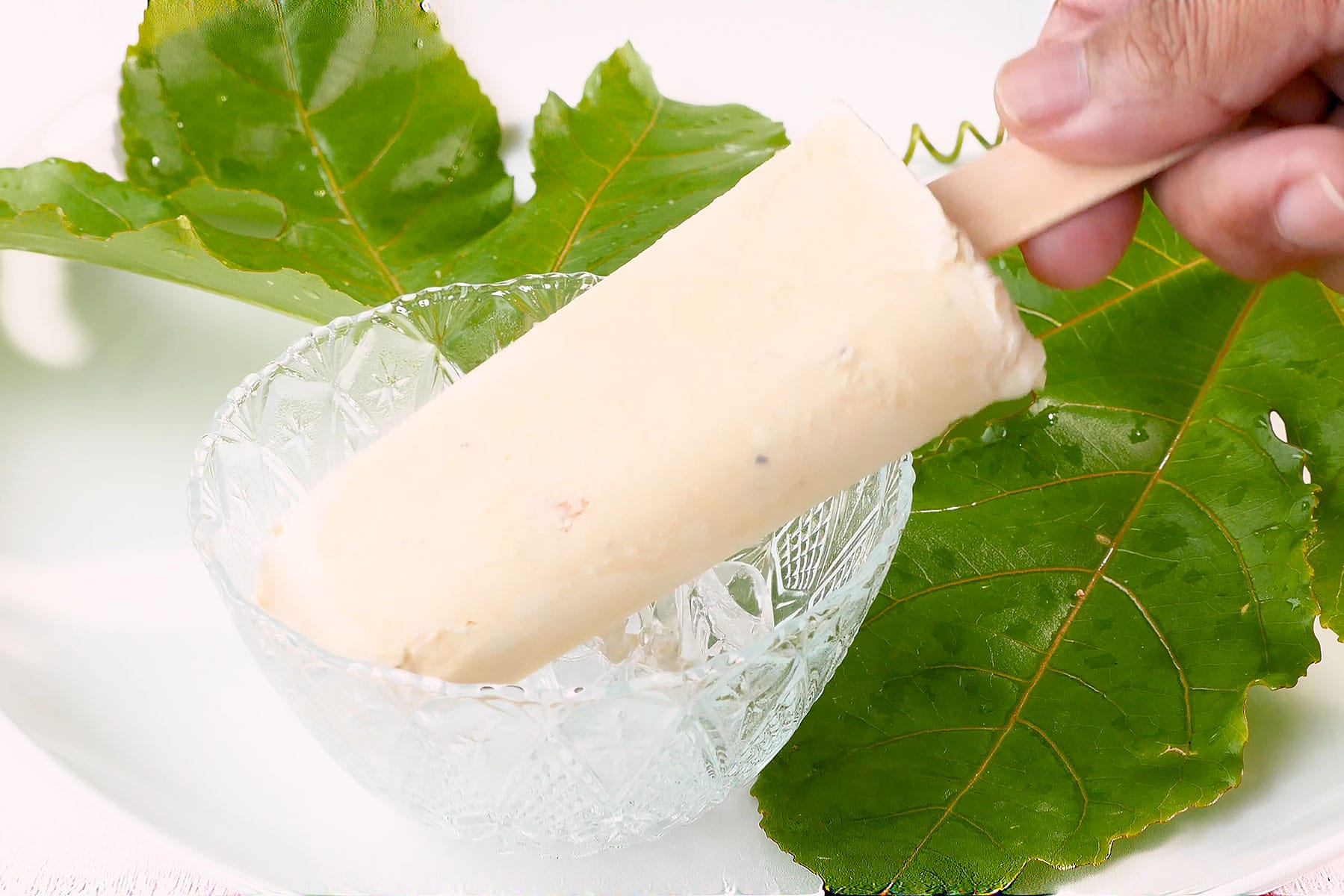
Food anthropologists note that frozen novelties serve as cultural ambassadors. By transforming a drinking ritual (Morir Soñando) into a handheld, portable format (paleta), Dominican culinary traditions are introduced to international audiences who may not have access to traditional Caribbean restaurants. Food festivals, immigrant communities, and digital cooking platforms have played a pivotal role in popularizing these recipes globally, allowing home cooks to replicate authentic island flavors in domestic kitchens using standard silicone popsicle molds and locally sourced ingredients.
Economic and Agricultural Implications of Passion Fruit Production
The spotlight on chinola also brings attention to the agricultural supply chains supporting tropical fruit production. Passion fruit thrives in tropical and subtropical climates, with significant farming operations established across the Caribbean, South America, and parts of Florida and California.
Smallholder farmers often rely on passion fruit as a high-value cash crop due to its strong demand in juice and flavoring markets. However, global climate variability, changing precipitation patterns, and rising temperatures present ongoing challenges for agricultural yields. Analysts in the agricultural sector emphasize that maintaining steady supplies of high-grade passion fruit juice for culinary applications requires investment in resilient farming practices, efficient irrigation, and robust cold-chain logistics to prevent spoilage during transport.
Future Outlook for Traditional Frozen Desserts
As summer temperatures continue to test urban infrastructure and human endurance worldwide, the demand for functional, cooling foods is projected to grow. Traditional refreshments like the Paleta de Chinola con leche offer a sustainable blueprint for modern product development, combining ancestral preservation methods with contemporary nutritional preferences.
Whether prepared at home using traditional family recipes or scaled for artisanal dessert shops, milk and passion fruit popsicles demonstrate the enduring appeal of Caribbean gastronomy. By honoring historical flavor profiles while adapting to modern palates, these frozen treats provide a delicious, scientifically balanced respite from the summer heat—proving that traditional culinary wisdom remains one of the best defenses against a warming world.