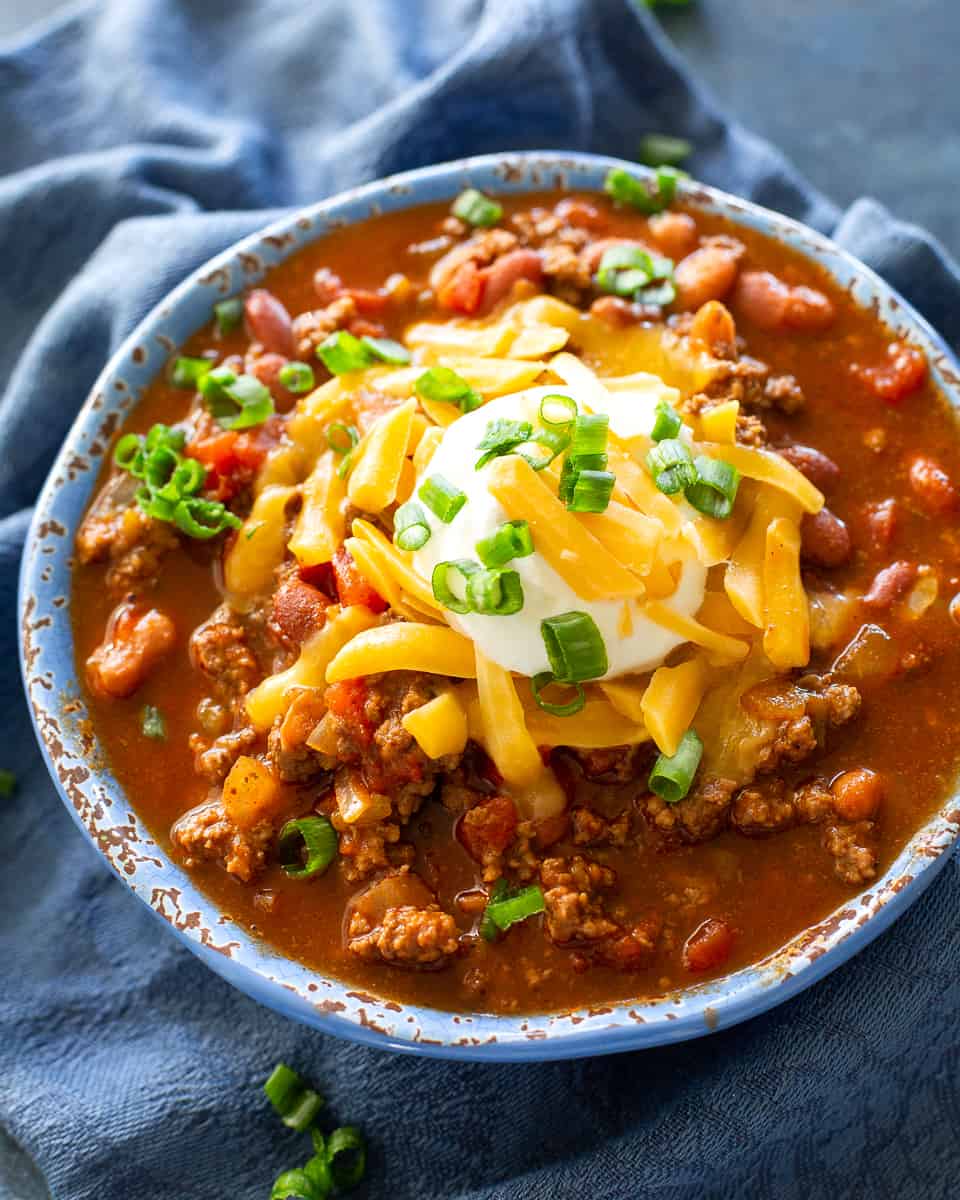
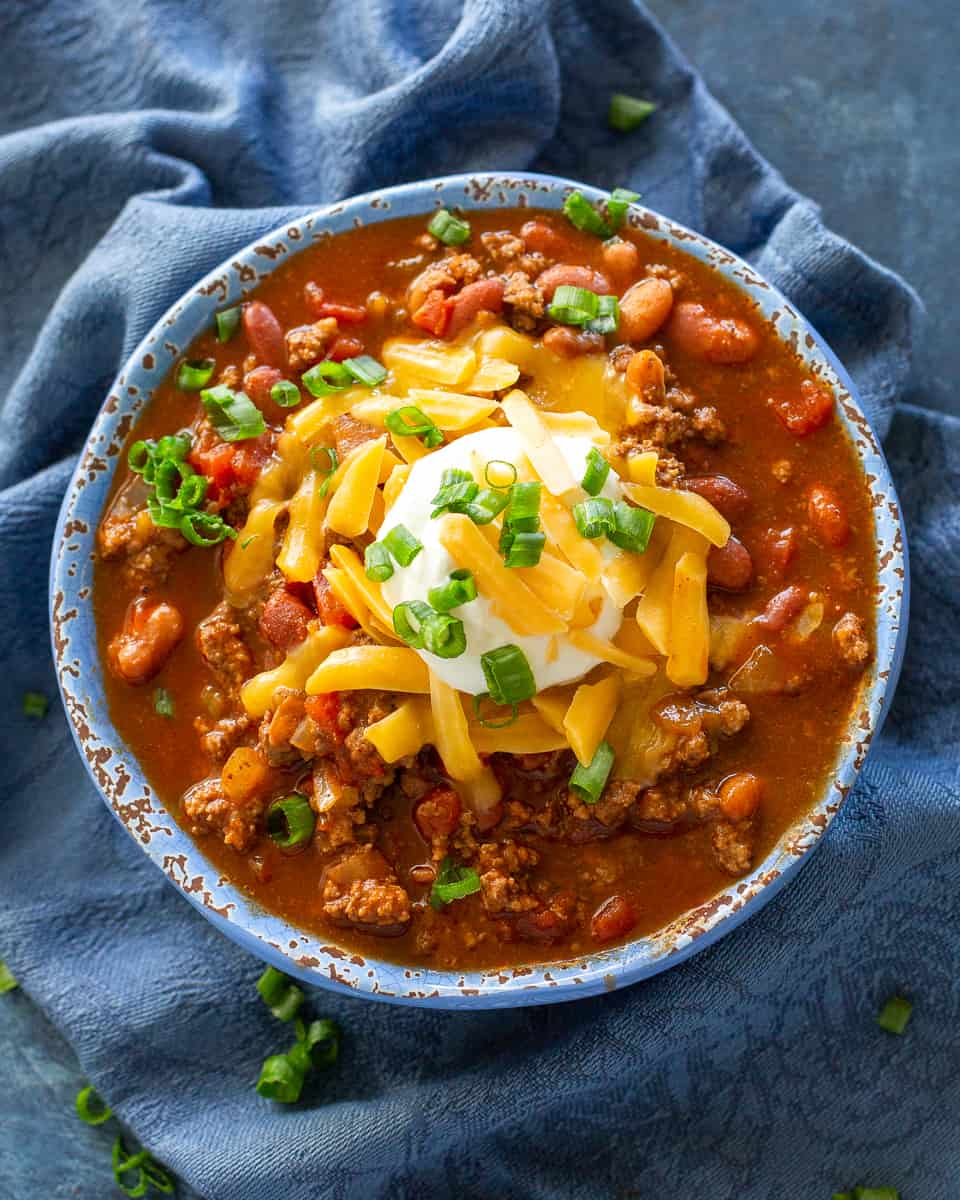
The quest for the definitive bowl of chili is a long-standing tradition in American culinary culture, characterized by a complex interplay of savory beef, hearty legumes, and a robust aromatic profile. While regional variations—ranging from the beanless Texas-style “bowl of red” to the Cincinnati-style served over pasta—dominate local debates, the classic homestyle chili remains the standard for home cooks and institutional kitchens alike. This specific formulation, designed for either stove-top simmering or slow-cooker convenience, relies on a precise balance of ground beef, kidney beans, and pinto beans to achieve a texture that is both substantial and satisfying.
Historical Context and Culinary Evolution
The origins of chili, or chili con carne, are deeply rooted in the American Southwest, with historical records dating back to the mid-19th century. Early iterations were often prepared by trail drivers who utilized dried beef, suet, dried chili peppers, and salt, which were pounded together into a portable block. As the recipe transitioned from campfires to domestic kitchens, the addition of beans became a point of contention among purists. However, from a nutritional and economic standpoint, the integration of legumes—specifically kidney and pinto varieties—has become the hallmark of the traditional "classic" recipe.
This evolution reflects a broader trend in home cooking where the goal is to maximize yield and flavor depth through slow-cooking methods. By allowing the ingredients to simmer, the connective tissues in the beef break down while the spices—typically a blend of chili powder, cumin, garlic, and onion—permeate the beans, creating a cohesive dish that is often cited as a staple of community gatherings and competitive cook-offs.
The Science of Thickening and Ingredient Preparation
A critical point of modern debate in culinary preparation is the handling of canned beans. Conventional wisdom has long suggested that rinsing canned beans in cold water is necessary to remove excess sodium and starches. However, recent analysis from institutions such as America’s Test Kitchen indicates that the liquid contained within the can—often called aquafaba when derived from chickpeas, but similarly starch-rich in other beans—acts as a vital thickening agent.
By retaining this liquid, home cooks can achieve a velvety consistency without the need for additional roux or flour-based thickeners. This technique not only simplifies the preparation process but also preserves the structural integrity of the beans during the long simmering process. Data indicates that when the liquid is incorporated, the starch content of the chili increases, resulting in a more stable emulsion that holds up well during reheating and long-term freezer storage.
Chronology of Preparation and Flavor Development
Achieving the desired flavor profile for a classic chili is a multi-stage process that prioritizes the "melding" phase. Professional chefs and culinary historians often emphasize that the quality of the chili is directly proportional to the time the sauce has to reduce and develop.
- Initial Browning (0–20 minutes): The process begins with the searing of high-quality ground beef. Achieving a deep, dark brown crust—the Maillard reaction—is essential for developing the savory base notes that carry the spices.
- Aromatic Integration (20–30 minutes): Once the beef is browned, the introduction of onions, garlic, and spices allows the volatile oils in the seasonings to release, creating a foundational aroma.
- The Simmering Phase (2–6 hours): Whether performed in a slow cooker on a low setting or on the stove-top at a gentle bubble, the simmering phase is the most critical. This is where the starches from the beans interact with the meat proteins, creating a thickened sauce that binds the disparate ingredients into a singular dish.
- Maturation: It is a commonly observed phenomenon in culinary testing that chili often tastes superior the following day. This is attributed to the continued diffusion of spices into the interior of the meat and beans, a process that is chemically optimized as the dish cools and is then gently reheated.
Supporting Nutritional Data
From a nutritional perspective, this classic chili recipe offers a balanced profile for a main course. Based on a standard serving size, the dish provides a significant amount of high-quality protein, derived from the synergy of animal and plant sources.
- Protein Content: Approximately 16 grams per serving, supported by both the lean beef and the legumes.
- Fiber: The inclusion of kidney and pinto beans ensures a high fiber count, which aids in digestion and satiety.
- Mineral Density: The dish is a notable source of potassium and iron, essential micronutrients that are often lacking in high-processed diets.
- Caloric Efficiency: At roughly 147 calories per serving, the dish is calorie-dense enough to be a hearty meal while remaining flexible for those monitoring their caloric intake through portion control.
Serving Suggestions and Culinary Pairings
The versatility of this dish is further enhanced by the selection of toppings and accompaniments. The acidity of lime, the creaminess of avocado, and the sharp bite of raw green onions serve to cut through the richness of the beef-based sauce. Serving the chili alongside a starch—most commonly a sweet, crumbly cornbread—is a traditional method of balancing the spicy, savory heat of the chili with a complementary flavor profile.
For large-scale events or meal prep, the freezer-friendly nature of this recipe is a significant advantage. Because the flavors are inherently stable, the dish can be stored for up to three months without significant degradation in quality. To ensure the best results upon thawing, it is recommended to reheat the mixture gradually, ensuring the beans do not break down into a puree.
Broader Impact and Implications
The enduring popularity of this specific chili recipe points to a resurgence in interest regarding "scratch" cooking. In an era dominated by convenience foods, the commitment to a multi-hour simmering process represents a deliberate choice to prioritize quality and tradition.
Furthermore, the adaptability of the recipe—allowing for adjustments in spice levels (heat) and the inclusion of various vegetables—makes it a resilient culinary template. It provides a reliable baseline for cooks of all skill levels, ensuring a consistent output that is highly regarded in both domestic and communal settings. As food costs fluctuate, the reliance on affordable staples like canned beans and ground beef ensures that this classic dish remains accessible to a broad demographic, reinforcing its status as a foundational element of the American diet.

In summary, the classic chili recipe is not merely a combination of ingredients, but a study in chemical interaction and culinary timing. By respecting the nuances of bean preparation, allowing for extended cooking times to encourage flavor development, and utilizing traditional toppings to enhance the sensory experience, the modern cook can produce a dish that honors its historical origins while meeting contemporary nutritional and convenience standards. Whether it is prepared for a casual family dinner or a large-scale gathering, the result is a consistent, reliable, and deeply satisfying culinary staple that shows little sign of waning in its cultural or practical importance.