As the autumn season settles in and households transition into busier routines marked by school schedules, professional commitments, and shifting weather, the culinary landscape of the modern American household undergoes a noticeable transformation. Culinary enthusiasts and family lifestyle organizers are increasingly turning toward strategic meal preparation methods to reclaim time and reduce household stress. Among these strategies, batch-cooking and freezer-meal prep have emerged as leading solutions for time-pressed families seeking nutritious, home-cooked meals without the daily burden of scratch cooking during peak evening hours.
The popularity of freezer-meal preparation has seen a steady rise over the past decade, driven largely by lifestyle shifts, economic considerations, and the proliferation of digital platforms dedicated to domestic efficiency. Industry analysts note that contemporary home cooks are continually searching for practical methodologies to streamline household management. By dedicating a minimal amount of time—typically one to two hours per month—to assembling raw or partially cooked ingredients into storage bags for immediate freezing, families can drastically reduce mid-week meal preparation friction. This approach aligns closely with broader consumer trends favoring home-cooked meals over convenience foods or restaurant delivery, balancing the modern demand for speed with the desire for nutritional control.
The Curated October Menu: Versatility and Seasonal Flavors
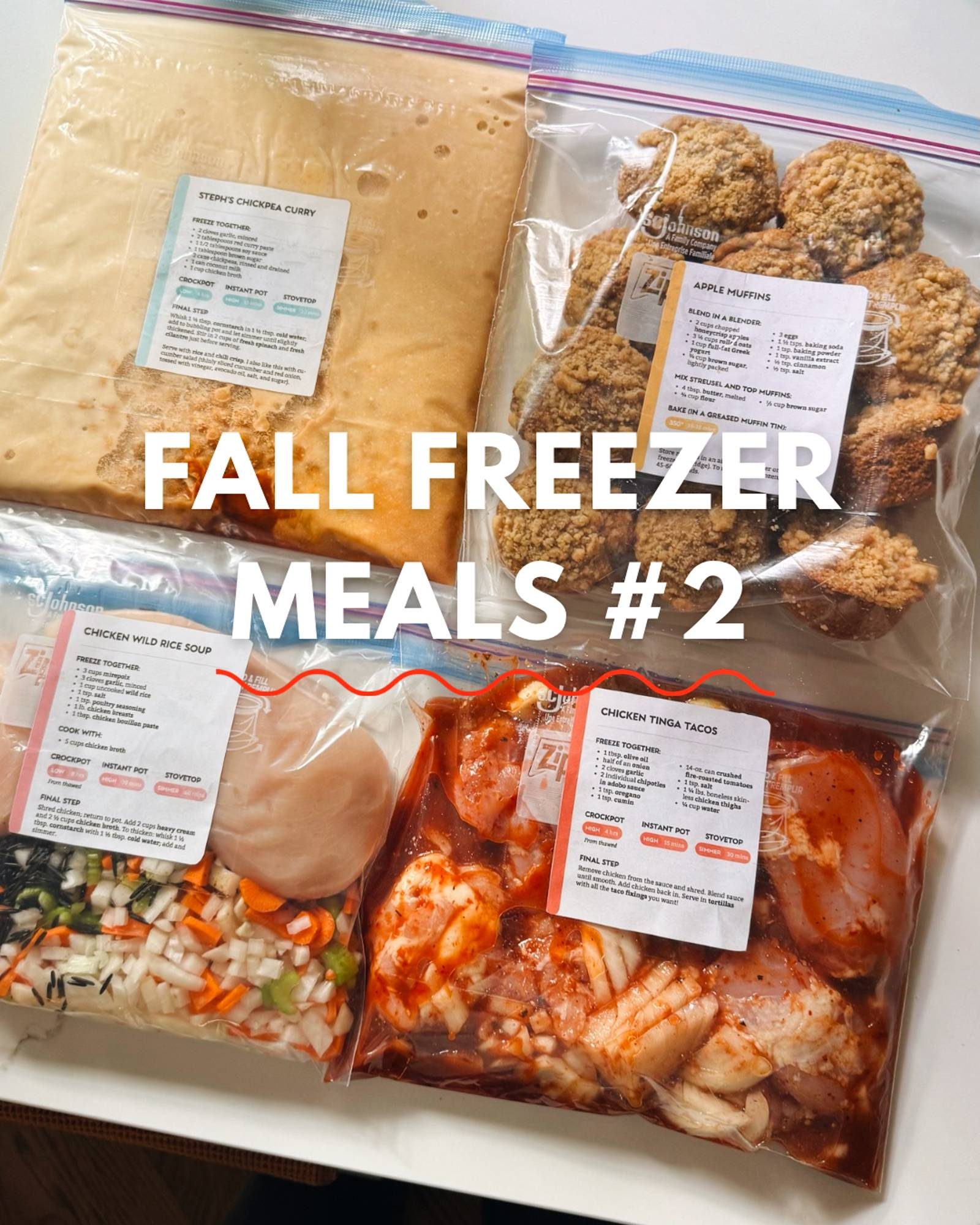
To address the culinary demands of the autumn season, lifestyle content creator and recipe developer Lindsay Ostrom has introduced a comprehensive October fall freezer meal lineup. Designed specifically to leverage seasonal ingredients and comforting flavor profiles, the monthly collection emphasizes versatility, offering adaptation guidelines for multiple modern kitchen appliances, including slow cookers, Instant Pots, and traditional stovetops.
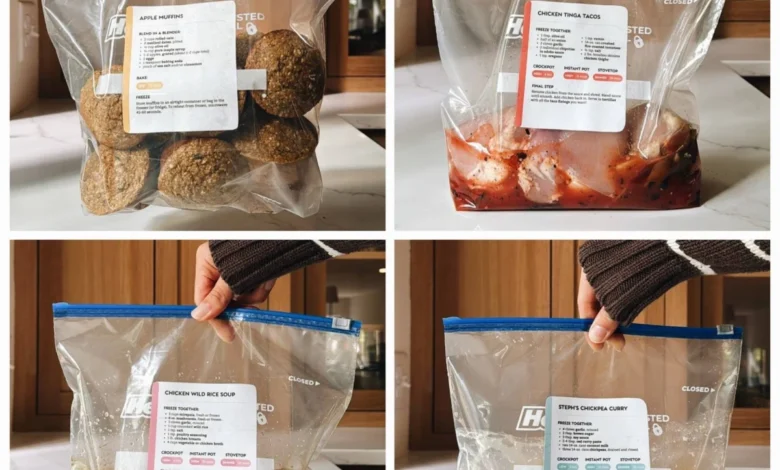
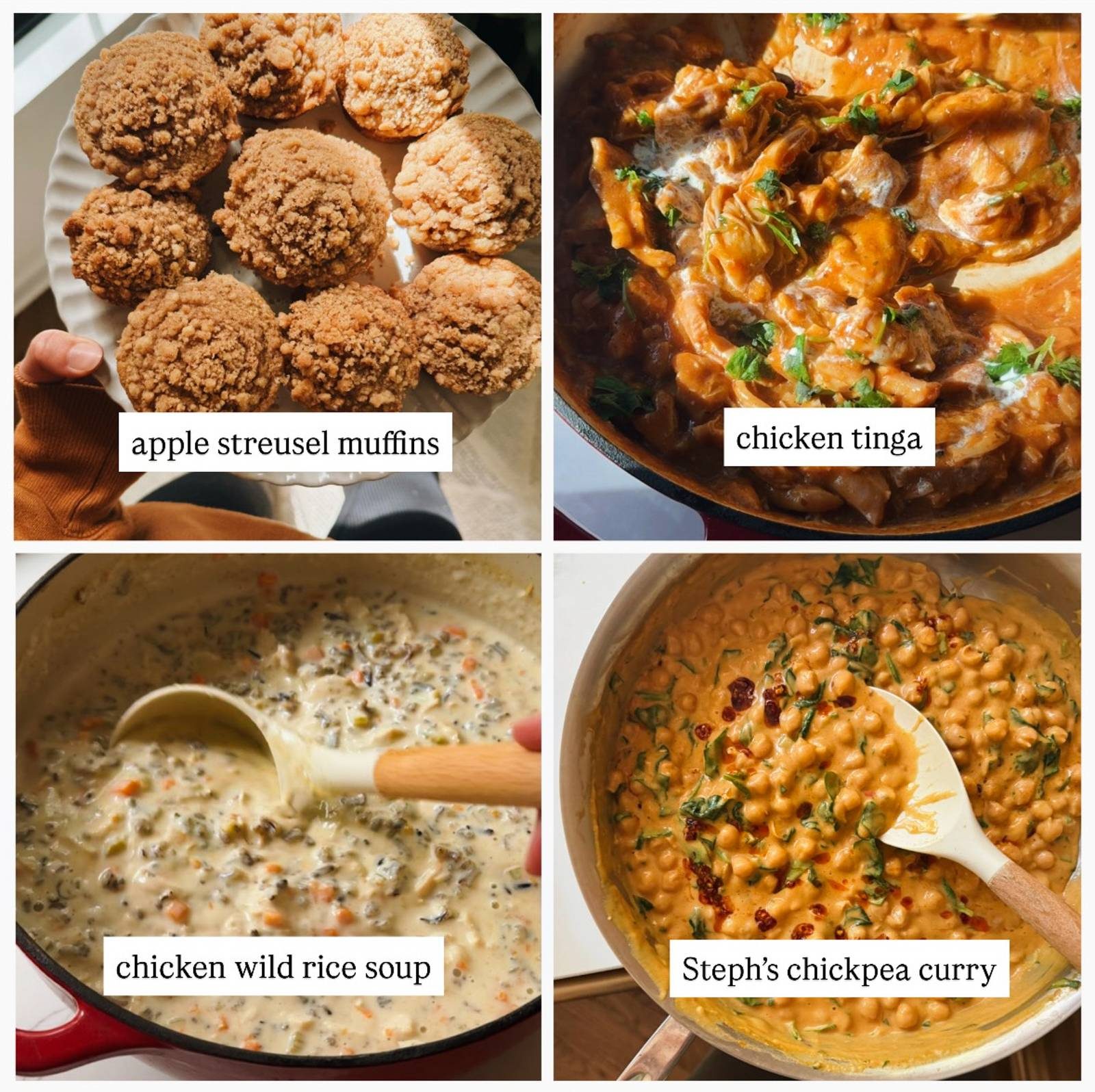
The October release features four distinct recipes curated to satisfy varied palates while maintaining ease of execution:
-
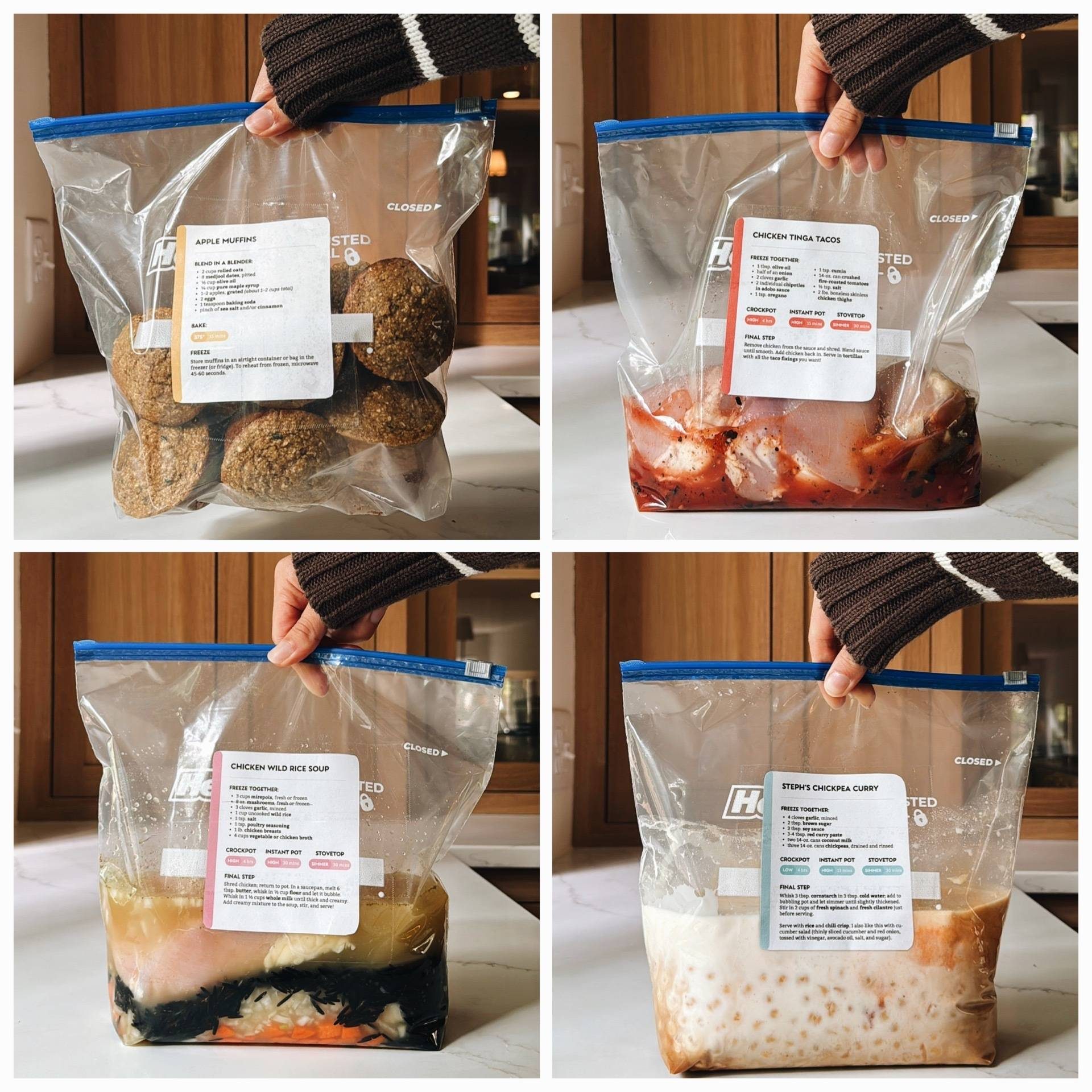
Apple Streusel Muffins: Yielding 16 to 18 portions, these baked goods incorporate a blend of autumn fruits and a traditional crumb topping composed of melted butter, brown sugar, and flour. Designed for straightforward reheating via microwave from a frozen or refrigerated state, the muffins serve as an efficient breakfast or snack solution.
-
Chicken Tinga Tacos: Serving four individuals, this recipe combines protein and flavorful sauce ingredients into a single freezer bag. Cooking options range from a four-hour high-setting slow cooker cycle to a 15-minute high-pressure Instant Pot routine from frozen, concluding with shredded chicken folded into warm tortillas alongside conventional toppings.

-
Chicken Wild Rice Soup: Formulated for larger households or gathering settings, this recipe yields 10 servings. Requiring the addition of chicken broth prior to cooking—ranging from eight hours on low in a slow cooker to 30 minutes in an Instant Pot—the soup is finished with heavy cream and a cornstarch slurry to achieve a desired consistency.
-
Steph’s Chickpea Curry: A plant-forward option yielding four servings, this curry incorporates legumes and aromatic spices. It can be prepared via a four-hour slow cooker cycle or a 13-minute pressure cook, finished with fresh spinach, cilantro, and served alongside rice and chili crisp.
Operational Methodology: Labels, Grocery Lists, and Resource Optimization
A critical component of modern meal-prep systems is the reduction of cognitive load during execution. To achieve this, the October freezer meal initiative incorporates standardized printable bag labels and consolidated grocery lists. By integrating preparation instructions and ingredient inventories directly onto physical labels attached to storage bags, cooks can eliminate the need for digital device interaction during the kitchen workflow. This analog integration within a digitally managed hobby space addresses common user frustrations regarding screen management while handling raw food products.
From a nutritional and economic standpoint, structured meal preparation offers measurable benefits. Nutritional scientists and public health advocates frequently emphasize that home-prepared meals generally contain lower sodium, fewer processed additives, and better portion control compared to commercial convenience products. Furthermore, bulk purchasing of foundational ingredients—such as root vegetables, legumes, poultry, and grains—can yield significant household budget savings, a factor of heightened importance amid broader economic fluctuations affecting consumer grocery expenditures.
Broader Implications for Domestic Labor and Modern Time Management
The adoption of systematic freezer cooking reflects a wider cultural conversation regarding domestic labor, time poverty, and the distribution of household responsibilities. Sociologists studying contemporary domestic trends point out that modern parents face unprecedented pressures to balance professional careers with intensive parenting standards. Meal planning and batch cooking serve as operational tools that alleviate the daily decision fatigue associated with answering the perennial question of evening meal composition.
Moreover, the cross-compatibility of these recipes with modern countertop appliances—particularly multi-cookers and slow cookers—underscores the intersection of culinary tradition and technological advancement. By shifting the timeline of meal creation from active evening hours to proactive weekend or monthly preparation windows, households can reclaim evening hours for family engagement, rest, or administrative tasks.
As consumer interest in domestic efficiency remains robust, structured monthly meal-prep guides are expected to retain their prominence within lifestyle media. The combination of seasonal adaptation, multi-appliance compatibility, and systematic resource organization provides a replicable framework for households navigating the complexities of modern scheduling.