Beef Stew: A Comprehensive Analysis of Culinary Evolution and Home Cooking Trends

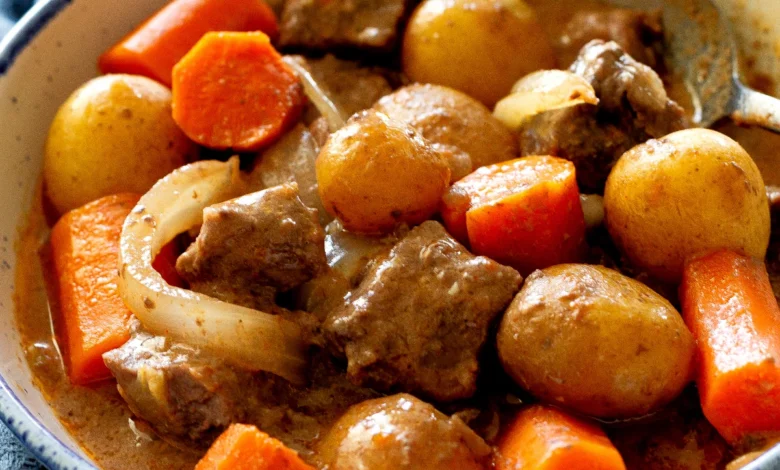
The culinary landscape of the American home kitchen has undergone a significant transformation over the past two decades, transitioning from a reliance on pre-packaged, convenience-focused meals to a resurgence of interest in traditional, slow-cooked comfort foods. Among these, the classic beef stew remains a staple, serving as a case study for how simple, hearty recipes can adapt to modern appliances like the slow cooker and the conventional oven. While traditional recipes often rely on complex stocks and lengthy searing processes, contemporary iterations, such as the one popularized by food blogger Christy Denney, demonstrate a shift toward accessible, pantry-friendly ingredients that prioritize convenience without sacrificing the nutritional profile of the dish.
Historical Context of the Beef Stew
Beef stew is a dish with deep historical roots, dating back to the earliest civilizations where the act of boiling tougher cuts of meat with vegetables was a primary method of tenderizing protein. Throughout the 20th century, the dish became a fixture of American domestic life, often associated with post-World War II suburban living where "one-pot" meals were favored for their ability to feed families efficiently.
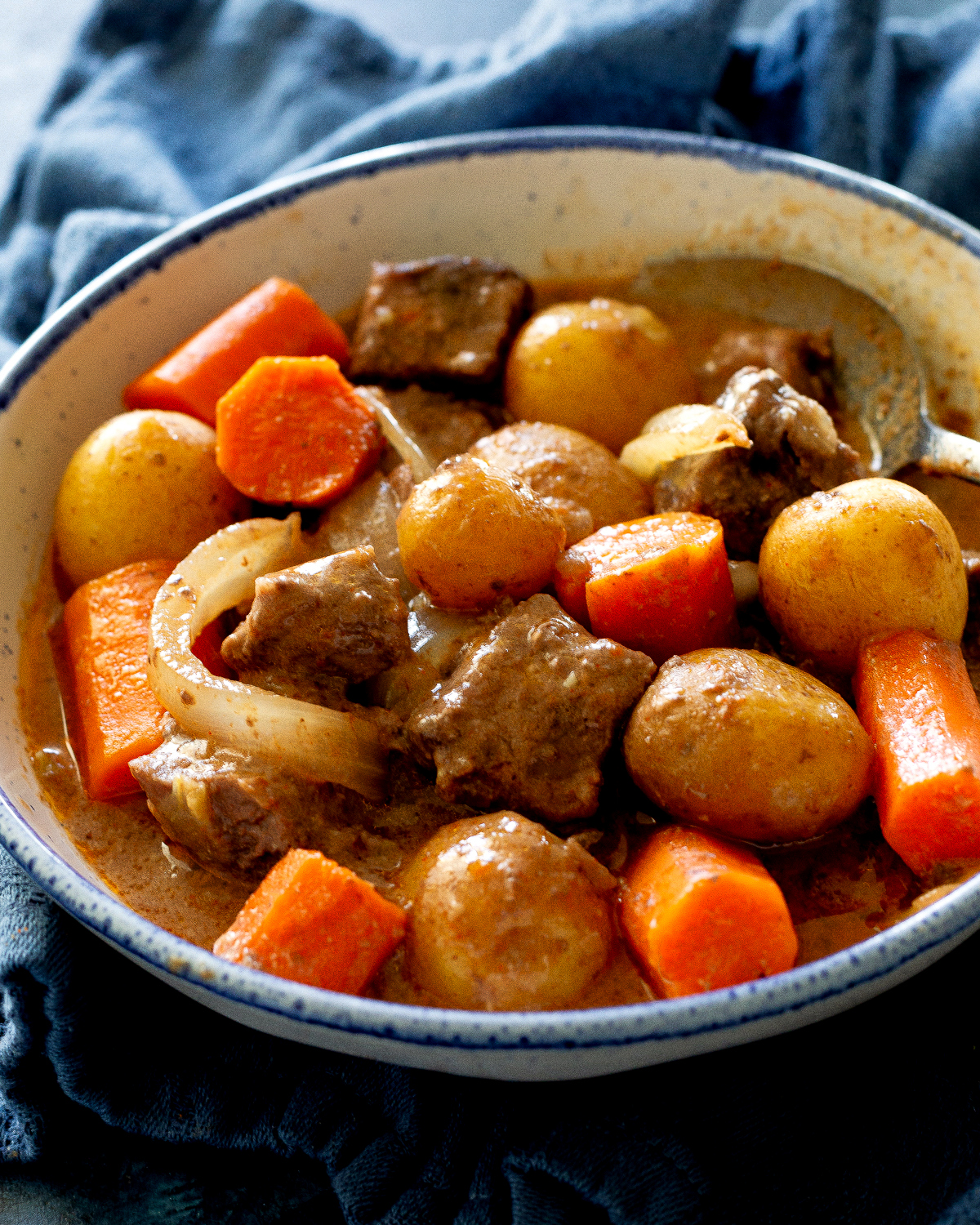
In the early 2000s, the rise of the internet-based food blog movement, spearheaded by figures such as Denney, began to democratize cooking knowledge. The evolution of the recipe, which notably incorporates unconventional ingredients such as ketchup and cream of celery soup, reflects a broader trend in American home cooking: the "hack" culture. By utilizing processed staples to build flavor profiles quickly, home cooks are able to replicate the depth of a dish that might otherwise require several hours of professional-grade culinary technique.
Technical Evolution: Oven vs. Slow Cooker
The dichotomy between oven-baked and slow-cooked preparations represents a pivotal point in culinary methodology. Modern laboratory analysis of meat protein structures indicates that collagen—the primary cause of toughness in beef chuck or stew meat—begins to hydrolyze into gelatin at temperatures between 160°F and 180°F.
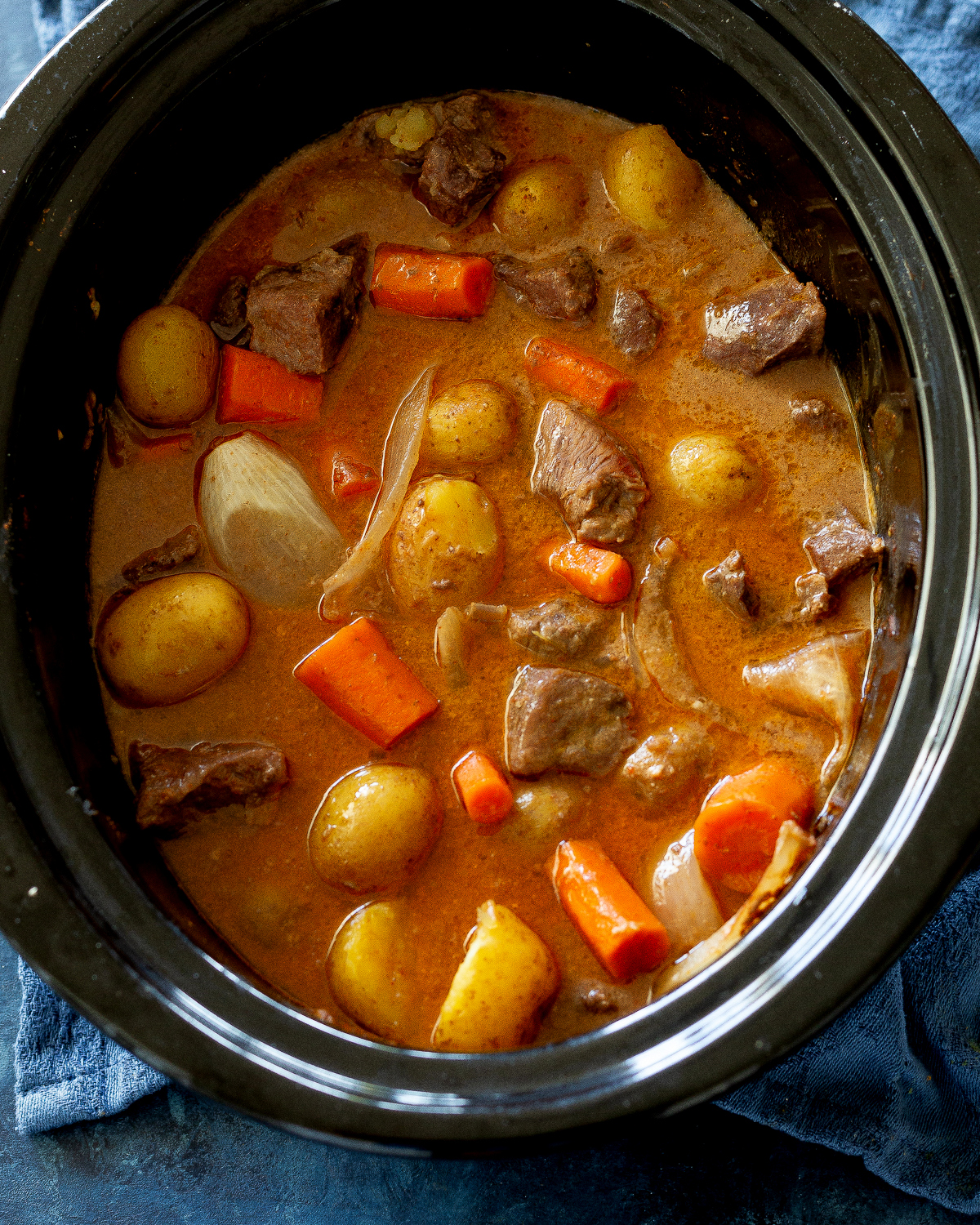
When utilizing a slow cooker, the heat is applied consistently over a period of six to ten hours, allowing for a gradual breakdown of connective tissues. This method is statistically preferred by households with demanding schedules, as it minimizes the risk of overcooking the vegetables while maximizing the tenderness of the meat. Conversely, the oven-baking method provides a more uniform distribution of heat through convection, which often results in a thicker, more reduced sauce. This technical difference highlights why beef stew remains a versatile recipe: the end result is largely dictated by the thermodynamic environment of the cooking vessel rather than the strict adherence to a single traditional recipe.
The Rise of Pantry-Based Cooking
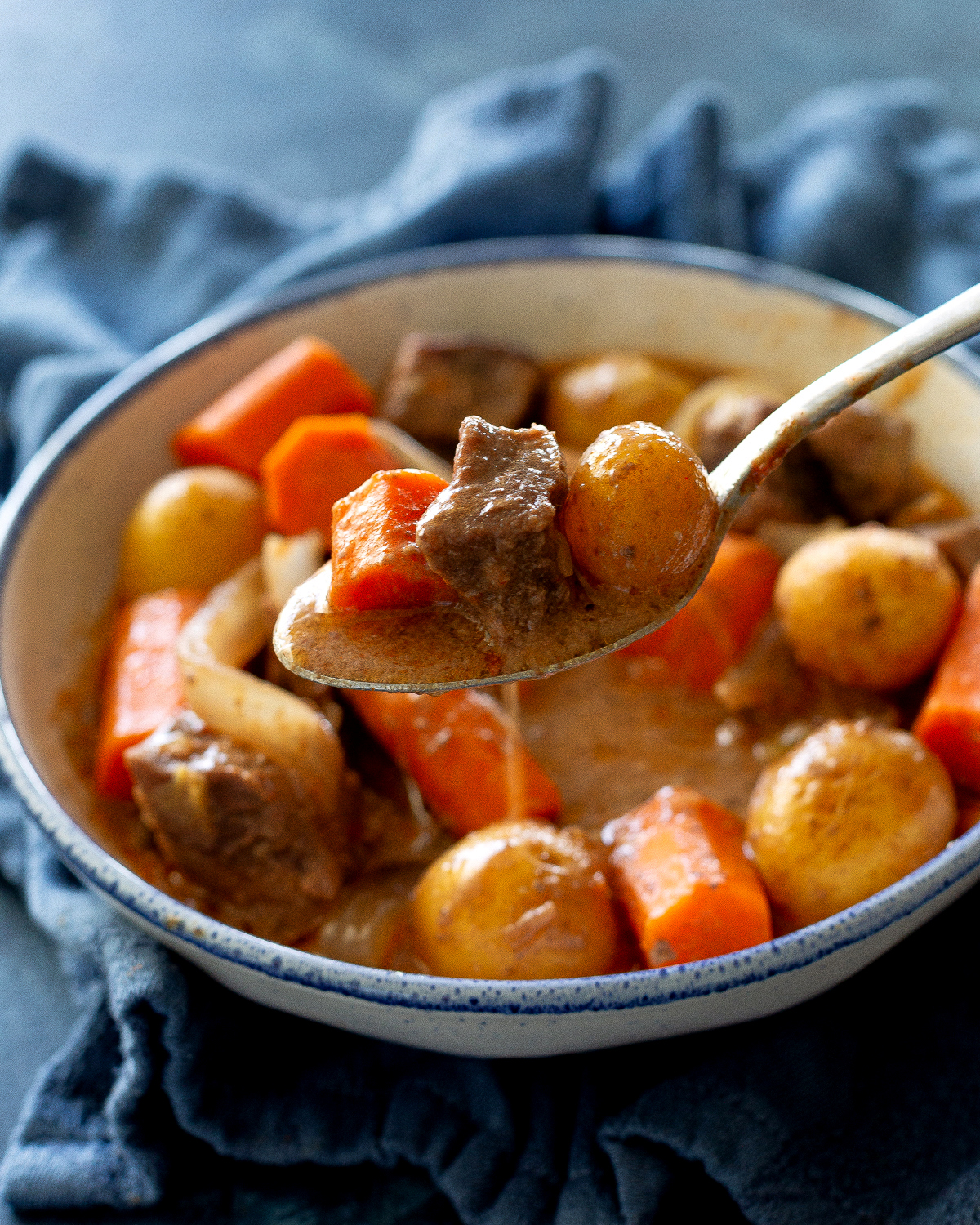
The inclusion of ingredients like ketchup and cream-based canned soups is a subject of ongoing debate within the culinary community. From a nutritional standpoint, these additions increase the sodium and sugar content of the dish; however, from a functional perspective, they act as an emulsifier and a thickening agent.
Ketchup provides a balanced combination of acidity, sweetness, and tomato-based umami, which serves as a shortcut for the classic mirepoix and tomato paste base found in traditional French boeuf bourguignon. Similarly, cream of celery soup provides a ready-made roux, thickening the stew and adding a depth of savory vegetable flavor that would otherwise require a time-intensive reduction process. This approach is highly indicative of the "quick-scratch" cooking trend that gained momentum during the late 2000s and continues to influence modern recipe development.
Chronology of Recipe Development
The development of accessible, home-friendly beef stew recipes can be traced through several key phases:
- 1950s–1980s: The era of "Can-opener" cooking, where convenience products were the primary vehicle for meal preparation.
- 1990s–2005: A shift toward "Gourmet Home Cooking," with a focus on fresh ingredients and the slow-food movement, which briefly discouraged the use of processed soups and sauces.
- 2006–2015: The "Blogosphere" era, where home cooks shared personal anecdotes and hybrid recipes. This period saw the normalization of combining fresh proteins with processed flavor bases.
- 2016–Present: The "Appliance-Driven" era, characterized by the ubiquity of multi-cookers, which has made the "set-and-forget" style of beef stew preparation the industry standard for time-crunched families.
Socio-Economic Implications of Home Cooking
The shift in cooking habits is not merely a matter of taste; it is a response to the changing socio-economic landscape of the American household. With the increase in dual-income families, the time allocated for daily food preparation has decreased significantly. Data from the Bureau of Labor Statistics suggests that the average time spent on food preparation has shifted toward methods that allow for multitasking.
The adoption of slow cooker beef stew allows individuals to prepare a meal in the morning, thereby avoiding the time-intensive tasks of chopping, searing, and simmering during the high-stress evening hours. This transition is reflective of a broader societal need to reclaim the dinner table while balancing the constraints of the modern workforce. The "success" of a recipe, in this context, is measured not by its adherence to classical culinary standards, but by its reliability, ease of execution, and the ability to bridge the gap between amateur cooking and high-quality outcomes.
Official Perspectives and Public Reception
While professional chefs often critique the use of canned soups in stew, the public response to these "shortcut" recipes has been overwhelmingly positive. Consumer feedback on various digital platforms indicates that the primary driver for recipe adoption is the accessibility of ingredients. For many, the hurdle to cooking a from-scratch meal is the perceived complexity of sourcing and combining specific aromatics. By simplifying the ingredient list, recipes like the one described become gateways for novice cooks to gain confidence in the kitchen.
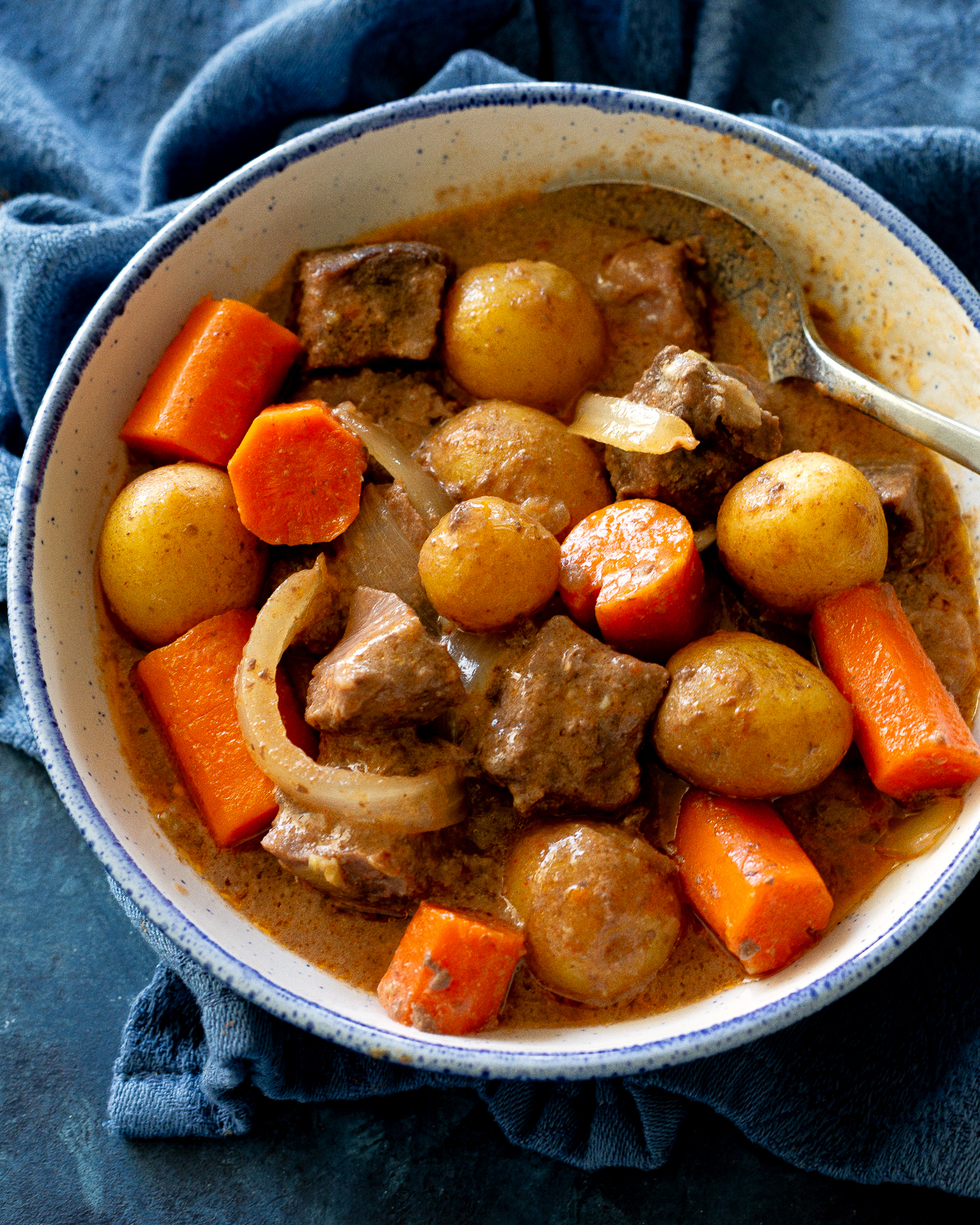
Furthermore, the sentimentality associated with these recipes—often passed down from roommates, family members, or friends—serves to solidify their place in the domestic repertoire. The psychological satisfaction derived from creating a meal that is perceived as "hearty" and "comforting" outweighs the aesthetic or technical critiques often leveled by the culinary elite.
Broader Impact and Future Outlook
As we look toward the future of home cooking, the trajectory suggests a continued integration of technology and convenience. Smart slow cookers with Wi-Fi integration and precision temperature control are likely to further refine the beef stew process, allowing for even greater consistency. However, the core of the dish remains unchanged: the transformation of inexpensive, tough cuts of meat into a tender, nutrient-dense meal remains a hallmark of efficient kitchen management.
The legacy of the traditional beef stew, adapted for the modern era, serves as a reminder that cooking is a dynamic practice. It is a field that must constantly reconcile the desire for high-quality, traditional flavors with the realities of modern life. Whether prepared in a cast-iron Dutch oven or a digital slow cooker, the dish continues to provide a vital service to the household: the creation of a communal, nourishing experience that transcends the simplicity of its individual components. As the culinary industry continues to evolve, these hybrid recipes will likely remain at the forefront of the American home cooking experience, proving that excellence in the kitchen is defined not by the complexity of the process, but by the utility and enjoyment of the final product.