The Culinary Science of Flavor Pairing
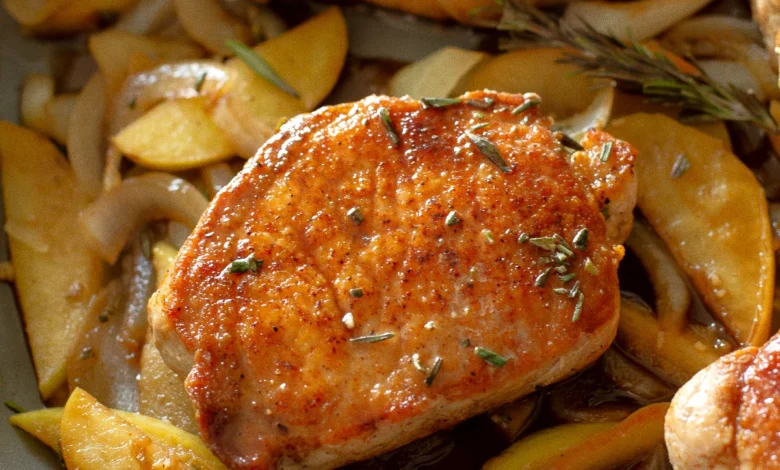
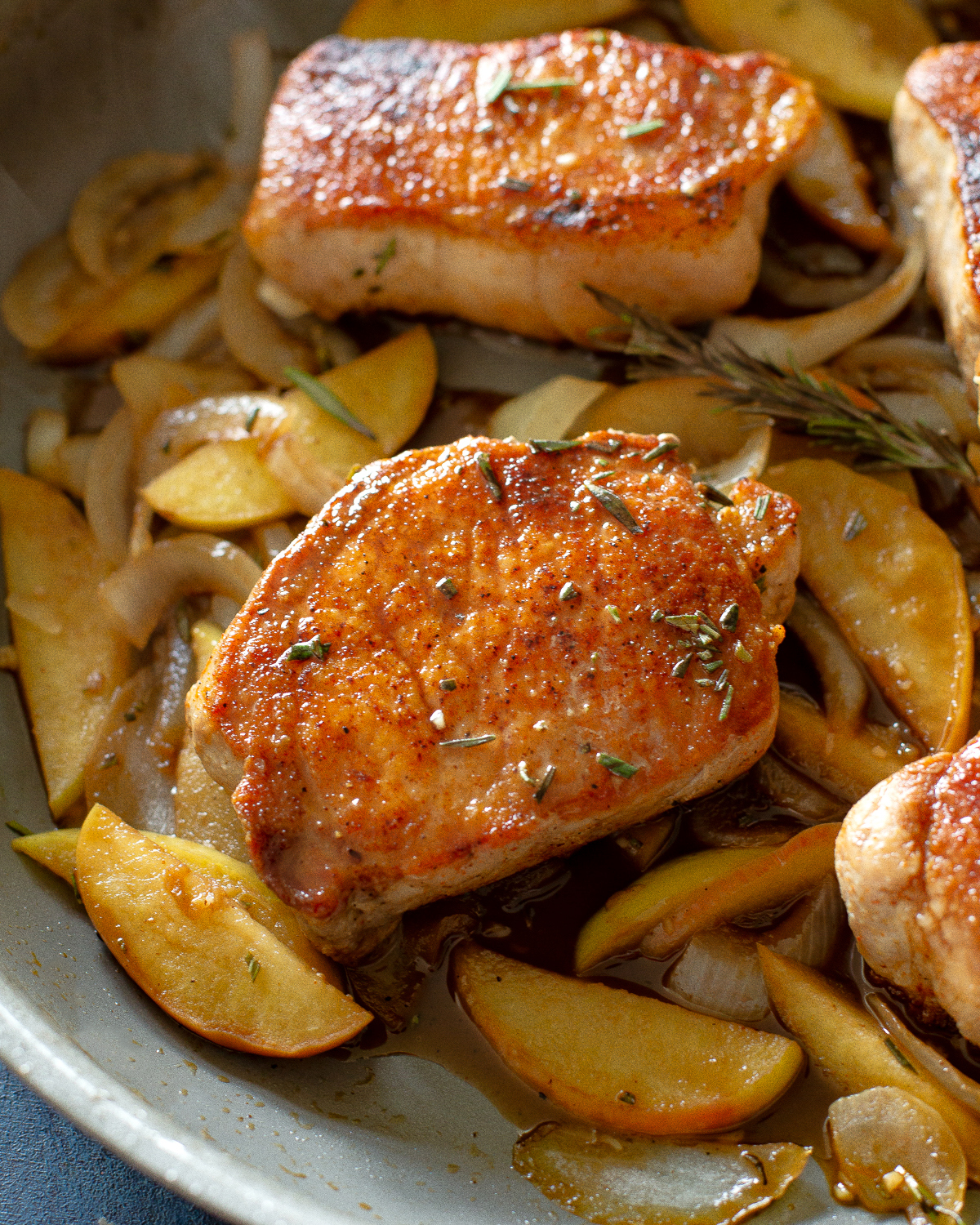
The pairing of pork and apples is rooted in fundamental culinary chemistry. Pork, particularly center-cut or rib-bone varieties, possesses a relatively high fat content and a mild, savory flavor profile. Apples, specifically varieties that maintain structural integrity when exposed to high heat, provide a necessary contrast of tartness and natural sugars. When cooked in a single skillet, the fond—the browned bits left behind after searing the meat—serves as the foundation for the sauce. The addition of apple cider acts as a deglazing agent, lifting these caramelized proteins and incorporating them into a reduction that bridges the gap between the meat’s richness and the fruit’s brightness.
The inclusion of balsamic vinegar introduces a complex acidity that cuts through the buttery undertones of the dish. Research into flavor pairing suggests that the volatile compounds found in rosemary, a woody herb, provide a bridge between the savory onion components and the sweetness of the fruit. This creates a rounded sensory experience, making the dish a popular selection for fall-themed menus.
Selecting Quality Ingredients
The success of this dish relies heavily on the quality and preparation of the primary protein. Culinary experts recommend purchasing bone-in rib or center-cut pork chops that measure between 1 to 1.5 inches in thickness. The physical characteristics of the meat are critical indicators of potential moisture retention; consumers are advised to look for meat that features a light pink-to-red hue and visible marbling.
Thinly sliced pork chops are prone to rapid dehydration. Because the surface area of a thin chop is large relative to its mass, the internal temperature often reaches the recommended safety threshold of 145°F (63°C) before the exterior can achieve the Maillard reaction—the chemical process responsible for the golden-brown crust and complex flavors of seared meat. By opting for thicker cuts, cooks can achieve a superior sear on the exterior while maintaining a succulent, tender interior.
Regarding the produce, not all apple varieties are suitable for skillet cooking. Varieties that are soft or high in pectin, such as McIntosh or Gala, tend to break down into a puree when heated. For a sautéed application, culinary standards dictate the use of firm-fleshed, crisp apples such as Honeycrisp, Pink Lady, or Braeburn. These cultivars are bred to retain their shape, providing a textural contrast to the tender pork.
Chronology and Preparation Methodology
The preparation of this dish typically follows a streamlined, 30-minute timeline designed for high-efficiency weeknight cooking.
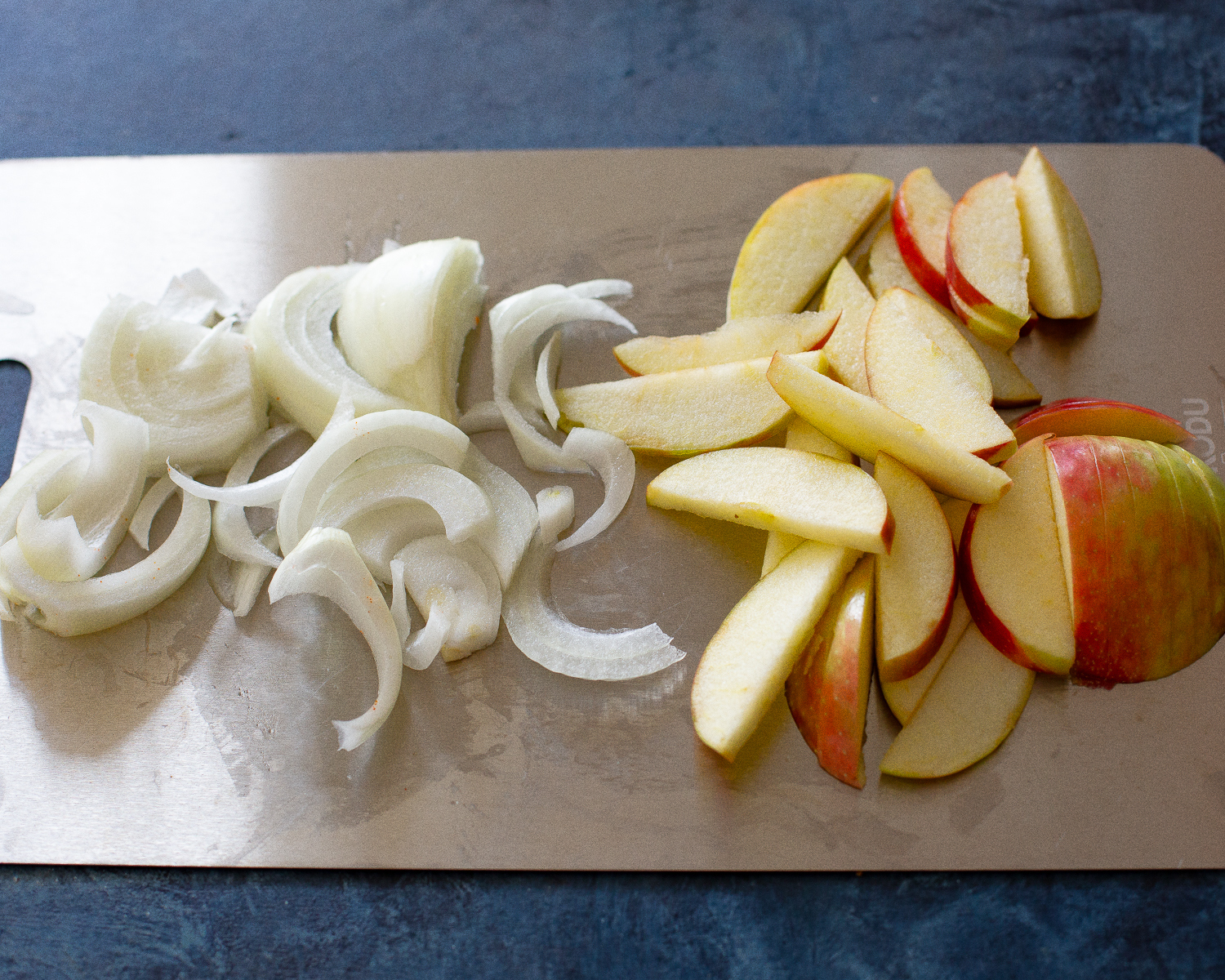
- Preparation (Minutes 0–5): The process begins with seasoning the pork chops and preparing the onions and apples. Onions should be sliced thinly to ensure they soften at the same rate as the fruit.
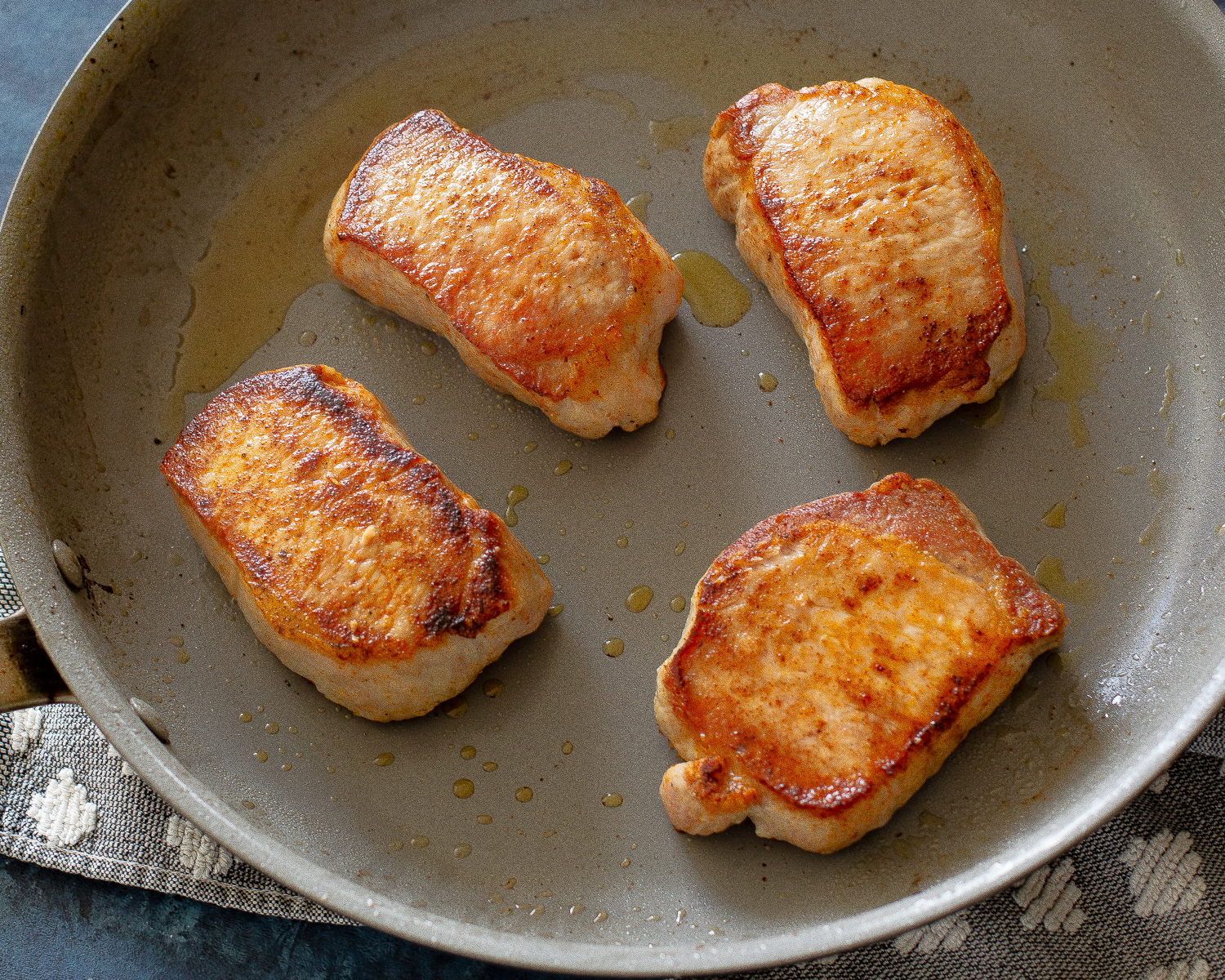
- Searing (Minutes 5–15): The pork is placed into a preheated, heavy-bottomed skillet—cast iron is preferred for its heat retention properties. The chops are seared until golden brown on both sides.
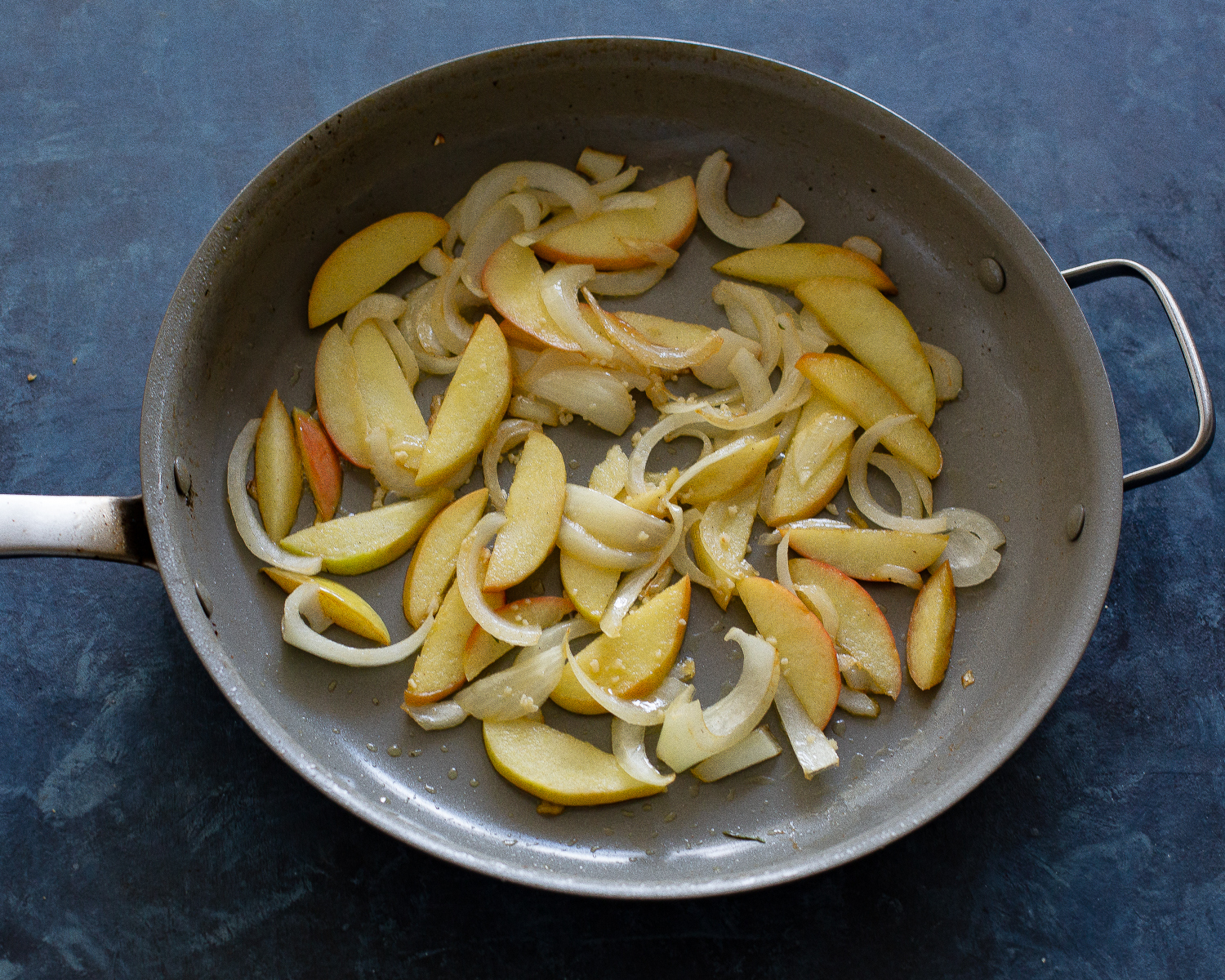
- Deglazing and Reduction (Minutes 15–25): Once the pork is removed, the onions and apples are added to the remaining drippings. The apple cider and balsamic vinegar are introduced to deglaze the pan. The liquid is allowed to reduce, thickening into a glaze.
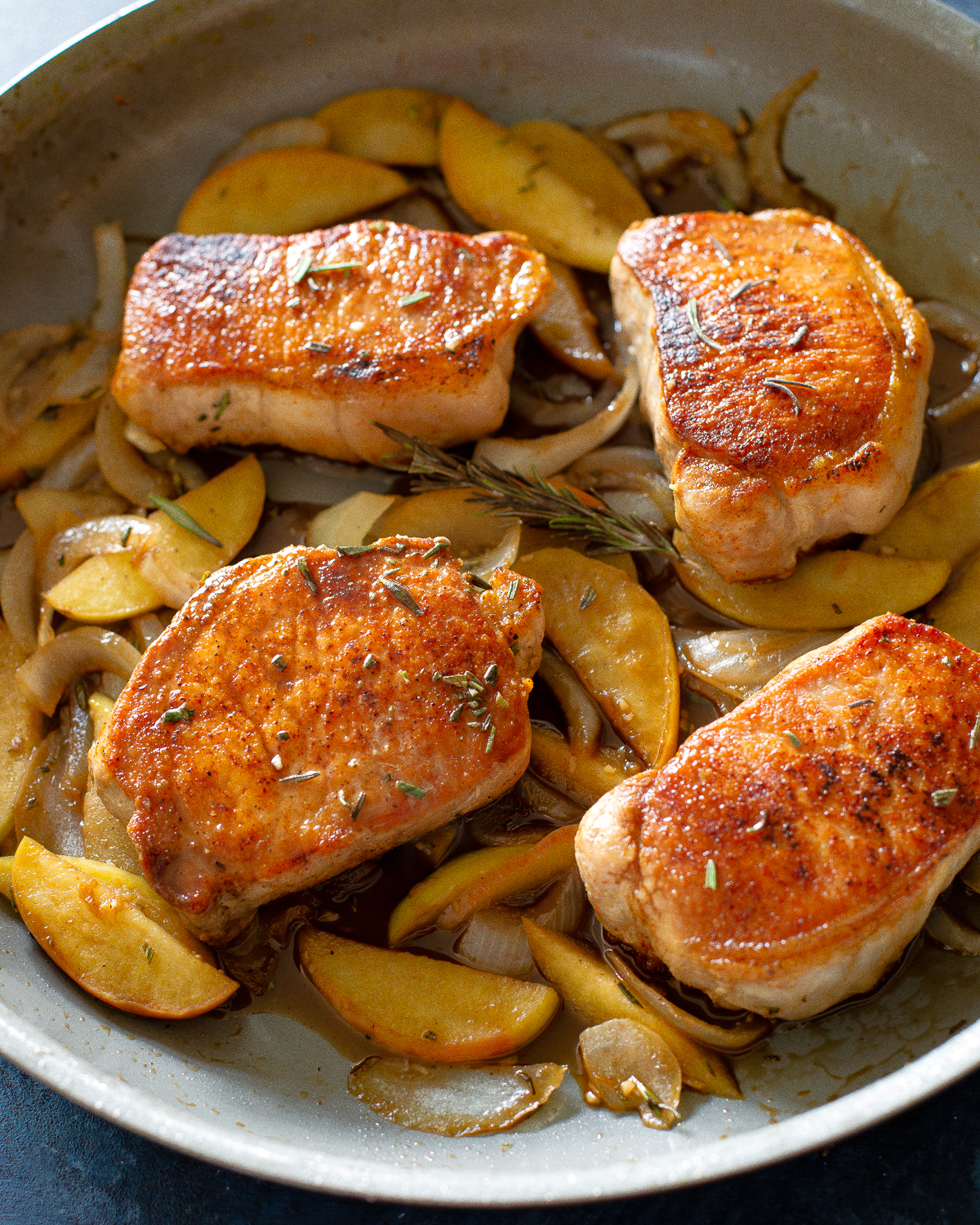
- Final Integration (Minutes 25–30): The pork is returned to the skillet to finish cooking through the heat of the sauce, allowing the flavors to permeate the meat.
Nutritional Context and Health Implications
From a nutritional standpoint, pork provides a significant source of high-quality protein, B-vitamins, and essential minerals such as zinc and selenium. When paired with apples, the dish introduces dietary fiber and antioxidants. However, the caloric density of the meal is largely determined by the fat content of the cooking medium (typically butter or oil) and the sugar content in the cider reduction.
Recent health trends emphasize "whole-food" cooking, which prioritizes unprocessed ingredients. This recipe aligns with that paradigm by relying on fresh produce and simple proteins rather than pre-packaged, sodium-heavy alternatives. For those monitoring caloric intake, the balsamic reduction serves as a flavorful, low-fat alternative to heavy cream-based pan sauces, which are traditionally served with pork.
Market Trends and Consumer Behavior
The enduring popularity of pork and apple preparations is reflected in current consumer purchasing data. During the autumn months, sales of bone-in pork products and seasonal apple varieties see a marked increase in grocery retail environments. Market analysts attribute this to a psychological shift in consumer behavior, where individuals seek "cozy" or "comforting" meals as temperatures drop.
Furthermore, the "one-pan" meal format has seen substantial growth in popularity among busy professionals. This cooking style addresses two primary consumer pain points: time management and kitchen cleanup. By consolidating the cooking process into a single vessel, the recipe reduces the labor-to-reward ratio, a significant factor in the meal-planning decisions of modern households.
Broader Culinary Impact
The integration of fruit into savory meat dishes is a practice that dates back to the early days of gastronomy, transcending multiple cultures. From the French porc aux pommes to various iterations in regional American cuisine, the combination is a testament to the versatility of pork as a "blank canvas" protein.
The inclusion of fresh herbs like rosemary suggests a movement toward elevating home-cooked meals through the use of aromatics. While once considered a technique reserved for professional kitchens, the accessibility of such ingredients has democratized the ability to create restaurant-quality results at home.
Storage and Food Safety Guidelines
Proper food safety remains a primary concern in the preparation and storage of meat-based dishes. According to food safety standards, cooked pork should be cooled rapidly and stored in an airtight container at or below 40°F (4°C). The dish can be refrigerated for three to four days.
When reheating, it is essential to ensure the internal temperature reaches 165°F (74°C) to prevent bacterial growth. Experts suggest that the quality of the dish may decline slightly upon reheating, as the apples may continue to soften. To mitigate this, some cooks recommend under-cooking the apples slightly during the initial preparation to allow for the heat added during the reheating process.
In summary, Pork Chops with Apples serves as a case study in effective ingredient pairing and efficient kitchen management. By focusing on high-quality proteins, choosing the appropriate fruit varieties, and utilizing fundamental cooking techniques like deglazing and searing, cooks can produce a meal that satisfies both nutritional requirements and contemporary flavor preferences. As the culinary landscape continues to prioritize accessible, high-quality, and seasonal home cooking, this classic pairing remains a reliable and highly regarded staple of the modern kitchen.