The Ultimate 30-Minute Creamy Lasagna Soup Combines Italian Tradition with Weeknight Efficiency

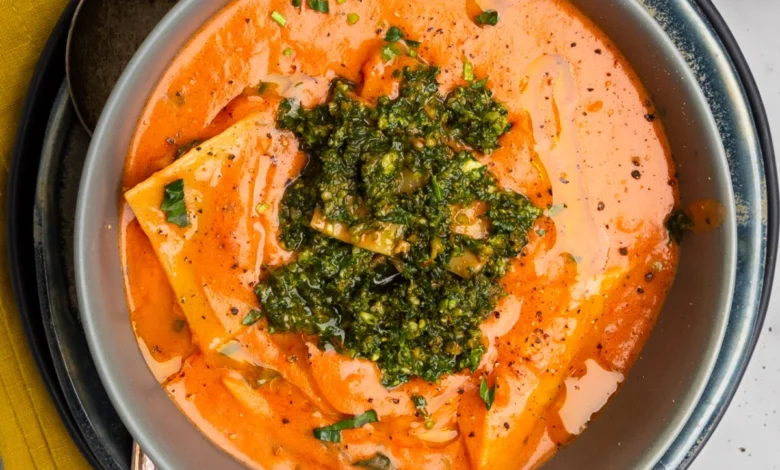
The culinary landscape of weeknight home cooking has undergone a significant transformation in recent years, driven largely by the demand for comforting, complex-tasting meals that require minimal preparation and cleanup time. Among the latest viral and enduring food trends capturing the attention of home cooks globally is the concept of deconstructed comfort foods. Spearheaded by culinary developers and food writers such as Alejandra Graf, recipes like the 30-minute Creamy Lasagna Soup have successfully bridged the gap between labor-intensive traditional dishes and the fast-paced realities of modern lifestyles. By reimagining the multi-layered, oven-baked Italian classic into a cohesive, single-pot soup, this recipe offers an innovative approach to meal preparation that prioritizes accessibility without sacrificing the robust flavor profiles traditionally associated with Italian-American cuisine.

The genesis of this culinary trend stems from a broader cultural shift toward comfort foods that evoke nostalgia and warmth, particularly during the colder winter months. Traditional lasagna, while universally beloved, is notoriously time-consuming. It requires the separate preparation of a ragù or meat sauce, the boiling of wide pasta sheets, the mixing of ricotta and egg fillings, and the meticulous layering of ingredients before a lengthy baking cycle. For individuals balancing demanding professional schedules and family responsibilities, committing upward of two hours to a single weeknight dinner is frequently impractical. The development of lasagna soup directly addresses this friction point, translating the core sensory experiences of the classic dish—savory crushed tomatoes, aromatic soffritto, melting cheeses, and broad ribbons of pasta—into a streamlined format that can be executed from scratch in half an hour.
From a chronological perspective, the evolution of one-pot pasta and soup hybrids gained significant momentum across digital food platforms and culinary blogs throughout the early 2020s. As consumers sought out ways to minimize dishwashing and maximize nutritional efficiency using pantry staples, food creators began experimenting with cooking pasta shapes directly inside flavored broths and tomato bases. The lasagna soup variation specifically gained mainstream traction due to its clever utilization of broken lasagna noodles, which mimic the texture and mouthfeel of the traditional baked version when cooked al dente directly in the simmering broth. Food historians and culinary analysts note that this approach mirrors historical adaptations of peasant cooking, where ingredients were combined in a single vessel to conserve fuel, water, and time while extracting maximum flavor from simple components.

The anatomical structure of the Creamy Lasagna Soup relies heavily on a foundational technique deeply rooted in both Italian and global gastronomy: the soffritto. The process initiates with the gentle sautéing of finely diced onions, carrots, and celery in olive oil until the vegetables yield their natural sweetness and achieve a light, golden caramelization. This is swiftly followed by the incorporation of minced garlic and tomato paste, which deepens the umami profile of the base before crushed tomatoes and liquid broth or water are introduced. Unlike traditional soups that rely on long, slow simmering times to develop depth, this recipe achieves a rich, complex flavor matrix by carefully building layers of aromatics and utilizing high-quality canned tomato products. Once the broth reaches a rolling boil and is reduced to a simmer, broken sheets of dry lasagna pasta are submerged directly into the pot, cooking uniformly as they absorb the seasoned liquid.
One of the defining characteristics of this modern recipe is its inherent adaptability, reflecting contemporary dietary trends that emphasize inclusivity, plant-based eating, and allergen-conscious cooking. Culinary experts have widely praised the formulation for its dual-path construction, which accommodates both omnivorous and strictly vegan diets without compromising the luxurious texture that defines the dish. In traditional omnivore preparations, the soup may be enhanced with browned Italian sausage, ground beef, or pancetta, and finished with heavy cream and fresh whole-milk ricotta. Conversely, the plant-based adaptation substitutes the meat with protein-rich lentils, vegan sausages, or sautéed mushrooms, while achieving its velvety consistency through the use of a homemade cashew cream or blended tofu ricotta. This flexibility has broadened the appeal of the recipe, making it a staple across diverse demographic groups and dietary preferences.

Nutritional analysts examining the composition of the Creamy Lasagna Soup point out that despite its decadent appearance and rich mouthfeel, the standard portion size maintains a balanced caloric and macronutrient profile. Clocking in at approximately 117 kilocalories per serving in its foundational form, the soup provides a modest amount of complex carbohydrates, dietary fiber, and essential micronutrients derived from the root vegetable soffritto and tomato base. The inclusion of healthy fats—whether sourced from dairy cream, olive oil, or nutrient-dense cashews—contributes to satiety, ensuring that diners feel full and satisfied despite the lighter overall caloric load compared to a traditional baked lasagna slice, which can easily exceed 500 calories per portion.
Industry reactions from food critics, lifestyle journalists, and home economics educators have been overwhelmingly positive, highlighting the recipe as a masterclass in modern recipe development. Culinary reviews emphasize that the success of the dish hinges on precise seasoning, particularly regarding the natural acidity of tomatoes. As noted by recipe creators, if the tomato base lacks proper seasoning, the entire flavor profile falls flat, underscoring the importance of adequate salt and balancing agents. Furthermore, the versatility of the garnishes—ranging from fresh basil and parsley pestos to grated Parmesan or vegan cheese alternatives—allows individuals to customize their bowls at the table, elevating a simple weeknight soup into an interactive and visually appealing dining experience.

The broader implications of recipes like the 30-minute lasagna soup reflect changing consumer habits in the post-pandemic kitchen. Data from culinary research firms indicate a sustained preference for "comfort cooking with a shortcut," where traditional boundaries of how classic dishes should be prepared are frequently challenged in the interest of efficiency and mental well-being. By stripping away the bureaucratic complexity of traditional baking without sacrificing the emotional comfort associated with hearty, comforting meals, this style of cooking resonates deeply with a populace navigating high-stress environments. The dish serves as a case study in how classic recipes can be successfully deconstructed and reassembled to meet the logistical demands of contemporary life, ensuring that the ritual of sharing a warm, home-cooked meal remains accessible to all, regardless of time constraints.