Tarta Helada: The Nostalgic Dominican Ice Cream Cake Making a Global Digital Resurgence


The culinary landscape of the Caribbean has long been defined by vibrant tropical flavors, comforting textures, and a rich history of fusion baking. Among the most enduring nostalgic treats is the tarta helada, an ice cream cake that captured the cultural imagination of the Dominican Republic during the 1990s. Originally popularized by a prominent local chain of ice cream parlors, this frozen dessert has transitioned from a commercial birthday staple into a beloved home-cooking phenomenon. Spearheaded by culinary historian and recipe developer Clara Gonzalez—affectionately known to her digital audience as "Tía Clara"—a modernized, simplified version of the tarta helada has resurfaced across digital platforms, bridging decades of culinary tradition with contemporary home-kitchen convenience.
Historical Context and Cultural Significance
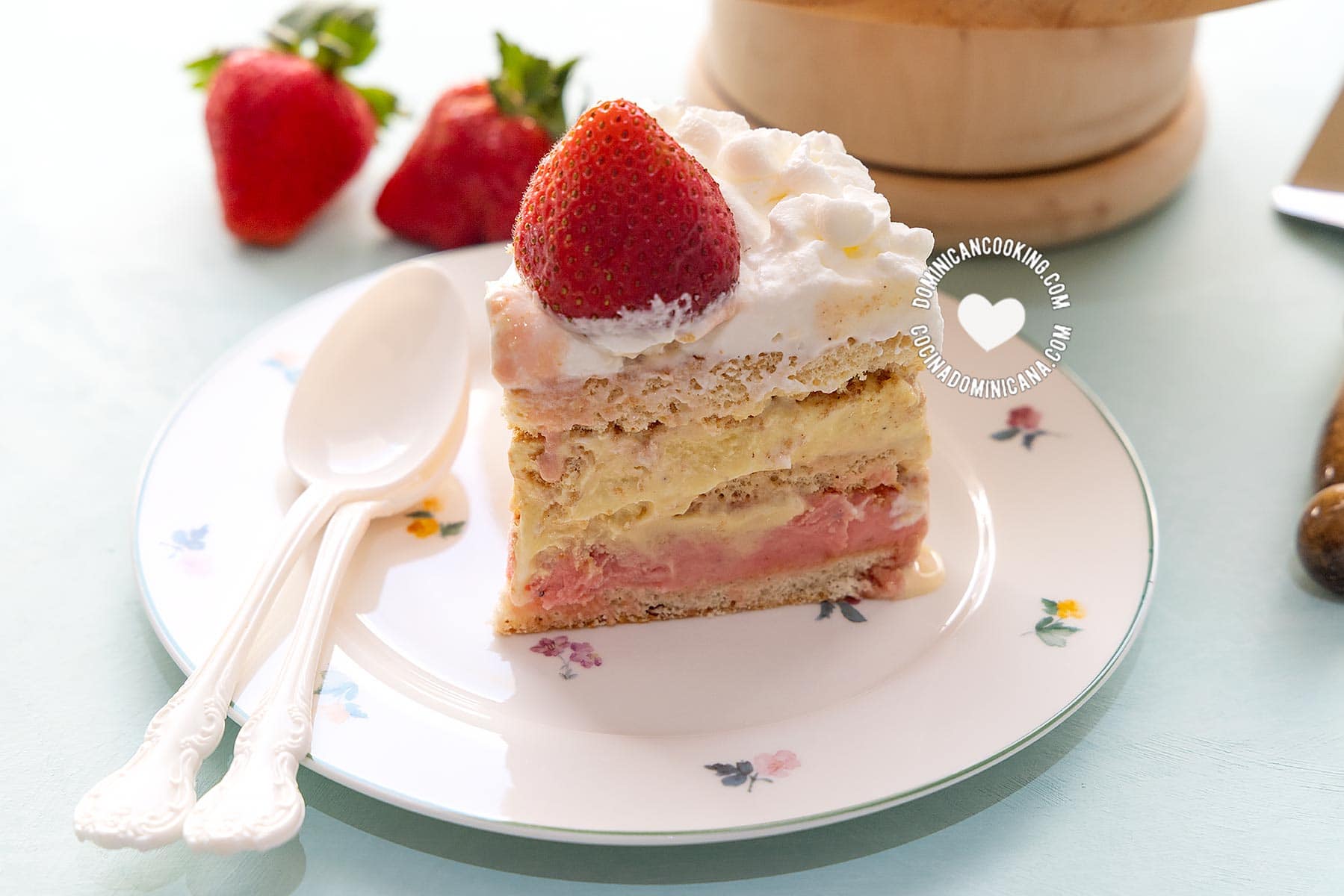
The genesis of the tarta helada in the Dominican Republic dates back to the late 20th century, a period marked by the expansion of local commercial confectionery and dairy chains. During the 1990s, these establishments introduced structured ice cream cakes that departed from traditional sponge cakes frosted with meringue or buttercreams. Characterized by distinct, alternating layers of light sponge cake, artisanal or commercial ice cream, and a protective coating of Italian meringue or whipped cream, the dessert quickly became the centerpiece of summer birthday parties and family gatherings.
Because the Dominican Republic experiences a tropical climate year-round, frozen desserts hold a prominent place in local gastronomy. The tarta helada offered a functional solution to high ambient temperatures while delivering a multi-textured dining experience. Over time, as commercial chains evolved, the recipe migrated from industrial bakeries into domestic kitchens. Home cooks began experimenting with accessible store-bought components—such as pre-made pound cakes and commercially produced ice cream—transforming a complex, multi-step commercial pastry into an approachable family project.

The Modern Culinary Revival and Recipe Methodology
In contemporary food media, the demand for high-impact, low-effort desserts has surged. The digital revival of the tarta helada addresses this consumer trend by decoupling the visual complexity of the dessert from its actual preparation time. According to recipe metrics published by culinary platforms, the modern iteration of the tarta helada requires approximately one hour of active preparation time, making it an efficient option for hosts managing multi-course meal preparation.
Unlike traditional baking, which demands precise oven temperatures and chemical leavening agents, the tarta helada relies on thermal management and structural assembly. The standard methodology involves the following structural phases:

- Layering the Foundation: Sliced sponge cake or pound cake is pressed into the base and sides of a springform pan or lined mold, creating an edible vessel for the frozen filling.
- Incorporating the Ice Cream: Softened ice cream—often featuring contrasting flavors such as vanilla, chocolate, or fruit-infused varieties—is layered between the cake tiers. The assembly is then transferred to a deep freezer to solidify.
- Stabilization and Freezing: Standard protocols recommend a minimum freezing window of several hours, though preparation up to 24 hours in advance is frequently advised to ensure structural integrity upon unmolding.
- Exterior Finishing: The cake is coated with freshly whipped cream or traditional meringue, then garnished with seasonal fruits, chocolate shavings, or berry compotes before immediate service.
Nutritional profiles for a standard serving (calculated at approximately 563 kilocalories per portion based on a standard 6-to-8-slice yield) reflect the decadent nature of the dessert, which features high concentrations of dairy fats, complex carbohydrates, and natural sugars derived from both the dairy components and fruit integrations.
Economic and Industry Implications
The resurgence of heritage desserts like the tarta helada highlights broader shifts in consumer behavior within the digital food and beverage sector. Culinary analysts note a growing preference for nostalgic recipes that evoke regional heritage while utilizing readily available supermarket ingredients. This trend has direct economic implications for specialty food bloggers, digital content creators, and affiliate marketing networks.

Recipe documentation sites that feature traditional Caribbean and Latin American fusion dishes have experienced measurable increases in user engagement, particularly during the summer months when demand for no-bake and frozen desserts peaks. By integrating instructional video content with written recipes, creators monetize their platforms through contextual advertising and affiliate partnerships with kitchenware and grocery brands, ensuring that regional recipes are preserved and transmitted to international audiences.
Furthermore, the adaptation of commercial recipes into home-kitchen formats democratizes cultural cuisine. Diasporic communities frequently utilize these digital recipes to recreate childhood memories abroad, fostering cultural continuity through food. As food media continues to prioritize authenticity paired with accessibility, the tarta helada stands as a prime example of how regional commercial innovations can successfully transition into global, domestic staples.
Related posts: