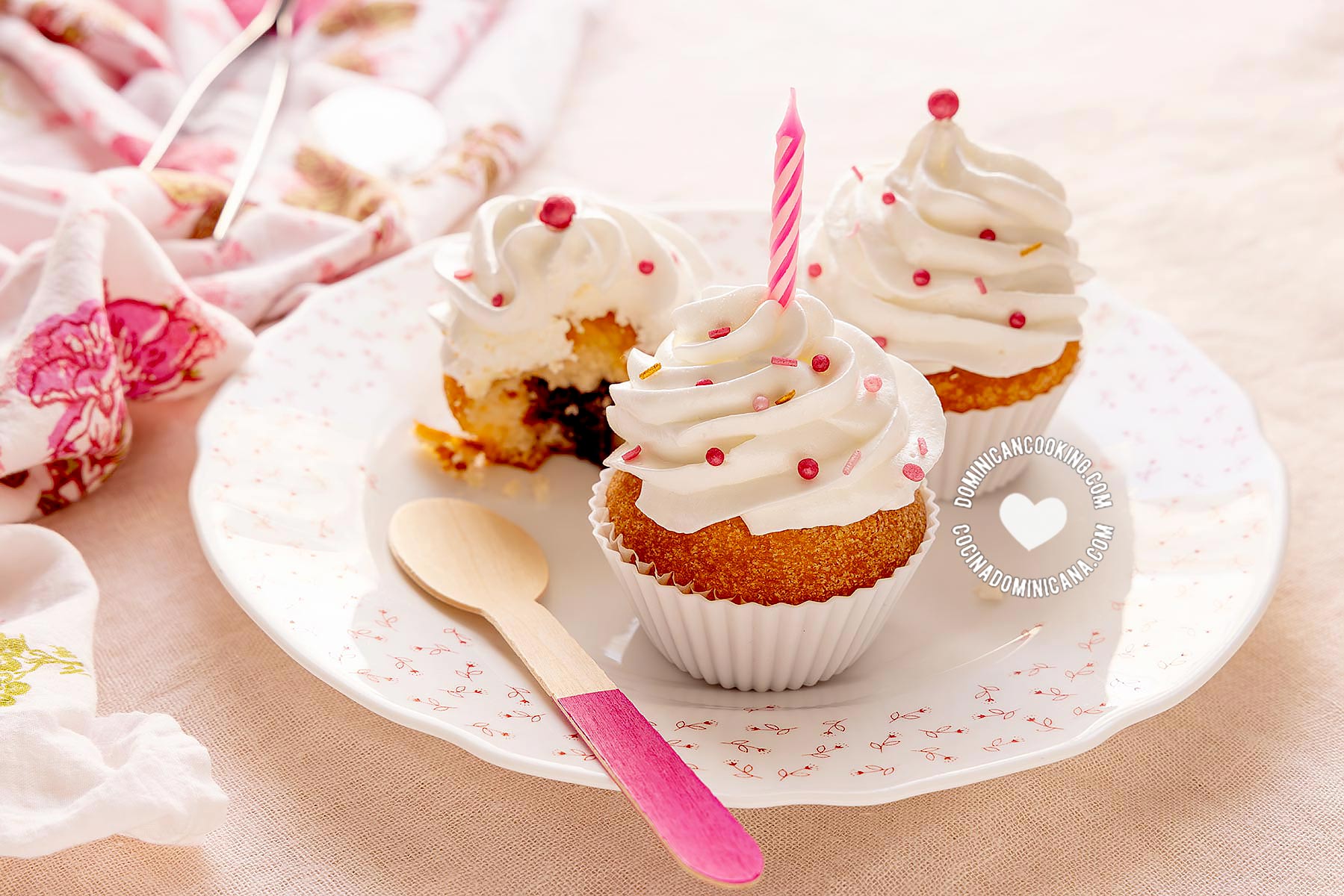
The culinary landscape of Caribbean gastronomy is experiencing a notable shift as traditional celebratory desserts are reimagined for contemporary palates and modern event formats. Among the most recent innovations is the adaptation of the iconic Bizcocho Dominicano—traditionally a large, round celebration cake characterized by its ultra-delicate texture and distinct citrus profile—into individual-serving cupcakes known as bizcochuelos. Developed by culinary researchers and home economics experts like Clara Gonzalez of Dominican Cooking, this new format retains the structural integrity and sensory experience of the classic island staple while offering logistical convenience for modern consumers, caterers, and bakeries.
Background Context and Cultural Significance
The traditional Dominican cake holds a foundational place in the cultural gastronomy of the Dominican Republic, typically reserved for milestone events such as weddings, birthdays, baptisms, and quinceañeras. Historically, the cake is defined by several specific technical attributes: a rich yet exceptionally airy batter infused with fresh orange juice and vanilla, a sweet fruit filling (most traditionally pineapple preserve), and a heavy coating of Suspiro—a glossy, Italian-style meringue-based royal icing that sets firmly on the exterior.
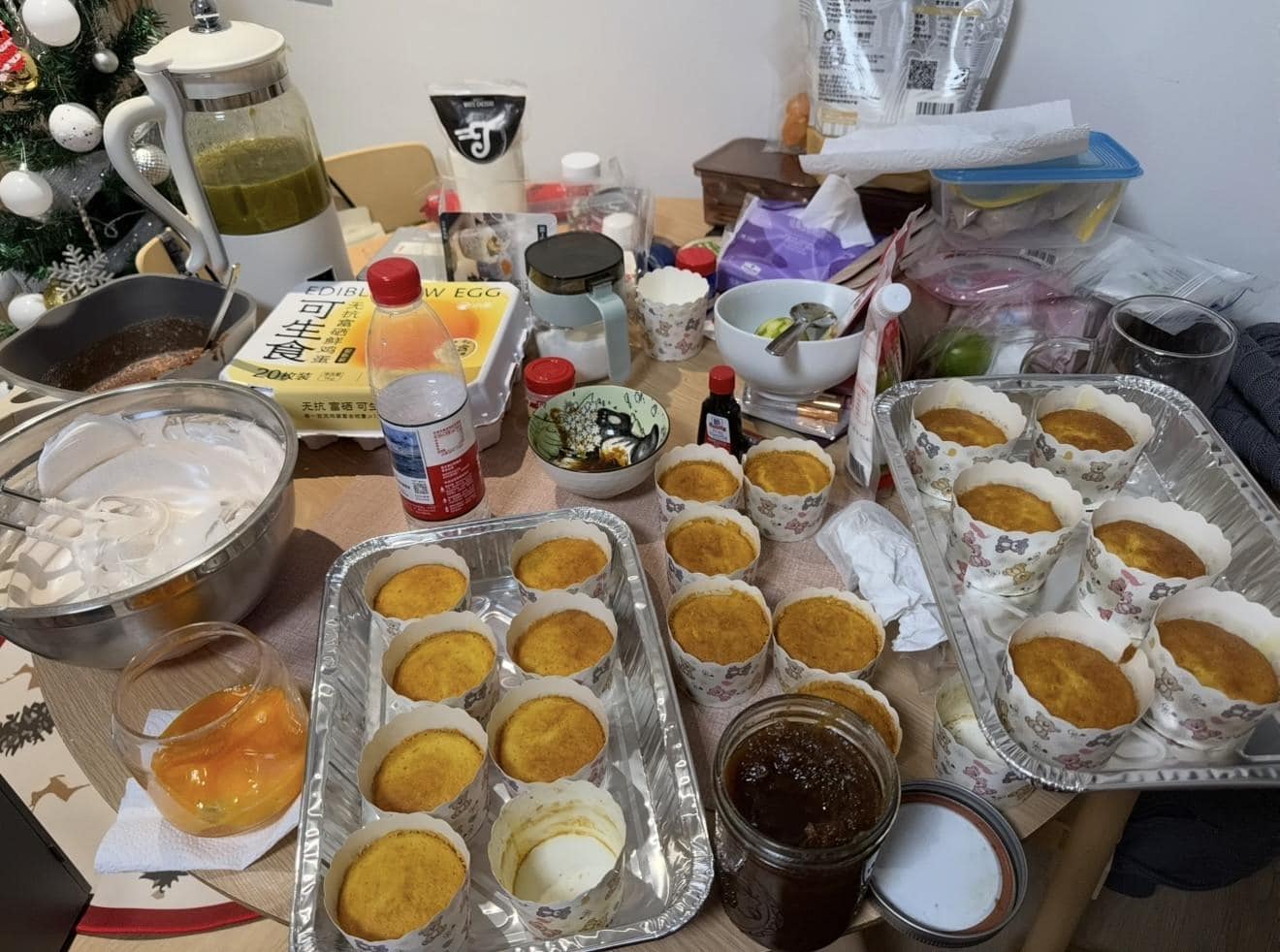
For decades, replicating this dessert required baking large multi-tier or sheet cakes, a process demanding precision to prevent the delicate crumb structure from collapsing. However, shifting consumer habits favoring portion-controlled, easily transportable, and visually customizable single-serving desserts have driven bakers to experiment with alternative form factors. The transition of the bizcocho batter into standard muffin and cupcake tins represents a bridge between generational baking heritage and the demands of modern event planning.
Technical Evolution and Recipe Adaptation
Adapting the traditional Bizcocho Dominicano into a miniature format required overcoming several baking hurdles. Culinary tests conducted in commercial and home test kitchens revealed that standard cupcake baking times and temperatures must be strictly managed to preserve the signature moisture level of the crumb without drying out the smaller volume of batter.
Unlike conventional American cupcakes, which often rely on a high-butter ratio and a dense crumb, the Dominican variant utilizes a creaming method that incorporates beaten egg whites to achieve its signature feather-light texture. When scaled down to cupcake liners, the batter behaves similarly to its full-sized counterpart, rising evenly when baked at moderate temperatures (typically around 325°F to 350°F).

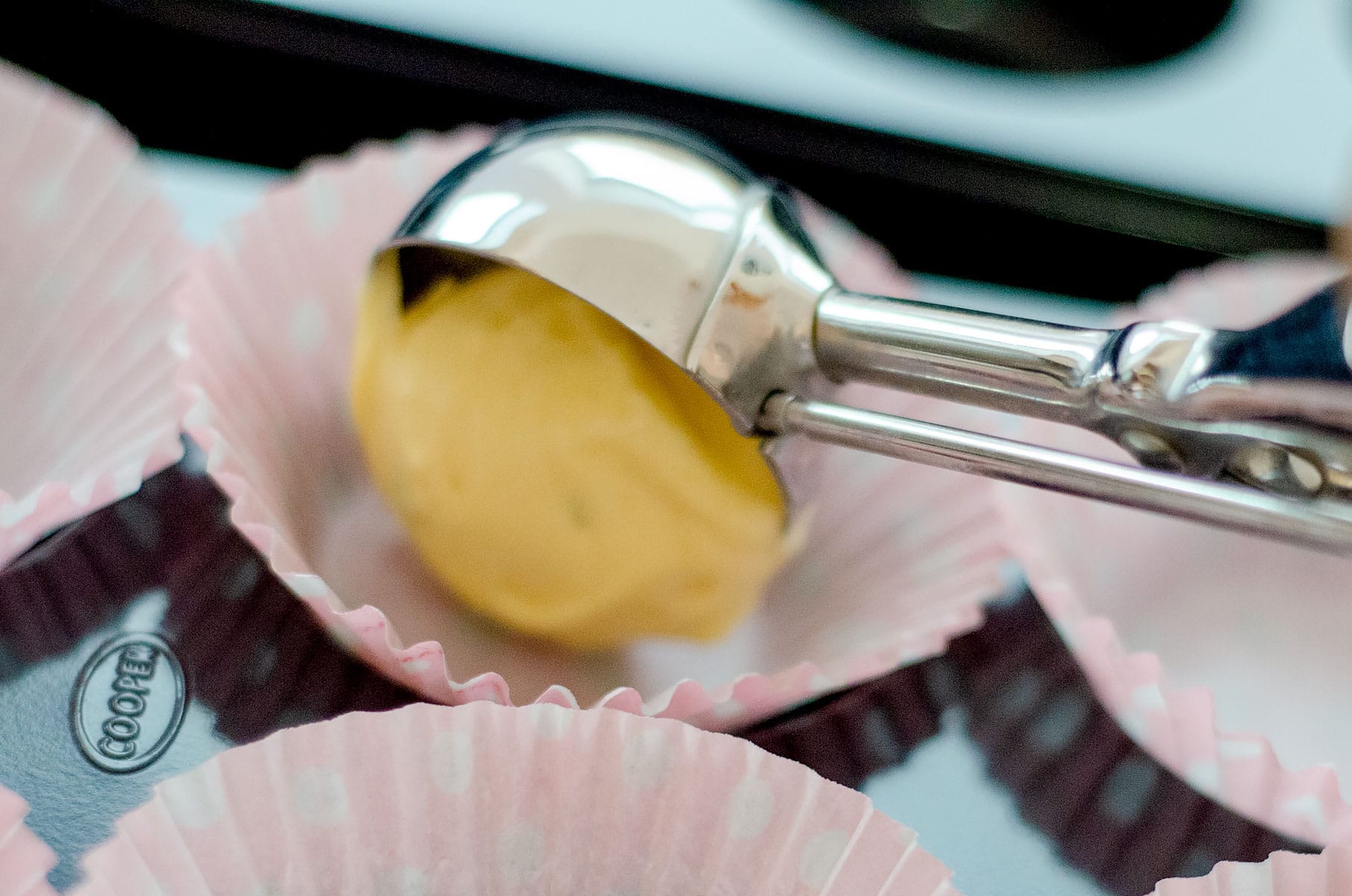
A central innovation in the cupcake adaptation involves the integration of the filling. Traditional Dominican cakes are sliced horizontally and layered with fruit preserves. In the cupcake iteration, bakers inject or drop fruit preserves—predominantly guava jam (pasta de guayaba) or pineapple marmalade—directly into the center of the batter prior to baking or immediately after the initial rise. As the batter bakes and expands around the preserve, the fruit sinks slightly, infusing the surrounding crumb with concentrated fruit flavor. Professional bakers note that managing the weight and density of the fruit filling is critical; without strategic placement or a small dollop of batter layered over the top, the weight of the jam can prevent the formation of a traditional domed top, resulting in a flatter, denser surface area.
Ingredient Profile and Flavor Architecture
The flavor profile of the Dominican cupcake relies on a precise balance of indigenous and imported ingredients characteristic of Caribbean baking traditions:

- The Batter: Flour, sugar, unsalted butter, eggs, baking powder, and a combination of fresh orange juice, orange zest, and vanilla extract. The inclusion of citrus juice is paramount, acting both as a flavor agent and a chemical catalyst that interacts with the leavening agents to produce a tender crumb.
- The Filling: While pineapple remains the historical baseline for Dominican celebration cakes, guava jam has gained significant popularity in the cupcake format due to its deep sweetness and vibrant color contrast.
- The Icing (Suspiro): A cooked meringue frosting made by whipping egg whites with a hot sugar syrup, producing a stable, glossy, marshmallow-like finish that holds intricate piping designs without being overly greasy compared to traditional American buttercream.
Market Implications and Culinary Trends
The introduction of bizcochuelos dominicanos into mainstream baking blogs and independent bakeries reflects a broader trend within ethnic cuisine: the democratization of heritage recipes. By breaking down complex, large-scale celebration desserts into accessible, single-serving formats, home cooks and boutique bakeries are lowering the barrier to entry for traditional Caribbean baking.
Industry analysts observe that bite-sized and individual portions continue to dominate commercial pastry sales, driven by hygiene preferences, portion awareness, and the aesthetic demands of social media platforms where visually striking, highly decorated individual pastries perform exceptionally well. Furthermore, the use of simple modifications—such as custom paper liners, edible branding, and themed decorative toppers crafted from bamboo skewers and cardstock—allows consumers to personalize the desserts for private celebrations without requiring advanced pastry arts training.
Standardization and Future Outlook
As the recipe gains traction across digital platforms and specialized culinary communities, standardization efforts are underway to provide reliable metrics for home bakers. Standard yields from institutional testing indicate that a single batch of traditional Dominican cake batter produces approximately three dozen standard-sized cupcakes, requiring a preparation time of roughly 35 minutes and a baking time of 25 minutes.
Culinary educators emphasize that while the format is non-traditional, the preservation of core flavor compounds—specifically the citrus-vanilla aromatic profile paired with fruit preserves and meringue—ensures that the cultural identity of the dessert remains intact. As global interest in Caribbean gastronomy expands, innovations like the Dominican cupcake serve as an accessible entry point for international audiences seeking authentic island flavors in a modern, versatile presentation.
Related posts: