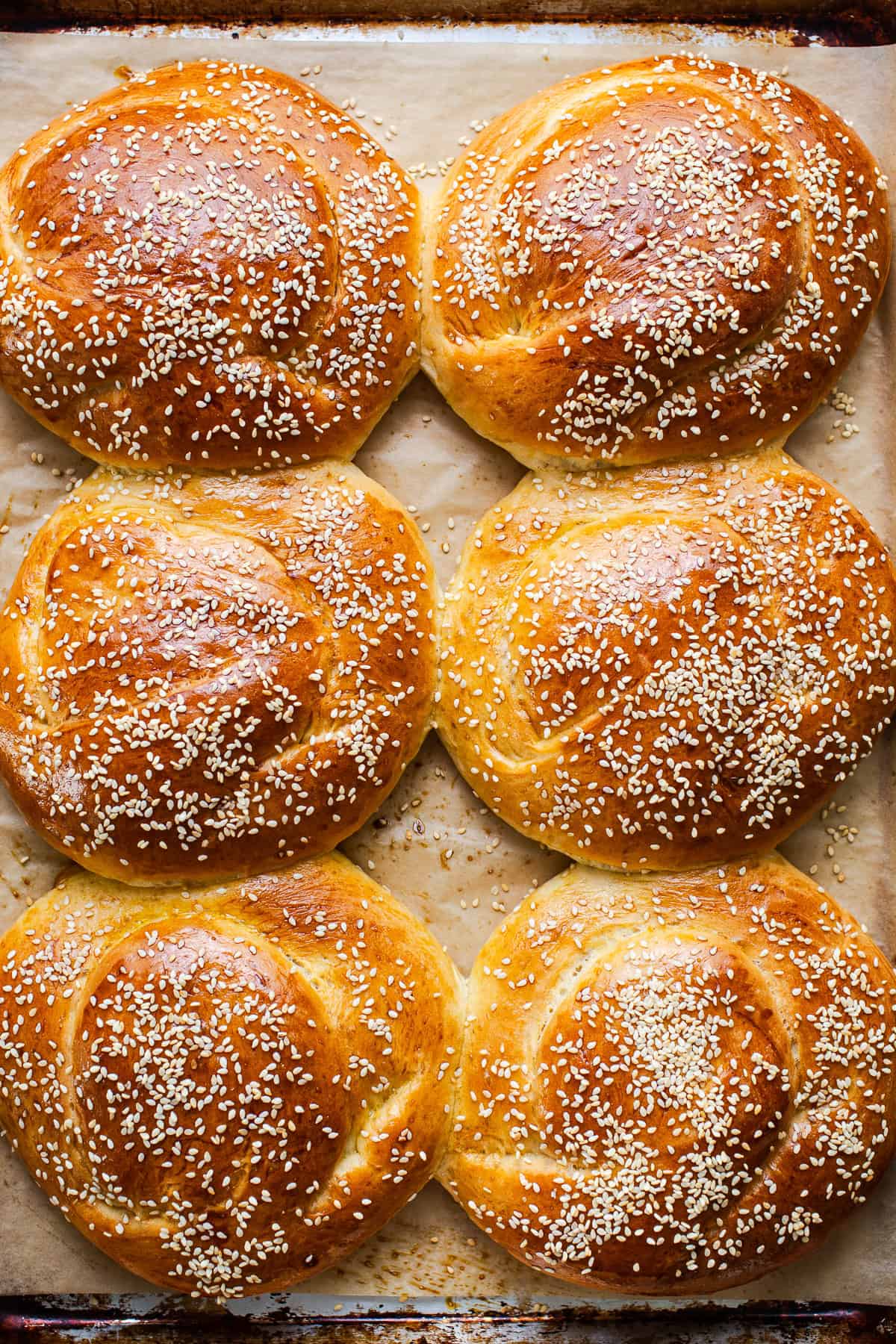
The cemita bun, a staple of the culinary landscape in Puebla, Mexico, represents more than just a vessel for sandwiches; it is a historical artifact of regional baking traditions. Characterized by a soft, brioche-like interior, a distinctively twisted, golden-brown crust, and a generous coating of toasted sesame seeds, these buns serve as the essential foundation for the iconic cemita poblana. While the bread has been a cornerstone of Pueblan street food for generations, it has recently gained international attention as food historians and home bakers alike seek to replicate the authentic texture and flavor profile that defines this regional specialty.
Historical Context and Origins of the Cemita
The etymology of the cemita is deeply rooted in colonial history. Linguistic experts trace the name to the Spanish word "acemite," which historically referred to a type of bran or low-grade wheat flour used in early European breadmaking. Over centuries, as the grain supply in the Puebla region evolved, the recipe for the bread underwent significant regional adaptation.
Unlike the bolillo or the telera—two other common Mexican breads—the traditional cemita requires a specific structural integrity to withstand the weight of its signature fillings. A proper cemita poblana is often stacked with layers of breaded meat (milanesa), fresh avocado, salty quesillo (Oaxacan string cheese), onions, chipotle peppers, and the pungent, herbaceous herb known as pápalo. The bread must remain sturdy enough to prevent the sandwich from collapsing while maintaining a crumb delicate enough to absorb the flavors of the ingredients.

Culinary Composition and Scientific Methodology
From a baking perspective, the cemita is a masterclass in dough management. Authentic production utilizes a rich dough enriched with butter and eggs, which contributes to the characteristic soft crumb and shelf life of the roll. The process is defined by several critical stages that differentiate it from standard artisanal loaves.
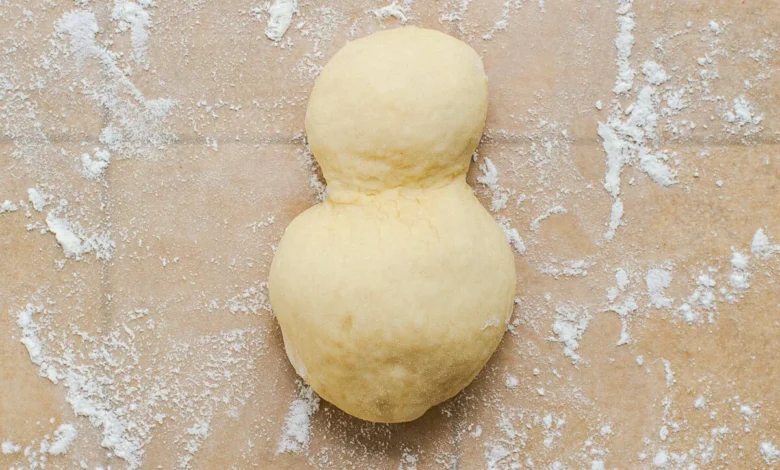
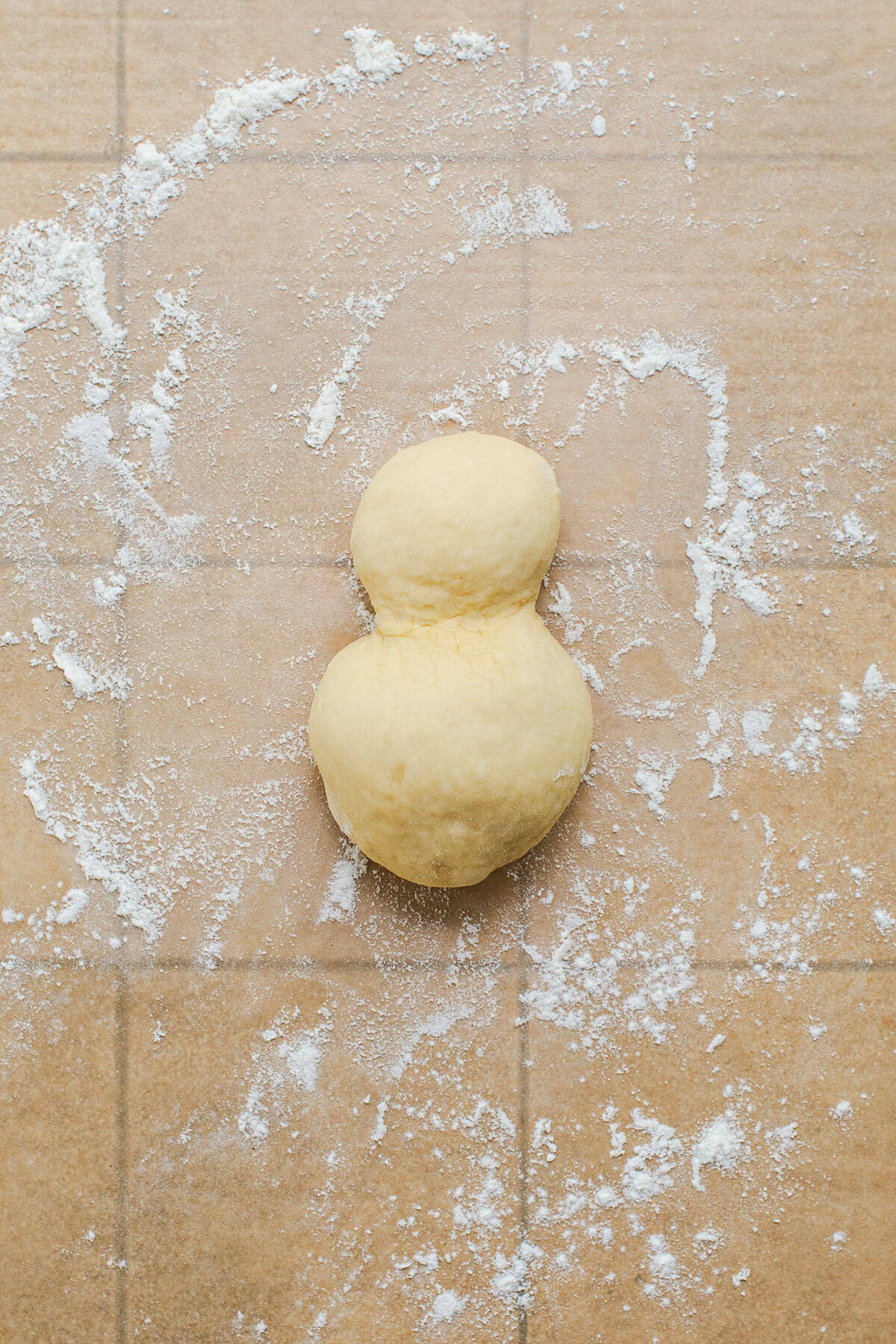
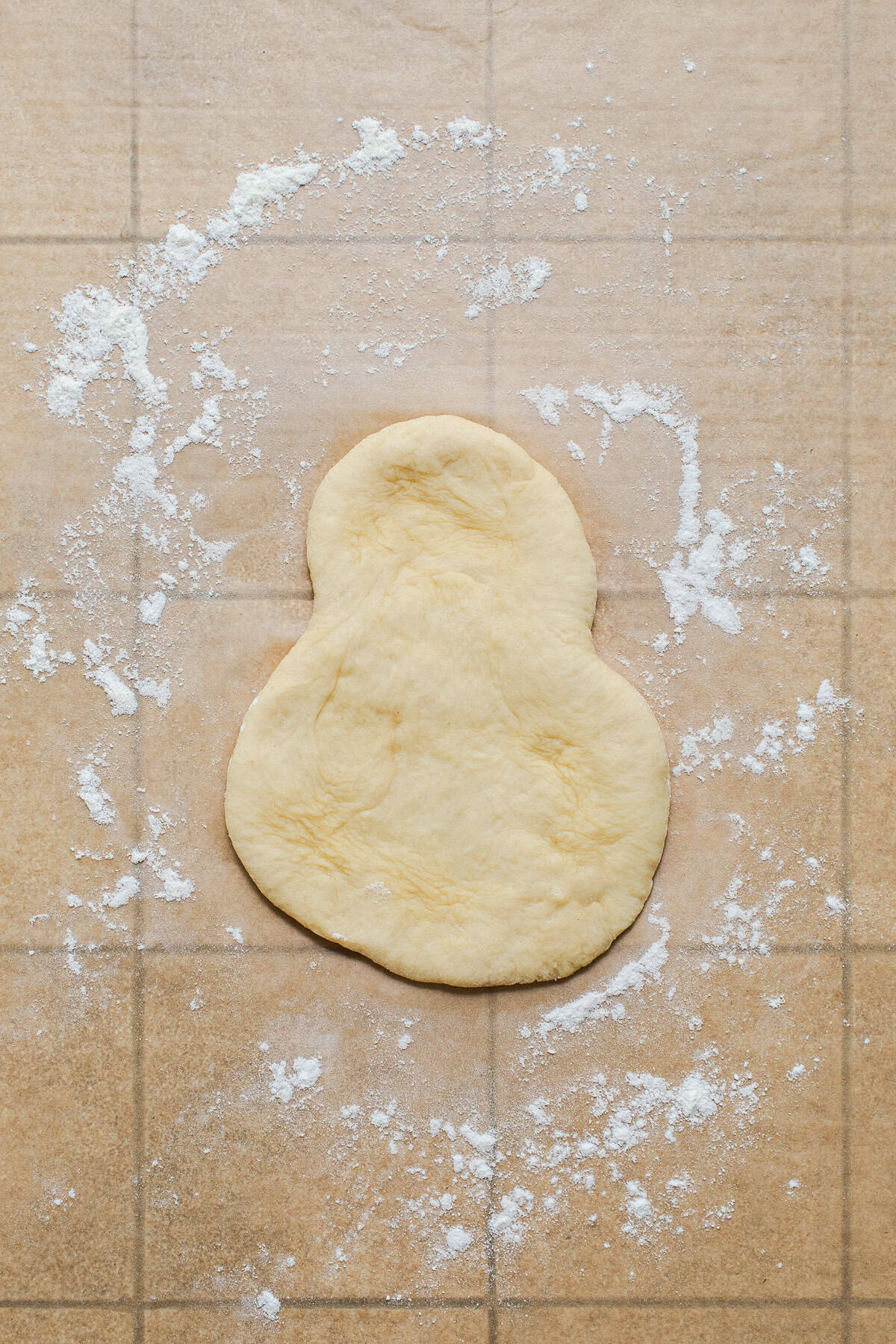
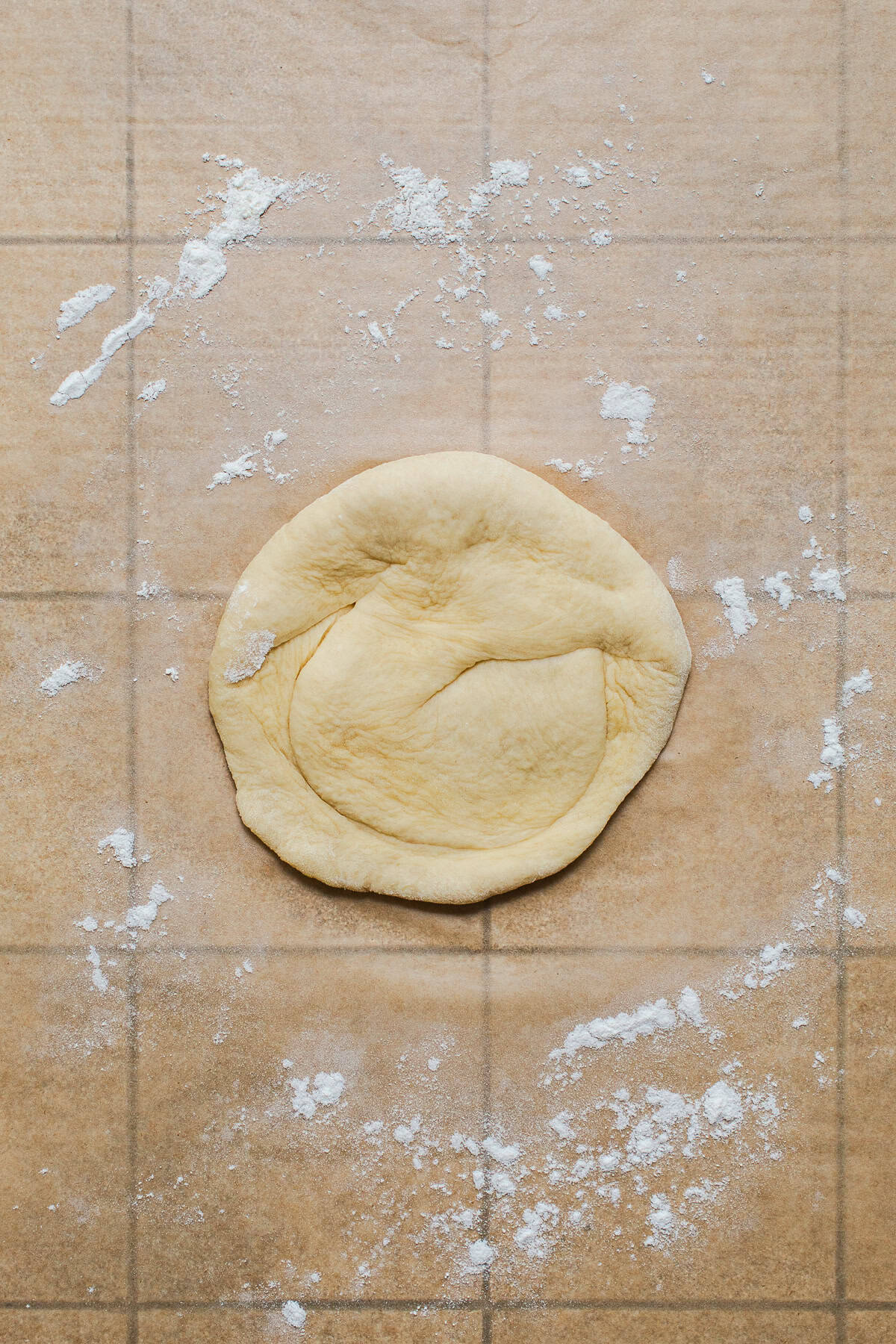
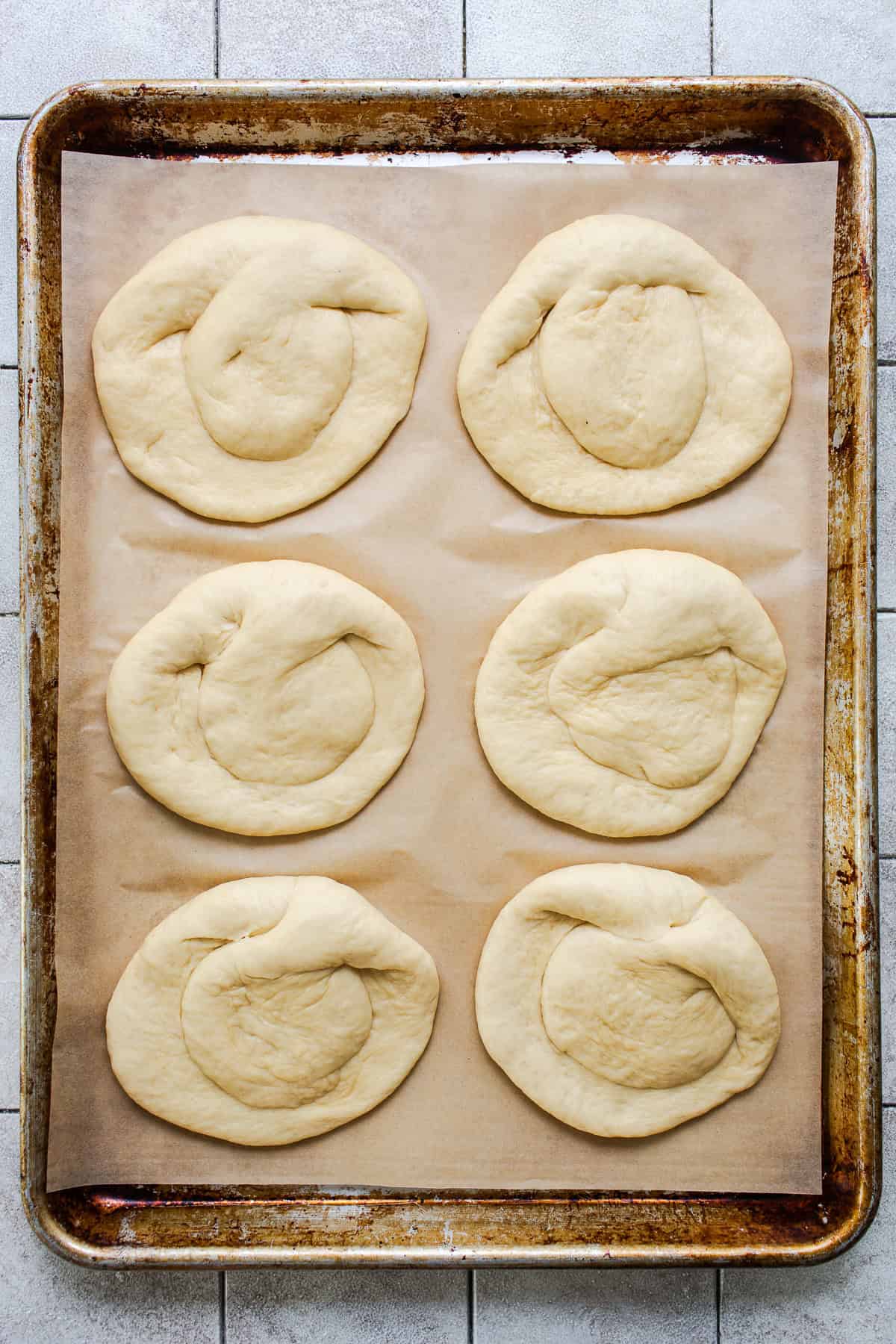
The timeline for a professional-grade batch typically spans four to six hours, with the majority of that time dedicated to passive fermentation. After the initial bulk fermentation, the dough is divided into uniform portions. The shaping process is perhaps the most technical aspect of the production; bakers utilize a specific folding technique that involves twisting a smaller portion of the dough over a larger base to create the signature "swirl" or ridge on the crown of the bun.
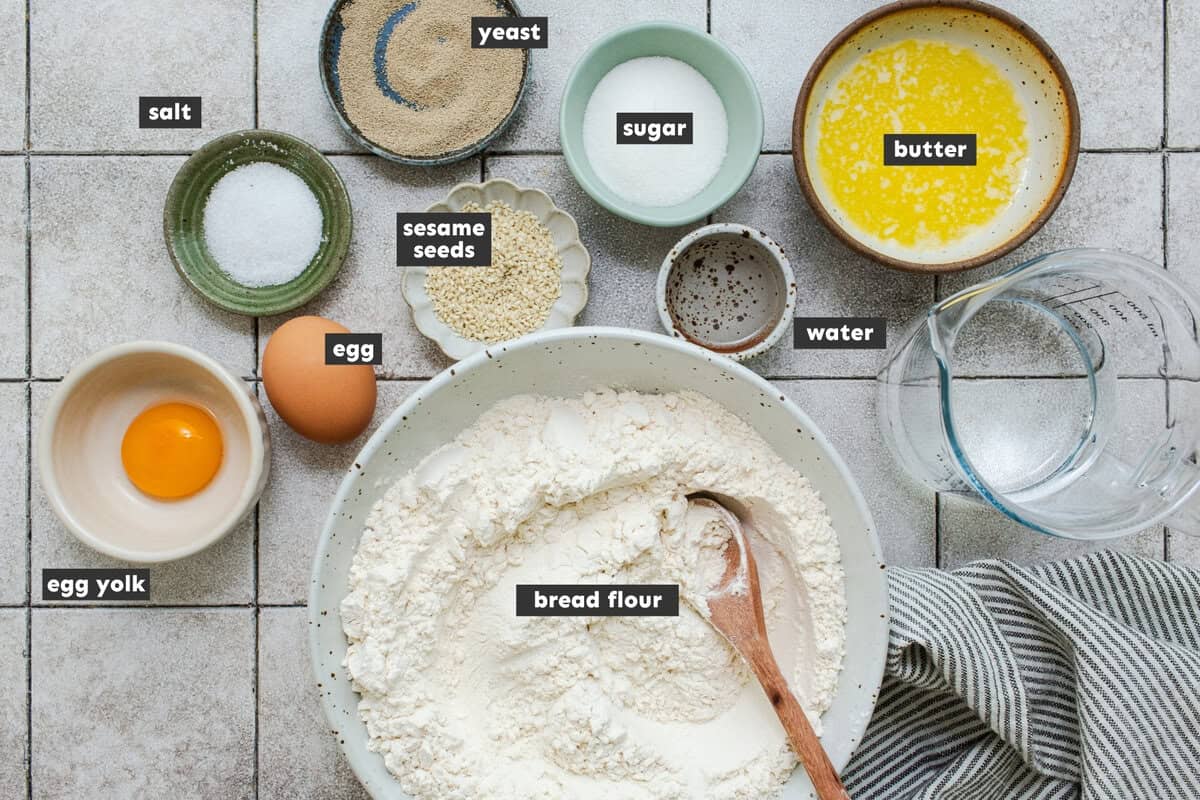
Following the shaping, the buns undergo a final proofing stage, where they must reach nearly double their original volume. The application of an egg wash immediately before baking is non-negotiable; this provides the Maillard reaction necessary for the deep, golden crust that signals a high-quality product. The final step involves a generous dusting of sesame seeds, which are toasted during the baking process to provide a nutty, aromatic contrast to the rich, slightly sweet dough.
The Rise of Artisanal Home Baking
Data regarding the availability of authentic Mexican breads in the United States indicates a significant "availability gap." Market research suggests that while standard commercial rolls are ubiquitous, specialized regional breads like the cemita are rarely found in mainstream grocery stores, and even some specialty Mexican bakeries struggle to maintain the labor-intensive production methods required for traditional versions.
This scarcity has driven a surge in interest among home bakers. By leveraging standard pantry staples—bread flour, yeast, butter, and eggs—culinary enthusiasts are increasingly bypassing the limitations of store-bought options. Professional bakers note that the transition to home production requires precision, particularly regarding oven temperature and proofing conditions. The most common error in production, according to culinary instructors, is the failure to allow the dough to fully develop, resulting in a bun that lacks the necessary height to function as a sandwich base.
Comparative Analysis: Cemita vs. Torta
A frequent point of confusion for consumers is the distinction between a cemita and a general torta. While both are foundational to Mexican sandwich culture, they are distinct entities. A torta is a broad category of sandwich that can be constructed on a variety of breads, including the aforementioned bolillos or teleras. These are often viewed as casual, daily meals.
The cemita, however, is a specific, regional preparation. The bread is larger, more decorative, and structurally denser than the standard bolillo. Furthermore, the inclusion of pápalo—an herb with a flavor profile often described as a cross between cilantro, arugula, and lime—is a hallmark of the traditional cemita experience. When substituting these components, food critics argue that the structural and flavor integrity of the dish is compromised.
Economic and Cultural Implications
The revival of traditional bread-making techniques has broader implications for food security and cultural preservation. As industrial bread production becomes increasingly homogenized, the intentional labor required to create traditional regional items like the cemita serves as a form of cultural maintenance.
In Puebla, the production of cemitas is a significant economic driver for local bakeries, often referred to as "panaderías." These institutions act as social hubs, and the specific craft of the baker is highly respected. For the international market, the ability to replicate this process allows for a deeper appreciation of the culinary complexity inherent in Mexican cuisine. It shifts the perception of Mexican bread from a mere commodity to a complex, artisanal product that requires skill, time, and specific knowledge to execute.
Strategic Recommendations for Bakers
For those looking to master this bread, experts suggest focusing on three pillars of success:
- Dough Strength: Given the heavy nature of the toppings, the bread must be kneaded sufficiently to develop the gluten structure. A windowpane test is recommended to ensure the dough is ready for fermentation.
- Controlled Proofing: The environmental temperature during the rise is critical. If the kitchen is too cold, the yeast will not reach its full potential, resulting in a dense, heavy bun. Conversely, excessive heat can lead to over-proofing, causing the buns to collapse in the oven.
- Temperature Consistency: A consistent oven temperature of 350°F (175°C) is generally considered the "sweet spot" for achieving a golden crust without scorching the sesame seeds.
Future Trends in Regional Baking
As the culinary world moves toward a greater emphasis on regional authenticity, it is likely that the cemita will continue to see a rise in popularity. Culinary schools and independent recipe developers are increasingly documenting these traditional methods, ensuring that the knowledge required to produce the bread does not vanish as commercial options expand.
Ultimately, the cemita bun serves as a vital reminder that in the world of gastronomy, the simplest ingredients, when treated with technical precision and respect for historical technique, can produce extraordinary results. Whether served as a simple breakfast roll or as the base for a loaded, multi-layered sandwich, the cemita remains an enduring symbol of Pueblan culinary identity and a testament to the timeless appeal of well-crafted, traditional bread.
Related posts: