Mastering the Art of Chinese-American Takeout at Home: The Evolution and Technique Behind the Ultimate Sesame Shrimp Recipe

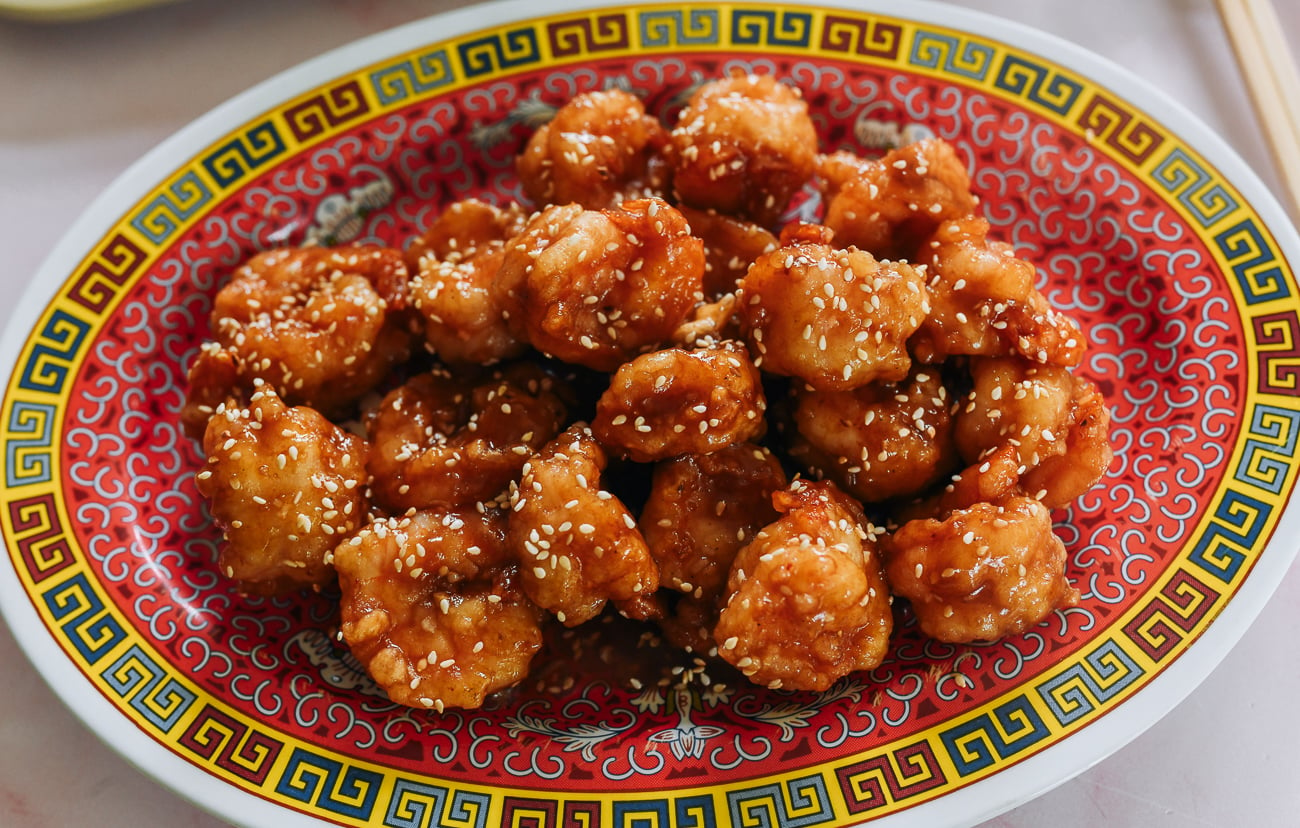
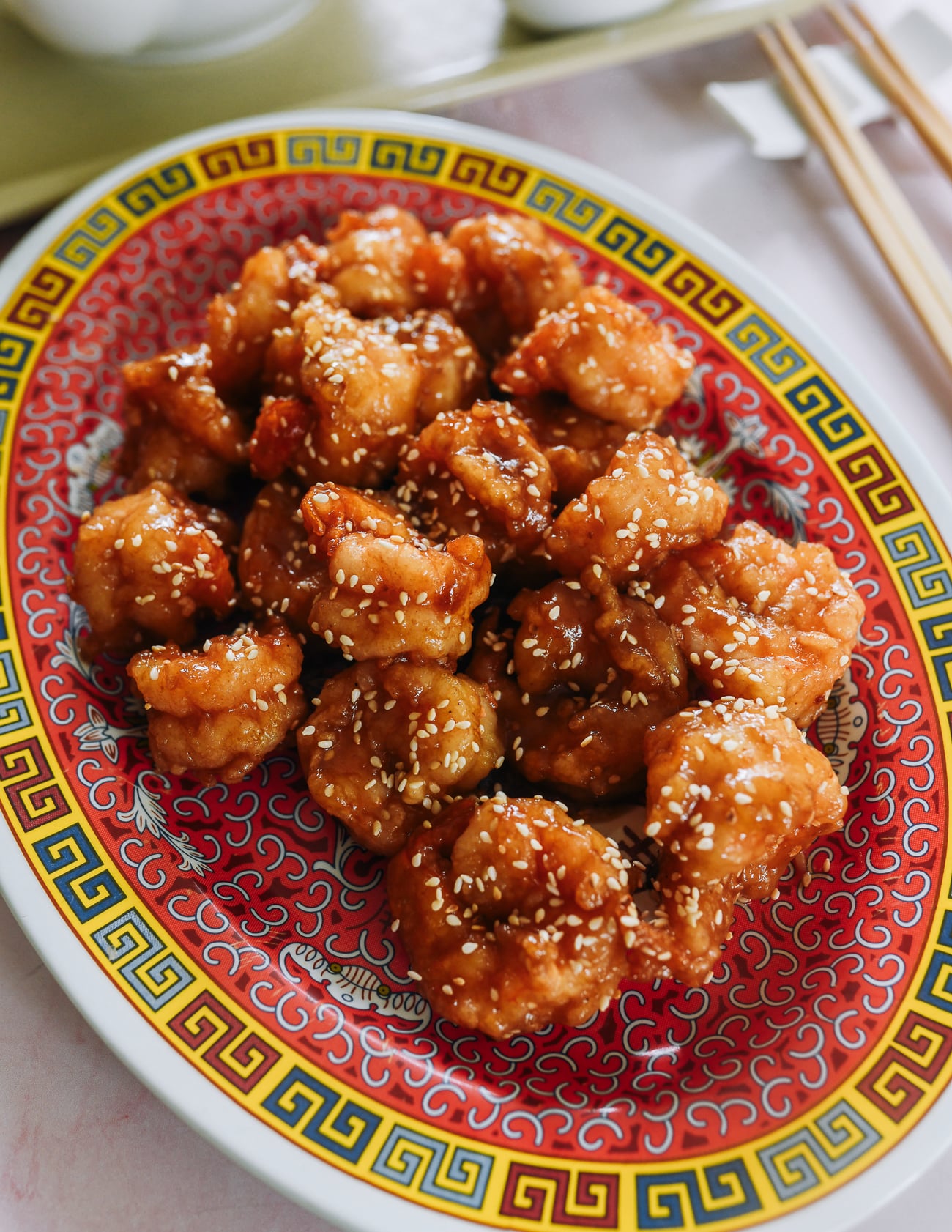
The culinary landscape of Chinese-American cuisine is anchored by a select few iconic flavor profiles, among which the sweet, savory, and nutty "Sesame" category holds a permanent position of prominence. Historically dominated by iterations featuring chicken, beef, or occasionally deep-fried tofu, this beloved takeout staple has recently undergone a contemporary reimagining. Culinary creators and recipe developers have expanded the genre to include seafood, introducing a meticulous technique for Sesame Shrimp that balances structural crunch with delicate marine flavors. This latest addition completes a quadrivium of core sesame-based comfort foods, offering home cooks a restaurant-quality alternative that addresses common pitfalls of traditional takeout, such as excessive sweetness and compromised textural integrity.
The Cultural and Culinary Evolution of the Sesame Category
For decades, the "Sesame" classification on North American Chinese restaurant menus has elicited a polarized response from culinary enthusiasts. While undeniably popular, mass-market variations frequently suffer from structural and flavor imbalances. Diners have long contended with proteins that rapidly lose their crispness under heavy, cloying layers of sugary syrup, or sauces that rely entirely on linear sweetness rather than a complex umami foundation.
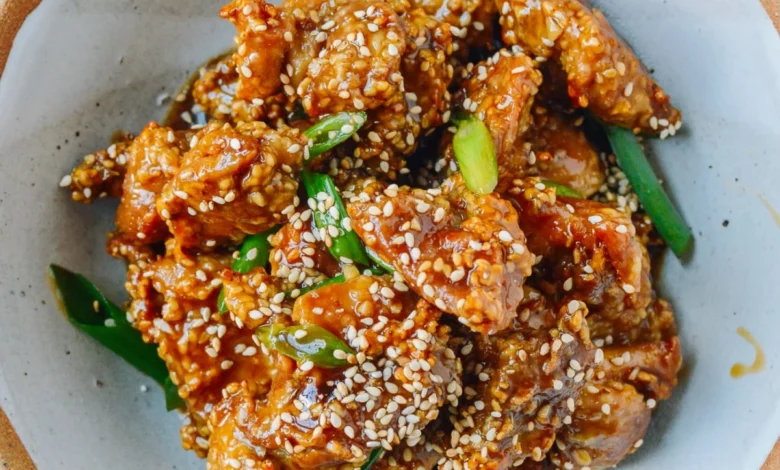
The refinement of this specific flavor profile required years of kitchen testing to achieve the ideal equilibrium between toasted sesame oil, aromatic garlic, soy, vinegar, and sweetness. This developmental trajectory moved methodically across different proteins. It began with traditional Sesame Chicken—subsequently adapted into both stovetop and oven-baked variations—before branching into robust iterations like Sesame Beef. Most recently, the introduction of Sesame Tofu incorporated modern plant-based techniques to maintain structural crispness without heavy batter.
The adaptation of this sauce architecture for shrimp represents a significant culinary shift. Crustaceans present unique challenges in deep-frying due to their high moisture content and delicate flesh, which can easily become rubbery or lose its coating when subjected to heavy-handed battering. By applying specialized preparation methods traditionally reserved for high-end seafood dishes, home cooks can now replicate the professional standard previously restricted to commercial wok stations.
Technological and Culinary Methodology: How Professional Chefs Fry Shrimp
Achieving the characteristic light and crunchy exterior inherent to authentic Chinese takeout without resorting to heavy, cakey batters relies on precise culinary physics. Traditional Western frying methods often employ thick flour-and-egg batters that can overpower delicate proteins. In contrast, classic Asian culinary technique utilizes a dry-starch marination and dredging process.

The protocol begins before the heat is applied. Professional kitchens frequently utilize medium-large shrimp, specifically graded between 16 and 20 pieces per pound. These specimens offer a favorable meat-to-surface-area ratio and are structurally robust enough to withstand scoring. By making deep incisions along the dorsal side of the shrimp—commonly referred to as scoring—chefs facilitate two critical outcomes: the flesh expands during cooking to form an aesthetically pleasing, plump curve, and the surface area available for starch adhesion is substantially increased.
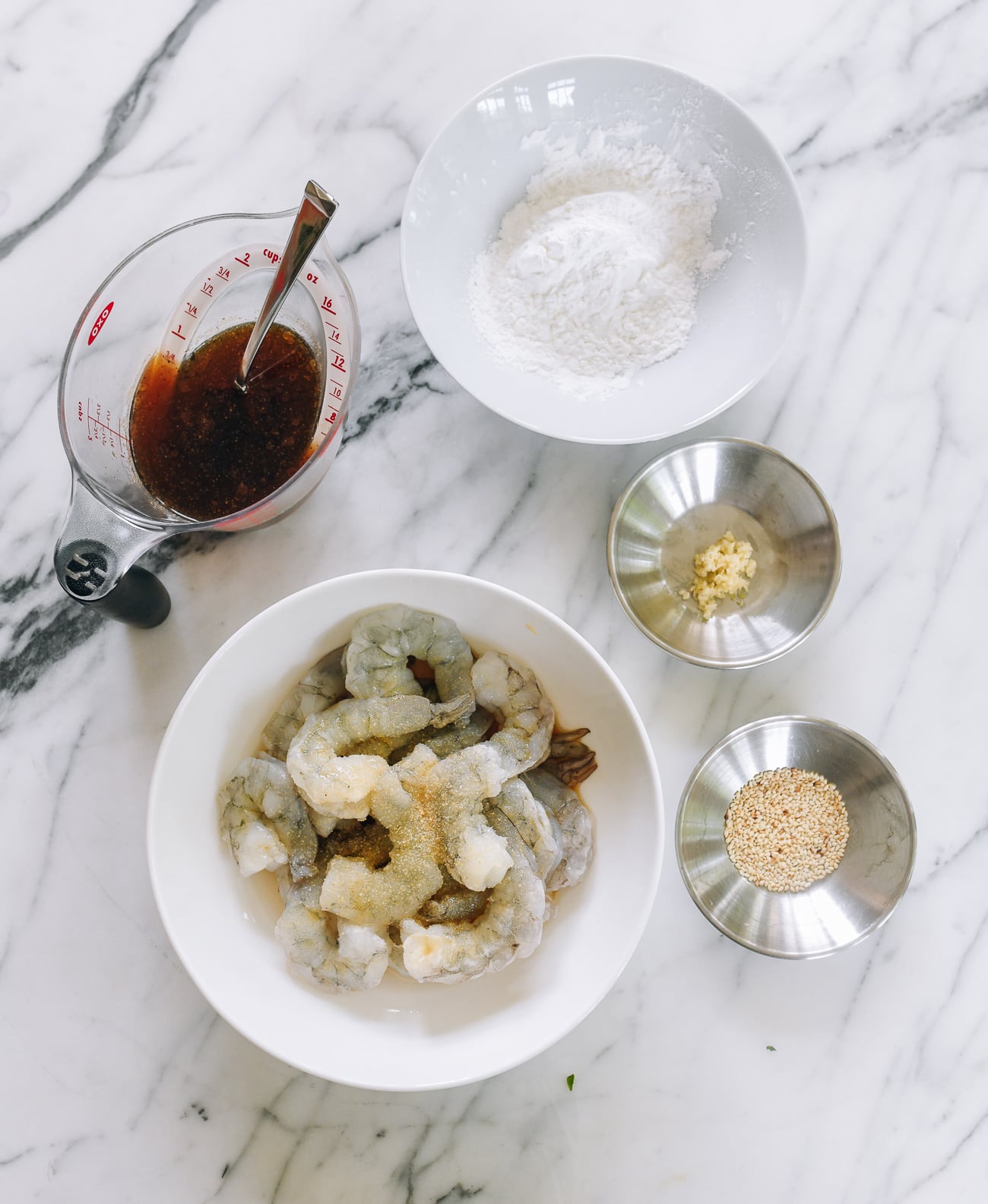
Following the physical preparation, the shrimp undergo a preliminary marination. Rather than soaking in liquid alone, the crustaceans are tossed with a precise blend of rice wine, salt, sugar, garlic powder, onion powder, sesame oil, and an initial measured quantity of cornstarch. This step seasons the interior meat while creating a foundational adhesive layer.

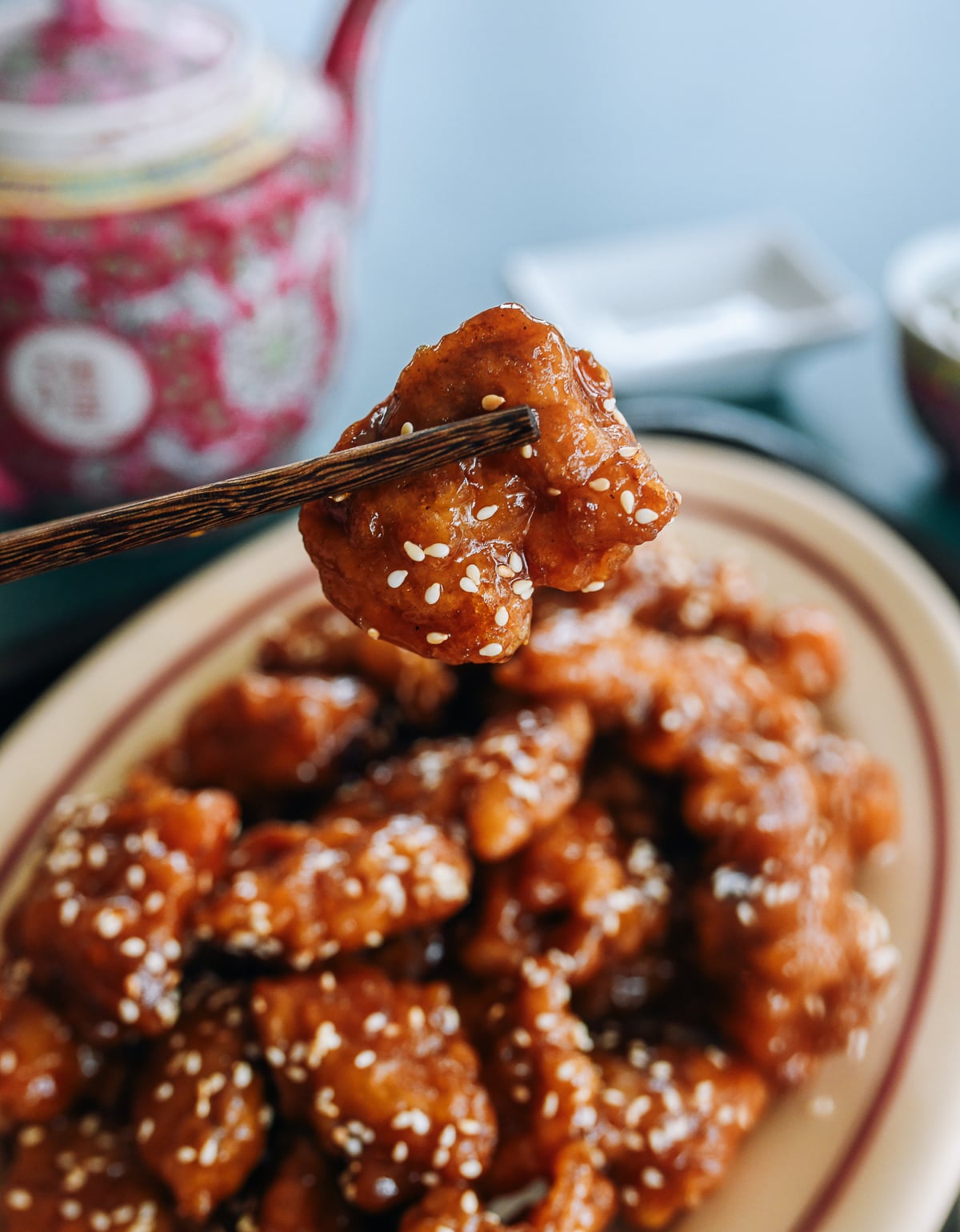
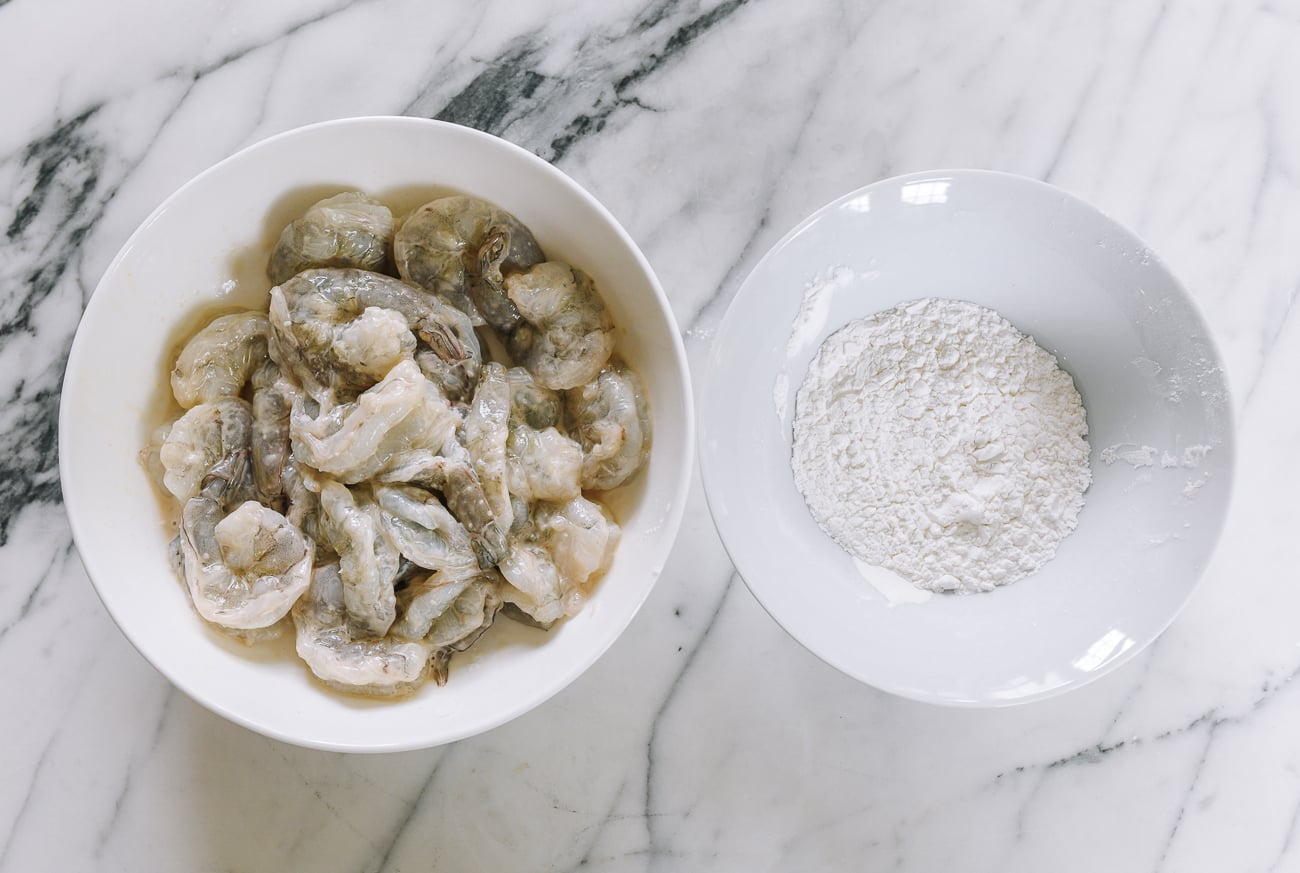
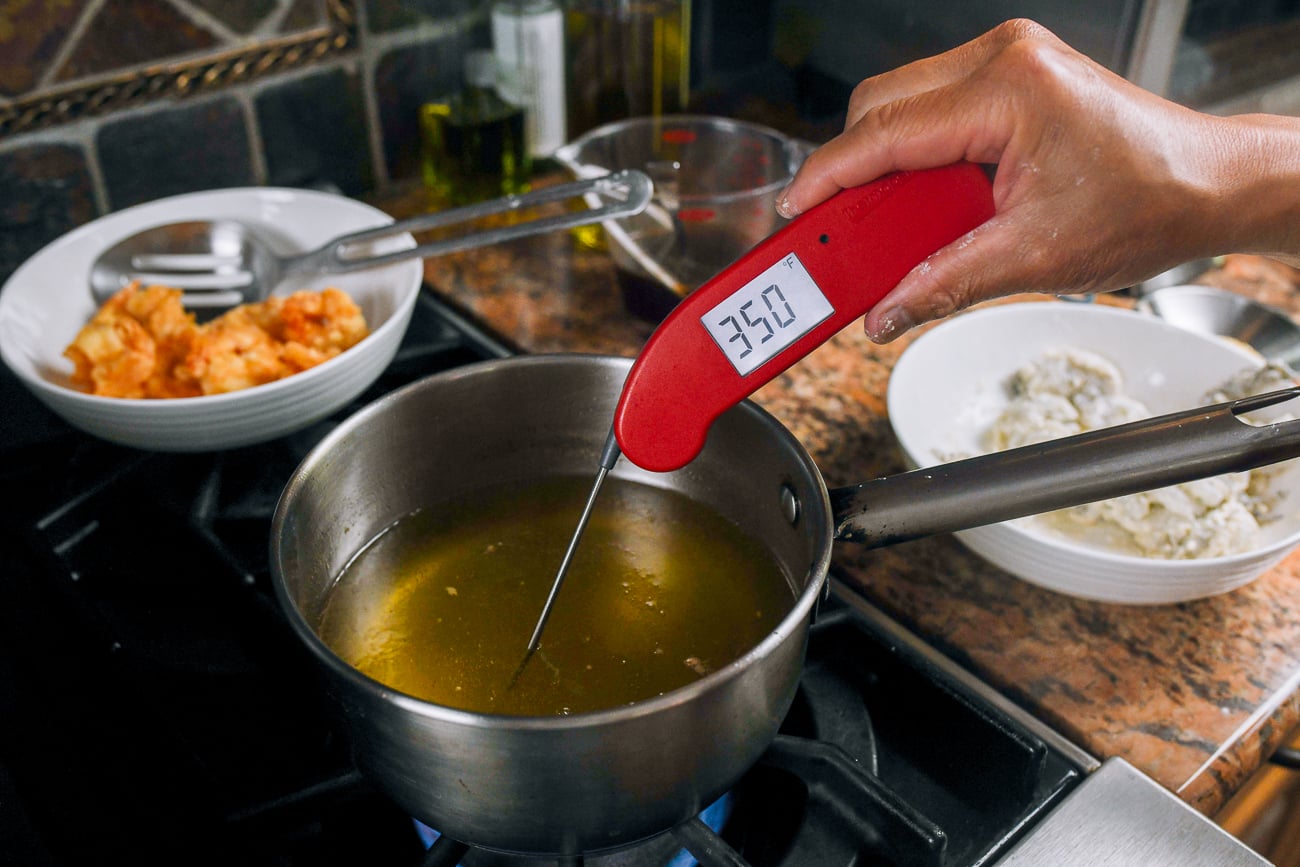
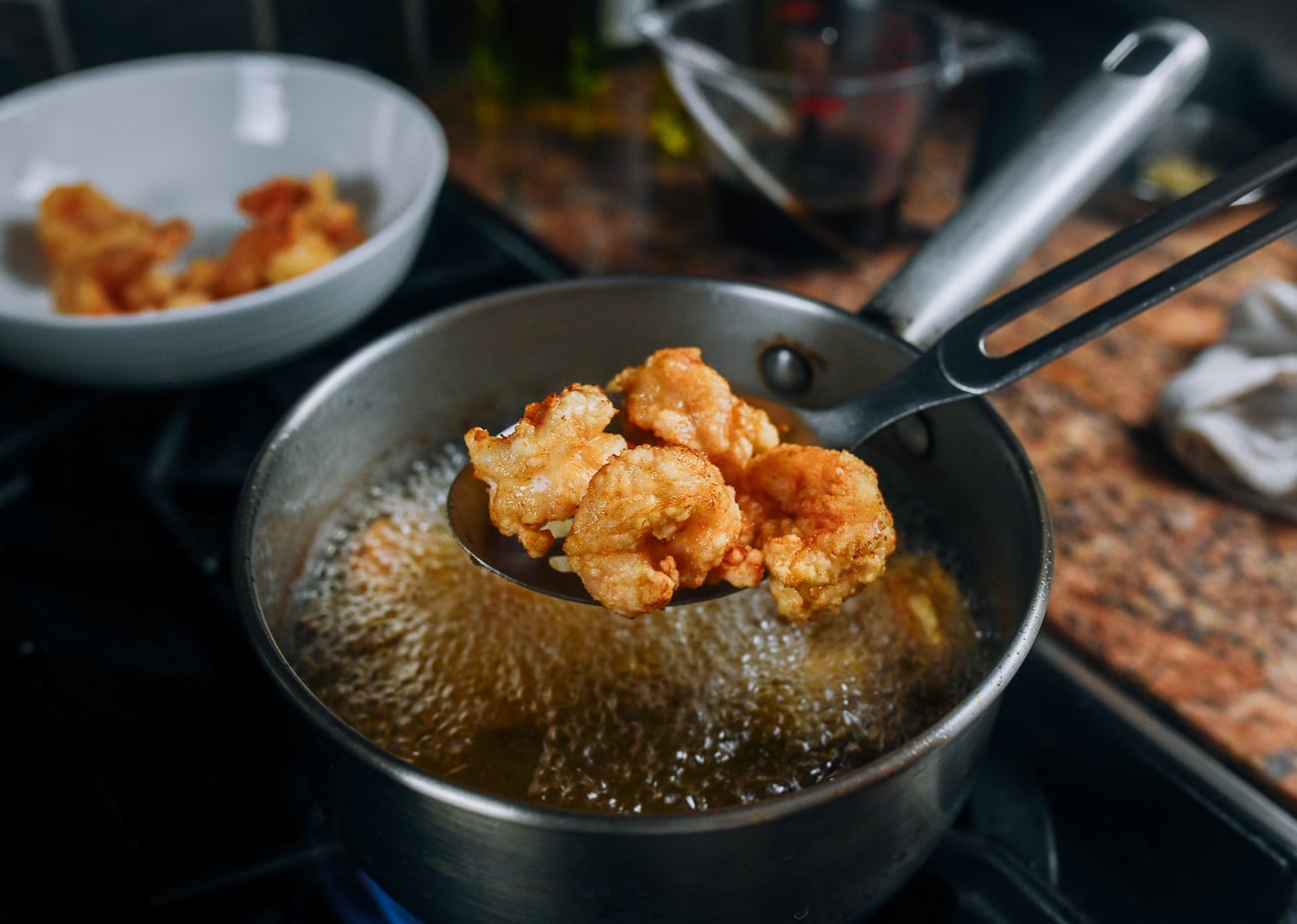
The defining characteristic of this technique is the two-step starch application. After the initial marination, the shrimp are allowed to rest before a final dusting of dry cornstarch is applied immediately prior to frying. The resulting coating appears slightly damp—a deliberate anomaly caused by the interaction of surface moisture, marinade, and starch. When introduced to cooking oil maintained at precisely 350 degrees Fahrenheit (175 degrees Celsius), this hydrated starch layer flashes into a delicate, shatteringly crisp crust that seals in the natural juices of the shrimp without masking its flavor.
Step-by-Step Chronology of the Recipe Execution

The successful execution of Sesame Shrimp requires adherence to a structured timeline to ensure optimal texture and thermal management.
Phase One: Preparation and Marination (Minutes 1 through 15)
The process commences with the mechanical preparation of the shrimp. Cooks utilize a paring knife to deepen the natural dorsal cuts of peeled and deveined shrimp, ensuring they will curl properly upon contact with heat. The prepared shrimp are then transferred to a mixing vessel and combined with the primary marinade ingredients: sugar, salt, garlic powder, onion powder, rice wine, sesame oil, and one and a half tablespoons of cornstarch. Concurrently, the sauce mixture is prepared in a separate container by whisking together hot water or chicken stock, sugar, oyster sauce, soy sauce, Shaoxing wine, rice vinegar, sesame oil, and white pepper.

Phase Two: Thermal Processing and Frying (Minutes 16 through 30)
A deep vessel is filled with two to three inches of neutral frying oil and brought to 350 degrees Fahrenheit over medium-high heat. As the oil preheats, the remaining quarter-cup of cornstarch is distributed over the marinated shrimp, tossing gently to achieve the requisite damp-looking coating.
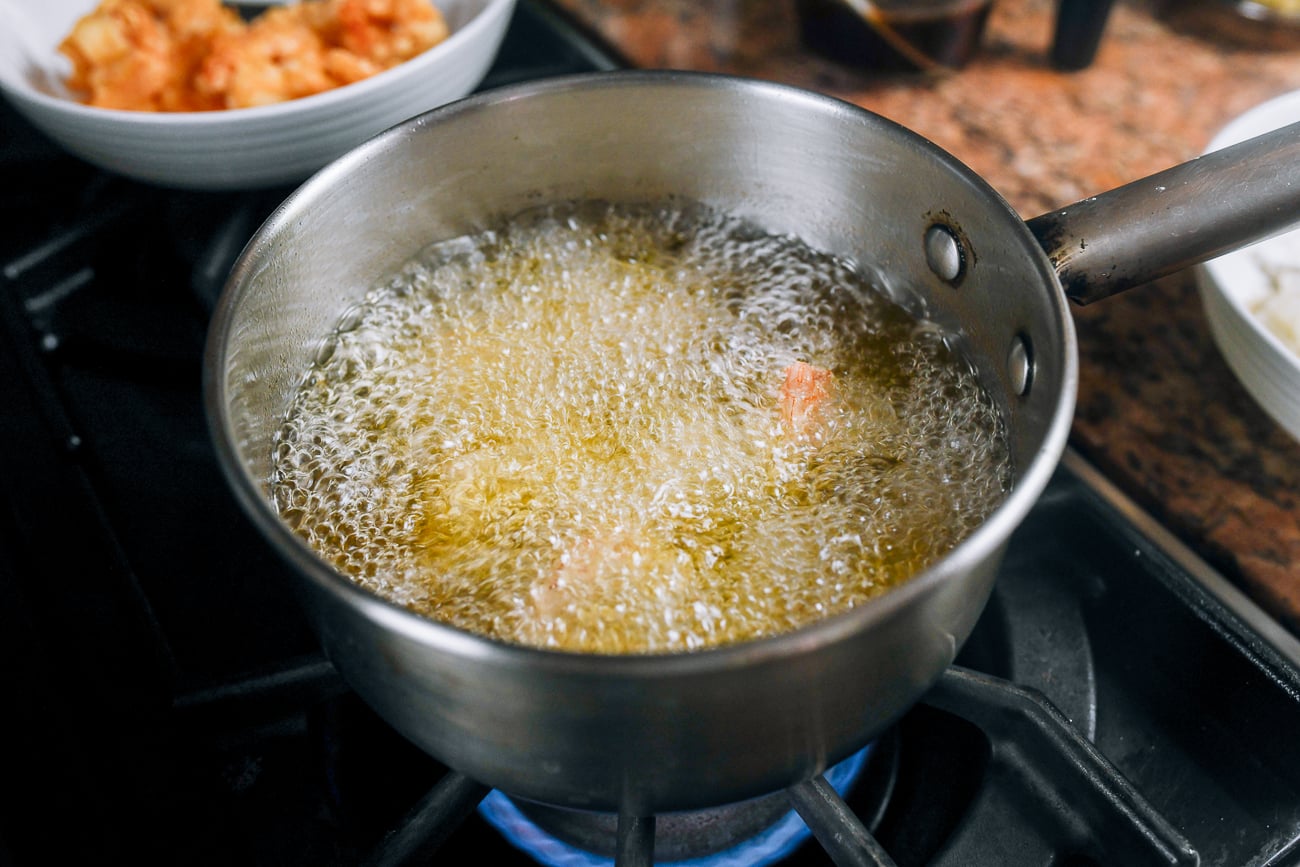
Frying must be executed in discrete batches—typically two to three iterations depending on the vessel’s capacity—to prevent the oil temperature from dropping precipitously. Individual shrimp are introduced sequentially in rapid succession to ensure uniform cooking times. Using a spider strainer or slotted spoon, the cook gently agitates the shrimp for two to three minutes until the coating turns a light golden hue and the flesh acquires an opaque orange tint. The cooked shrimp are subsequently transferred to a paper-towel-lined plate to drain excess lipids.

Phase Three: Sauce Reduction and Final Assembly (Minutes 31 through 40)
To establish structural continuity in the sauce, water is added to the residual marinade bowl, utilizing a rubber spatula to harvest the remaining cornstarch dregs to form a thickening slurry.
A wok is heated over medium flame with a small quantity of frying oil, where minced garlic is introduced briefly—sautéing for no more than ten seconds to release aromatics without burning. The pre-mixed sauce is added immediately, the heat is elevated to high, and the liquid is brought to a rapid simmer. The cornstarch slurry is integrated gradually until the mixture achieves a viscosity capable of cleanly coating the back of a spoon.
The freshly fried shrimp, accompanied by half of the designated toasted sesame seeds, are folded into the simmering wok. Tossing the ingredients continuously for approximately twenty seconds ensures complete enrobage while preventing the crust from absorbing excess moisture. The finished dish is plated immediately and garnished with the remaining toasted sesame seeds.
Nutritional Profile and Dietary Analysis
From a nutritional standpoint, the standard four-serving configuration of this dish offers a balanced macronutrient distribution typical of modern, home-prepared Asian cuisine. An analytical breakdown per serving indicates an average caloric yield of approximately 244 kilocalories.
The nutritional architecture comprises roughly 11 grams of carbohydrates, primarily driven by the moderate inclusion of sugars and starches utilized in the sauce and dredging process. Protein content stands at a robust 16 grams per serving, underscoring the inherent nutritional value of the seafood base. Fat content registers at 14 grams, partitioned primarily between monounsaturated (8 grams) and polyunsaturated (4 grams) fats, with saturated fat kept to a minimal 1 gram.
Dietary sodium levels, however, reflect the traditional reliance on soy-based and oyster-based condiments, registering an average of 1,025 milligrams per serving. Culinary analysts note that while this figure accounts for approximately 43 percent of the recommended daily intake, home preparers maintain the autonomy to modulate sodium levels through the strategic selection of low-sodium soy sauces or alternative stock bases. Cholesterol levels remain consistent with shellfish consumption, averaging 143 milligrams per serving.
Broader Culinary Implications and Market Trends
The popularization of elevated takeout recipes for the home kitchen reflects a broader cultural shift in consumer dining habits. Industry observers note an increasing consumer demand for culinary transparency and technical proficiency, as home cooks seek to replicate—and frequently surpass—the quality of commercial delivery services.
The inclusion of seafood within the traditionally poultry-centric "Sesame" genre points to an ongoing diversification of home-cooking paradigms. By demystifying professional techniques such as dry-starch dredging and precise thermal control, culinary educators empower consumers to experiment with unfamiliar proteins while retaining familiar flavor profiles. Furthermore, the adaptability of the foundational sauce formula—interchangeable across chicken, beef, tofu, and now shrimp—highlights a streamlined approach to weeknight meal preparation that minimizes ingredient redundancy while maximizing gastronomic satisfaction.
As culinary content continues to prioritize accessible technique paired with professional results, the boundaries between restaurant execution and domestic preparation continue to blur, establishing a new benchmark for home-cooked comfort food.