A Taste of Paradise: Homemade Tropical Granola Offers a Delicious Escape

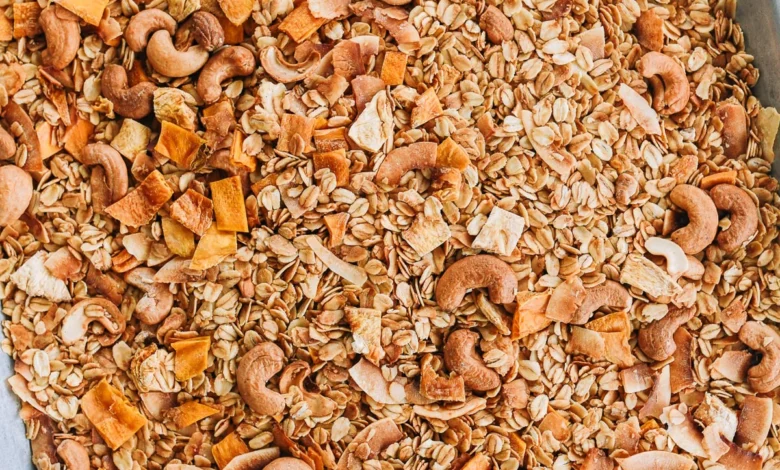
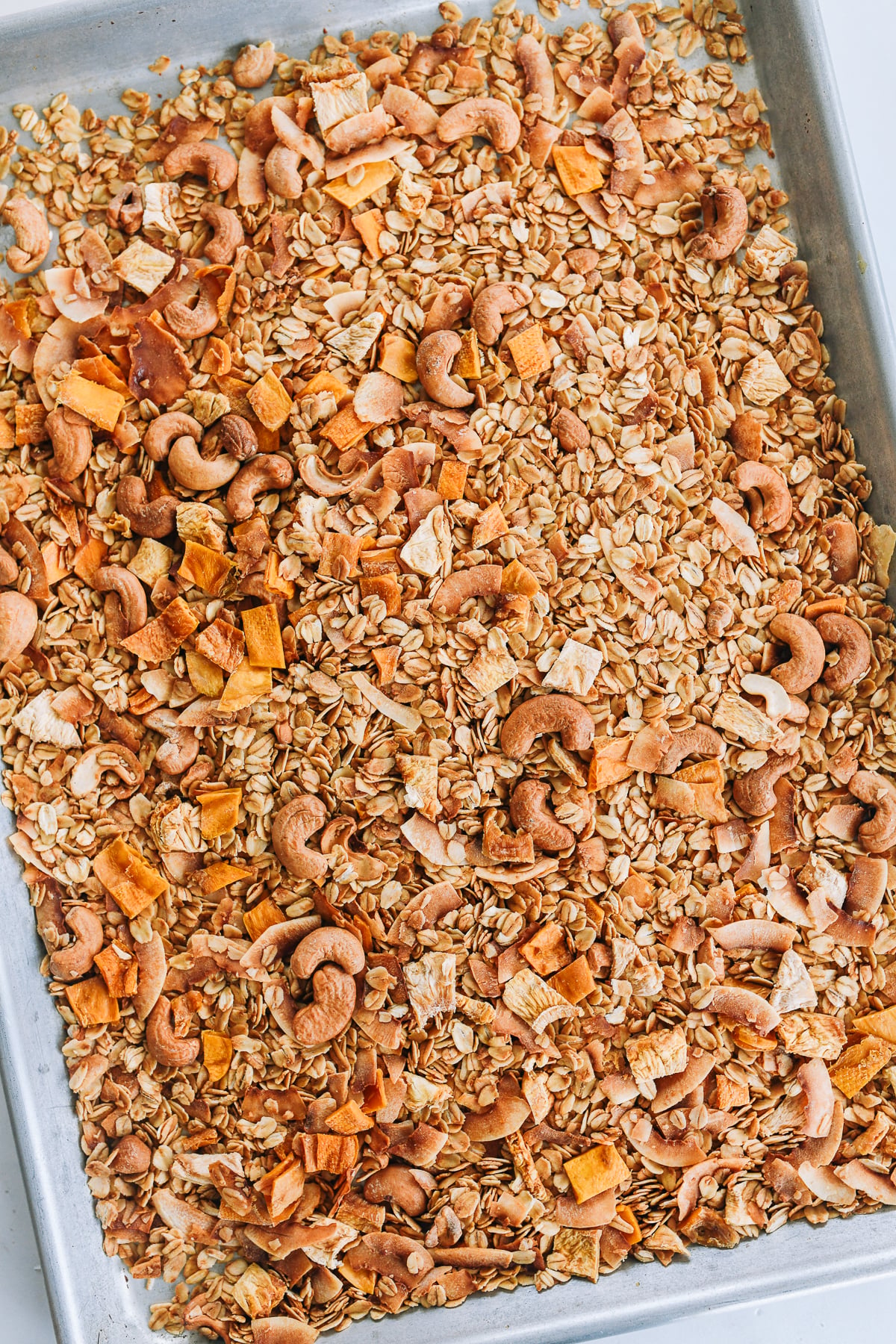
The allure of a tropical getaway is now within reach, not through a plane ticket, but through a spoonful of homemade tropical granola. This vibrant and flavorful blend promises to transport your taste buds to sun-drenched beaches with every bite. Crafted from a base of toasted oats, complemented by the rich crunch of golden cashews and/or macadamia nuts, and infused with the sweet, chewy notes of dried papaya and pineapple, this recipe is a celebration of exotic flavors. The addition of coconut flakes adds a distinct tropical essence, creating a culinary experience that is both invigorating and satisfying.
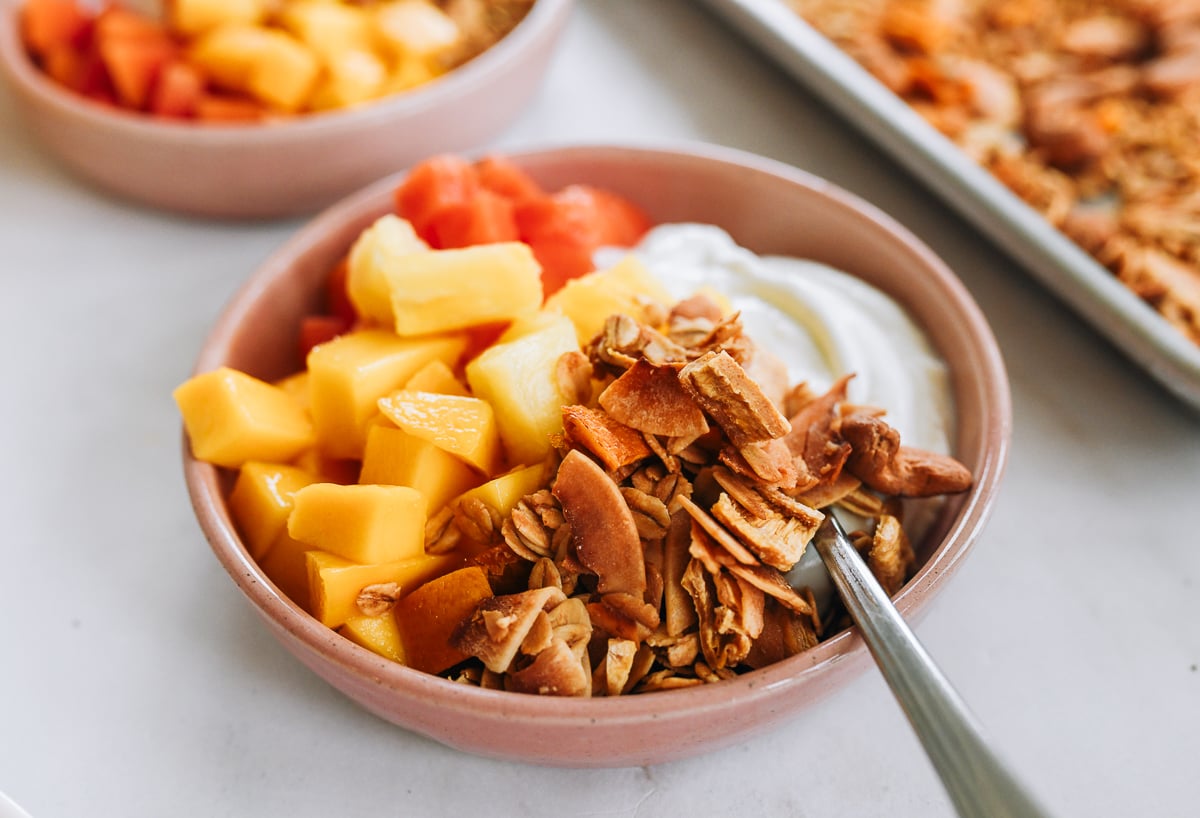
This artisanal granola isn’t just a breakfast staple; it’s an invitation to a mini-vacation. When paired with plain yogurt, a drizzle of honey, and a colorful medley of fresh fruits such as banana, mango, pineapple, papaya, and the striking dragon fruit, it transforms a simple meal into a visually stunning and delectable feast. This presentation evokes the feeling of a luxurious island breakfast, proving that an escape to paradise can be as accessible as your own kitchen.
Homemade Granola: A Superior Alternative
The burgeoning popularity of homemade granola is a testament to its superiority over commercially produced alternatives. Store-bought granolas, while convenient, often come with a significant drawback: an excessive amount of added sugar. This makes them less healthy and often more expensive for the quantity provided. This concern is particularly amplified when it comes to specialty flavors like tropical granola. These unique blends can be considerably pricier than standard varieties and are frequently scarce in mainstream grocery stores, leaving consumers with limited options.
The empowerment of creating granola from scratch lies in the absolute control over its composition. Consumers can meticulously manage the sweetness levels, curate their preferred fruit combinations, and produce generous batches that offer excellent value and longevity. The ease and affordability of this process often lead to a realization that the days of relying on pre-packaged granola are numbered, with homemade versions quickly becoming the preferred choice.
Curating the Tropical Fruit Profile
The selection of tropical fruits is paramount to achieving the authentic flavor profile of this granola. For the coconut element, unsweetened coconut flakes are recommended. Their larger size and more substantial texture provide a delightful chewiness and visual appeal, making them stand out in the granola mix. Alternatively, shredded or desiccated coconut can be used for a finer texture and more integrated coconut flavor.
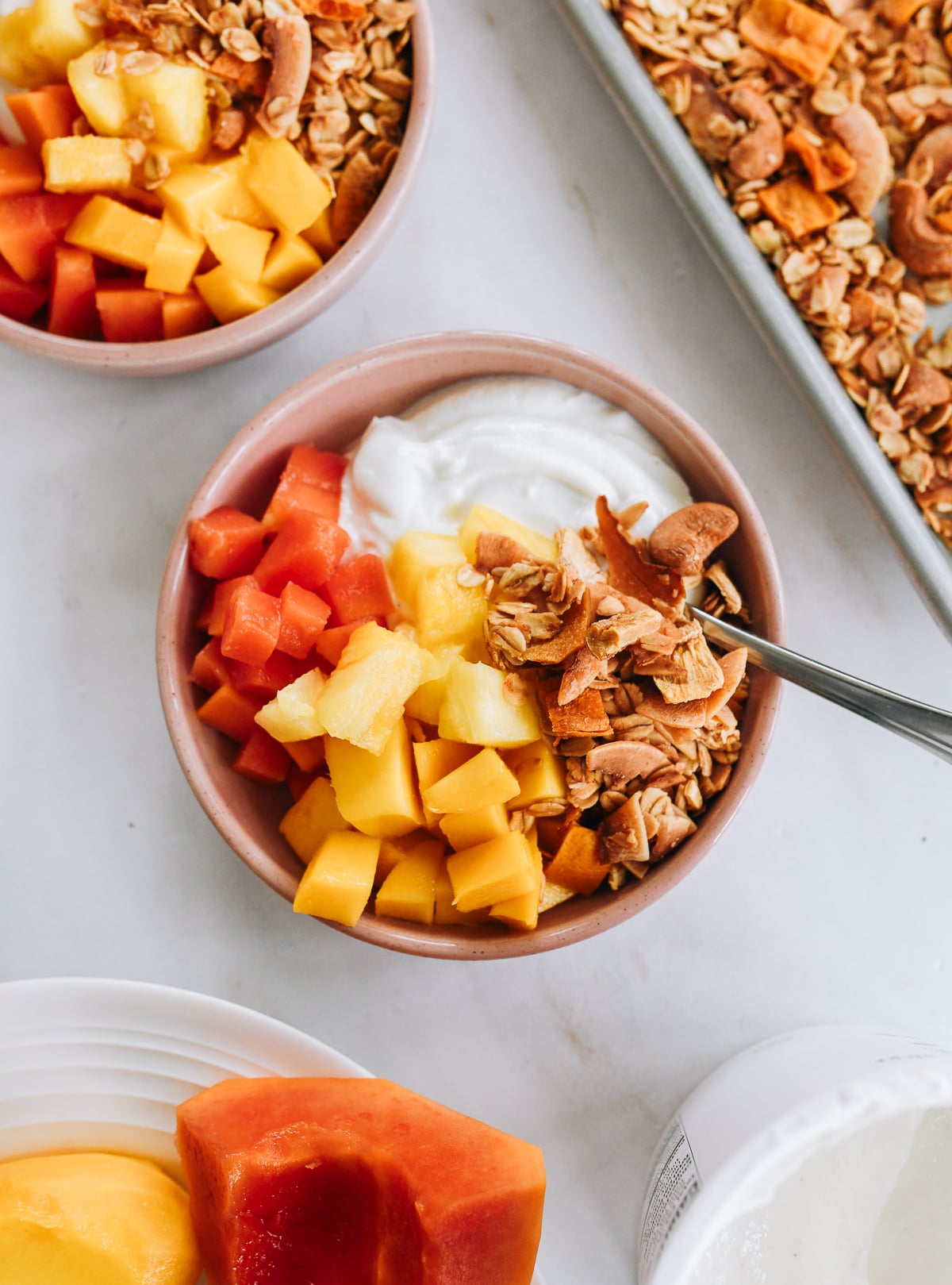
The dried fruit component offers a spectrum of possibilities. Dried papaya and pineapple are favored for their beautiful crystalline appearance and satisfyingly chewy texture. However, their availability can fluctuate. In instances where these are not readily available, dried mango serves as an excellent substitute. Typically sold in slices, dried mango requires dicing before incorporation into the granola. For an added layer of crunch and a hint of tropical sweetness, crushed banana chips can also be a welcome addition, further enhancing the textural complexity of the final product.
The Crafting of Tropical Granola: A Step-by-Step Guide
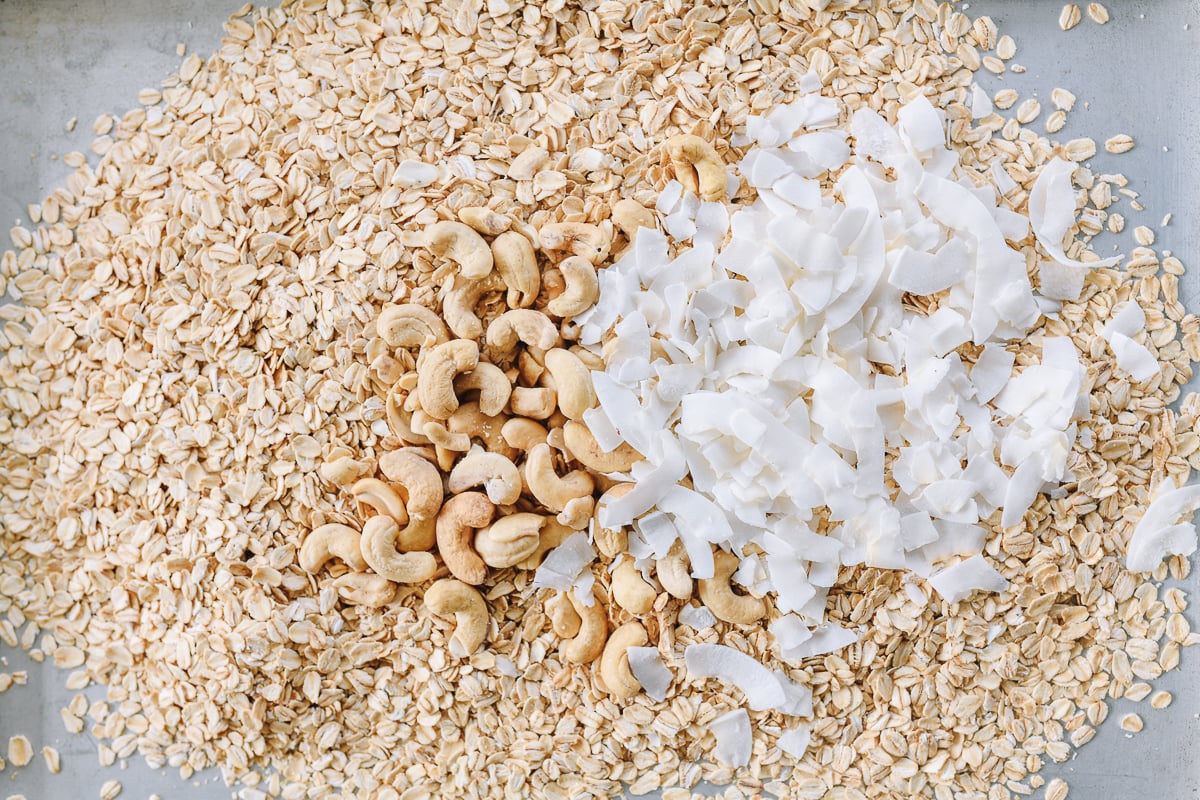
The creation of this tropical granola is a straightforward process, beginning with preheating the oven to a moderate 275°F (135°C). On a spacious baking sheet, the dry ingredients – oats, nuts, and coconut flakes – are combined. In a separate bowl, the wet ingredients, consisting of maple syrup, oil, and a pinch of salt, are whisked together. This liquid mixture is then poured over the dry ingredients, ensuring that everything is thoroughly coated. The blend is then baked for approximately 50 minutes, with stirring occurring every 15 to 20 minutes to promote even toasting and prevent burning.
Upon removal from the oven, the granola is allowed to cool completely. This cooling period is crucial for achieving the desired crispness. Once cooled, the dried fruits are stirred in, distributing them evenly throughout the granola.
Storage and Shelf Life
The storage of homemade granola is critical to maintaining its freshness and texture. When stored in an airtight container at room temperature, the granola will remain palatable for up to two weeks. Refrigeration extends this shelf life to approximately one month, while freezing can preserve its quality for up to four months. This extended shelf life ensures that a batch of homemade tropical granola can be enjoyed over an extended period, providing a consistent source of delicious and healthy fuel.
Nutritional Insights and Considerations
The nutritional profile of this tropical granola, based on a serving size of approximately 1/2 cup, offers a balanced blend of macronutrients. Each serving contains an estimated 290 calories, with carbohydrates accounting for about 33 grams (11% of daily recommended intake), protein at 6 grams (12% DV), and fat at 16 grams (25% DV). Within the fat content, saturated fat is estimated at 8 grams (40% DV), while polyunsaturated and monounsaturated fats contribute 2 grams and 5 grams respectively.
The granola also provides essential micronutrients. It contains approximately 103 mg of sodium (4% DV), 224 mg of potassium (6% DV), 4 grams of fiber (16% DV), and 12 grams of sugar (13% DV). Vitamin C content is around 2 mg (2% DV), calcium at 30 mg (3% DV), and iron at 2 mg (11% DV).
It is important to note that these nutritional figures are estimates. TheWoksofLife.com, as a purveyor of culinary information, clarifies that they are not certified nutritionists. The provided data serves as a general guideline, and actual nutritional values may vary based on factors such as the specific brands of ingredients used, natural variations in fresh produce, and the precision of individual preparation methods. For precise nutritional information, consumers are encouraged to utilize their preferred online nutrition calculators with the exact ingredients and quantities employed in their preparation.
The creation of this tropical granola represents more than just a recipe; it signifies a shift towards mindful consumption, prioritizing quality ingredients, controlled sweetness, and the sheer satisfaction of crafting a delicious, healthy, and transportive food item from scratch. It’s an accessible indulgence that brings a taste of paradise to everyday life.