Mastering the Ultimate 5-Minute Vietnamese Dipping Sauce (Nuoc Cham) at Home

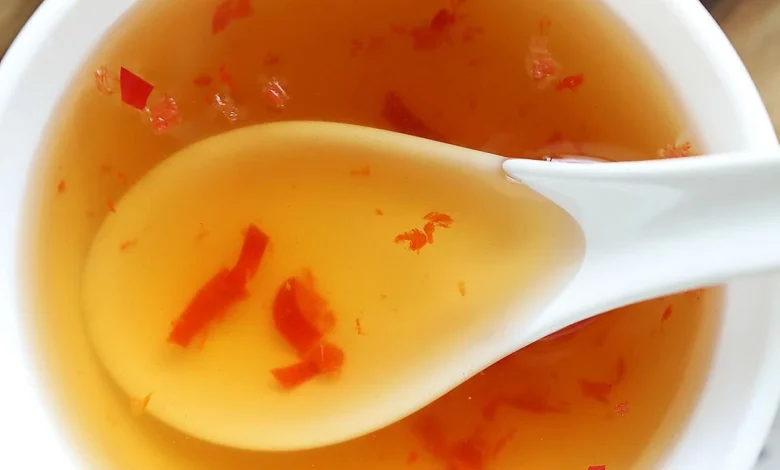
The global appetite for Southeast Asian cuisine has experienced unprecedented growth over the past two decades, with Vietnamese gastronomy standing out for its delicate balance of vibrant herbs, complex proteins, and masterfully crafted condiments. Among the cornerstones of this culinary tradition is nuoc cham—frequently referred to in culinary nomenclature as nuoc mam cham—a translucent, golden dipping sauce that accompanies everything from fresh summer rolls to fragrant vermicelli noodle bowls. While commercial adaptations and restaurant-quality bottles flood international supermarket aisles, recreating this iconic condiment at home has historically challenged domestic cooks due to subtle variables in temperature, sugar dissolution ratios, and the inherent saltiness of varying fish sauce brands. Culinary experts and home economists have now streamlined this process into a definitive, five-minute methodology that relies strictly on pantry staples: premium fish sauce, warm water, white granulated sugar, freshly squeezed lime juice, and birds-eye chilies.
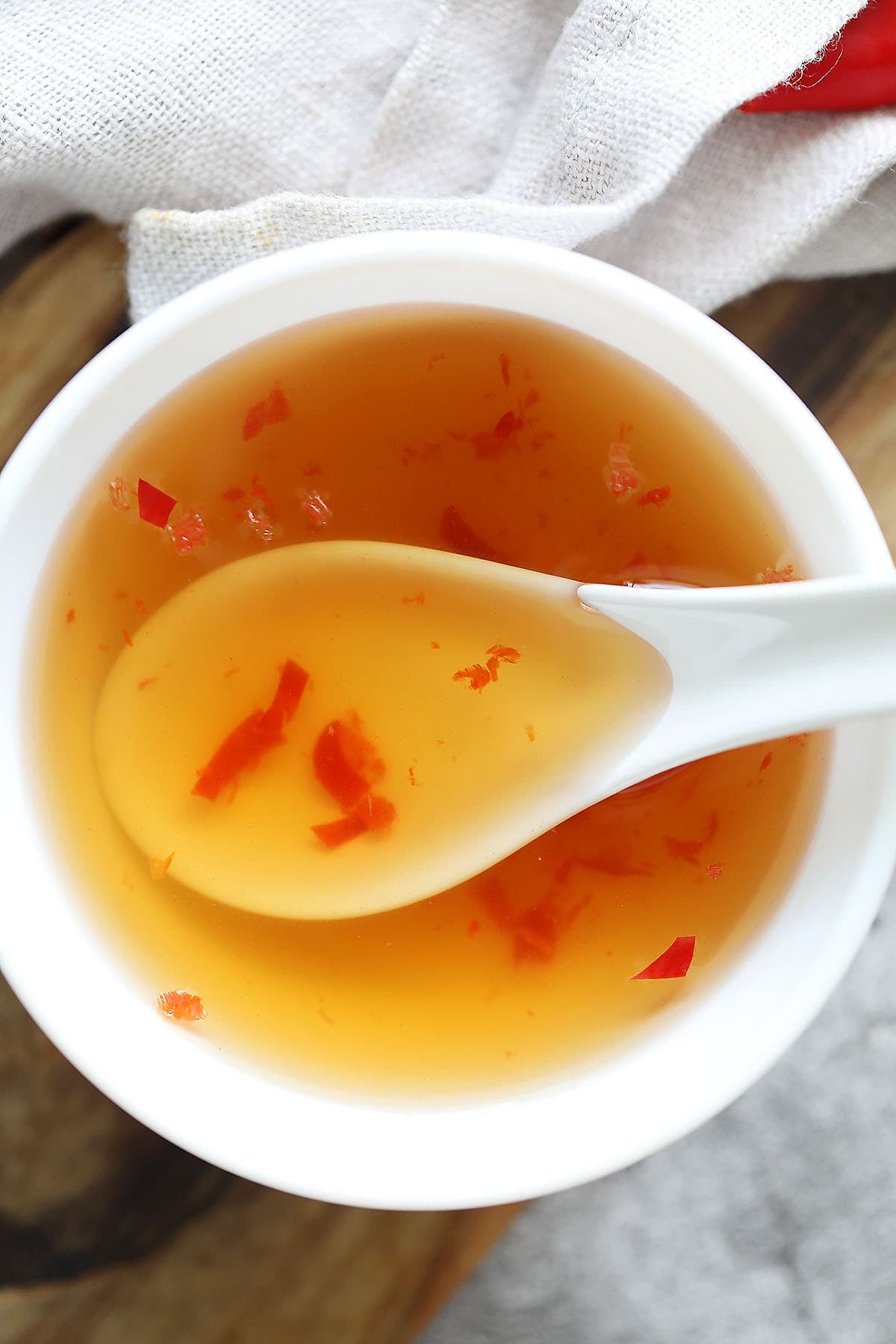
Understanding the precise etymology and linguistic distinction surrounding the condiment illuminates its cultural significance in Vietnamese households. While Western diners universally use the blanket term nuoc cham to describe the sweet, savory, and tangy table dip, the word itself translates broadly to any variety of dipping sauce. By contrast, nuoc mam designates pure, bottled fish sauce extracted from fermented anchovies and salt. When that base fish sauce is diluted and balanced with water, sugar, and citrus, the technical term becomes nuoc mam cham (dipping fish sauce). This foundational liquid acts as an equalizer across multiple dishes, bridging heavy proteins with crisp vegetables through a precise interplay of umami, acidity, and sweetness.
The structural integrity of an authentic nuoc cham relies heavily on ingredient selection, beginning with the primary flavor vehicle: fish sauce. Industry analysts tracking imported Asian foodstuffs note that the quality of fish sauce is universally measured by its protein content and origin, with regional variations from Phu Quoc and Thailand offering distinct flavor profiles. High-grade fish sauces feature clean, amber hues without excessive sediment, providing a robust umami foundation that does not overpower the palate. Food science researchers emphasize that utilizing warm water—as opposed to boiling liquid—is an indispensable chemical step in the preparation. Warm water accelerates the kinetic energy of white granulated sugar molecules, allowing them to dissolve completely within seconds. This prevents the formation of an unappealing, gritty sediment layer at the bottom of the serving vessel. Culinary purists strictly advise against substituting white sugar with brown sugar or unrefined alternatives, as the heavy molasses undertones interfere with the delicate, clean profile demanded by fresh citrus. Furthermore, the acid source requires absolute precision: only freshly squeezed lime juice yields the necessary aromatic volatility and floral acidity. Bottled lime juices, laden with preservatives and citric acid substitutes, impart a flat, metallic aftertaste that fundamentally compromises the sauce’s sensory appeal.
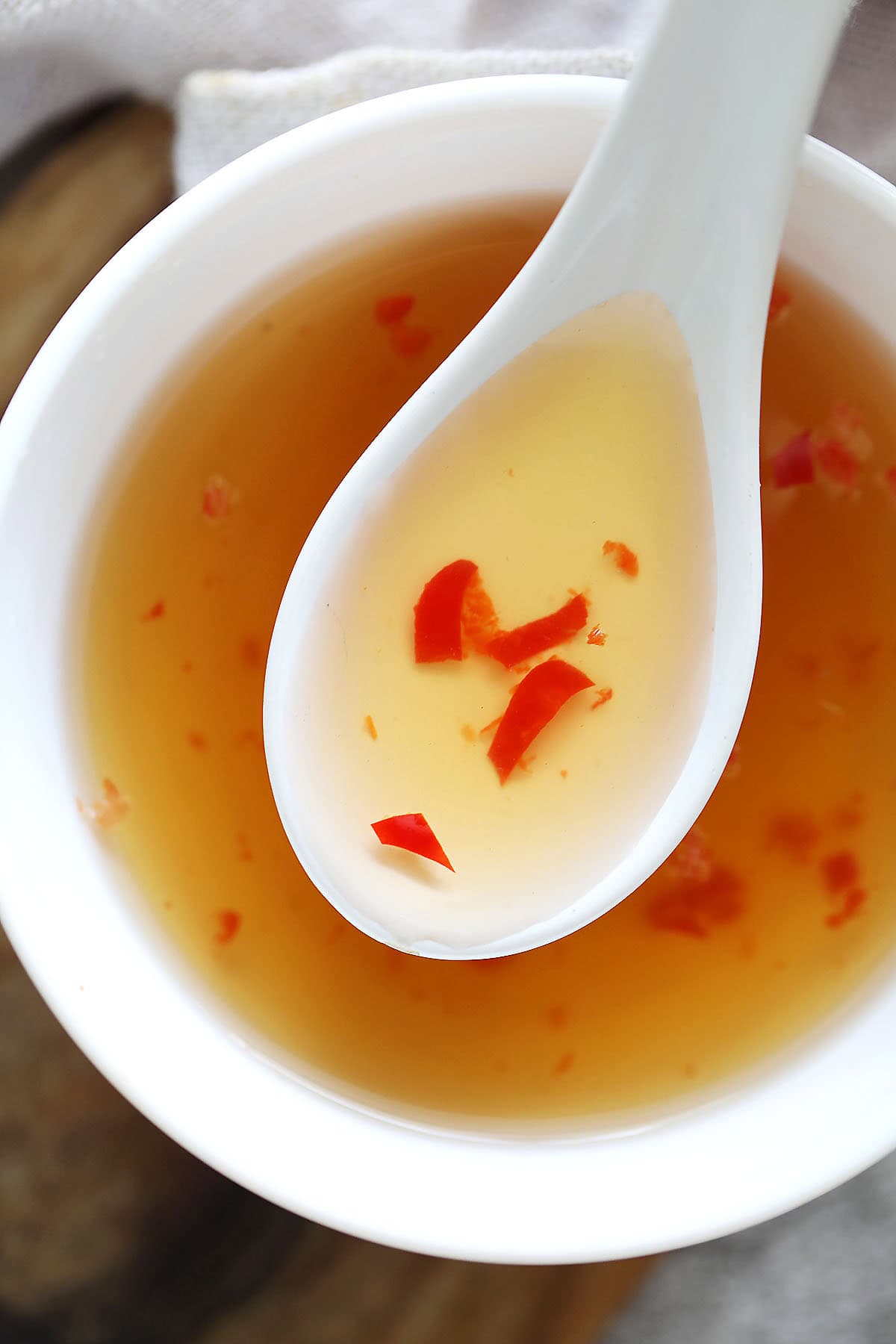
Chronology and Preparation Methodology
The development of the modern standardized recipe for quick-method nuoc cham emerged from the necessity of replicating restaurant-standard consistency in home kitchens. Historically, traditional preparation involved slowly simmering sugar and water into a simple syrup before blending, a time-consuming barrier that discouraged casual home cooks. The contemporary five-minute standard bypasses thermal reduction through precise volumetric ratios and energetic mechanical agitation.
The procedural sequence requires precise timing and execution to ensure optimal flavor extraction:
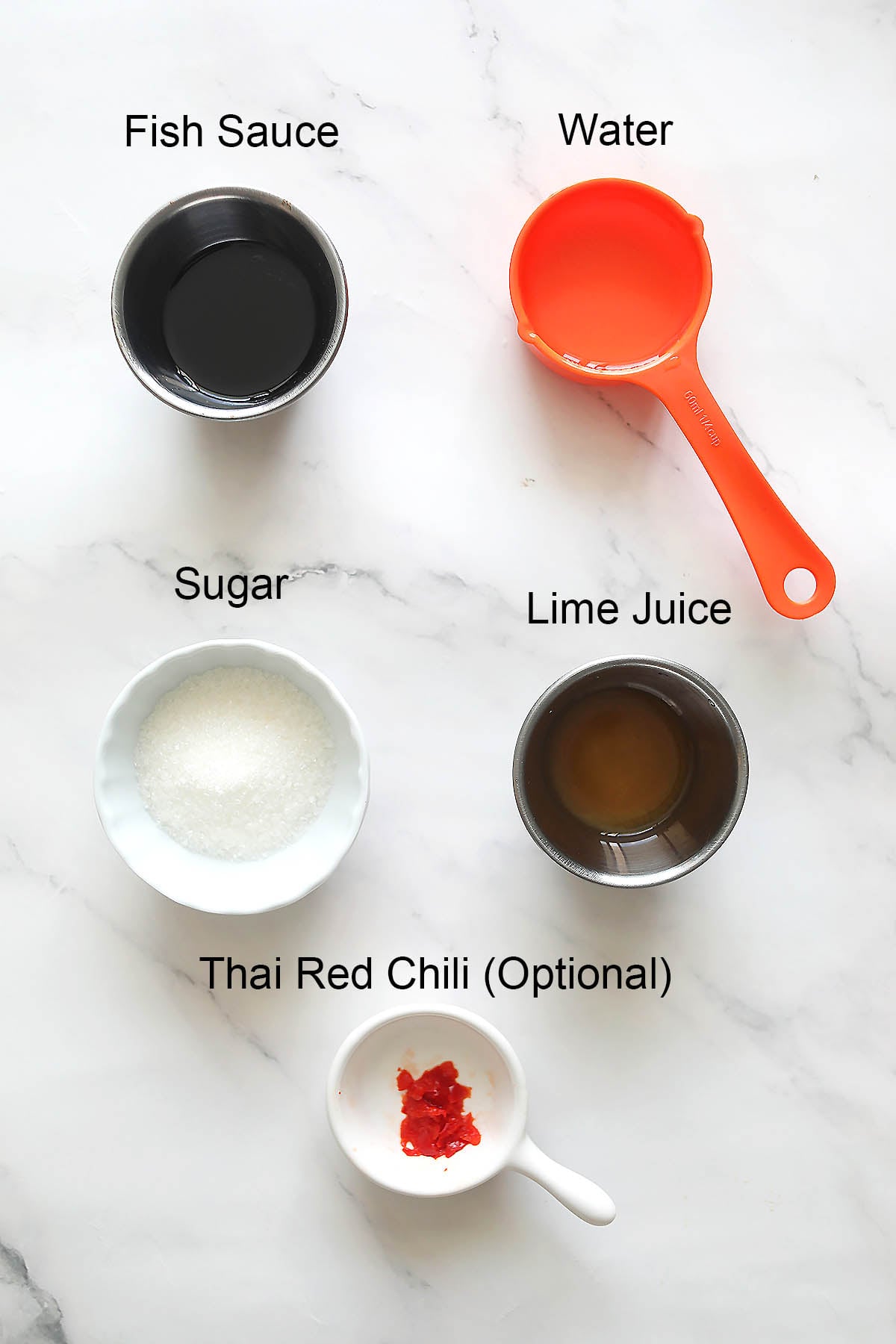
- Base Combination: In a non-reactive glass or ceramic mixing bowl, combine measured quantities of premium fish sauce, warm water, white granulated sugar, and freshly squeezed lime juice.
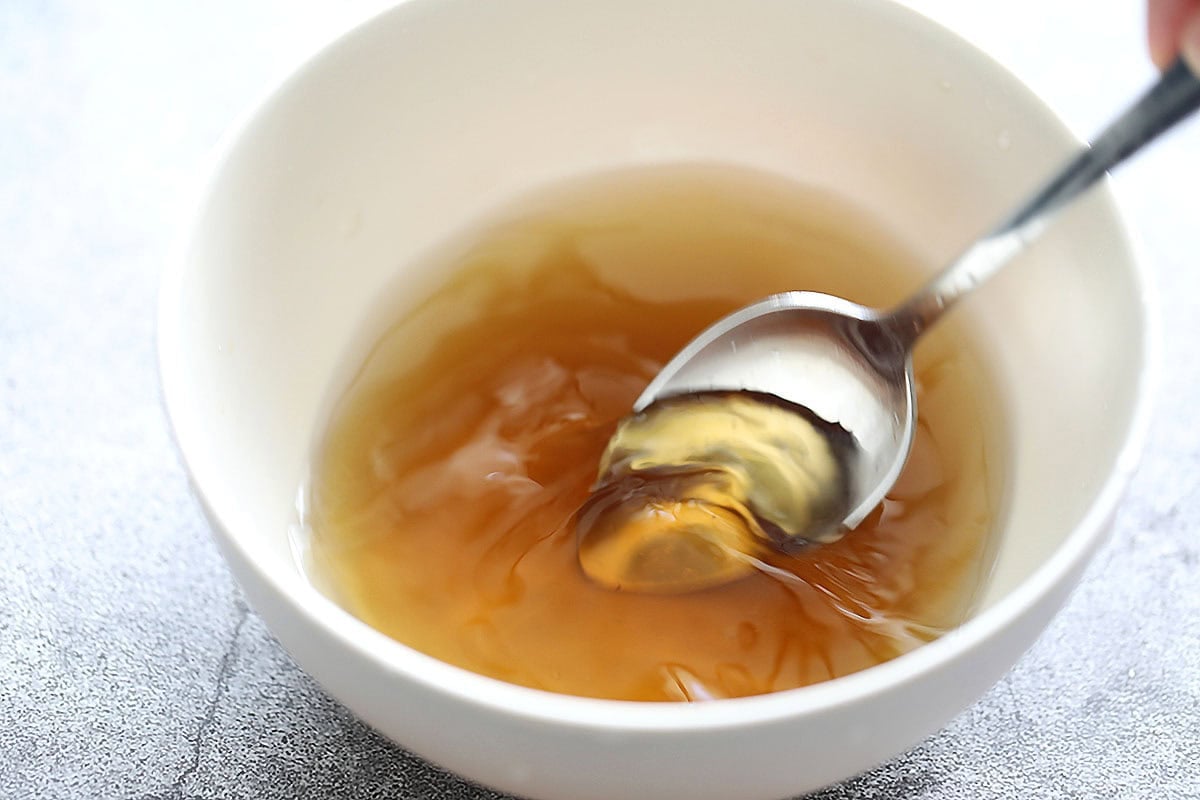
- Dissolution Phase: Vigorously stir the mixture for a minimum of thirty seconds. The objective is total solute integration, ensuring that no crystalline sugar remains suspended or settled at the base of the container.
- Sensory Calibration: Professional kitchens mandate a preliminary tasting step before the introduction of capsaicin elements. Because commercial fish sauce brands fluctuate wildly in sodium content—ranging from intensely saline to deeply umami-forward—cooks must adjust the baseline by incorporating minor increments of warm water to dilute excessive salt or additional lime juice to heighten acidity.
- Infusion of Aromatics: Introduce finely sliced or lightly pounded red chilies (such as Thai bird’s eye chilies) to the liquid. Culinary technicians recommend a mortar and pestle for the chilies; gently bruising the fruit ruptures the cellular walls, releasing capsaicin oils and natural pigments directly into the golden liquid rather than merely floating inert pepper rings on the surface.
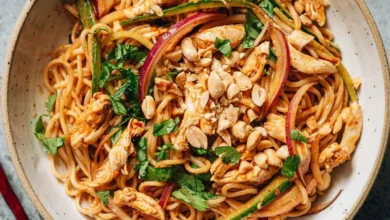
- Final Presentation and Storage: Decant the finished condiment into individual dipping ramekins for immediate service alongside dishes like Goi Cuon (fresh spring rolls), crispy egg rolls, or grilled pork and shrimp vermicelli bowls (Bun Tom Heo Nuong). Unused portions should be transferred immediately to airtight glass vessels for refrigerated storage.
Ingredient Specifications and Nutritional Breakdown
For home cooks adhering to strict dietary parameters or seeking exact replicability, understanding the quantitative metrics of the recipe is essential. Standard culinary yields for this formulation produce approximately three-quarters of a cup (180 milliliters), divided across four standard dietary portions.
Nutritional profiling calculated through standardized food science databases reveals a remarkably light caloric footprint. Each standard serving contains approximately 27 kilocalories, making it a health-conscious alternative to heavy, fat-based emulsions and creamy dressings. The macronutrient breakdown per serving includes roughly 7 grams of carbohydrates—originating almost entirely from the dissolved sucrose—alongside negligible fat content (0.03 grams) and minimal protein (0.4 grams). Due to the heavy reliance on fermented fish extract, the sodium content remains elevated at approximately 532 milligrams per serving, balanced by trace levels of potassium (30 milligrams), calcium, iron, and a minor infusion of Vitamin C (5 milligrams) contributed by the fresh citrus and chilies.
Culinary Integration and Broader Gastronomic Impact
The economic and cultural implications of mastering foundational condiments like nuoc cham extend far beyond individual household kitchens, influencing the broader commercial landscape of fusion and pan-Asian dining. As international consumers increasingly demand authenticity and transparency in ethnic dining, the ability to replicate traditional condiments at home drives retail sales of specialized Asian pantry items, including premium fish sauces, specialized rice vinegars, and authentic produce varieties.
Nutritionists and dietitians frequently praise the structural profile of Vietnamese table sauces for their ability to enhance vegetable consumption. The bright, acidic, and savory profile encourages the heavy consumption of raw herbs—such as mint, cilantro, and perilla—as well as crisp structural vegetables like shredded cabbage, carrots, and cucumbers. By transforming raw, fiber-rich ingredients into deeply flavorful meal components, the sauce plays an indirect yet vital role in promoting balanced, plant-forward dietary habits.
Frequently Addressed Technical Inquiries
Culinary educators frequently encounter specific troubleshooting questions regarding ingredient substitutions and storage longevity. Addressing these variables ensures consistent culinary outcomes across diverse geographic regions where specific ingredients may be scarce.
- Citrus Substitutions: Culinary science dictates that lemons cannot serve as a direct 1:1 replacement for limes in this application. While both provide acidity, lemons possess a sharper, more linear citric profile lacking the distinct floral volatile oils and mild inherent sweetness found in true key or Persian limes. Utilizing lemon juice yields an abrasive, harsh final product that clashes with the pungent depth of fermented fish sauce.
- Aromatic Modifications: While traditionalists strictly utilize fresh chilies, contemporary adaptations frequently incorporate minced garlic to create nuoc mam cham toi ot. When garlic is introduced, the introduction of raw botanical enzymes significantly accelerates microbial activity, reducing the safe refrigerated shelf life from two weeks down to a window of three to five days.
- Preservation and Longevity: When stored in sterile, airtight glass containers under consistent refrigeration temperatures below 40 degrees Fahrenheit (4 degrees Celsius), the base sauce maintains optimal sensory quality for up to fourteen days. For long-term preservation, the mixture can be frozen for up to three months in freezer-safe containers; however, structural separation of the citrus and capsaicin elements requires thorough mechanical restirring upon thawing.