Crispy Baked Tofu with Savory Garlic Sauce Brings Hong Kong Street Food Tradition Into Modern Home Kitchens

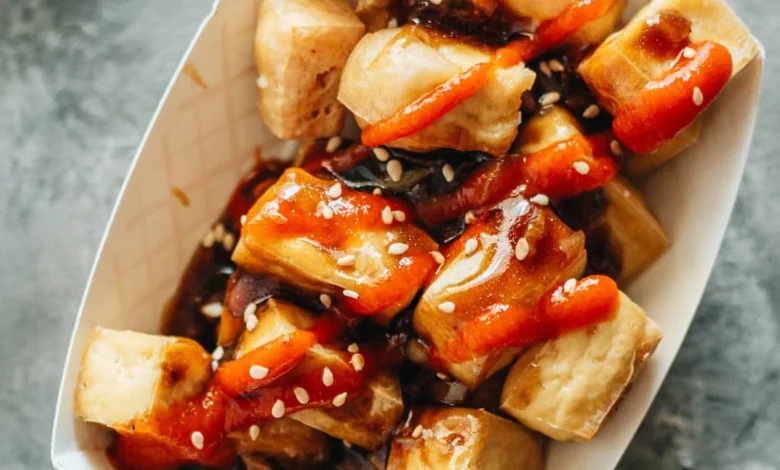
The global culinary landscape has witnessed a significant shift toward accessible plant-based cooking, driven by rising consumer interest in health-conscious eating, global street food culture, and efficient home preparation methods. Among the latest trends capturing the attention of home cooks and culinary enthusiasts alike is a modernized, oven-baked adaptation of a classic Hong Kong-style street snack: crispy tofu cubes smothered in a rich, garlic-heavy soy gravy. Traditionally deep-fried and served in paper trays at bustling bubble tea shops and night markets, this regional favorite has been re-engineered for the contemporary domestic kitchen through a simplified baking technique that eliminates the need for deep-frying without compromising texture or flavor.
Historical Roots and Evolution of the Dish
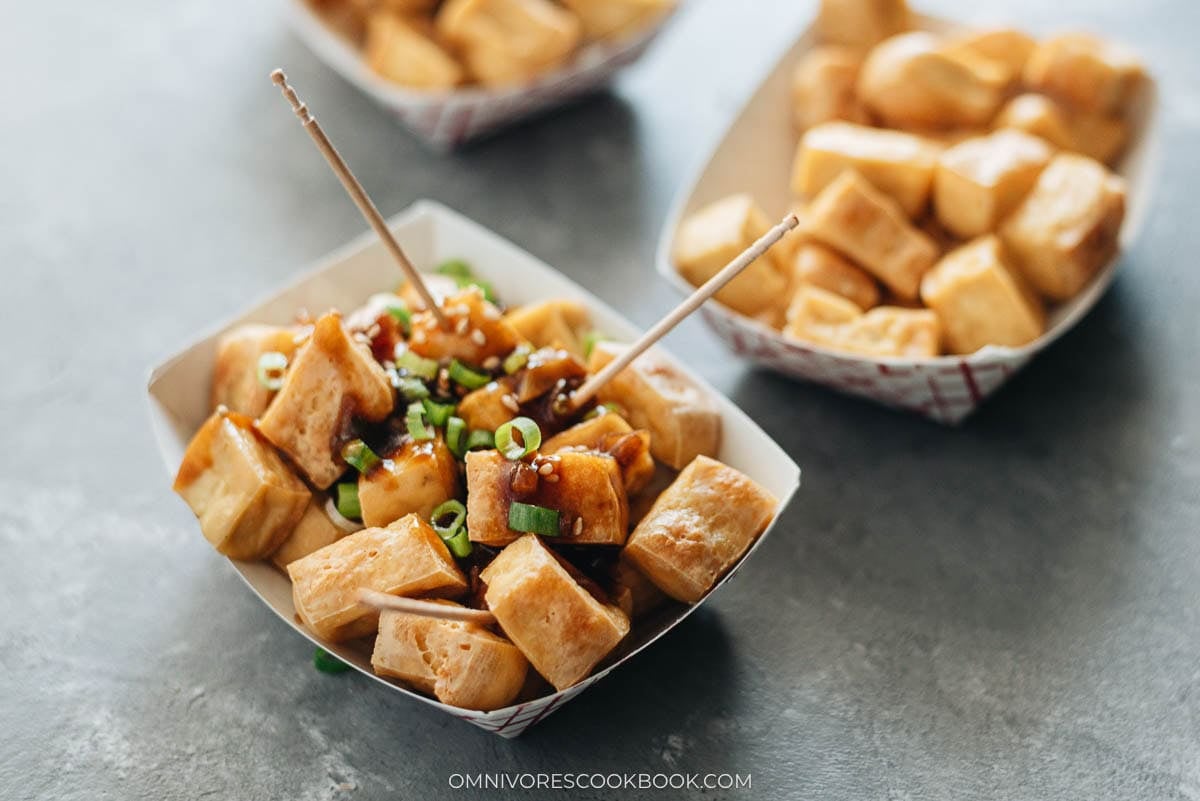
The origins of this culinary favorite trace back to the vibrant street food and dessert shop culture of Hong Kong during the late 20th century. Establishments such as the iconic RBT chain popularized the concept of combining casual snack items with specialty beverages, introducing generations of diners to the textural contrast of exterior-crisp, interior-chewy tofu paired with a deeply savory, umami-rich brown gravy.
In many Asian culinary traditions, particularly in mainland China, tofu has historically functioned as a dietary staple rather than a specialized meat substitute. Valued for its nutritional density, affordability, and versatility, it is regularly integrated into daily meals across socioeconomic boundaries. The evolution of street-style crispy tofu from commercial deep-fryers to residential ovens reflects a broader modern movement toward home-cooking optimization. Culinary professionals and food historians note that as consumers increasingly seek out authentic international flavors that can be executed with standard kitchen appliances, traditional recipes are frequently adapted to utilize baking, air-frying, and streamlined pan-cooking methods.
Nutritional Profile and Dietary Adaptability
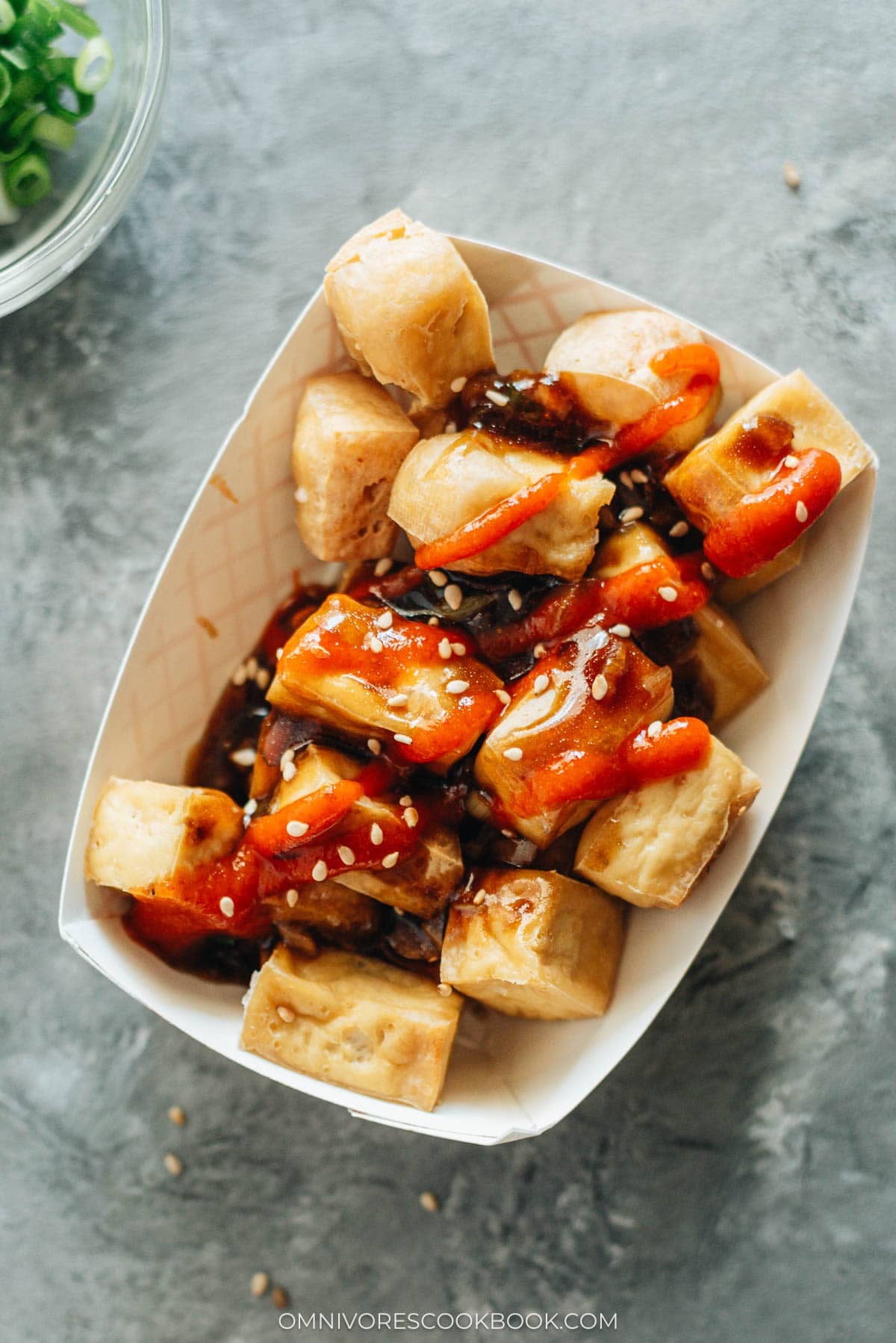
From a nutritional standpoint, the modernized crispy garlic tofu recipe aligns closely with current dietary recommendations emphasizing plant-forward proteins and reduced oil consumption. Utilizing extra-firm tofu as the primary ingredient, a standard serving delivers a balanced profile of macronutrients. According to culinary nutritional data, a typical serving of the baked dish contains approximately 98 kilocalories, 7.7 grams of protein, 5.9 grams of fat, and 5.4 grams of carbohydrates, making it a nutrient-dense option for individuals seeking high-protein, low-calorie alternatives to traditional fried appetizers.
Furthermore, the recipe’s inherent flexibility supports various dietary restrictions without sacrificing flavor integrity. By substituting standard soy sauce with tamari, the dish becomes entirely gluten-free. The omission of animal products inherently classifies the recipe as vegan and vegetarian-friendly, broadening its appeal across diverse consumer demographics. The inclusion of garlic, scallions, and toasted sesame seeds not only enhances the sensory experience through aromatic compounds and textural variety but also introduces beneficial micronutrients and antioxidants commonly found in allium and seed-based ingredients.
Step-by-Step Culinary Methodology
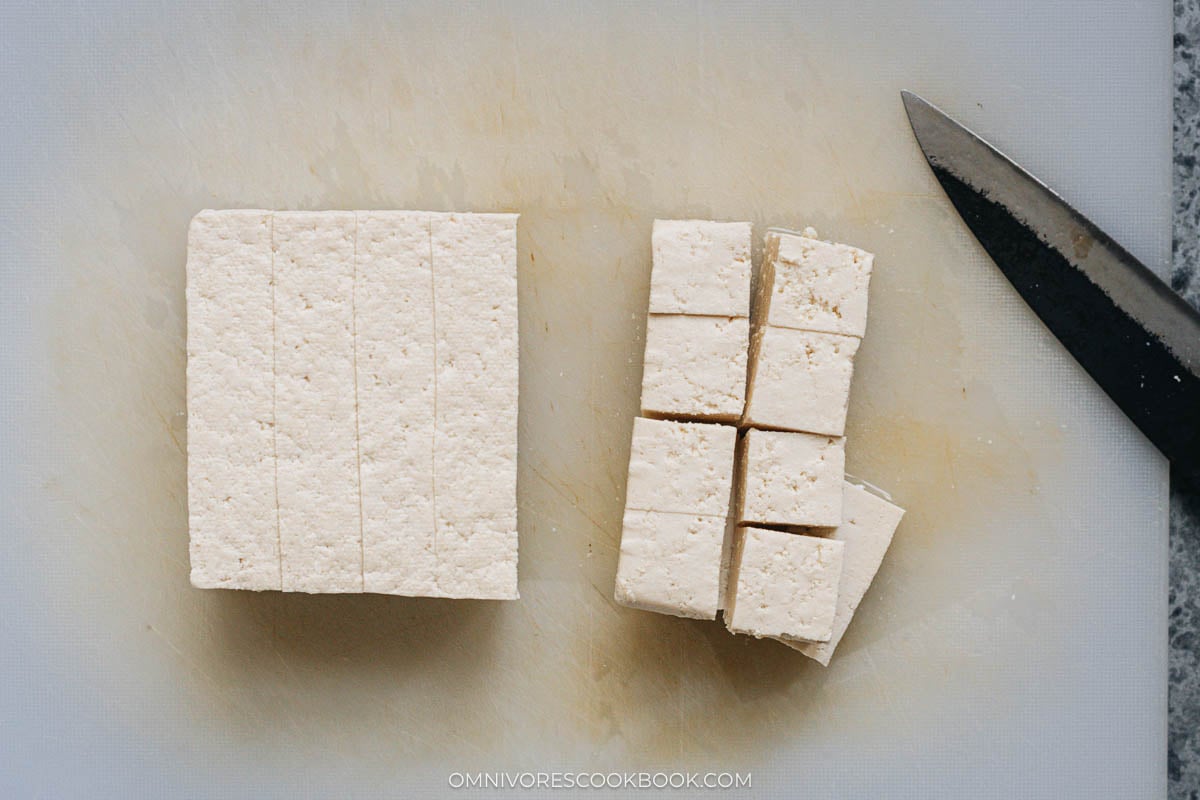
Achieving optimal texture in baked tofu requires specific mechanical preparation, primarily due to the high moisture content naturally present in soybean curds. Food scientists and culinary experts emphasize that moisture is the primary barrier to achieving a crisp exterior during dry-heat cooking.
The preparation process involves several distinct, chronological phases:
- Moisture Extraction (Pressing): Extra-firm tofu blocks are sliced into uniform slabs and subjected to mechanical pressure using absorbent layers and a heavy weight—such as a canned good or kitchen jar—to expel excess water efficiently.
- Portioning and Seasoning: Once compressed, the tofu is diced into consistent half-inch cubes to ensure uniform thermal conductivity during baking, followed by a light seasoning of salt.
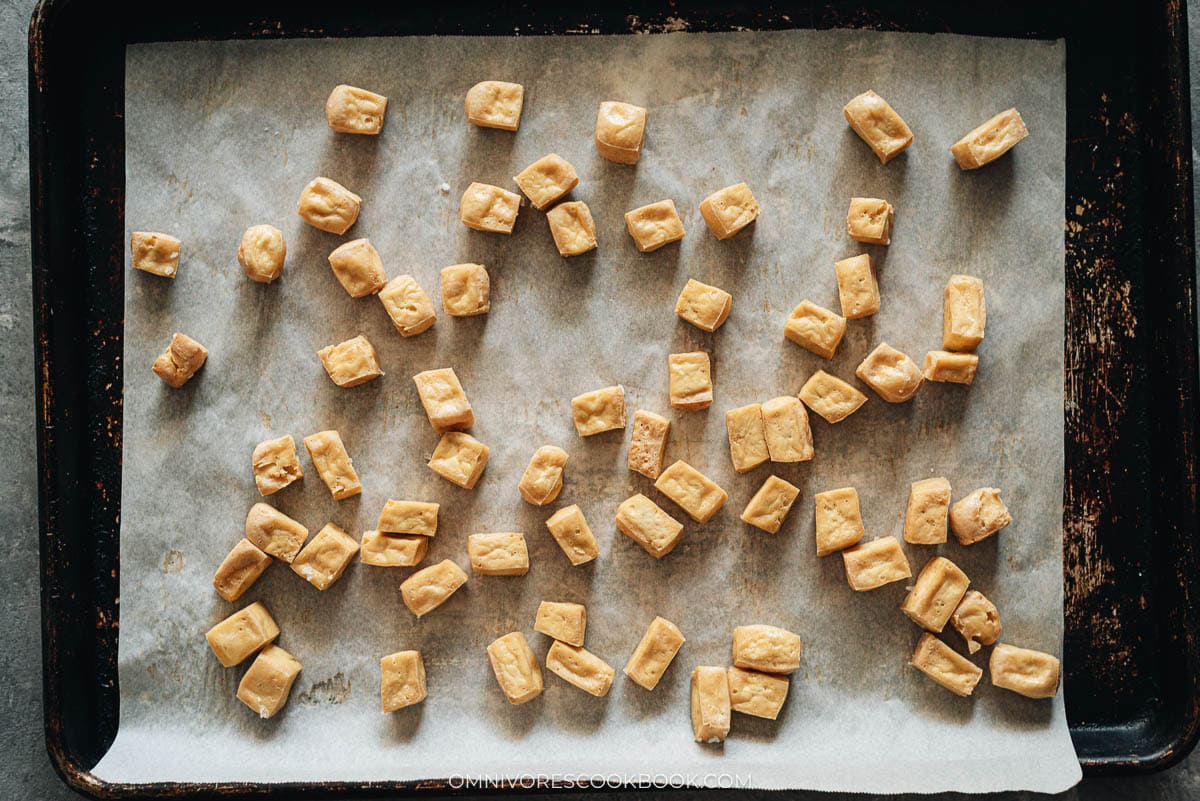
- Thermal Dehydration (Baking): The cubes are arranged on a parchment-lined baking sheet and cooked at 400°F (200°C) for approximately 30 minutes. This high-heat environment causes surface moisture to evaporate rapidly, resulting in a puffed, golden-brown exterior while maintaining a chewy interior core. Alternatively, high-speed convection settings or countertop air fryers can accelerate this dehydration process.
- Sauce Synthesis: Concurrently, a quick-cooking glaze is prepared on the stovetop by whisking water, sugar, soy sauce, and cornstarch. Minced garlic and the white segments of scallions are briefly sautéed in vegetable oil to release aromatic essential oils before the liquid mixture is introduced. The cornstarch acts as a thickening agent, creating a glossy, spoon-coating consistency.
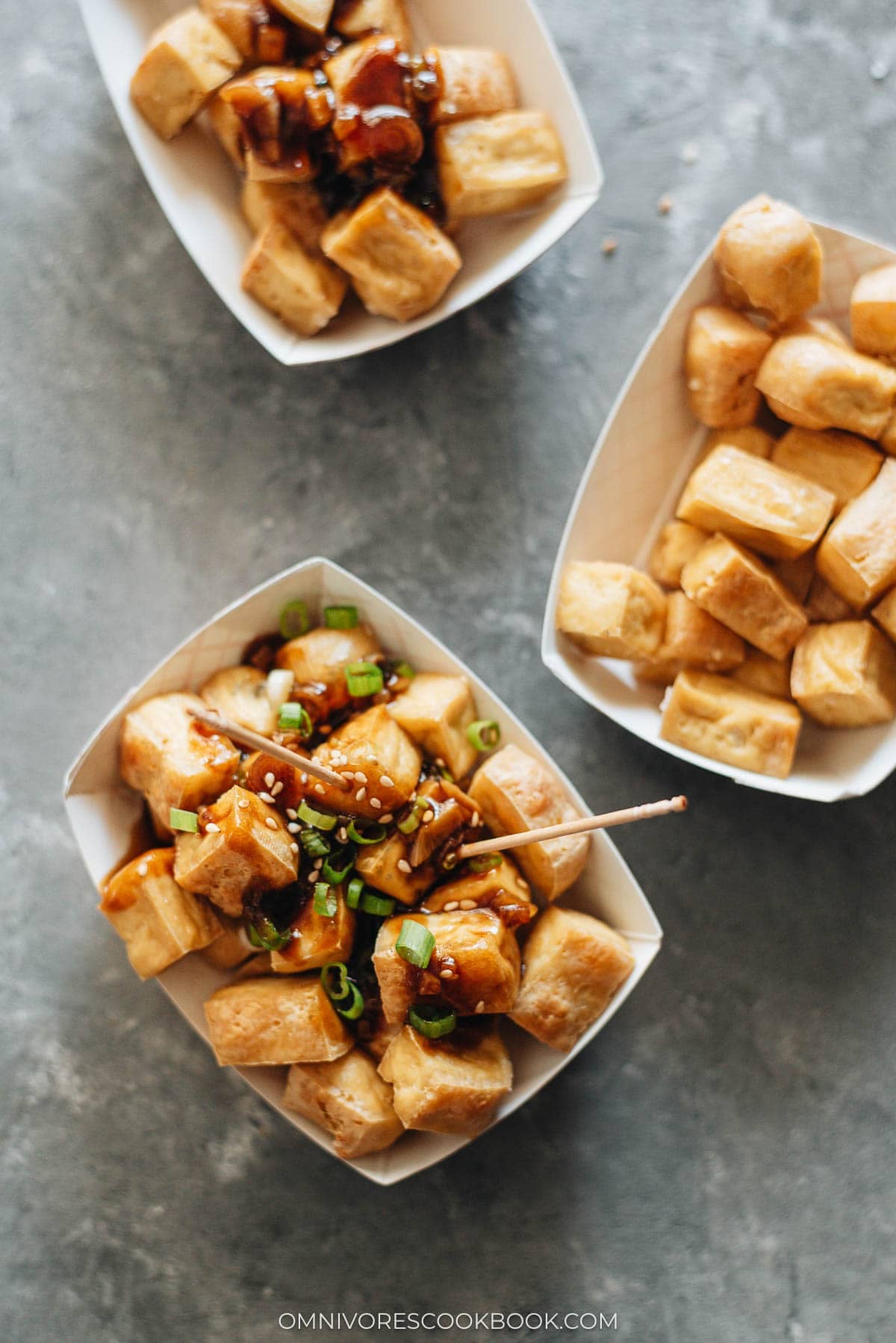
- Final Assembly: To preserve the textural integrity of the crispy exterior, the warm garlic sauce is drizzled over the baked tofu immediately prior to service, garnished with fresh green scallion tops and toasted sesame seeds.
Culinary Comparisons: Baking Versus Frying and Air-Frying
While traditional street vendors rely on deep-frying to achieve immediate surface crisping, home cooking analyses indicate that oven-baking and air-frying offer substantial practical advantages for domestic preparers. Deep-frying requires significant quantities of oil, intensive temperature monitoring, and post-cooking oil disposal, which can deter everyday preparation.
Oven-baking significantly reduces hands-on cooking time and minimizes total lipid absorption while yielding a remarkably similar textural profile, provided the tofu is adequately pressed beforehand. For households equipped with modern convection appliances, air-frying represents a middle-ground alternative, utilizing rapid hot-air circulation to crisp the cubed tofu in roughly 12 to 15 minutes with minimal oil intervention. Regardless of the thermal method selected, culinary experts stress that maintaining separation between individual pieces on the cooking tray is critical to prevent steam accumulation, which softens the exterior crust.
Broader Culinary Implications and Market Trends
The growing popularity of simplified Asian street foods in Western home kitchens underscores a larger cultural shift toward culinary globalization. As digital platforms and food media continue to dismantle geographical barriers, consumers demonstrate an increasing appetite for recreating authentic regional dishes using pantry staples readily available in conventional supermarkets.
Food industry analysts note that recipes prioritizing speed, minimal specialized equipment, and high sensory payoff—such as this crispy garlic tofu—are exceptionally well-positioned to resonate with modern schedules. By bridging the gap between traditional techniques and contemporary convenience, dishes of this nature empower home cooks to explore plant-based nutrition and international gastronomy without intimidation, ensuring that classic comfort foods continue to evolve across borders and generations.