Bacon Pan-Fried Noodles: A Culinary Fusion of Comfort and Convenience

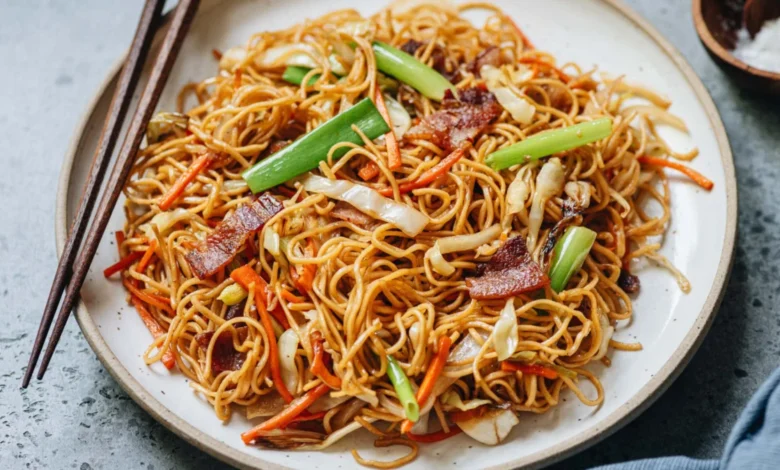
The culinary landscape is constantly evolving, with chefs and home cooks alike seeking to innovate and elevate familiar dishes. One such creation that exemplifies this spirit of innovation is the Bacon Pan-Fried Noodles, a dish that masterfully blends the savory depth of Cantonese pan-fried noodles with the universally beloved flavor of crispy bacon. This fusion recipe, developed by Omnivore’s Cookbook, offers a compelling narrative of culinary adaptation, transforming a traditional Cantonese staple into a quick, satisfying, and remarkably flavorful meal suitable for busy weeknights and festive gatherings alike.
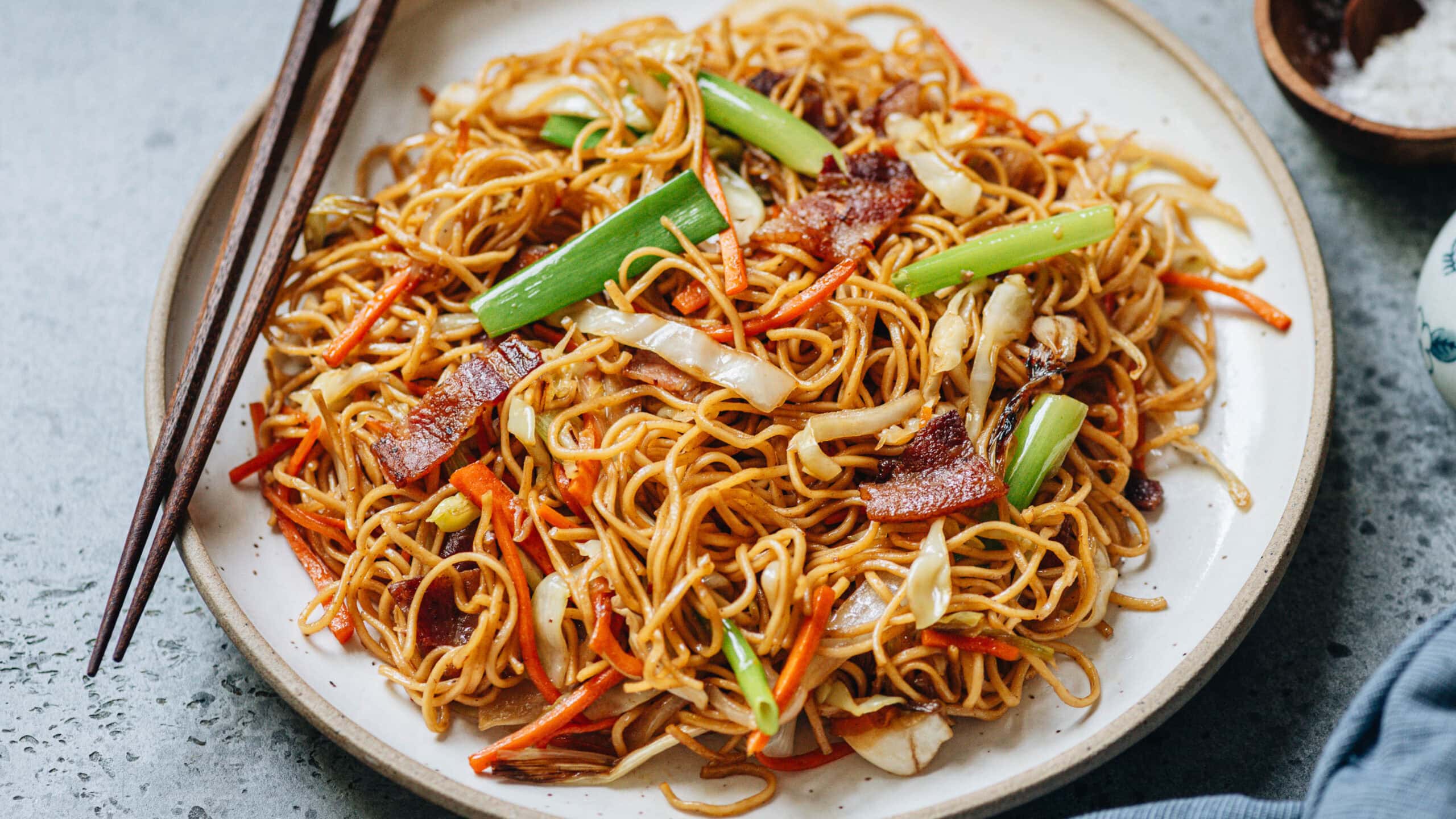
At its core, pan-fried noodles are a cornerstone of Cantonese cuisine, characterized by thin egg noodles that are parboiled to achieve a delicate texture before being crisped to perfection in a searingly hot wok. Traditionally, these noodles are paired with proteins like pork, shrimp, or beef. However, this particular iteration introduces a bold and brilliant substitution: thick slices of crispy bacon. The rendered fat from the bacon infuses every strand of noodle with an unparalleled richness, creating a deeply satisfying flavor profile that has garnered enthusiastic praise.
The genesis of this recipe is rooted in a practical, everyday culinary habit. The author, a self-proclaimed busy mom, found inspiration in the remnants of weekend bacon breakfasts. By repurposing the rendered bacon fat and incorporating whatever noodles and vegetables were on hand, a new favorite dish emerged. The enthusiastic reception from her husband, who began requesting it as a regular dinner option, spurred further refinement. Through iterative adjustments of aromatic ratios and sauce balance, the recipe was perfected, achieving a harmonious blend that complements the robust character of the bacon. The author notes that this is one of the few noodle dishes on her website that she eagerly anticipates as leftovers, a testament to its enduring appeal.
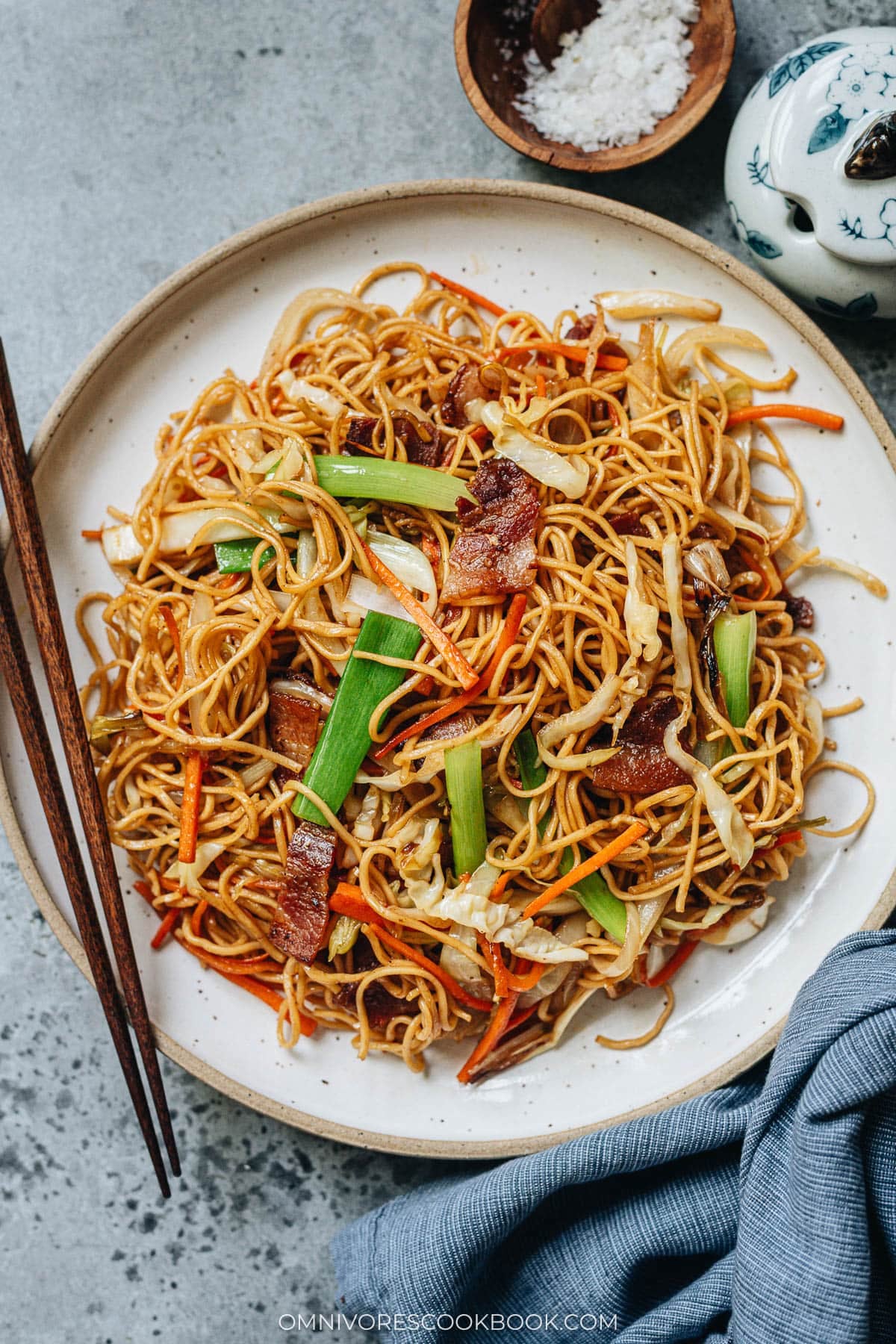
The preparation process, as detailed in the recipe, is designed for efficiency without sacrificing flavor. It begins with the careful crisping of bacon in a cold skillet, a technique that allows the fat to render slowly and evenly, resulting in perfectly crispy strips. This is followed by the parboiling of thin egg noodles, specifically Hong Kong pan-fried noodles, chosen for their springy, chewy texture that holds up exceptionally well in the intense heat of a wok. A medley of vegetables – shredded cabbage, julienned carrots, and sliced white onion – are then stir-fried to achieve a delightful balance of crunch and sweetness. The dish culminates with the integration of a savory Cantonese-inspired sauce, a carefully balanced blend of chicken broth, Shaoxing wine, oyster sauce, light and dark soy sauces, sugar, and white pepper. The sauce is intentionally seasoned on the lower end of the salt spectrum to prevent it from overpowering the inherent savoriness of the bacon. Finally, charred scallion whites, minced garlic, and the crisped bacon are reintroduced to the wok, all finished with a sprinkle of fresh scallion greens and a delicate drizzle of toasted sesame oil, adding a final layer of aromatic complexity.
For busy parents and individuals juggling demanding schedules, this one-pan noodle dish emerges as a beacon of culinary practicality. The recipe boasts a total preparation and cooking time of approximately 45 minutes, making it a realistic option for a wholesome and comforting weeknight dinner that is sure to be a hit with the entire family.
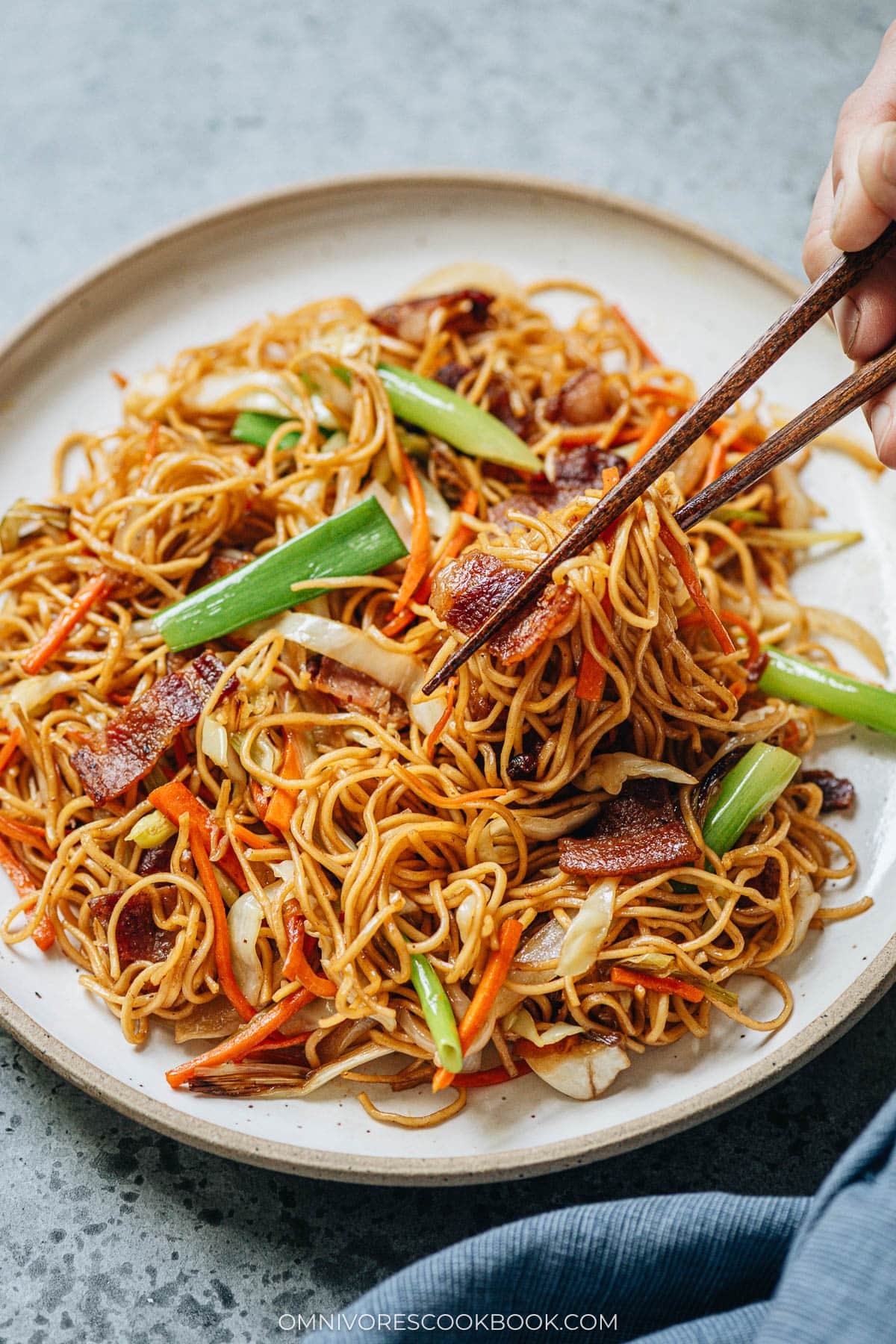
The Anatomy of Flavor: Key Ingredients and Their Roles
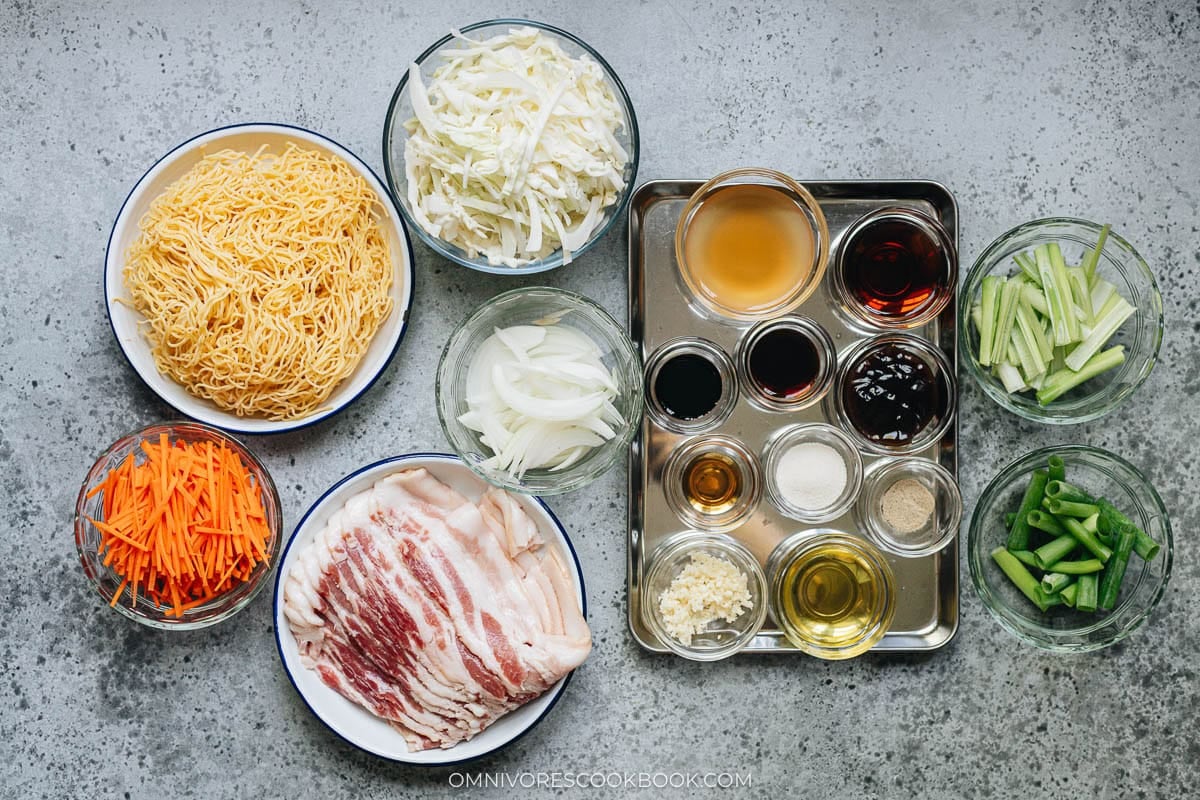
The success of Bacon Pan-Fried Noodles lies in the thoughtful selection and preparation of its core components. Many of the ingredients are pantry staples for those familiar with Chinese cooking, making the grocery shopping experience straightforward and budget-friendly.
- Bacon: The star of the show, thick-cut smoked bacon is recommended. The intensity of the smoke in the bacon can significantly influence the final flavor profile of the dish, with a more pronounced smokiness lending a deeper, more robust taste.
- Noodles: The recipe specifically calls for fresh Hong Kong pan-fried noodles. These noodles are prized for their unique texture – a delightful chewiness that maintains its integrity when stir-fried. While other thin egg noodles, both fresh and dried, can be used, the author notes that thicker lo mein noodles will alter the texture and lean the dish towards a different style.
- The Savory Sauce: This is the flavor backbone of the dish, a meticulously balanced blend designed to complement, not overpower, the other elements. It comprises:
- Chicken Broth: Provides a liquid base for the sauce.
- Shaoxing Wine: A crucial element in Chinese cooking, adding depth and a subtle sweetness.
- Oyster Sauce: Contributes umami and a rich, savory complexity.
- Light Soy Sauce: Offers saltiness and a lighter color.
- Dark Soy Sauce: Primarily used for its deep color, adding visual appeal.
- Sugar: Balances the saltiness and adds a touch of sweetness.
- White Pepper: Provides a subtle, aromatic heat.
- Stir-Fry Vegetables: A trio of cabbage, carrot, and white onion provides essential textural contrast and natural sweetness. Cabbage offers a slight crunch, carrots contribute sweetness and vibrant color, and onions add aromatic depth as they soften.
- Aromatics and Finishing Touches:
- Green Onions: Used in two stages – the whites are charred for a deeper flavor, and the greens are added at the end for freshness and a pop of color.
- Garlic: A universal flavor enhancer, minced and stir-fried until fragrant.
- Toasted Sesame Oil: Drizzled at the very end, off the heat, to impart its distinctive nutty aroma.
- Peanut Oil: The preferred cooking fat for its high smoke point, suitable for wok cooking.
- Reserved Bacon Fat: An optional but highly recommended addition for an even richer, more bacon-forward flavor.
A Step-by-Step Culinary Journey
The preparation of Bacon Pan-Fried Noodles is a methodical process that yields delicious results. Each step is designed to maximize flavor and achieve the desired texture.
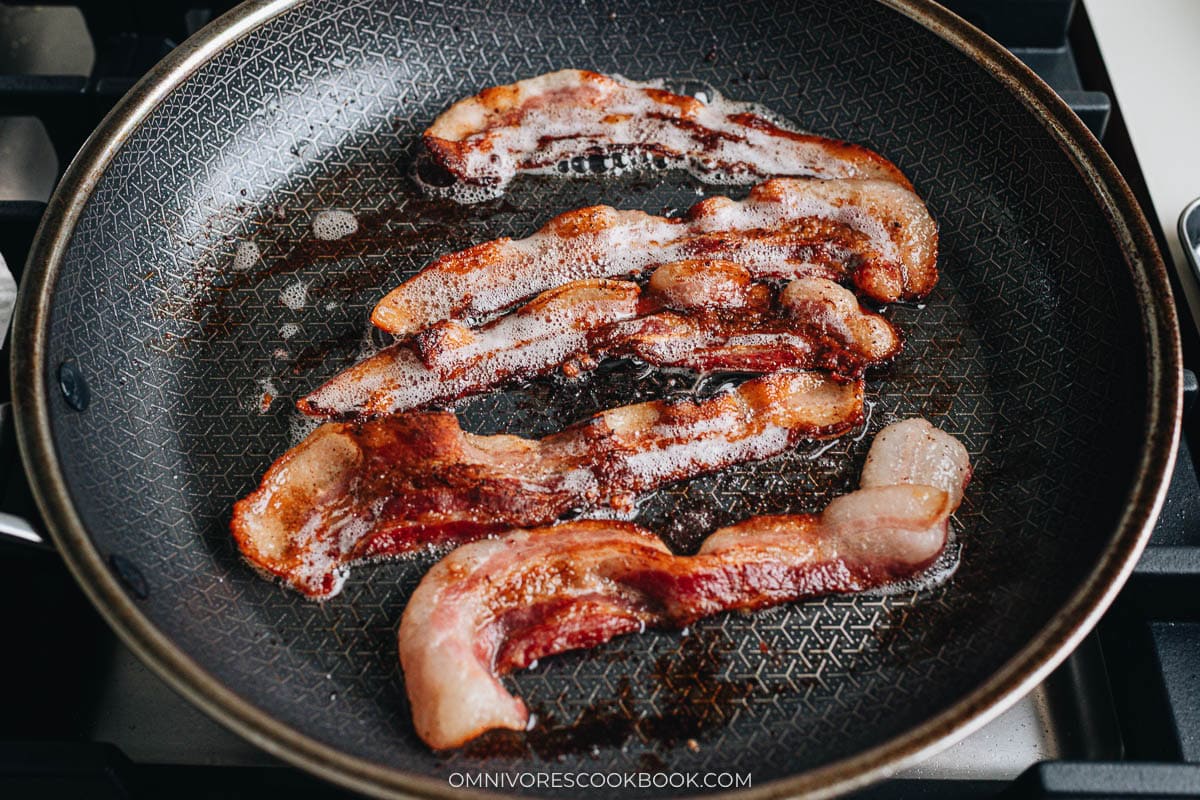
- Crisping the Bacon: The process begins by placing thick-cut bacon slices in a cold skillet. This allows the fat to render slowly as the skillet heats up, ensuring the bacon becomes uniformly crispy. Cooking is done over medium heat, then reduced to medium-low, taking approximately 8 minutes per batch. Overlapping should be avoided to ensure even cooking.
- Preparing the Bacon: Once cooled, the crispy bacon is snipped into bite-sized pieces using kitchen scissors. A small amount of the rendered bacon fat (1 to 2 teaspoons) is reserved to enhance the final dish, if desired.
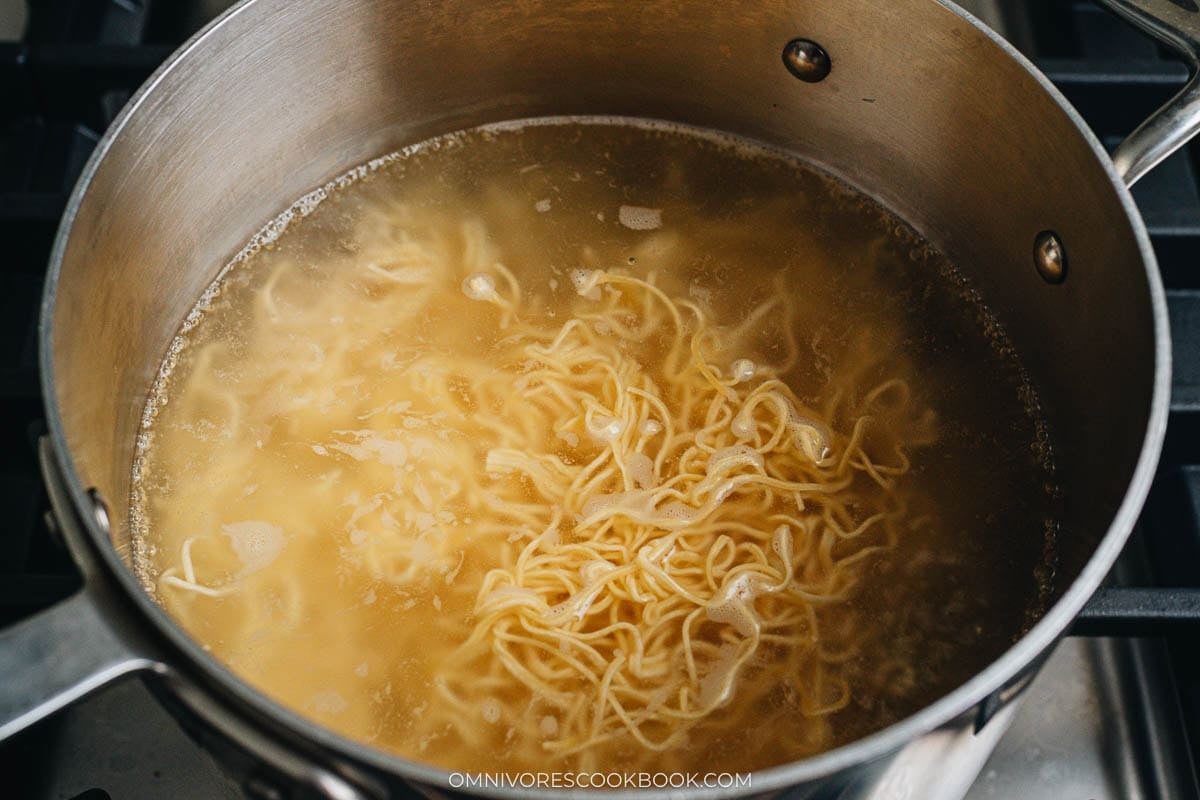
- Parboiling the Noodles: Thin egg noodles, such as Hong Kong pan-fried noodles, are briefly boiled for about 1 minute, or according to package directions, until just al dente. They are then immediately rinsed under cool water to halt the cooking process and drained thoroughly.
- Mixing the Sauce: In a separate bowl, the ingredients for the savory sauce – chicken broth, Shaoxing wine, oyster sauce, light soy sauce, dark soy sauce, sugar, and white pepper – are whisked together until well combined.
- Stir-Frying the Vegetables: A wok or large skillet is heated over medium-high heat with a tablespoon of oil until it begins to smoke. The prepared cabbage, carrot, and onion are added, seasoned with kosher salt, and stir-fried for 2-3 minutes until they are tender-crisp. The vegetables are then set aside.
- Charring the Scallion Whites: Another tablespoon of oil is added to the hot wok. The split scallion whites are added and tossed until lightly charred, about 30-40 seconds. Minced garlic is then added and stir-fried until fragrant.
- Tossing the Noodles: The drained noodles are spread into the wok, along with another spoonful of oil or the reserved bacon fat. They are tossed to coat, then the prepared sauce is poured over them. The noodles are tossed again until they absorb the sauce and take on its color.
- Bringing it Together: The stir-fried vegetables are added back to the wok, and everything is tossed to combine. The noodles are cooked for another minute, allowing the sauce to be absorbed and the bacon fat to meld into the dish.
- Finishing Touches: The scallion greens are added and tossed until just wilted. The heat is turned off, and a drizzle of toasted sesame oil is added. A final toss ensures all ingredients are evenly distributed, and the dish is ready to be served.
Culinary Wisdom: Tips for Success
The author offers several practical tips to ensure the best possible outcome when preparing Bacon Pan-Fried Noodles:
- Strategic Bacon Cooking: Starting the bacon in a cold skillet before any other preparation is key. This allows ample time for rendering and crisping, ensuring it’s ready when needed and doesn’t hold up the rest of the cooking process.
- Oven Baking Option: For kitchens where stovetop burners are occupied, bacon can be successfully baked in the oven at 400°F (200°C) on a sheet pan for 15-20 minutes, yielding similar crispness with less active supervision.
- Vigilance with Bacon: As bacon nears its crispy stage, it can transition from golden brown to burnt very quickly. Close monitoring is essential during this final phase.
- Bacon Fat vs. Sesame Oil: For an intensely bacon-flavored dish, substituting the final drizzle of toasted sesame oil with a teaspoon or two of reserved bacon fat is recommended. The sesame oil offers a lighter, more traditional restaurant-style finish.
- Efficient Bacon Cutting: Allowing the cooked bacon to cool slightly on a paper towel-lined plate before cutting with scissors helps maintain the crispness and prevents the pieces from breaking apart.
Serving Suggestions: From Weeknight Comfort to Festive Feasts
Bacon Pan-Fried Noodles are remarkably versatile, lending themselves equally well to casual weeknight dinners and more elaborate celebratory meals.
As a weeknight centerpiece, the dish can be served directly from the wok, placed on a trivet in the center of the table for a communal dining experience. Pairing it with a light soup, such as Egg Drop Soup or Hot and Sour Soup, creates a complete and satisfying meal. The author even notes its appeal to young children, who enjoy snacking on the noodles throughout the afternoon.
For larger gatherings or holiday events, the noodles can serve as a compelling side dish. Their make-ahead potential is a significant advantage for hosts. When presented as a side, they can be complemented by a vibrant green vegetable like Bok Choy with Oyster Sauce, a refreshing appetizer such as Spicy Cucumber Salad, and a more substantial protein main. The enduring deliciousness of the leftovers also makes them a highly anticipated component of post-event meals.
Frequently Asked Questions: Addressing Culinary Queries
A common set of questions arises when preparing this dish, reflecting the nuances of noodle preparation and stir-frying techniques.
- Noodle Substitutions: While Hong Kong pan-fried noodles are preferred for their texture, other thin chow mein noodles can be used. Dried noodles require cooking according to package instructions. The author cautions that thicker lo mein noodles will alter the dish’s character.
- Achieving Noodle Crispness: The key to crispy noodles lies in several factors: ensuring they are only cooked to al dente, rinsing and draining them thoroughly, using a sufficiently hot wok, avoiding overcrowding, and allowing them to brown undisturbed rather than constant stirring. Adequate oil is also crucial for developing a crisp crust.
- Pan Type: While a nonstick pan is perfectly acceptable and often requires less oil, carbon steel or cast iron woks can achieve superior browning and char.
- Adding More Vegetables: The recipe is adaptable to a variety of vegetables. However, it is advisable to maintain a moderate vegetable-to-noodle ratio to prevent the noodles from becoming steamed and losing their crispness.
Broader Implications: Culinary Innovation and Accessibility
The Bacon Pan-Fried Noodles recipe stands as a testament to the power of culinary adaptation and the enduring appeal of comfort food. By thoughtfully integrating a globally recognized ingredient like bacon into a traditional Cantonese framework, the dish achieves a unique identity that resonates with a wide audience. Its emphasis on accessible ingredients and a relatively short preparation time also underscores the growing trend towards home cooking that is both flavorful and practical. The recipe’s success highlights how cultural culinary boundaries can be fluid, leading to exciting new flavor combinations that enrich our gastronomic experiences. The ability to transform simple, readily available ingredients into a dish that is both deeply satisfying and suitable for various occasions speaks volumes about the ingenuity and adaptability inherent in cooking. The author’s personal narrative of inspiration, from a simple breakfast to a celebrated dinner dish, further humanizes the culinary process, encouraging home cooks to experiment and find joy in their own kitchen creations.