Korean Sweet and Spicy Fish: A Culinary Bridge Between France and Korea


The culinary world is a vibrant tapestry woven with threads from diverse cultures, and sometimes, a single dish can beautifully illustrate this interconnectedness. Korean Sweet and Spicy Fish, a recipe adapted for readily available ingredients in France, offers precisely this kind of gastronomic dialogue. This dish, while rooted in traditional Korean flavor profiles, showcases a clever adaptation that prioritizes texture and bold taste, making it an accessible yet exciting option for home cooks globally.
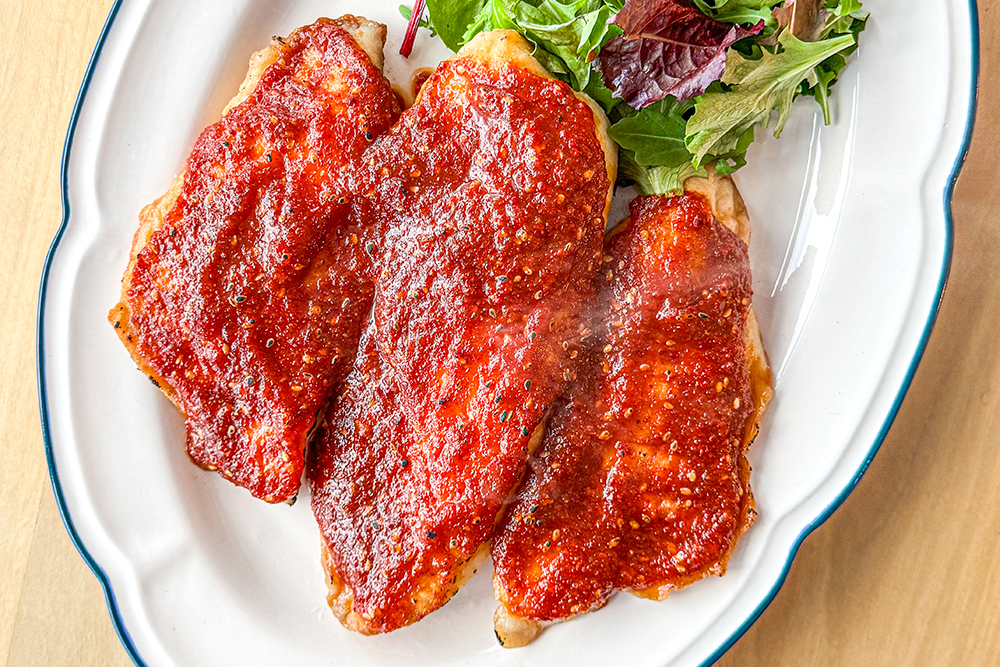
At its core, Korean Sweet and Spicy Fish is characterized by a distinct cooking method: the fish is first rendered exceptionally crisp, and then finished with a robust, flavorful sauce. This technique deviates from more common braised fish dishes where the sauce permeates the flesh. Instead, the sauce in this preparation is applied post-cooking, creating a captivating contrast between the crunchy exterior of the fish and the rich, lingering taste of the glaze. This textural interplay is as crucial to the dish’s success as its complex flavor profile, which balances sweetness, spice, and a deep umami.
The inspiration for this particular iteration draws from Korean culinary traditions like kodari gui (grilled pollack) and hwangtae gui (grilled dried pollack). However, the creator has thoughtfully substituted traditional dried fish with dorade grise, a French sea bream. This choice is strategic: dorade grise possesses a firm flesh that crisps beautifully when pan-seared, embodying the textural goal of the dish. This adaptation highlights how global culinary inspiration can be seamlessly integrated into local ingredients, democratizing access to exciting flavors.

Understanding the Korean Sweet & Spicy Fish Philosophy
The essence of Korean Sweet and Spicy Fish lies in its textural duality. Unlike many fish preparations where the sauce is an integral part of the cooking process, softening the fish and allowing flavors to meld, this method emphasizes separation. The fish is cooked to achieve a satisfying crispness, often through pan-searing or grilling. Subsequently, a vibrant sauce, typically a blend of sweet, spicy, and savory elements, is generously spooned over the finished fish. This approach ensures that the fish retains its delightful crunch, providing a counterpoint to the intense, clinging sauce.
This methodology is not merely a culinary quirk; it’s a deliberate choice that elevates the dining experience. The contrast between the crispy fish and the potent sauce creates a dynamic palate sensation. The sauce, often featuring ingredients like gochugaru (Korean chili flakes), gochujang (Korean chili paste), soy sauce, garlic, ginger, and a touch of sweetness from fruits like pear or apple, offers layers of flavor that are both comforting and exhilarating. The subtle char that can develop on the fish during the searing process further enhances its savory notes, making each bite a complex journey.

Ingredients: A Harmonious Blend
The recipe, as adapted for a French context, calls for specific ingredients to achieve its signature taste and texture.
For the Fish:
While the original inspiration might lean towards dried pollack, the adapted recipe champions dorade grise fillets. This firm-fleshed white fish is ideal for pan-searing, achieving a beautiful crisp exterior without becoming dry or flaky. The skin, if left on, can contribute to an even more desirable crispiness. For optimal results, the fillets are typically lightly dusted with flour, a simple step that aids in achieving a golden-brown, crunchy crust when pan-fried.

Sweet & Spicy Sauce:
The heart of the dish lies in its vibrant sauce, a carefully balanced concoction designed to deliver a punch of flavor. Key components include:
- Aromatic Base: Fresh pear and onion, blended until smooth, provide a natural sweetness and a subtle fruity undertone. This is a common technique in Korean cooking to tenderize meats and add depth to sauces.
- Pungent Aromatics: Minced garlic and ginger are essential for their sharp, invigorating flavors that cut through the richness of the fish and sauce.
- Spicy Kick: Gochugaru (Korean chili flakes) forms the backbone of the spice. The amount can be adjusted to personal preference, ranging from a mild warmth to a fiery intensity.
- Umami Depth: Soy sauce is a staple, providing a salty, savory foundation.
- Sweetness and Tang: A touch of honey or sugar balances the heat and saltiness, while rice vinegar can add a subtle tang, brightening the overall flavor profile.
- Optional Enhancements: Some recipes might include a dash of sesame oil for its nutty aroma or a sprinkle of sesame seeds for added texture and visual appeal.
The Art of Preparation: A Step-by-Step Guide
The preparation of Korean Sweet and Spicy Fish is designed to be efficient, making it suitable for weeknight meals or casual entertaining.

-
Crafting the Sauce: The process begins with creating the vibrant sauce. The pear, onion, garlic, and ginger are typically processed in a blender or food processor until a smooth purée is achieved. This ensures that the sauce has a cohesive texture and that the aromatics are fully integrated. The remaining sauce ingredients – gochugaru, soy sauce, sweetener, and any other chosen additions – are then mixed in thoroughly. This blend is then set aside, allowing the flavors to meld.
-
Preparing the Fish: The dorade grise fillets are prepared by ensuring they are dry. A light dusting of all-purpose flour is then applied, with any excess gently shaken off. This thin coating of flour is crucial for achieving the desired crispiness during the searing process.

-
The Searing Technique: A skillet is heated over medium-high heat, and a generous amount of cooking oil is added, swirled to coat the pan. The floured fish fillets are then carefully placed into the hot oil. They are cooked undisturbed for several minutes until a deep golden-brown crust forms and the fish is cooked through, typically about 8-10 minutes in total, depending on the thickness of the fillets. The goal is to achieve a beautiful crispness on both sides.
-
The Finishing Touch: Once perfectly seared and crispy, the fish fillets are transferred to a serving plate. A generous ladleful of the prepared sweet and spicy sauce is then spooned over the fish. For an added layer of complexity and a subtle smoky depth, some may choose to lightly torch the sauce with a culinary torch. This final step enhances the visual appeal and adds another dimension to the flavor profile.

Tips for Culinary Excellence
To ensure the best possible outcome when preparing Korean Sweet and Spicy Fish, several tips can be invaluable:
- Fish Selection: While dorade grise is recommended, other firm white fish like snapper, sea bass, or even cod can be used successfully. The key is to choose fish that holds its shape and crisps well. For those outside of France, sourcing a similar firm, white-fleshed fish available locally is encouraged.
- Sauce Consistency: The sauce should be thick enough to cling to the fish without being overly watery. If the blended purée seems too thin, a brief simmer can help reduce it to the desired consistency. Conversely, if it’s too thick, a splash of water or broth can loosen it.
- Crispiness is Key: Do not overcrowd the pan when searing the fish. Cook in batches if necessary to ensure each fillet has enough space to develop a proper crust. Overcrowding will steam the fish rather than sear it.
- Sauce Application: Apply the sauce immediately before serving to maintain the crispness of the fish. If the fish is to be served later, it’s best to keep the sauce separate and spoon it over just before presenting the dish.
- Spice Level Adjustment: The heat of the dish can be easily modulated by adjusting the amount of gochugaru. For a milder version, reduce the chili flakes or opt for a less potent variety. For those who enjoy significant heat, a pinch of cayenne pepper or a spicier chili paste can be incorporated.
- Kombu Jime (Optional): For an enhanced umami flavor and firmer texture, some recipes suggest a process called kombu jime, where fish fillets are wrapped in kombu (dried kelp) and refrigerated overnight. This technique draws out moisture and infuses the fish with a subtle, oceanic flavor. While not essential for this adapted recipe, it represents a traditional Korean method that can be explored.
Addressing Common Inquiries
The adaptability of this dish often leads to questions from home cooks eager to replicate its success.

Can I use another type of fish?
Absolutely. The principle of using a firm white fish that can withstand pan-searing is paramount. Sea bream, snapper, and even firm cod fillets are excellent alternatives. The key is to select a fish that will achieve a crisp exterior without becoming dry.
Is this dish very spicy?
The spice level is designed to be balanced, offering a pleasant warmth rather than overwhelming heat. However, individual spice tolerance varies greatly. The recipe can be easily adjusted by modifying the quantity of gochugaru. If you prefer a milder dish, reduce the chili flakes. For those who crave more heat, increase the amount or consider adding a spicier chili paste.

Culinary Pairings and Serving Suggestions
Korean Sweet and Spicy Fish is a versatile dish that pairs beautifully with a variety of accompaniments, enhancing its overall dining experience.
- Steamed Rice: A staple in Korean cuisine, fluffy steamed rice serves as the perfect neutral base to soak up the flavorful sauce and complement the crispy fish.
- Sautéed Greens: A simple side of stir-fried bok choy, spinach, or other leafy greens offers a fresh, slightly bitter counterpoint to the richness of the fish and sauce.
- Cucumber Salad: A light and refreshing smashed cucumber salad, often seasoned with vinegar, garlic, and sesame oil, provides a cool, crisp contrast.
- Beverage Pairings: The bold flavors of the dish pair wonderfully with a crisp, chilled beer or a dry rice wine like soju or makgeolli. These beverages help to cleanse the palate and enhance the savory and spicy notes.
- Leftovers: Any leftover Korean Sweet and Spicy Fish can be transformed into an excellent rice bowl the following day. Simply reheat the fish and sauce, and serve it over freshly steamed rice, perhaps with a fried egg on top for added richness.
A Bridge to Further Korean Culinary Exploration
This adaptation of Korean Sweet and Spicy Fish serves as an inviting gateway into the broader world of Korean seafood cuisine. The emphasis on fresh ingredients, bold flavors, and textural contrasts is a hallmark of Korean cooking. For those who have enjoyed this dish, further exploration into other Korean seafood recipes is highly recommended. From flavorful stews and hearty grilled dishes to delicate marinated seafood preparations, the Korean culinary landscape offers a rich and diverse array of options for the adventurous palate. This dish, in its elegant simplicity and flavorful impact, proves that the joy of cooking and sharing food knows no borders.