Chicken katsu with caviar represents a fascinating culinary intersection, blending the comforting familiarity of a beloved Japanese dish with the opulent indulgence of one of the world’s most esteemed delicacies. At first encounter, the pairing of crispy, golden-fried chicken and the delicate, briny pearls of caviar might seem unconventional, even daring. However, this innovative fusion reveals a surprising harmony of textures and flavors. The satisfying crunch of the panko-crusted chicken provides a robust foundation for the subtle salinity and rich complexity of the caviar, creating a bite that is both playful and profoundly satisfying. This dish is more than just a meal; it’s an experience designed to elevate everyday dining into a moment of quiet luxury, proving that sophisticated culinary adventures can be remarkably accessible.
The philosophy behind this chicken katsu with caviar recipe prioritizes balance and allows each component to shine. Unlike traditional katsu preparations that might rely on heavy sauces or complex marinades, this approach focuses on a light seasoning for the chicken and a crisp, airy crust. This deliberate simplicity ensures that the star of the show – the caviar – is not overshadowed. Instead, it is presented in a manner that highlights its unique characteristics, making each morsel a delightful interplay between the warm, savory chicken and the cool, exquisite pearls. This recipe is designed for home cooks seeking to create a restaurant-quality dish with minimal fuss, offering a sophisticated yet approachable option for entertaining guests or simply indulging in a special meal.
The Genesis of a Culinary Hybrid: Understanding Chicken Katsu with Caviar
Chicken katsu, a cornerstone of Japanese comfort food, traditionally involves a tender cutlet of chicken coated in panko breadcrumbs and deep-fried to a perfect golden crisp. It is typically served with a tangy tonkatsu sauce or as part of a curry. This modern interpretation, however, reimagines the katsu as a sophisticated canvas for a more refined topping. By foregoing the traditional sauce, the dish transforms into a textural marvel. The crispy chicken becomes a neutral, yet delightfully crunchy, base.

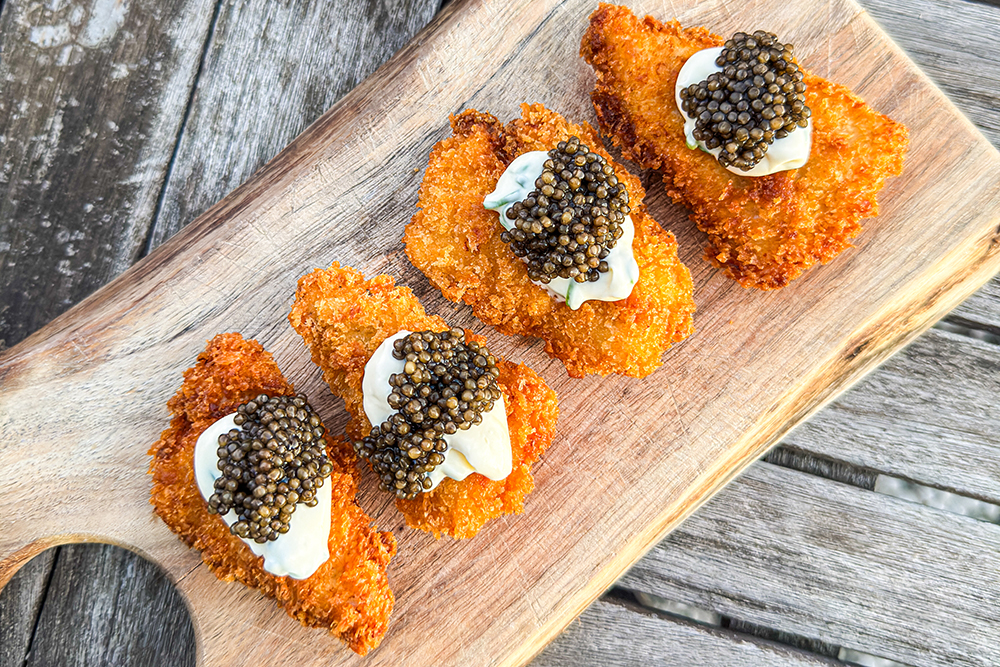
The magic of this dish lies in its thoughtful assembly. Instead of a sauce, a dollop of crème fraîche is gently placed atop the warm katsu, offering a creamy counterpoint. This is then crowned with a generous spoonful of caviar. The juxtaposition of the hot, crispy chicken with the cool, smooth crème fraîche and the burst of briny caviar creates a multi-layered sensory experience. This contrast is precisely what makes the dish so memorable and compelling, offering a nuanced exploration of flavor and temperature that tantalizes the palate.
Key Ingredients: Crafting the Harmony
To achieve the exquisite balance of this dish, carefully selected ingredients are paramount. The recipe for chicken katsu with caviar can be broken down into two main components: the chicken katsu itself and the luxurious topping.

For the Chicken Katsu:
The foundation of the dish is high-quality chicken. While chicken tenders are recommended for their tenderness and ease of preparation, the recipe can be adapted for other cuts. The key is to ensure the chicken is moist and flavorful before it’s coated and fried.
- Chicken Tenders: Approximately 1 pound, providing a tender and quick-cooking protein.
- Salt and Pepper: Essential for basic seasoning, enhancing the natural flavors of the chicken.
- All-Purpose Flour: Used as the first layer of the breading, helping the egg wash adhere.
- Eggs: Beaten to create an egg wash, which binds the flour and panko to the chicken.
- Mirin: A Japanese sweet rice wine, added to the egg wash for a subtle sweetness and to aid in browning.
- Panko Breadcrumbs: These Japanese breadcrumbs are crucial for achieving the signature airy, ultra-crispy texture of katsu.
- Water: A small amount of water mixed with panko is a secret technique to create an even lighter and crispier crust, preventing the panko from becoming too dense.
- Dasida (Optional): A Korean seasoning powder, similar to MSG-based chicken bouillon, which can add an umami depth to the flour. Garlic powder or onion powder can be used as alternatives for those seeking a similar savory boost.
- Cooking Oil: A neutral oil with a high smoke point, such as vegetable, canola, or peanut oil, is necessary for deep-frying.
For Serving:
The elegance of the dish is amplified by the simplicity and quality of its final adornments.

- Crème Fraîche: A rich, slightly tangy cultured cream that provides a smooth, cool contrast to the warm katsu.
- Fresh Chives: Finely chopped, chives add a delicate oniony flavor and a vibrant green visual element.
- Caviar: The crowning glory, chosen for its delicate salinity and luxurious texture. The type of caviar can vary, with milder varieties often recommended to complement the chicken without overpowering it.
The Culinary Process: A Step-by-Step Guide
Crafting chicken katsu with caviar is a straightforward process, designed to be manageable for home cooks while yielding impressive results.
-
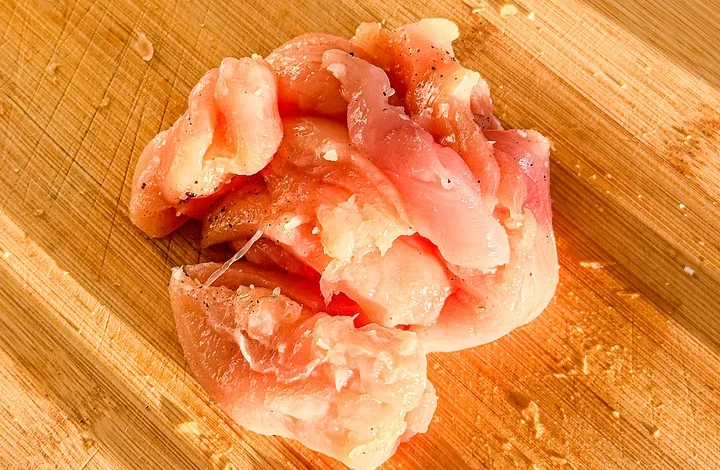
Prepare the Chicken: Begin by cutting the chicken tenders into bite-sized pieces. This ensures even cooking and makes them easier to handle and eat. Lightly season these pieces with a pinch of salt and freshly ground black pepper. This initial seasoning is crucial for building flavor from the inside out.

-
Set Up the Breading Station: Prepare three shallow dishes. In the first, place the all-purpose flour, seasoned with salt, pepper, and optionally, Dasida or garlic/onion powder for an extra layer of savory depth. In the second dish, beat the eggs with a splash of mirin, a pinch of salt, and a touch of pepper to create the egg wash. In the third dish, combine the panko breadcrumbs with a small amount of water and mix thoroughly. This step is key to achieving the desired light and crispy texture.
-
Bread the Chicken: Working with one piece of chicken at a time, dredge it first in the seasoned flour, ensuring it is evenly coated. Shake off any excess flour. Then, dip the floured chicken into the egg wash, allowing any excess to drip off. Finally, coat the chicken generously with the prepared panko breadcrumbs, pressing gently to ensure the panko adheres well.

-
Fry to Perfection: Heat a neutral cooking oil in a deep pan or Dutch oven to a temperature of 170-180°C (340-355°F) over medium heat. Carefully place the breaded chicken pieces into the hot oil, being careful not to overcrowd the pan, which can lower the oil temperature and result in greasy katsu. Fry the chicken katsu for approximately 5 to 6 minutes, or until it is golden brown and cooked through. If frying in batches, allow the oil to return to the correct temperature between batches. Once cooked, remove the katsu from the oil and place it on a wire rack or paper towel-lined plate to drain any excess oil, preserving its crispiness.
-
Prepare the Elegant Topping: While the katsu rests, prepare the creamy topping. In a small bowl, gently mix the crème fraîche with finely chopped fresh chives. This simple preparation adds a fresh, herbaceous note and a beautiful visual appeal.

-
Assemble and Serve: To serve, arrange the hot, crispy chicken katsu on a platter or individual plates. Spoon a dollop of the chive-infused crème fraîche onto each piece of katsu. Finally, delicately top with a spoonful of caviar. The contrast of the warm, crispy chicken with the cool, creamy topping and the burst of briny caviar is the essence of this dish. Serve immediately to enjoy the optimal textural interplay.
Tips for Culinary Excellence
To ensure the most successful and enjoyable chicken katsu with caviar experience, consider these expert tips:

- Oil Temperature is Key: Maintaining the correct oil temperature during frying is crucial. Too low, and the katsu will absorb excess oil and become greasy. Too high, and the exterior will burn before the interior is cooked. A thermometer is a valuable tool for this step.
- Don’t Overcrowd the Pan: Frying in batches is essential for achieving evenly cooked and perfectly crisp katsu. Overcrowding lowers the oil temperature, leading to a less desirable result.
- Drain Properly: Allowing the fried katsu to drain on a wire rack helps to maintain its crispiness by allowing air to circulate around it.
- Caviar Quality Matters: While any good quality caviar will work, consider the flavor profile. Milder caviars, such as trout or salmon roe, can offer a more accessible entry point and complement the chicken without being overly assertive. For a truly luxurious experience, consider sturgeon caviar.
- Serve Immediately: The textural contrast is at its peak when the katsu is served hot and fresh, immediately after assembly with the cool toppings.
Frequently Asked Questions
Addressing common queries can help demystify the preparation and customization of this dish.
Can I use chicken breast instead of tenders?
Absolutely. Chicken breast is a perfectly suitable alternative. However, be mindful of the thickness of the breast cut. You may need to pound it slightly to an even thickness for uniform cooking. Adjust the frying time accordingly, as thicker pieces will require longer to cook through.

What type of caviar works best?
The choice of caviar can significantly impact the final flavor. While any quality caviar can be used, milder varieties are often recommended to harmonize with the savory chicken and creamy crème fraîche. Options like salmon roe (ikura) offer a vibrant color and a pleasant pop, while trout roe provides a delicate salinity. For a more traditional and intense flavor, sturgeon caviars like Osetra or Sevruga are excellent choices, though they carry a higher price point. Experimentation with different types can lead to personalized preferences.
Elevating the Dining Experience: Serving Suggestions
Chicken katsu with caviar is a versatile dish that can be adapted to various dining occasions.

- Appetizer or Small Plate: Serve small portions as an elegant appetizer to begin a meal, offering guests a delightful and unexpected start.
- Shared Plate: Present a larger platter as a sophisticated small plate for sharing amongst guests, encouraging conversation and communal enjoyment.
- Playful Main Course: For a more casual yet still luxurious main course, pair the katsu with a simple, crisp green salad. The freshness of the salad will provide a lovely counterpoint to the richness of the katsu and caviar.
- Beverage Pairings: This dish is a natural companion to celebratory beverages. Champagne, with its effervescence and crisp acidity, cuts through the richness of the fried chicken and enhances the delicate flavors of the caviar. Crisp white wines, such as a dry Riesling or a Sancerre, also pair beautifully, offering refreshing notes that complement the dish.
The Art of Fusion: A Culinary Statement
Chicken katsu with caviar is more than just a recipe; it is a culinary statement that celebrates innovation and the exciting possibilities of fusion cuisine. It demonstrates that familiar comfort foods can be elevated to new heights of sophistication without losing their inherent appeal. The dish’s ability to be both accessible for home cooks and impressive enough for special occasions underscores its unique charm. As diners increasingly seek out novel culinary experiences that blend tradition with contemporary flair, dishes like this offer a tantalizing glimpse into the future of food, proving that indulgence and approachability can indeed go hand in hand. This creation is poised to become a signature dish for those who appreciate the finer things in life, reimagined in a delightful and approachable format.