Mastering the Art of Chawanmushi: A Comprehensive Culinary Guide to Traditional Japanese Steamed Egg Custard

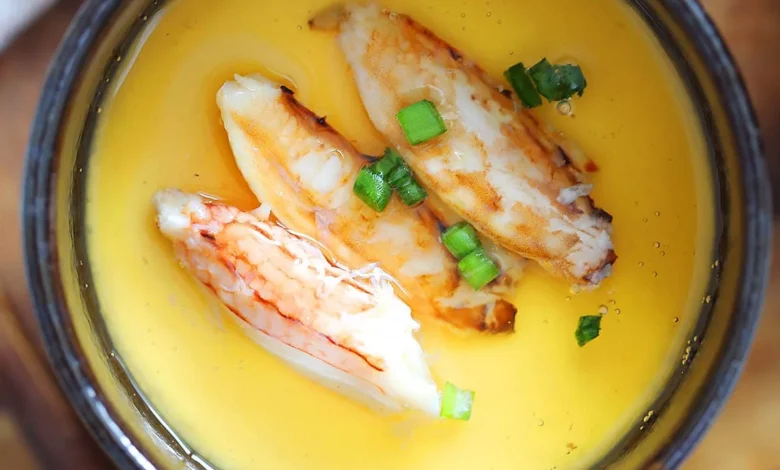
The global culinary landscape has witnessed a significant surge in the appreciation for refined Japanese gastronomy, moving beyond popular staples like sushi and ramen to embrace delicate, traditional dishes historically reserved for high-end dining formats such as kaiseki and omakase courses. Among these delicate preparations, chawanmushi—a savory Japanese steamed egg custard—stands out for its exacting technique and minimalist presentation. Recent culinary developments and home-cooking trends have highlighted an increased interest in replicating these restaurant-quality dishes in domestic kitchens, driven by a growing demographic of home cooks seeking to master authentic Asian culinary arts.
Culinary History and Cultural Significance
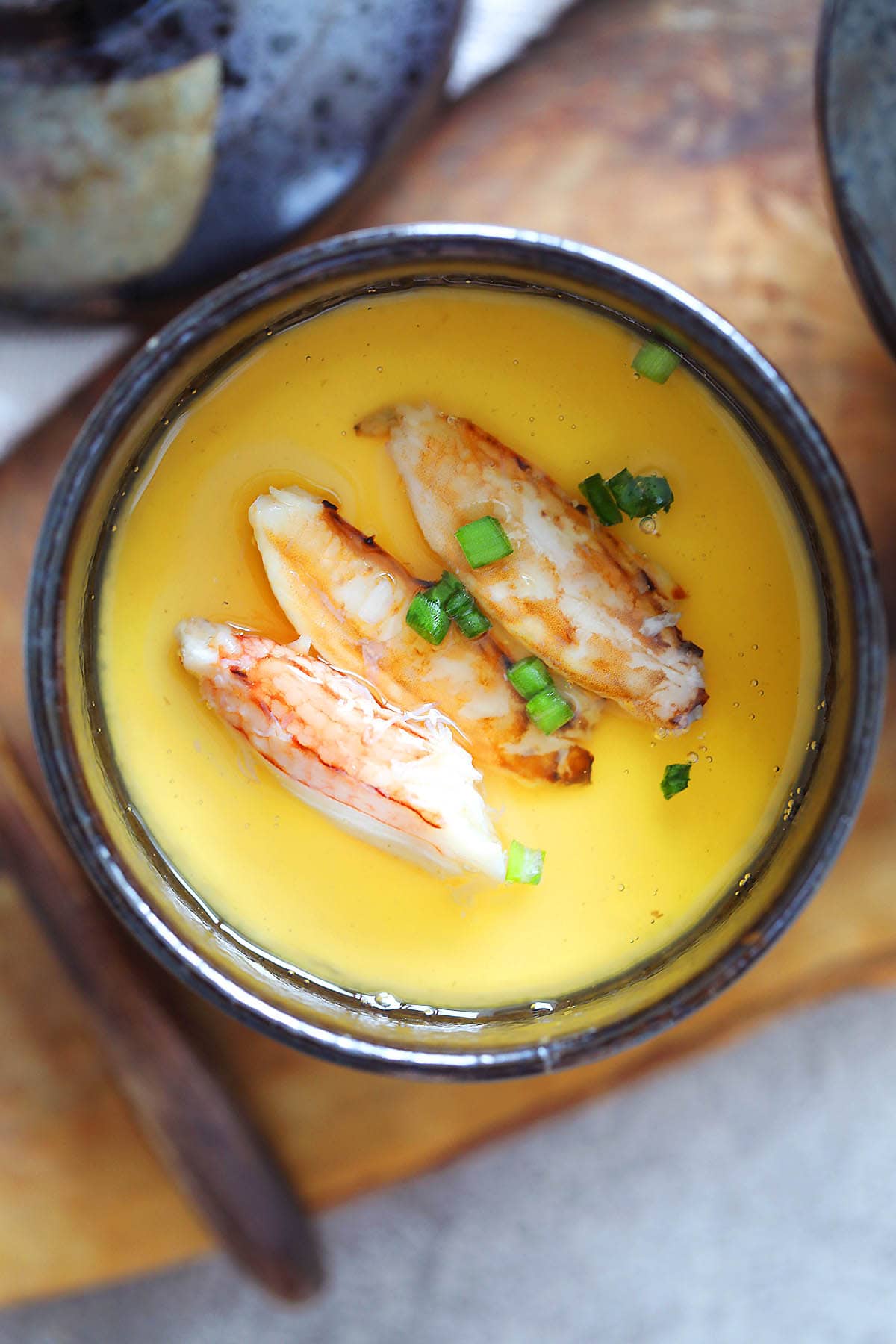
Chawanmushi translates literally to "tea cup steam" or "steamed in a tea cup," referencing the traditional ceramic vessel in which the custard is prepared and served. Originating centuries ago in Japan, the dish represents the core philosophy of washoku—traditional Japanese dietary cultures recognized by UNESCO for their emphasis on seasonality, natural flavors, and meticulous presentation.
Unlike Western custards, which are typically sweet and served as desserts, chawanmushi is a savory appetizer or side dish. It relies on a delicate balance of umami flavors derived primarily from dashi, a fundamental Japanese broth made from kombu (kelp) and katsuobushi (dried bonito flakes). Historically, chawanmushi was served during formal multi-course meals to cleanse the palate and prepare the diner for heavier grilled or fried courses. Over time, the dish transitioned into home-cooking repertoires, though maintaining its reputation as a benchmark of a chef’s technical precision due to the strict requirements for texture and temperature control.
The Science of the Silky Custard: Technique and Ratios
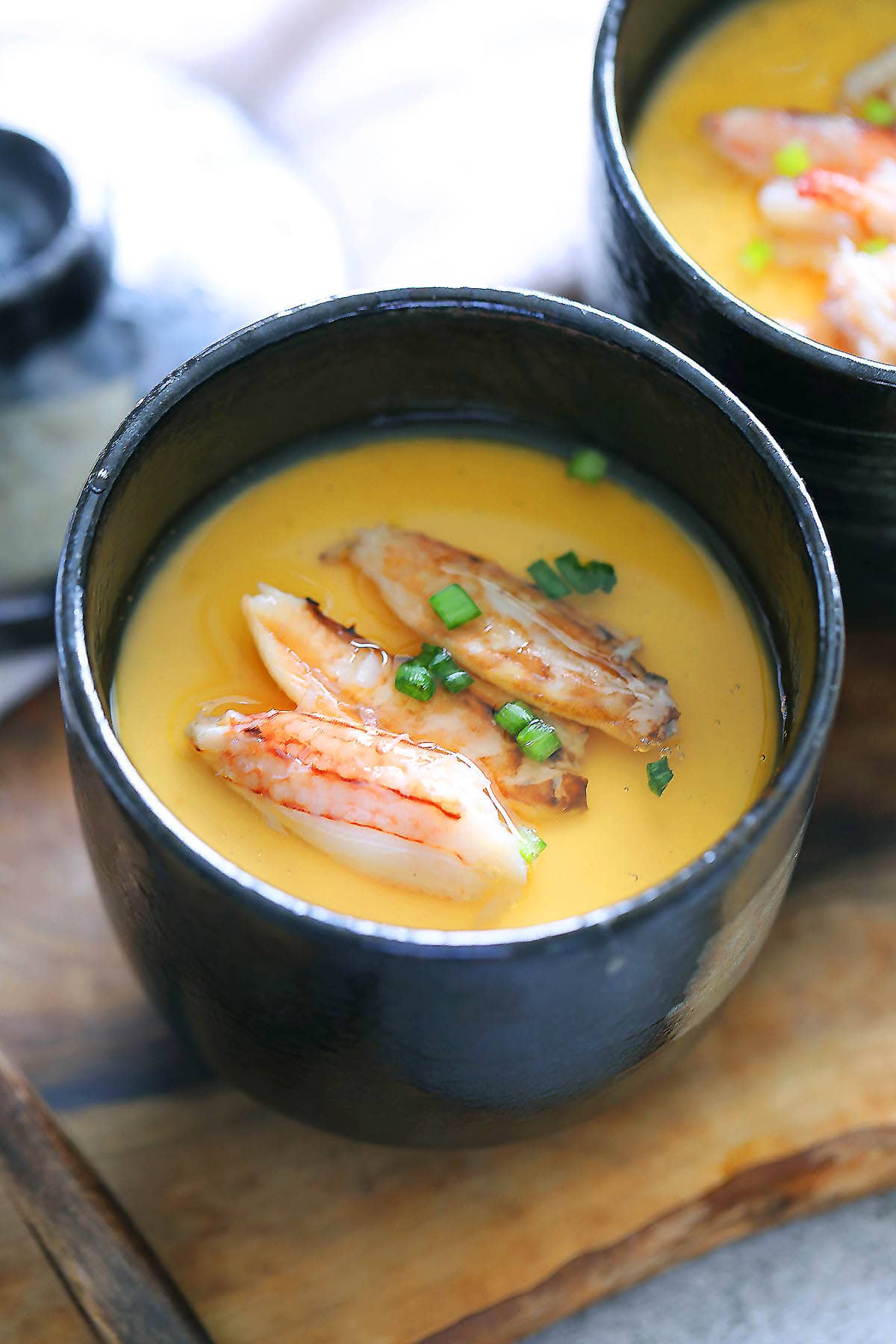
Achieving the characteristic mirror-smooth, pore-free texture of authentic chawanmushi requires adherence to strict culinary science. Professional chefs emphasize that the integrity of the custard depends heavily on the precise ratio of egg to liquid, temperature regulation during the steaming process, and mechanical straining to remove impurities.
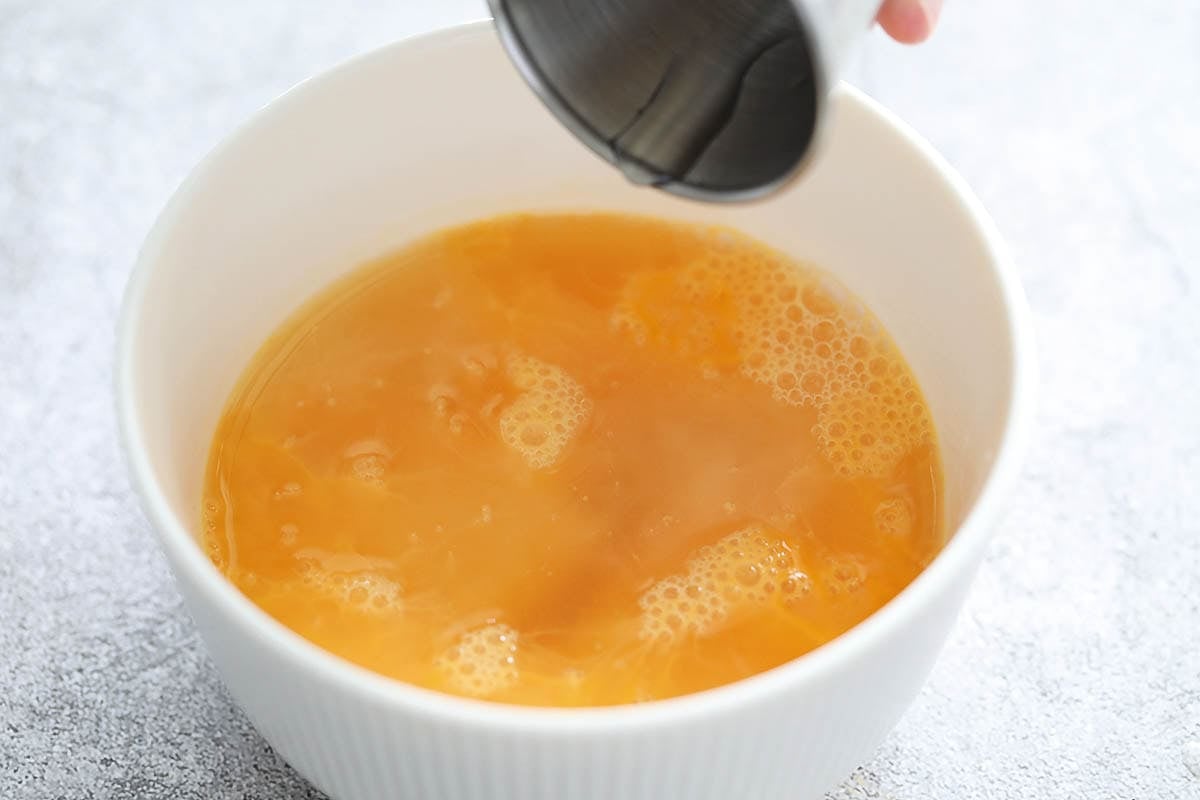
According to culinary experts, the optimal consistency is achieved using a strict 2:3 egg-to-dashi ratio by weight. For a standard recipe yielding multiple servings, this typically translates to two large eggs—weighing approximately 100 grams—combined with 150 milliliters of seasoned dashi broth. The inclusion of room-temperature eggs ensures seamless incorporation with the liquid, preventing premature coagulation or uneven mixing.
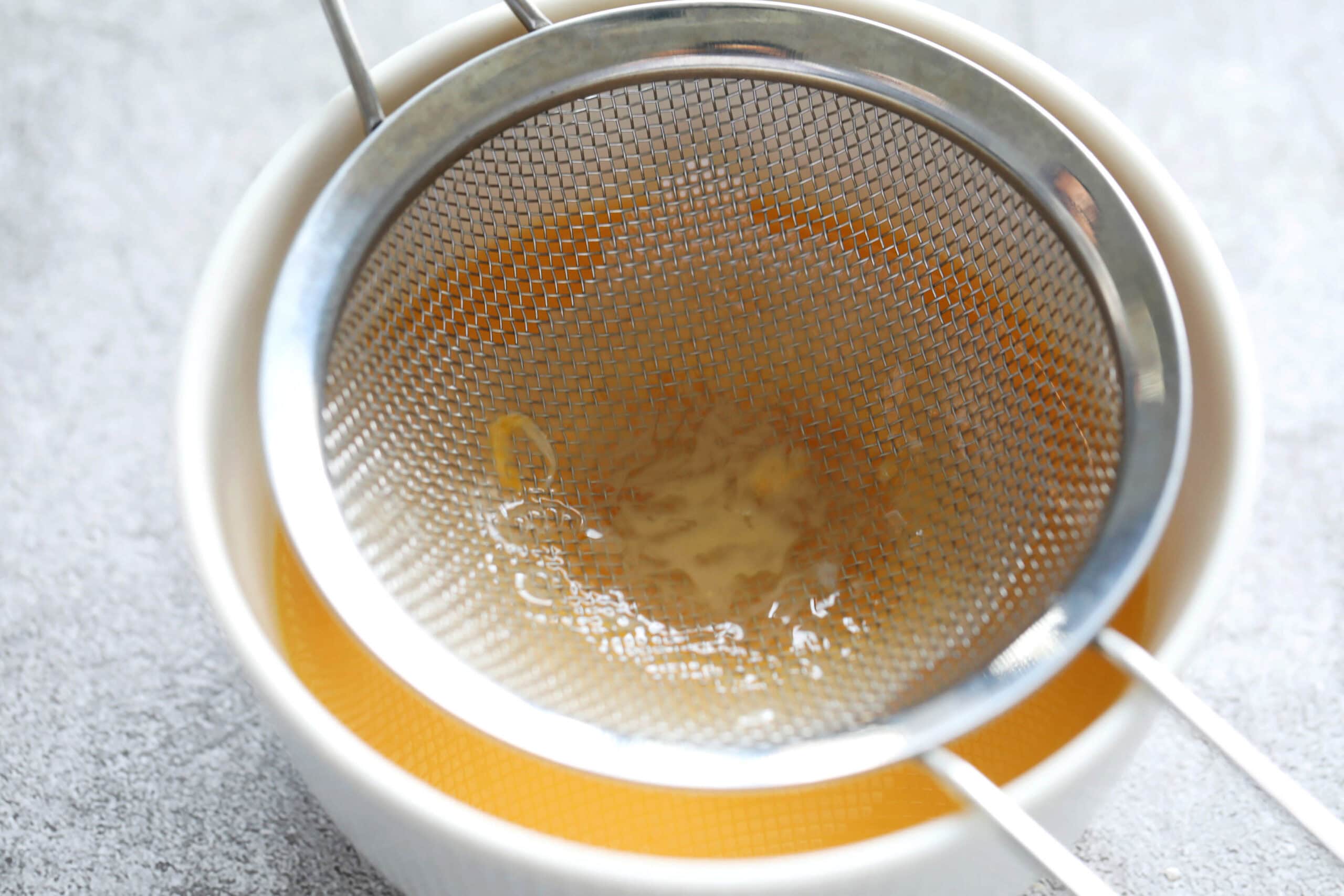
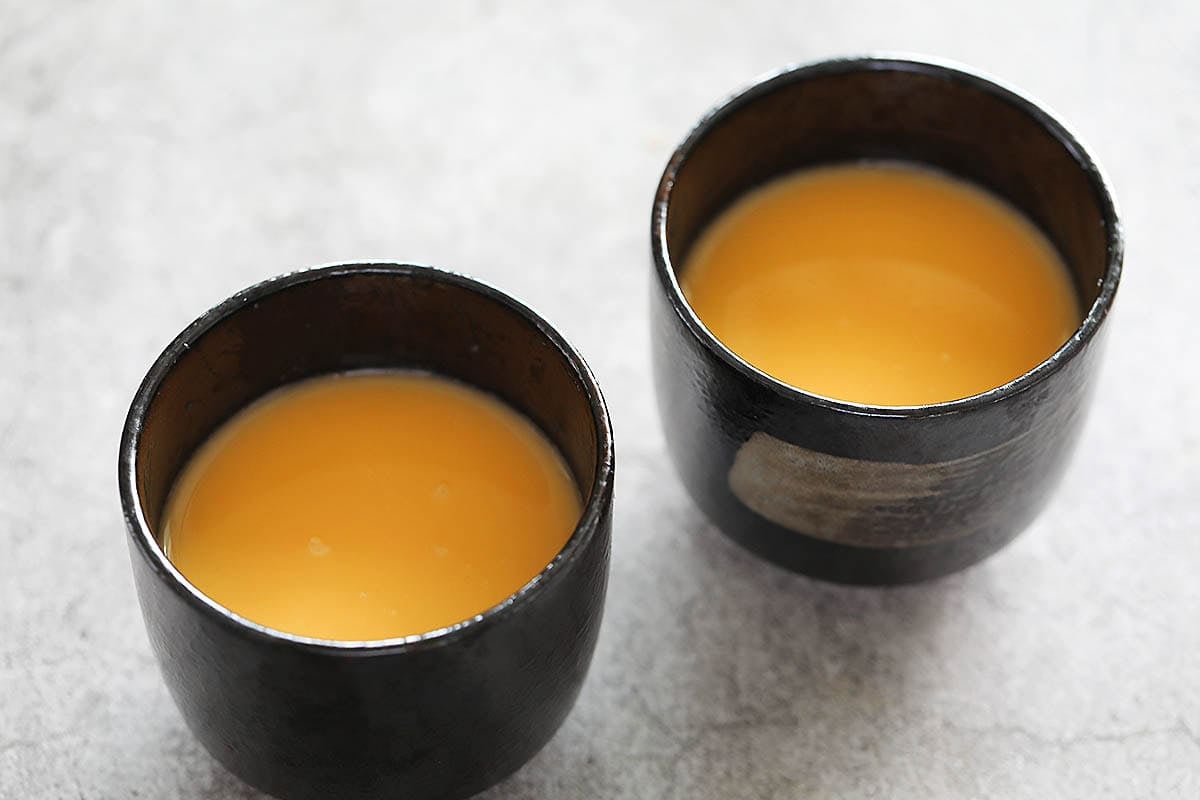
Furthermore, culinary technicians stress the importance of mechanical filtration. Passing the combined egg and dashi mixture through a fine-mesh strainer multiple times eliminates stray chalazae, unblended albumen lumps, and microscopic air bubbles. When transferred to individual chawanmushi cups, any remaining surface bubbles must be meticulously addressed—often by tapping the vessel or utilizing a culinary tool such as a toothpick—to ensure a flawless, glossy surface upon completion.
The Steaming Process and Heat Management
The transformation of liquid ingredients into a delicate, cohesive custard occurs exclusively through gentle steaming. Unlike baking, which utilizes dry, circulating heat, steaming provides a moist, controlled thermal environment.
Culinary data indicates that the ideal steaming environment requires maintaining a medium-low simmer. Excessive heat or rapid boiling causes the proteins in the egg to seize and tighten too quickly, trapping steam pockets that convert the smooth custard into a spongy, porous texture. Standard culinary protocols dictate a steaming duration of approximately 15 minutes for individual, standard-sized ceramic or heatproof glass cups. Professionals advise against scaling up the portion size in a single large vessel to double the cooking time, as this inevitably results in overcooked, rubbery outer edges while leaving the center undercooked.
Ingredients and Flavor Profiles
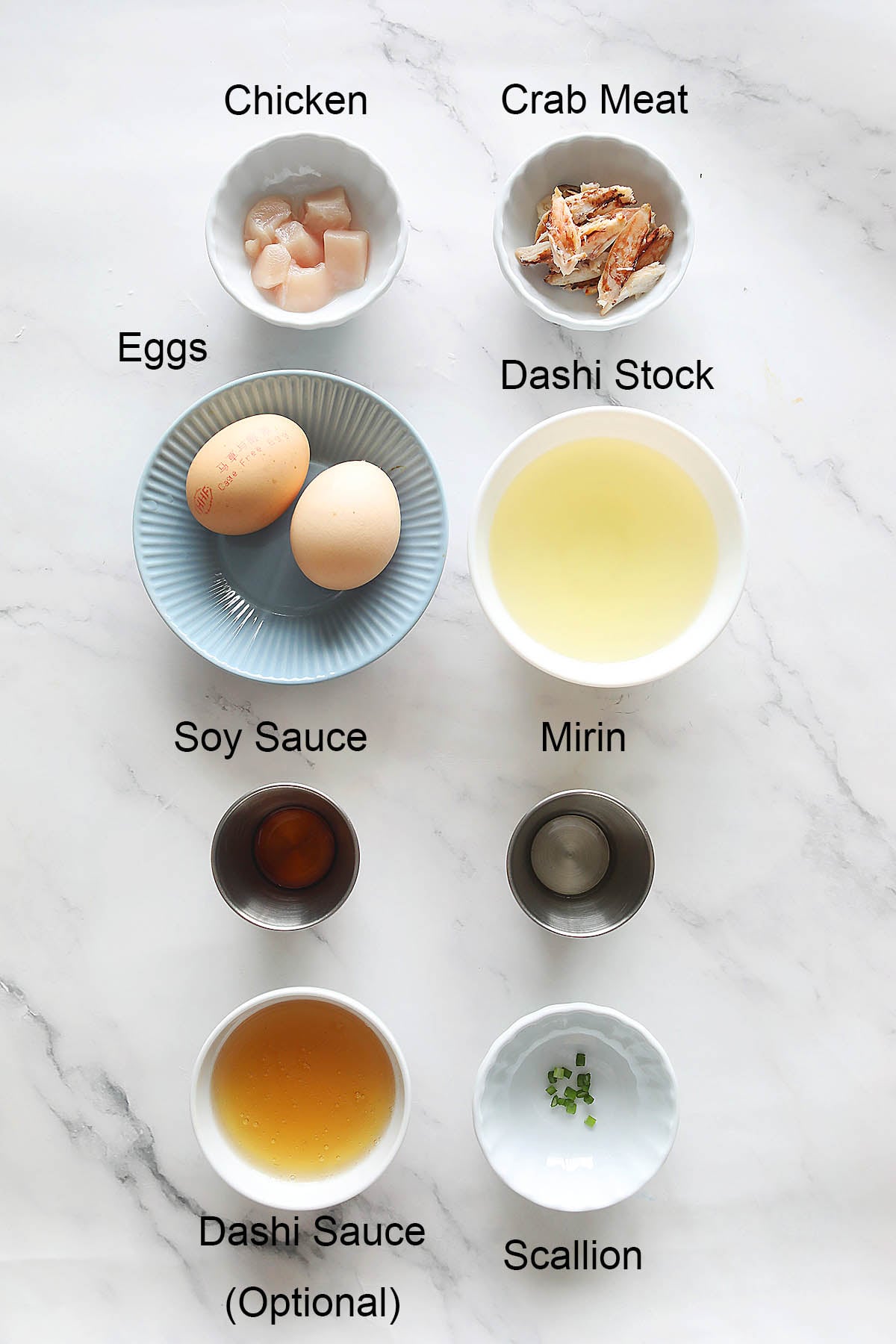
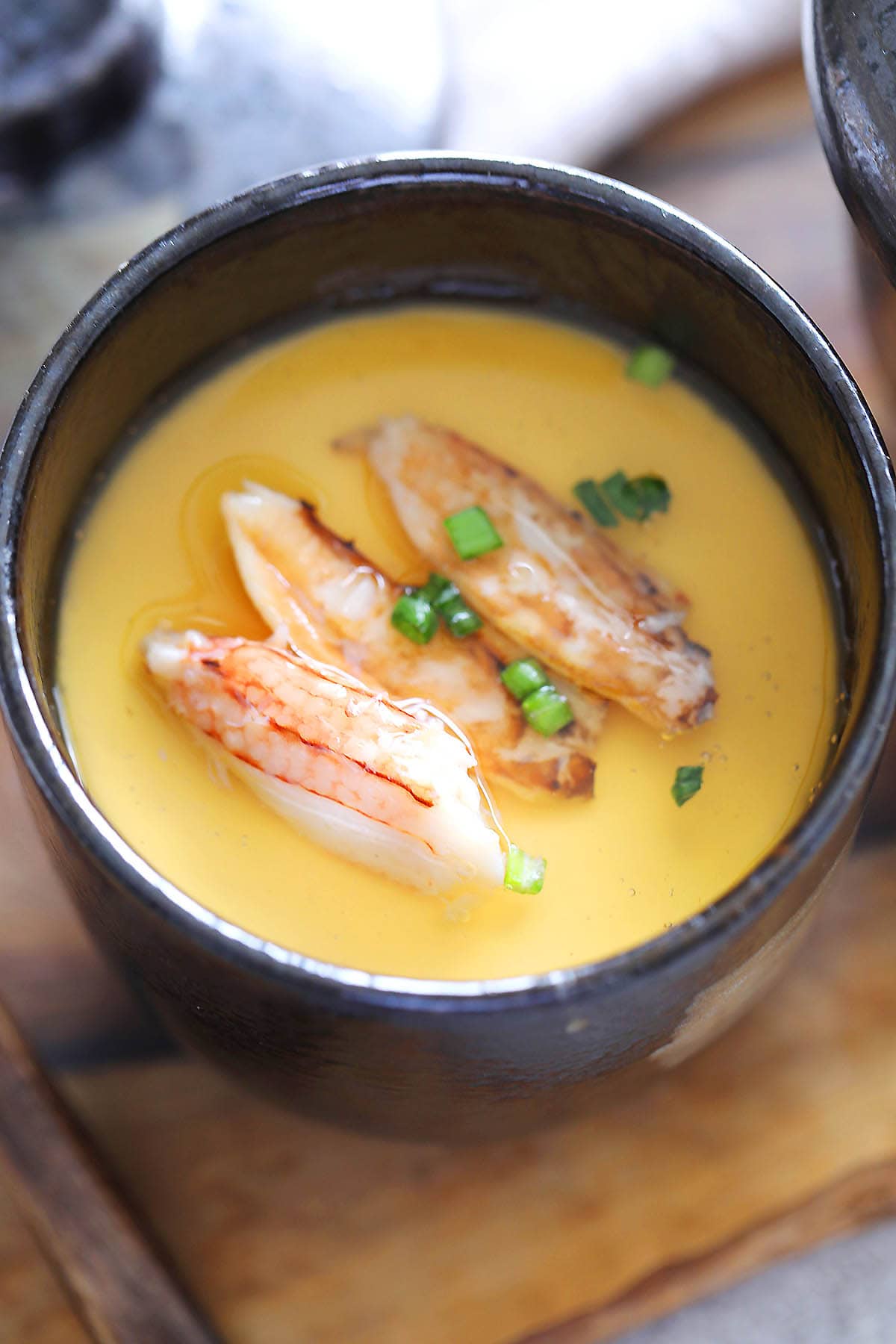
Traditional chawanmushi incorporates a variety of contrasting textures embedded within the soft custard. Common historical ingredients include ginkgo nuts, kamaboko (fish cake), shiitake mushrooms, and small proteins such as chicken or shrimp.
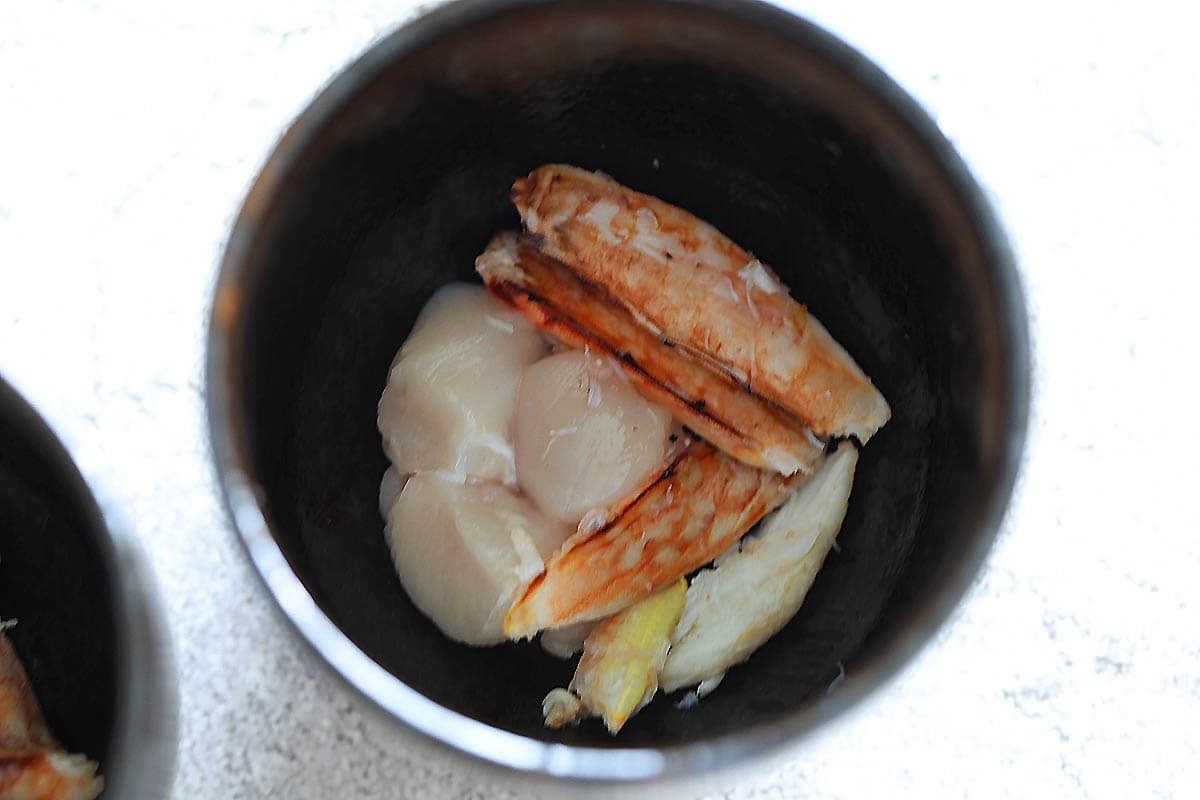
Modern adaptations, such as those popularized by contemporary culinary instructors, frequently feature boneless, skinless chicken breast cut into uniform micro-cubes alongside premium seafood elements like crab meat. The chicken, when properly cut to small dimensions, cooks evenly within the allotted 15-minute steaming window without sinking excessively or compromising the structural integrity of the floating custard.
To elevate the dish beyond traditional home-style preparations, modern recipes often incorporate a specialized dashi-based finishing sauce poured over the set custard just prior to service. This sauce, typically composed of dashi, mirin, and soy sauce, provides an additional layer of moisture and deep umami complexity that addresses criticisms of traditional preparations sometimes deemed overly eggy or subtle in flavor profiles. Garnishes such as freshly minced scallions or reserved crab meat offer a visual contrast and a bright, herbaceous finish.
Nutritional Profile and Dietary Analysis
From a nutritional standpoint, chawanmushi aligns well with dietary trends favoring high-protein, portion-controlled meals. Nutritional breakdowns for a standard serving of chicken and crab chawanmushi indicate a calorie count of approximately 148 kilocalories.
The dish provides a significant protein content, averaging around 20 grams per serving, derived primarily from the whole eggs, poultry, and seafood. Total fat content remains moderate at approximately 6 grams, with a favorable distribution of monounsaturated and polyunsaturated fats relative to saturated fats. Carbohydrate levels are exceptionally low, registering at roughly 2 grams per portion, making the dish suitable for low-carbohydrate and diabetic-conscious dietary plans. However, individuals monitoring sodium intake should account for the inclusion of soy sauce and dashi, which contribute to a total sodium content of approximately 658 milligrams per serving.
Economic and Industry Implications
The growing popularity of preparing complex Japanese dishes like chawanmushi at home reflects broader shifts in consumer behavior within the global food and beverage sector. As international travel restrictions of the past decade gave way to heightened digital interconnectivity, consumers increasingly seek authentic cultural experiences through home cooking.
Kitchenware manufacturers have reported steady demand for specialized Japanese kitchen implements, including traditional ceramic chawanmushi cups equipped with matching lids. These lids serve a functional purpose during the steaming process, preventing condensation from dripping directly onto the delicate surface of the custard, thereby preserving its visual presentation.
Furthermore, the rising accessibility of authentic Asian pantry staples—such as premium honteri mirin, katsuobushi flakes, and kombu sheets—in mainstream supermarket chains has democratized recipes once restricted to professional Japanese restaurant kitchens. Food industry analysts note that this trend supports a broader market expansion for specialty Asian ingredients, reflecting a multicultural consumer base eager to replicate authentic dining experiences within domestic spaces.
Future Outlook and Culinary Education
As culinary education continues to expand via digital platforms, instructional content detailing the preparation of precise, technique-driven dishes like chawanmushi bridges the gap between professional gastronomy and domestic cooking. Experts anticipate that consumer interest in foundational Japanese techniques will persist, driven by an ongoing appreciation for mindful eating, aesthetic presentation, and health-conscious nutritional profiles.
Through careful adherence to standardized ratios, temperature control, and rigorous filtration methods, home cooks worldwide continue to successfully demystify a dish that remains a definitive testament to culinary precision.