Philly Cheesesteak Egg Rolls Combine American Comfort Classics with Asian Culinary Tradition

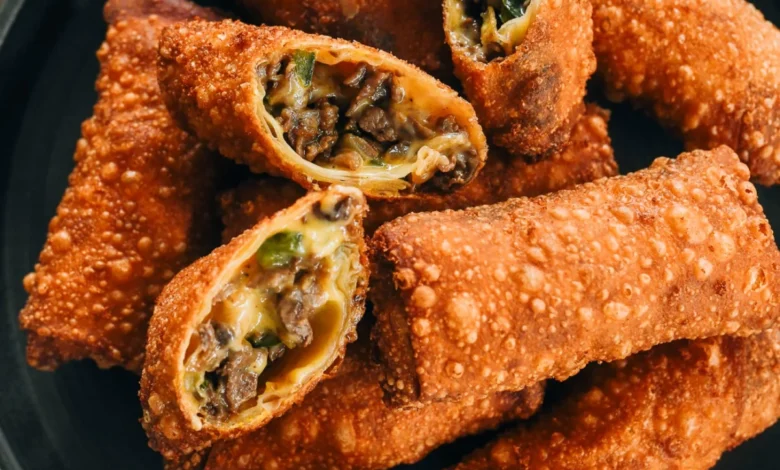
The intersection of regional American comfort food and traditional Asian culinary techniques has yielded yet another viral sensation: the Philly cheesesteak egg roll. While fusion dishes often face skepticism from culinary purists, this particular hybrid has captured the attention of home cooks and digital food media alike, bridging the gap between the iconic Philadelphia sandwich and the crispy, cylindrical wrappers staple to Asian cuisine.
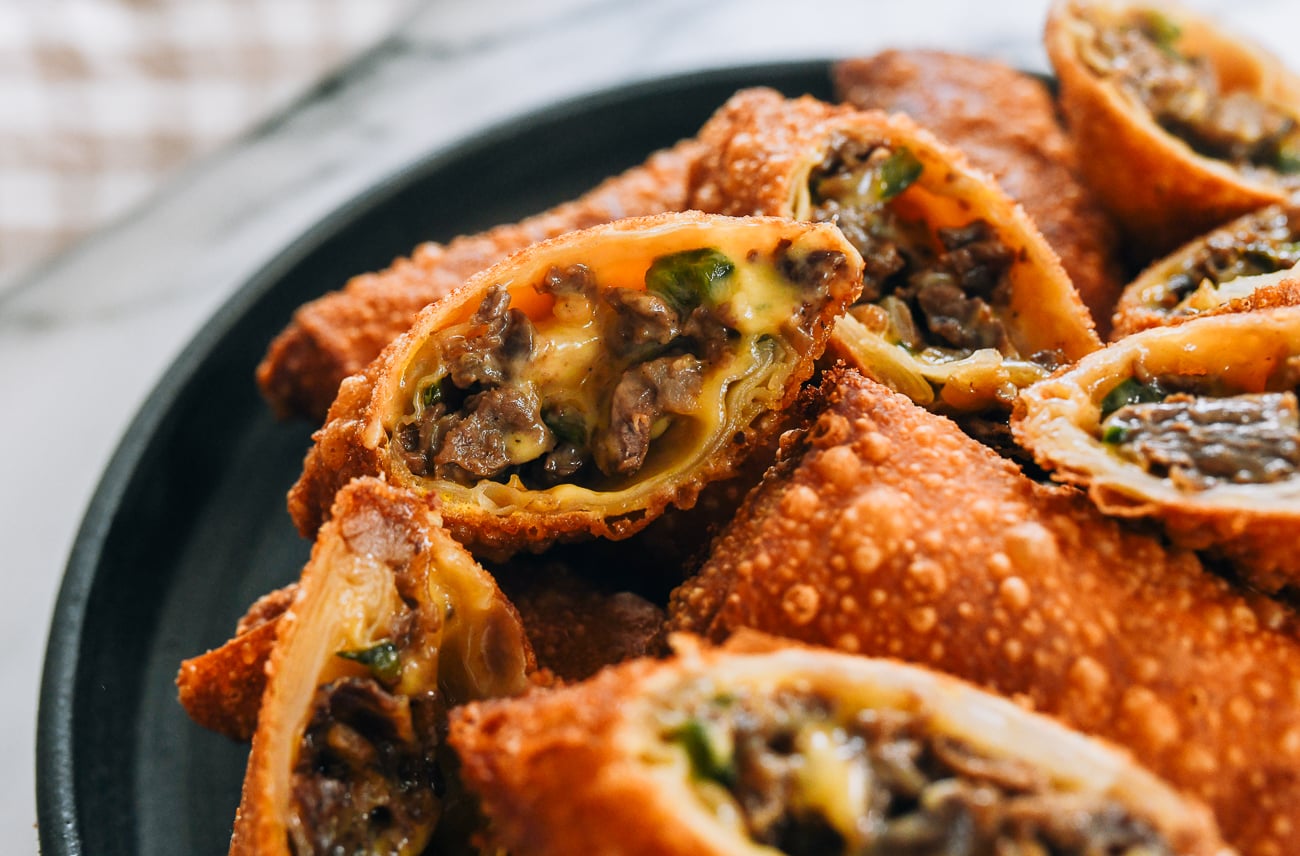
Originating as a popular offering in modern gastropubs and social media food videos, the recipe has officially transitioned into home kitchens. Culinary experts note that the success of the dish relies heavily on balancing the heavy, rich components of a traditional cheesesteak—thinly sliced beef, sweet onions, bell peppers, and copious amounts of melted cheese—with the structural integrity required of a deep-fried wrapper.
Background and Culinary Evolution
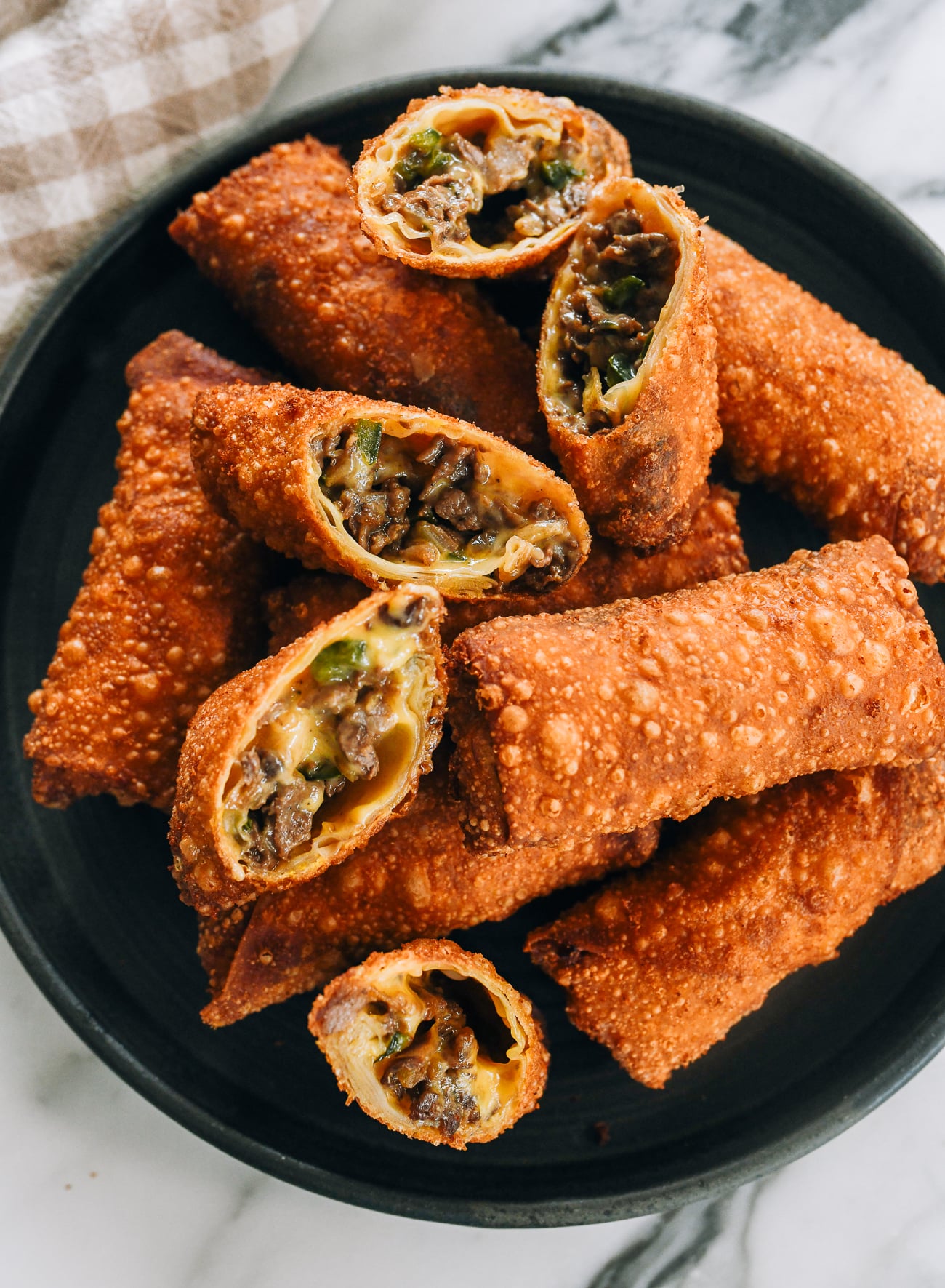
The concept of fusing the Philly cheesesteak with egg roll wrappers is not entirely new, having quietly emerged in American restaurant culture around the mid-2010s before gaining widespread traction across digital platforms prior to 2018. However, many established recipe developers and home cooking platforms initially delayed adopting the trend, favoring classic iterations such as pork, shrimp, chicken, vegetable, and proprietary cream cheese-based variations.
The rationale behind the hesitation often stems from the technical challenges of frying high-fat, dairy-heavy fillings inside delicate wheat flour wrappers. When heated, processed cheeses tend to liquefy rapidly, occasionally breaching the seams of the wrapper and reacting violently with hot cooking oil. Despite these technical hurdles, recent recipe developments have optimized the preparation process, making the dish accessible to everyday consumers without sacrificing structural integrity or flavor profile.
Comprehensive Preparation and Ingredient Profile
Achieving an authentic flavor profile while adapting it for a deep-fried medium requires specific adjustments to traditional seasoning. Standard Philly cheesesteak preparations typically rely on minimal seasoning—frequently limited to salt, pepper, onions, and beef. The modern fusion adaptation, however, incorporates several enhancements to elevate the depth of flavor.
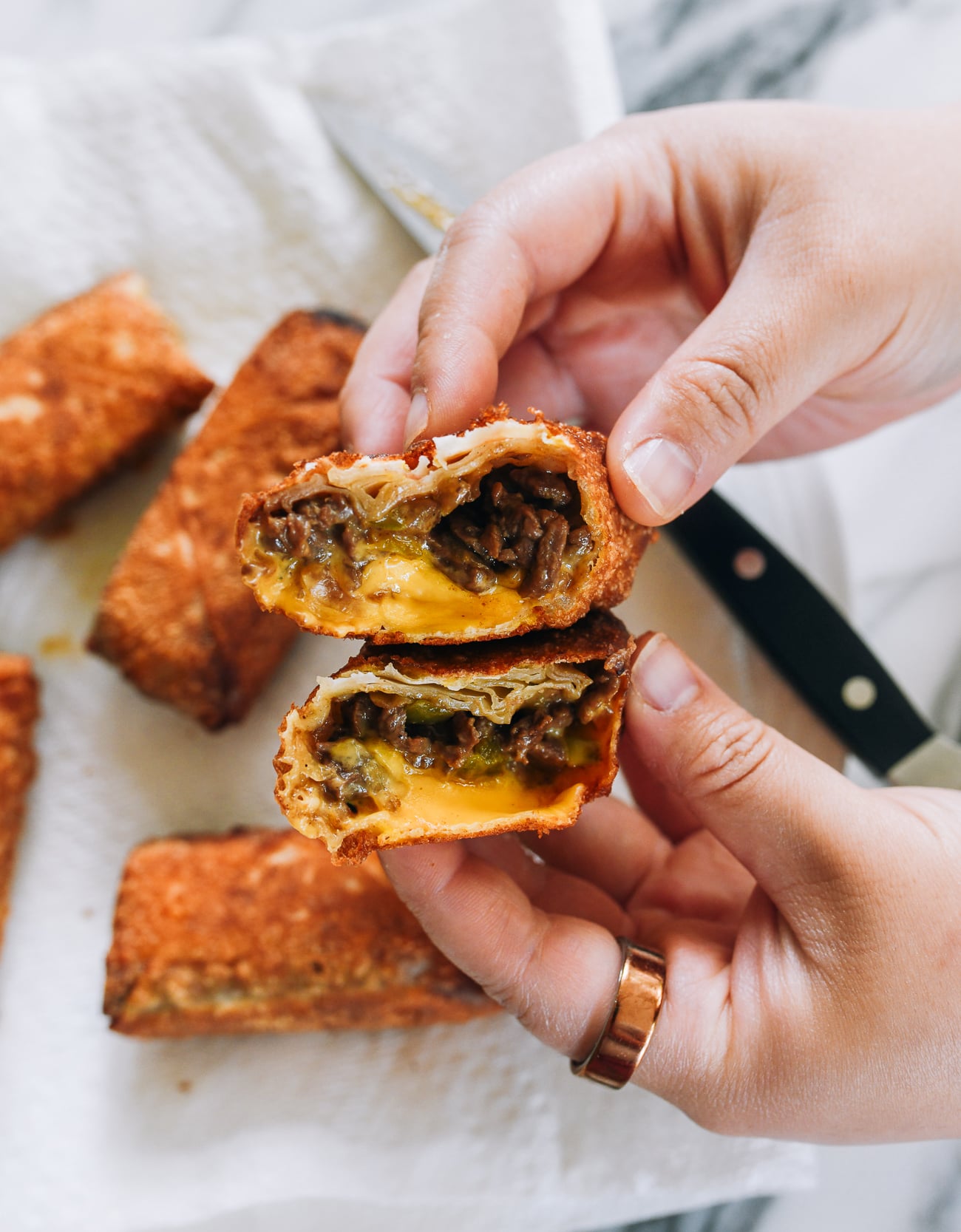
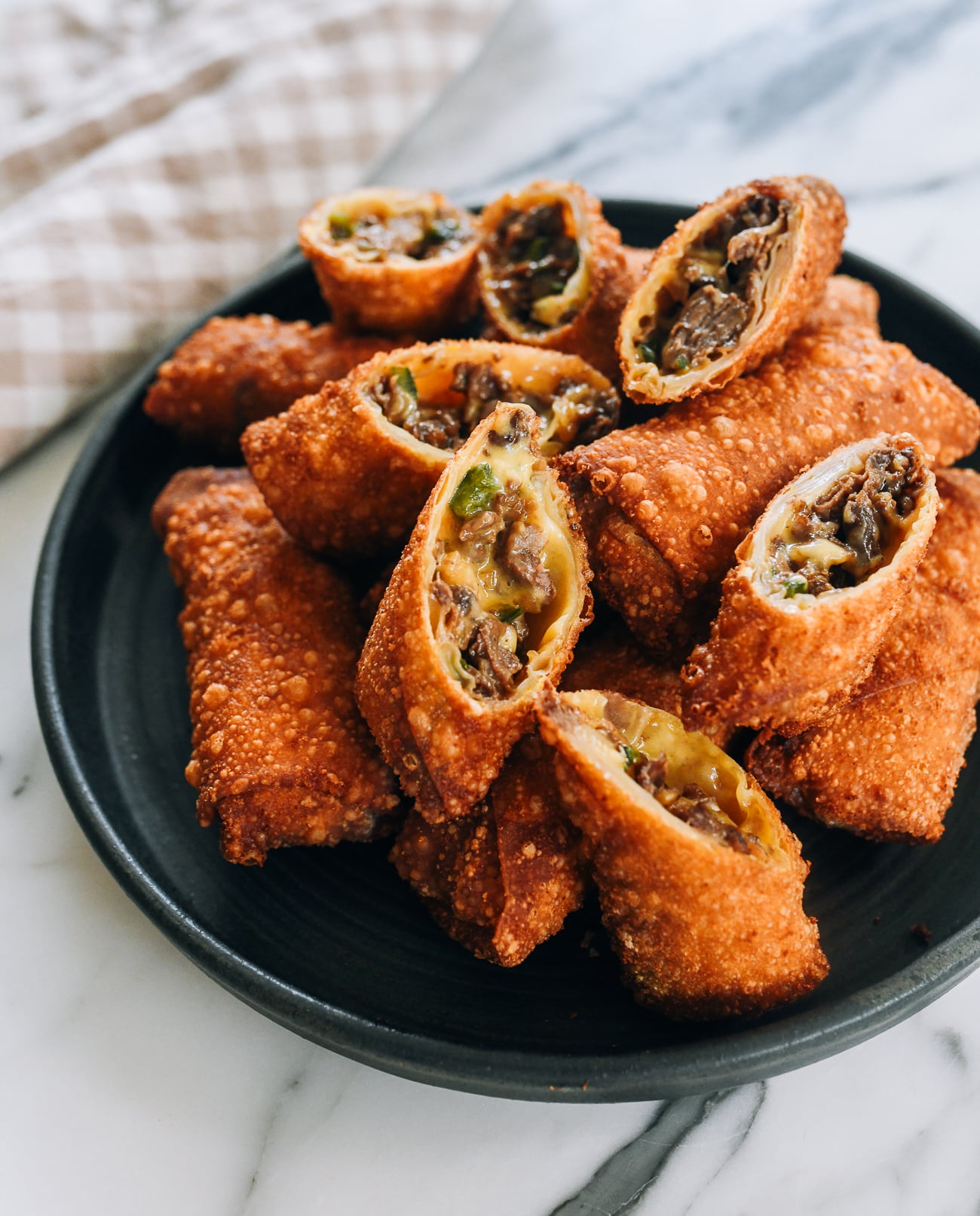
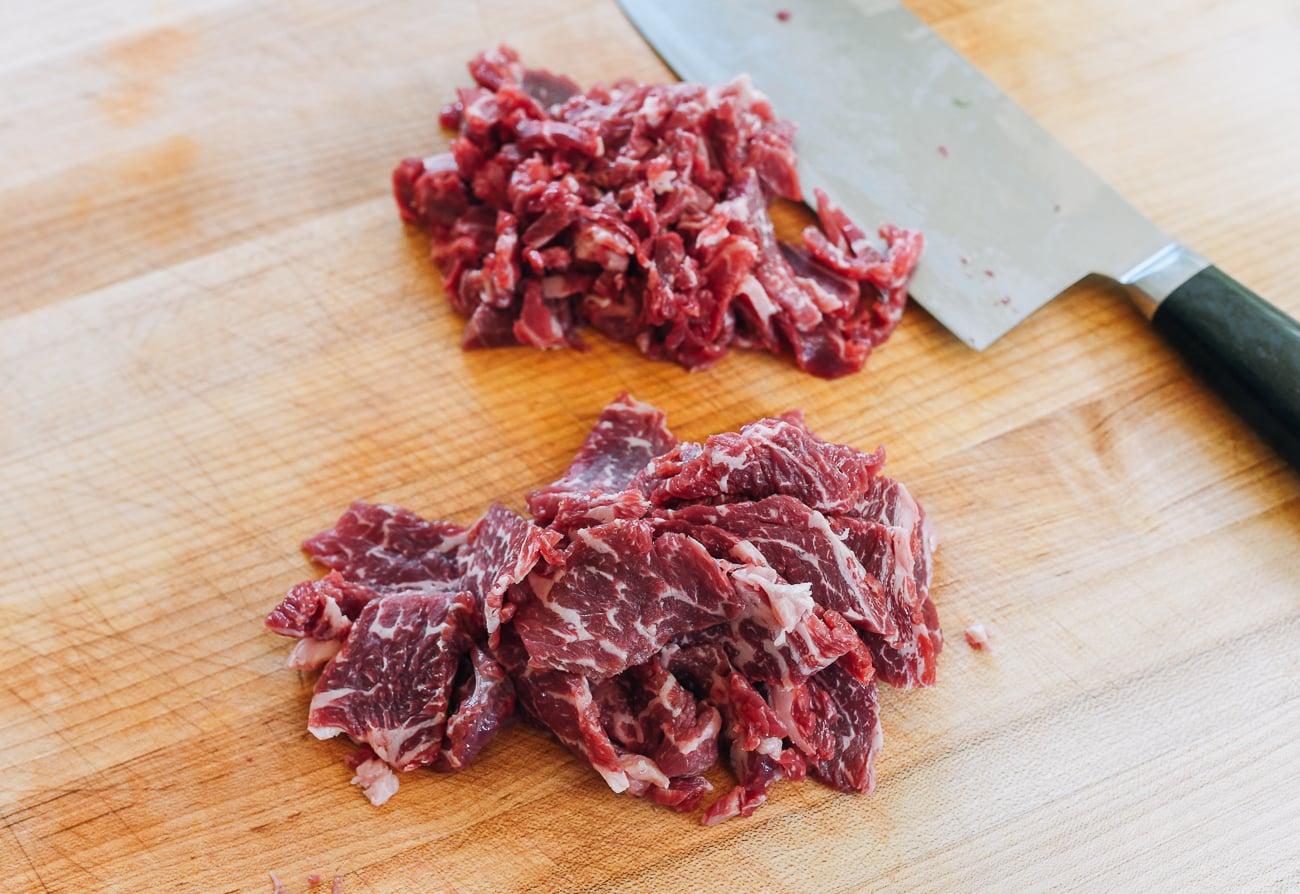
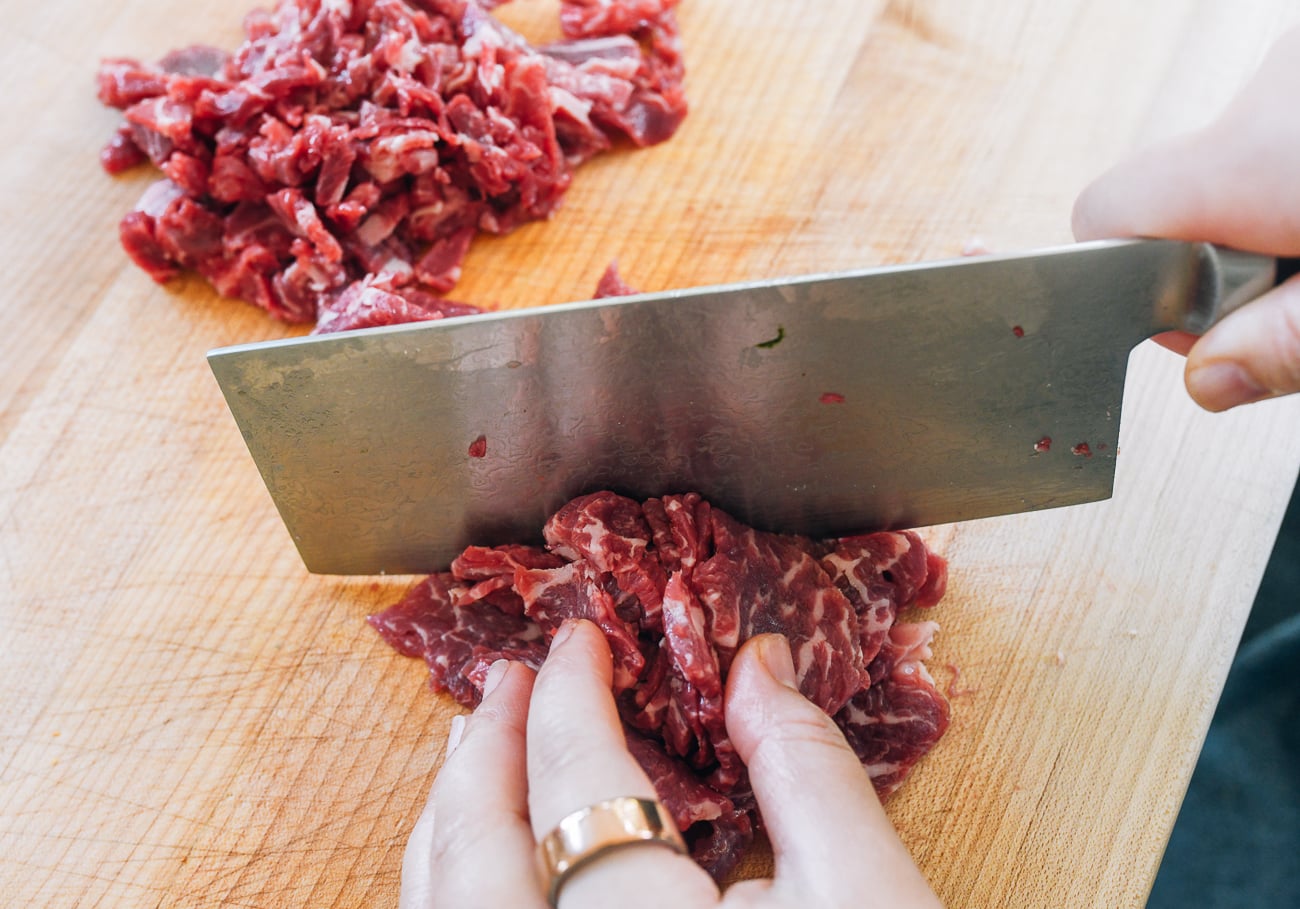
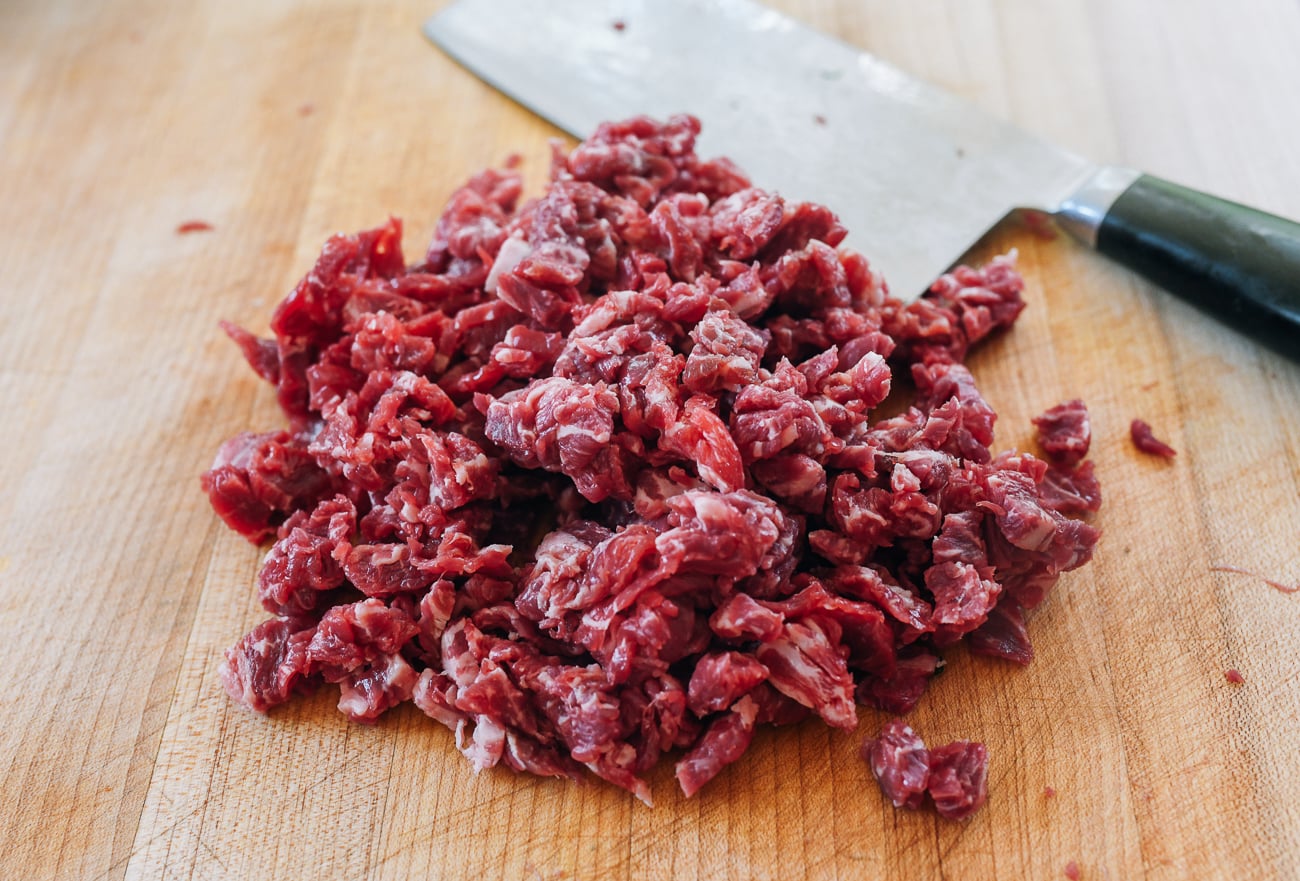
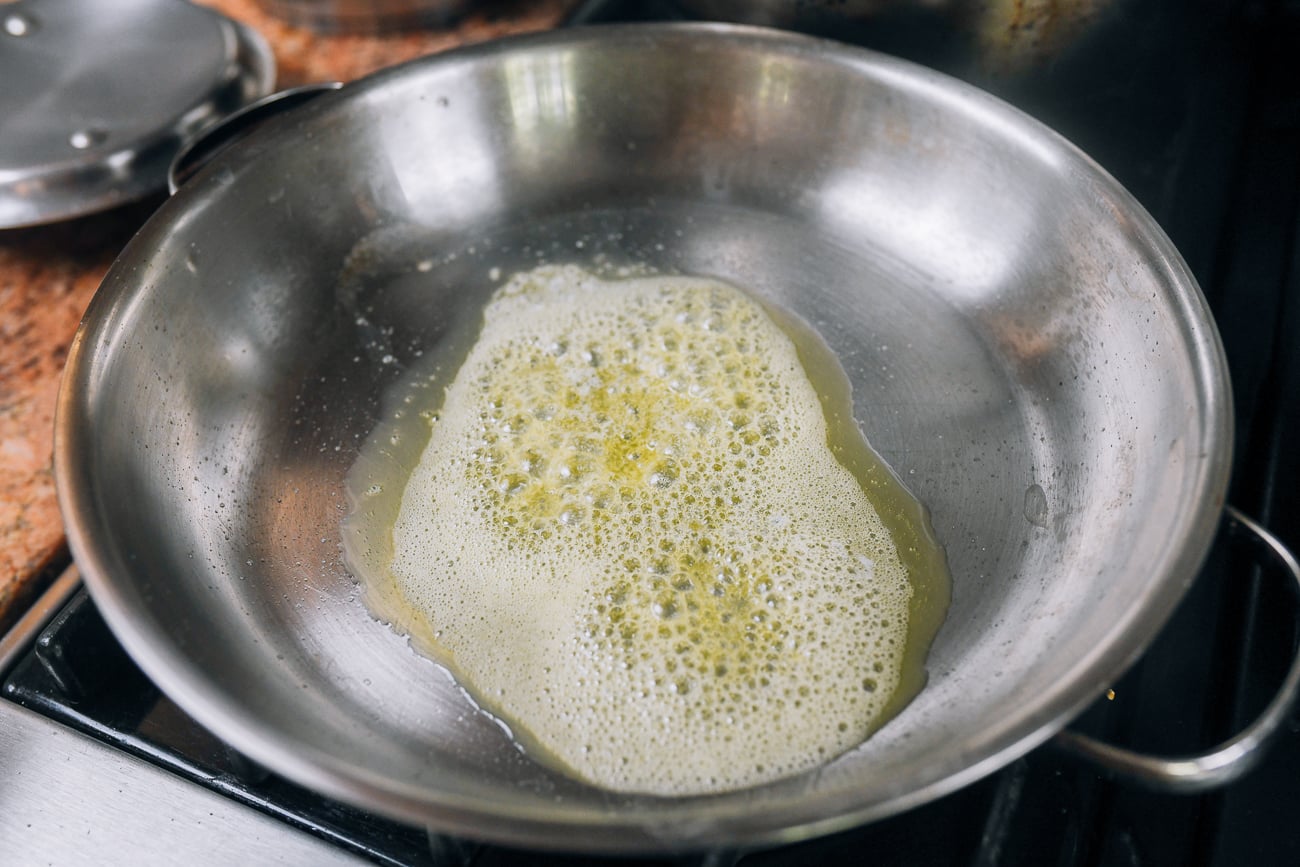
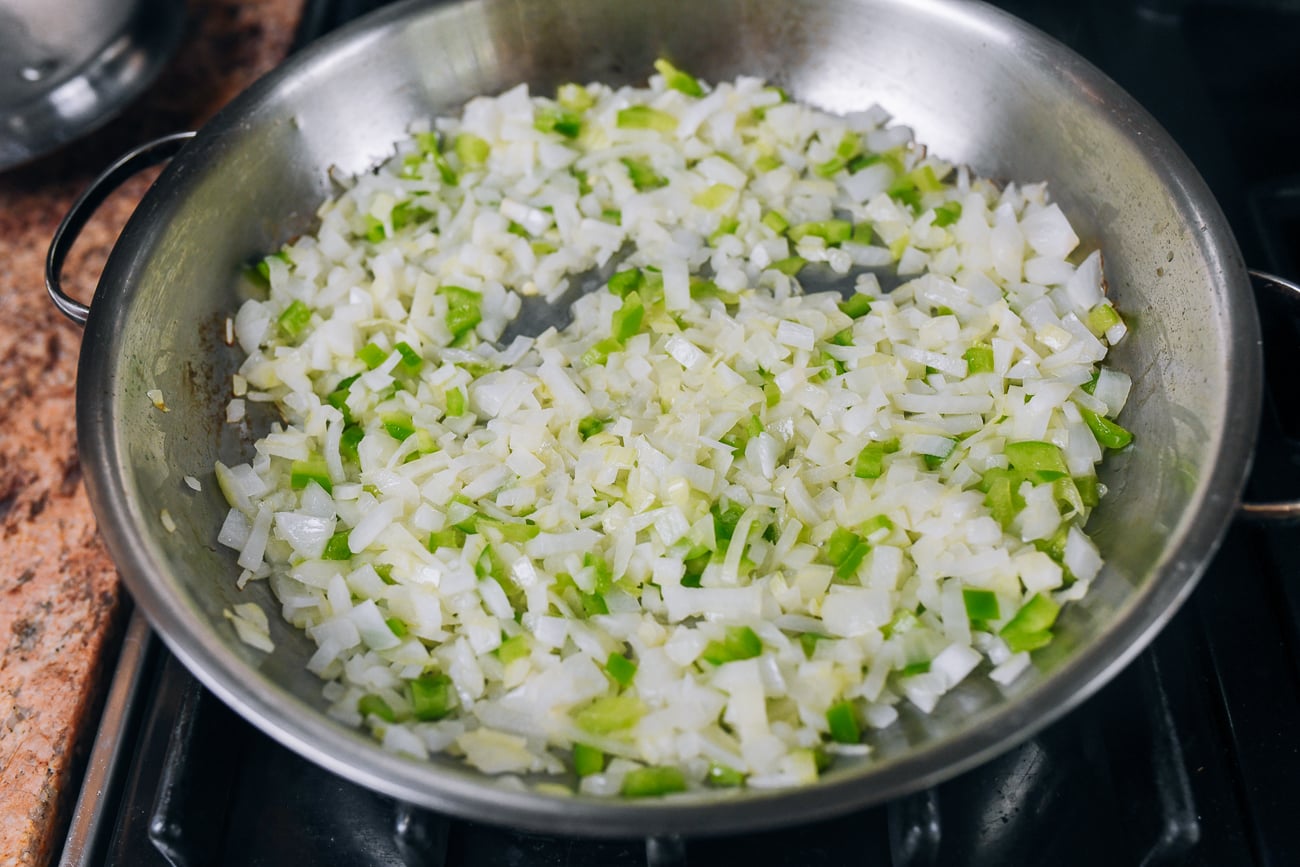
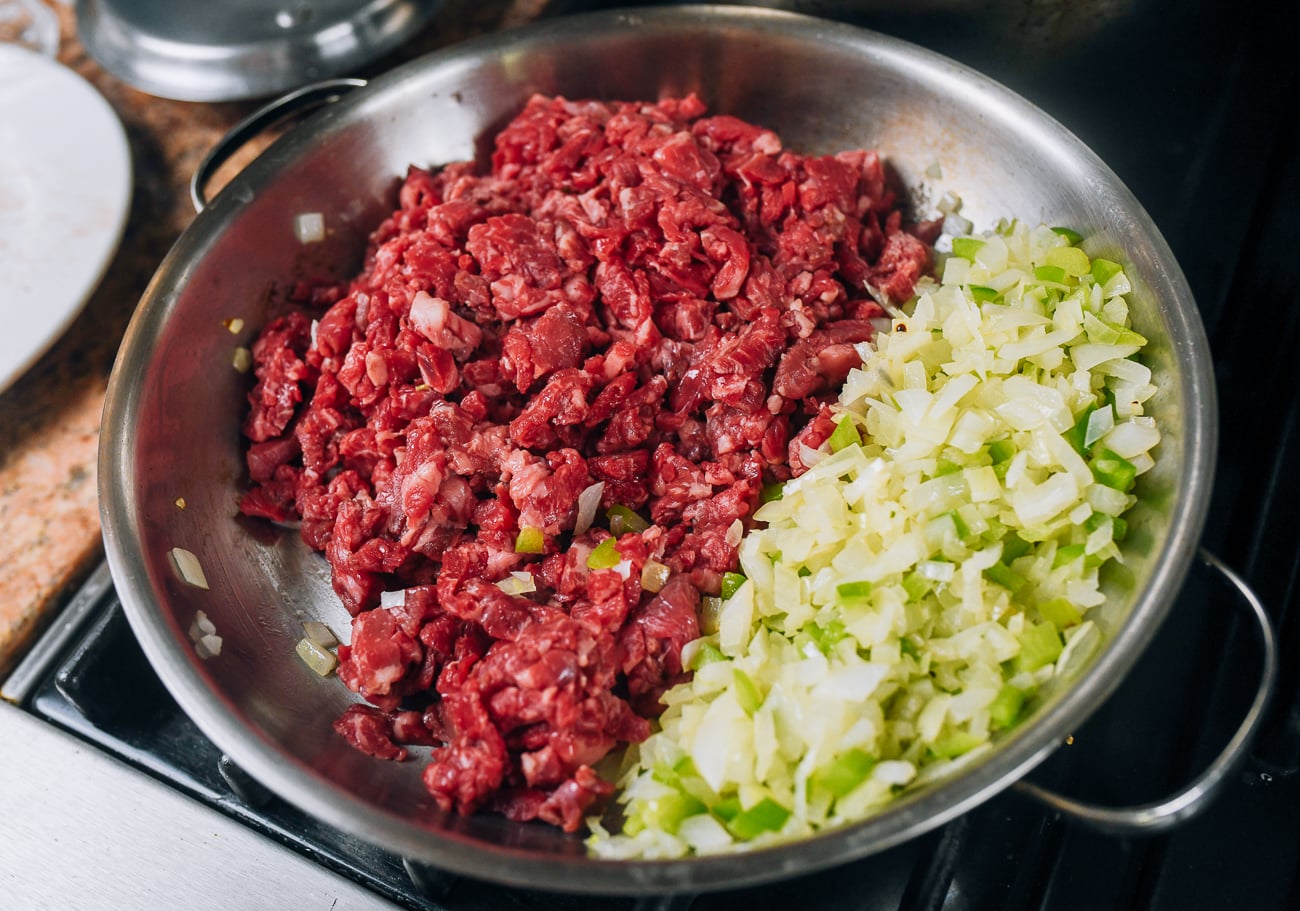
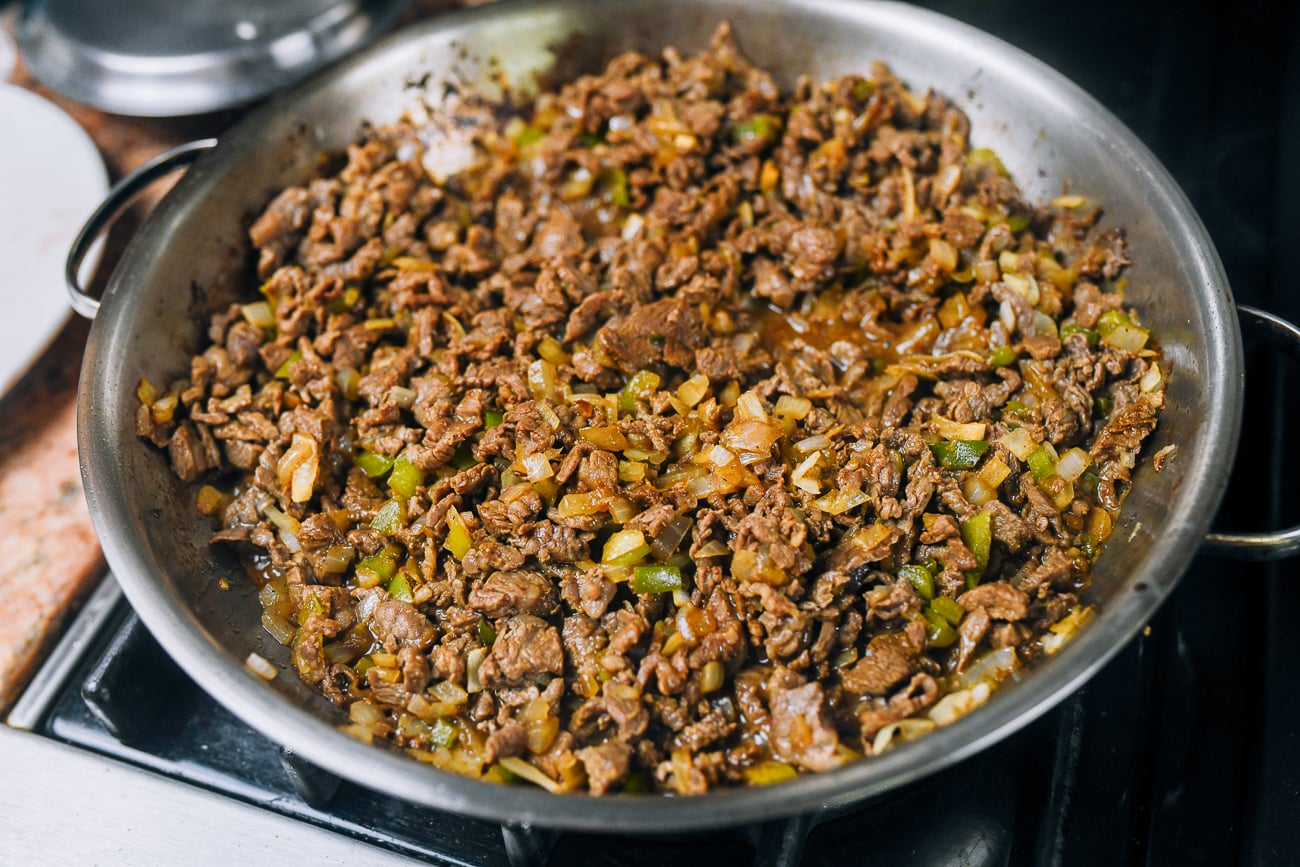
The filling process begins with thinly sliced chuck roast or ribeye, which is significantly easier to slice against the grain when partially frozen. Once finely chopped, the beef is sautéed alongside softened sweet onions and green bell peppers in melted butter. To impart a savory umami backbone and a rich caramel color, modern recipes frequently incorporate dark soy sauce, alongside a balanced blend of black pepper and white pepper to provide gentle heat without overpowering the primary ingredients.
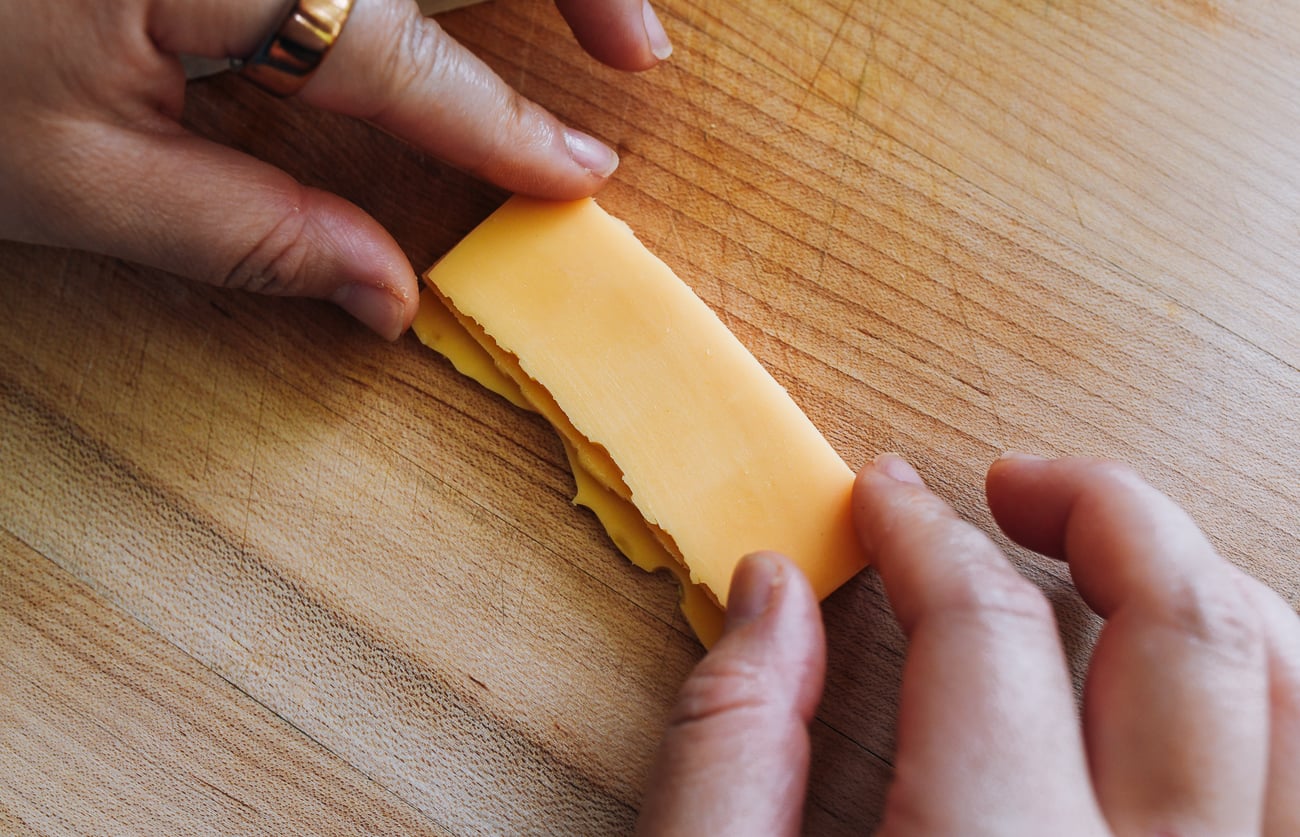
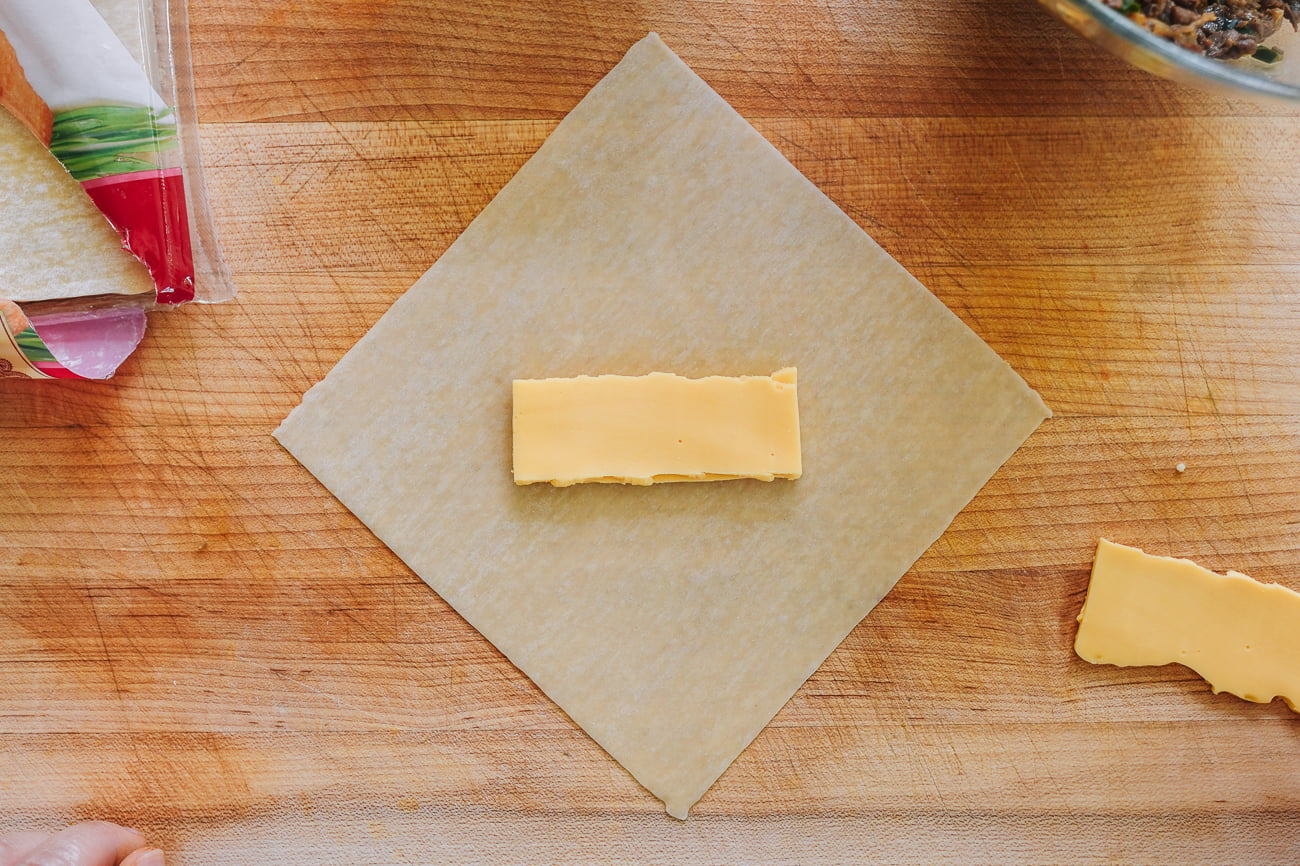
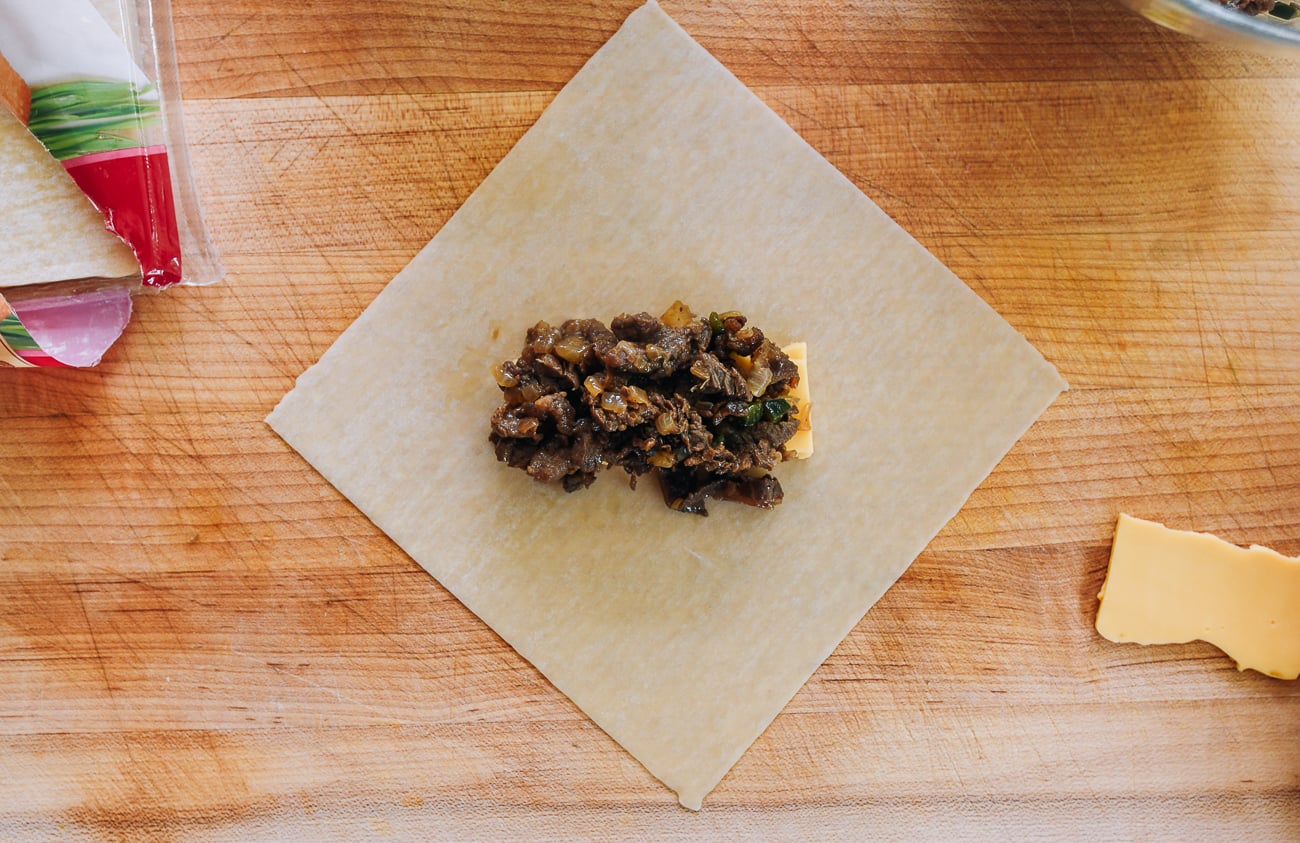
Following a mandatory cooling period—typically lasting at least 30 minutes in a refrigerator to stabilize the fat content—the mixture is assembled into egg roll wrappers. Sliced yellow American cheese or sharp provolone is folded strategically above and below the beef mixture to ensure maximum melt factor upon cooking. To prevent structural failure during the frying process, cooks secure the cylindrical wrappers using a standard egg wash as a binding agent, creating a tightly sealed package ready for the heating phase.
Cooking Methodologies: Deep-Frying Versus Pan-Frying
Culinary evaluations of the Philly cheesesteak egg roll emphasize two primary methods for cooking: traditional deep-frying and shallow pan-frying. Each approach offers distinct advantages and trade-offs regarding texture, oil consumption, and preparation difficulty.
Deep-Frying Analysis
Deep-frying remains the gold standard for achieving the characteristic crispy, blistered exterior associated with commercial egg rolls. Cooks typically submerge the assembled rolls in batches of three to four in oil heated between 325°F and 340°F (160°C to 170°C) for approximately four minutes.
However, this method presents a notable operational challenge: cheese leakage. Because American and provolone cheeses liquefy at relatively low temperatures, a portion of the dairy content inevitably escapes into the frying medium, creating a toasted cheese residue often referred to as "dust." Kitchen operators must clear this debris using a fine-mesh sieve between batches to prevent scorching and off-flavors in the oil.
Pan-Frying Analysis
For home cooks seeking to minimize oil consumption and avoid the maintenance associated with deep-frying, shallow pan-frying in a cast-iron skillet offers a viable alternative. By heating approximately one-half cup of oil over medium-high heat, cooks can rotate the egg rolls across all sides—including the narrow ends—to achieve uniform browning and crispness.
While pan-fried versions lack the hyper-crunchy texture achieved by total immersion in oil, the method significantly reduces cheese leakage and simplifies cleanup, making it an attractive option for weeknight preparation.
Nutritional Content and Dietary Considerations
Analysis of the nutritional profile indicates that these appetizers are calorie-dense and high in saturated fats, aligning with their indulgent nature. A standard serving size contains approximately 297 kilocalories, 14 grams of protein, 10 grams of carbohydrates, and 22 grams of total fat, of which 10 grams are saturated fat.
Furthermore, the sodium content is elevated, registering at approximately 696 milligrams per serving, primarily driven by the cured beef, processed cheese, and soy sauce components. Consequently, dietitians recommend consuming the dish as an occasional treat rather than a dietary staple, noting that portion control remains key for individuals monitoring their sodium and lipid intake.
Accompaniments and Dipping Sauces
To counterbalance the rich, heavy flavor profile of the beef and melted cheese, culinary experts recommend pairing the egg rolls with acidic or pungent dipping sauces. Popular pairings include vinegar-based hot sauces—such as Louisiana Crystal—which cut through the fat of the cheese.
Alternative pairings gaining traction among consumers include traditional Chinese hot mustard, steak sauces, ranch dressing, and homemade blue cheese dressings. This versatility in condiment pairing has contributed significantly to the dish’s adaptability across various regional American dining preferences.
Storage, Freezing, and Reheating Protocols
For commercial and domestic meal-planning purposes, the Philly cheesesteak egg rolls demonstrate high viability for long-term storage. Uncooked or fully cooked and cooled egg rolls can be stored in airtight freezer bags for up to two months without significant degradation in quality.
To restore leftover or frozen egg rolls to their original texture, culinary testing recommends avoiding microwave reheating, which softens the outer wrapper. Instead, utilizing an oven or an air fryer set to 350°F (175°C) for 10 to 15 minutes effectively recrisp the exterior while thoroughly heating the interior filling and melting the cheese once more.
Broader Industry Impact and Fusion Trends
The rise of the Philly cheesesteak egg roll underscores a broader consumer appetite for cross-cultural comfort food combinations within the fast-casual dining and social media sectors. By marrying the regional identity of Philadelphia’s signature sandwich with the accessibility of Asian-American appetizer formats, home cooks and restaurant developers continue to demonstrate the commercial viability of culinary boundary-pushing.
As digital recipe platforms continue to prioritize high-engagement, visually dynamic comfort foods, variations of the cheesesteak egg roll are expected to remain a staple of modern American fusion cuisine for the foreseeable future.