Chili Crisp Noodles: A Culinary Synthesis of Speed, Flavor, and Adaptability

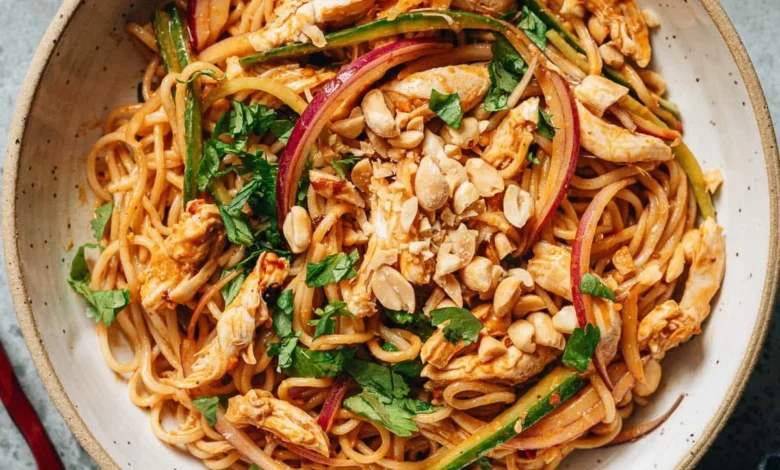
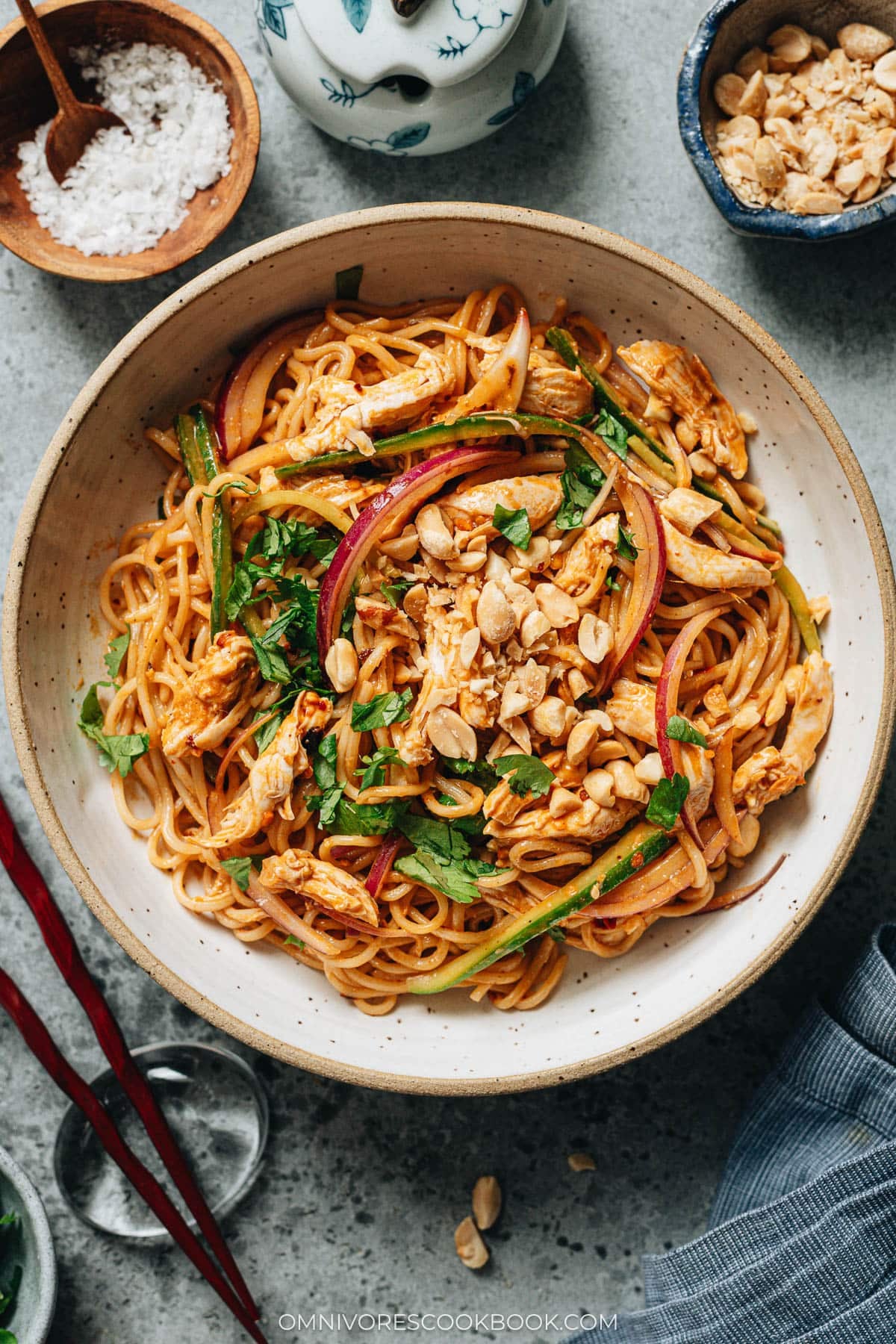
The culinary landscape is continually shaped by innovations that blend efficiency with robust flavor profiles. In this context, Chili Crisp Noodles have emerged as a noteworthy dish, particularly favored for its rapid preparation time, minimal cooking requirements, and an explosion of complex tastes. This dish, characterized by tender noodles enrobed in a rich, savory-spicy sauce, is a testament to how contemporary cooking can cater to demanding schedules without compromising on gustatory satisfaction.
At its core, the appeal of Chili Crisp Noodles lies in its inherent versatility and speed. The recipe typically comes together in under 30 minutes, positioning it as an ideal solution for weeknight dinners or quick lunches. The foundational element, tender noodles, serves as a canvas for a vibrant ensemble of ingredients. Shredded chicken, often prepared from readily available chicken tenders due to their rapid cooking time and inherent juiciness, adds a mild protein counterpoint to the potent sauce. This protein component, however, is highly adaptable, readily incorporating other forms of protein such as pre-shredded chicken from a slow cooker or rotisserie chicken, braised beef shank, or even deli meats like roast beef or turkey, showcasing its utility as a vehicle for utilizing leftovers and optimizing kitchen resources.
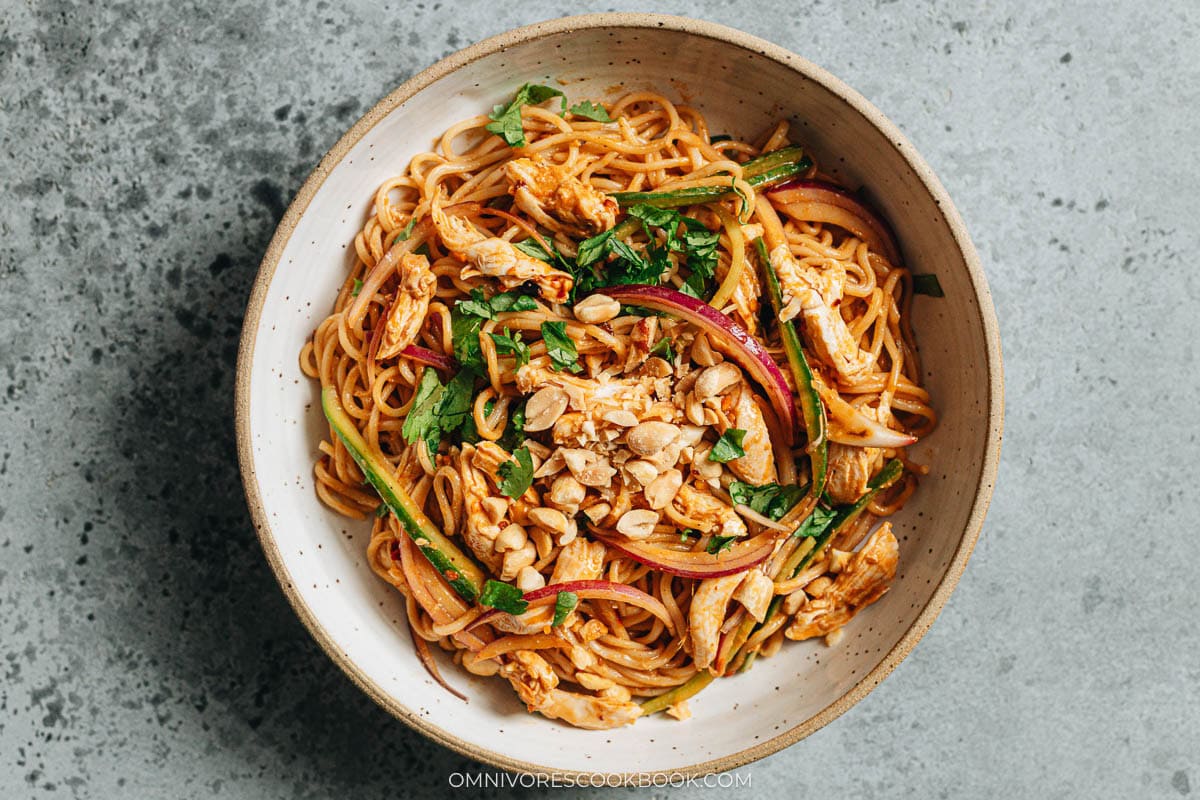
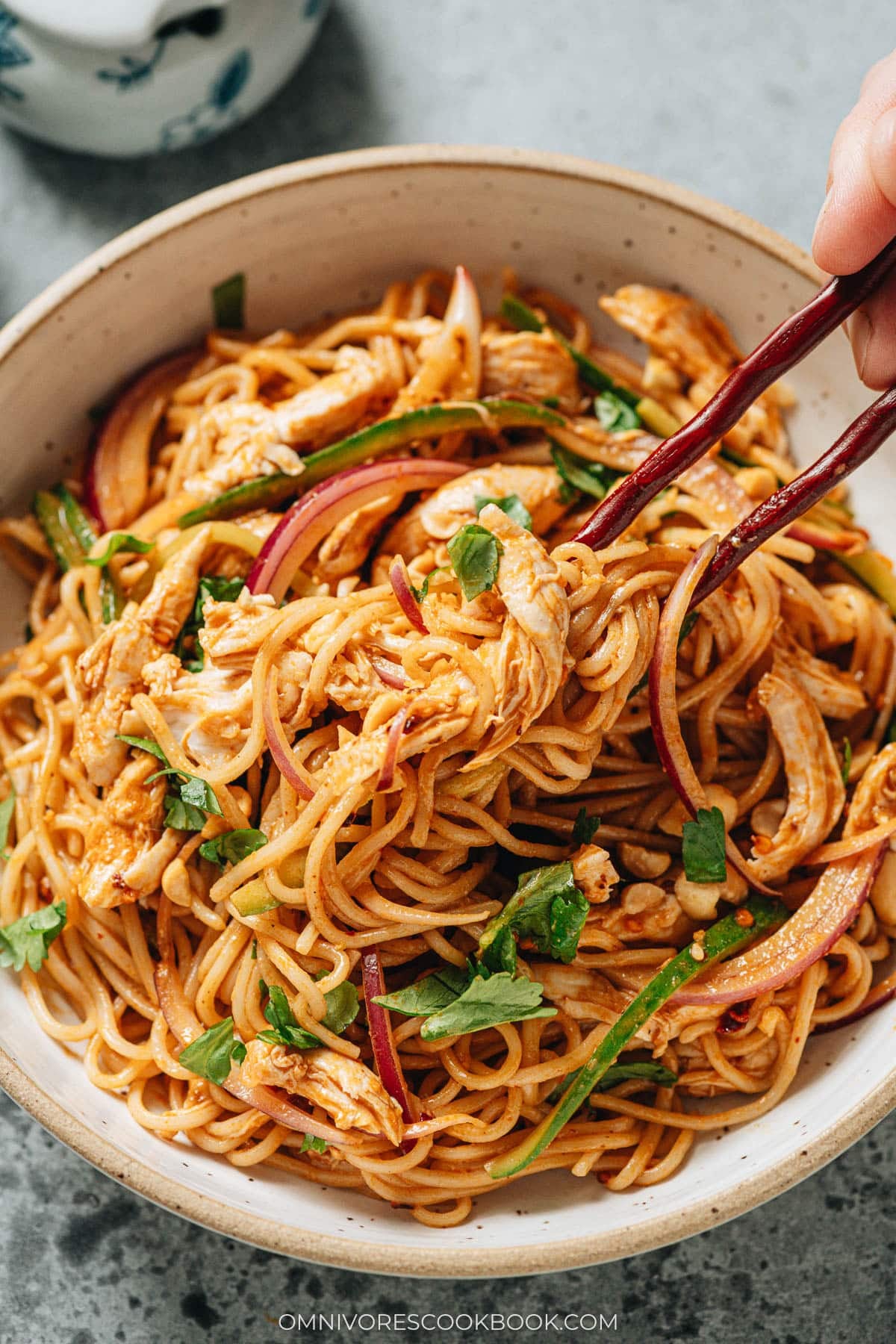
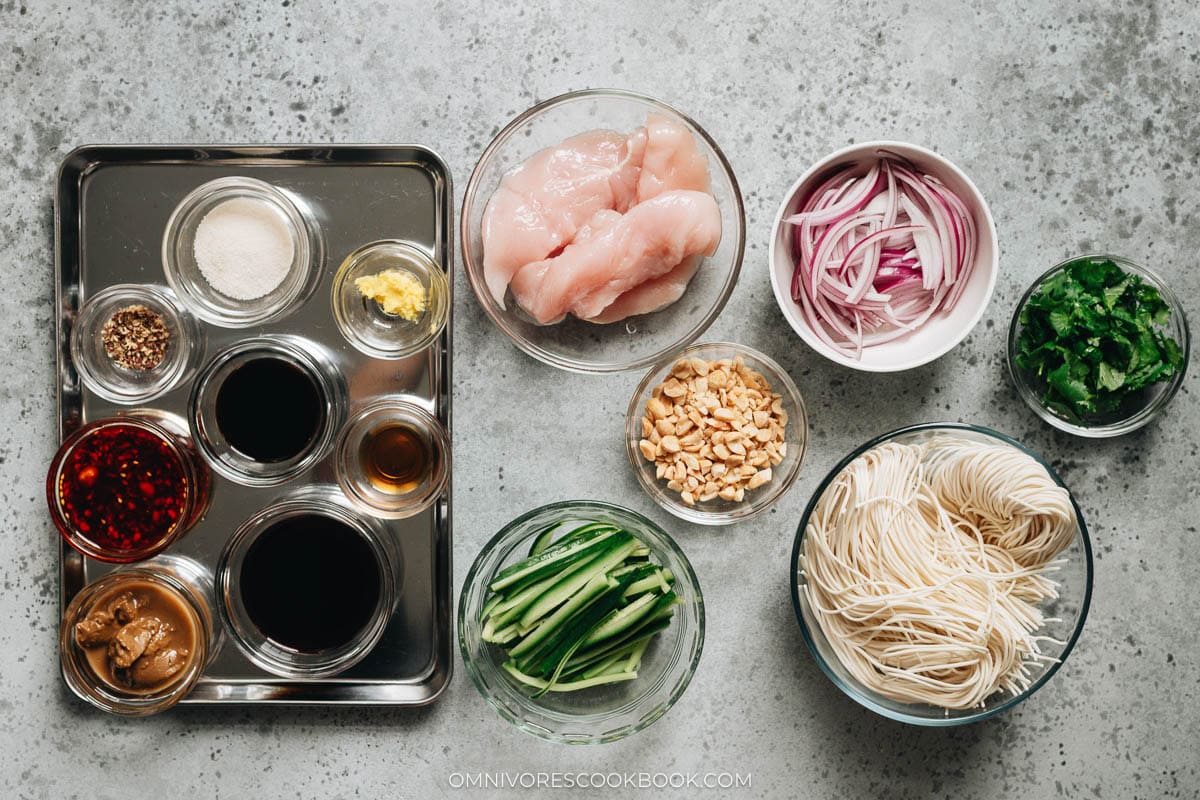
The preparation methodology itself underscores the dish’s efficiency. A large pot of boiling water is utilized first for cooking the noodles, and then, in a strategic move to conserve both time and energy, the same hot water is employed to blanch the chicken. This dual-use approach is a hallmark of economical and time-conscious cooking. While the noodles and chicken are in process, the heart of the dish – the sauce – is rapidly assembled. Key components typically include Lao Gan Ma chili crisp, a fermented chili bean paste that provides a distinctive savory heat and textural crunch, sesame paste for a creamy, nutty base, soy sauce for umami depth, Chinkiang vinegar for a bright, acidic counterpoint, grated ginger for aromatic pungency, and a touch of honey to balance the robust flavors. These elements are whisked together to form a cohesive sauce that is then tossed with the cooked noodles, chicken, and crisp vegetables like shredded cucumber and thinly sliced red onion. The result is a harmonious blend of textures and tastes, where each strand of noodle is thoroughly coated in the rich, spicy emulsion.
The Anatomy of Flavor: Deconstructing the Chili Crisp Sauce
The success of Chili Crisp Noodles hinges significantly on its complex yet accessible sauce. This flavor profile is often inspired by traditional Chinese culinary pairings, specifically the synergy between sesame paste and chili oil. However, the integration of Lao Gan Ma chili crisp elevates the dish by simplifying the process while amplifying the flavor. The chili crisp itself, a beloved condiment in Chinese cuisine, typically comprises dried chilies, fermented soybeans, Sichuan peppercorns, and crispy fried aromatics like shallots and garlic, suspended in oil. This single ingredient delivers a multifaceted flavor experience – heat, savory depth, and textural intrigue.
Chinese sesame paste, distinct from its Middle Eastern counterpart (tahini), offers a deeper, more roasted nuttiness. When combined with soy sauce, it forms a savory foundation. The addition of Chinkiang vinegar, a dark, aromatic Chinese rice vinegar, introduces a crucial layer of acidity that cuts through the richness of the sesame and chili crisp, preventing the dish from becoming overly heavy. Freshly grated ginger contributes a bright, pungent aroma, while a hint of honey acts as a flavor enhancer and balancer, rounding out the sharp edges of the vinegar and chili. Some variations may also include Sichuan peppercorn for its characteristic numbing sensation, further enhancing the complexity.
Ingredient Spotlight: From Pantry Staples to Culinary Stars
The ingredients for Chili Crisp Noodles are generally accessible, particularly for those with a background in or inclination towards Asian cooking. The recipe can be broadly categorized into its core components: the sauce, the noodles, the protein, and the accompanying vegetables and toppings.
-
The Noodle Base: The choice of noodles plays a crucial role in the final texture and overall experience. Dried wheat noodles, often similar in thickness to spaghetti, are a popular choice due to their widespread availability and pleasant chewiness. Thicker varieties such as shaved noodles or hand-pulled noodles are also excellent options, offering a satisfying bite. However, it is generally advised to avoid excessively thin noodles, like somen or angel hair pasta, as their delicate nature may be overwhelmed by the potent flavors of the chili crisp sauce. Some recipes highlight specific noodle types, such as unsalted Udon noodles, noting their chewy texture and the benefit of reduced sodium content. The importance of properly preparing the noodles, specifically rinsing them under cold water after cooking to halt the cooking process and remove excess starch, cannot be overstated. This step is critical for preventing the noodles from clumping together and achieving an optimal texture.
-
Protein Versatility: As mentioned, chicken tenders are a favored protein due to their quick cooking time and tendency to remain moist. However, the recipe is exceptionally adaptable. Utilizing pre-cooked proteins such as Instant Pot shredded chicken breast, Chinese braised beef shank (often prepared in advance), leftover rotisserie chicken, or even incorporating deli meats like roast beef or turkey, transforms the dish into a convenient and resourceful meal. For vegetarian or vegan adaptations, options include baked or pan-fried tofu, edamame, or grilled mushrooms, demonstrating the dish’s broad dietary appeal.
-
A Symphony of Vegetables and Toppings: The inclusion of fresh vegetables adds crucial texture, color, and a refreshing contrast to the rich sauce. While cucumber and red onion are frequently cited for their crispness and mild sweetness, a wide array of vegetables can be incorporated. Sliced red bell pepper, blanched choy sum or spinach, julienned carrots, thinly sliced celery, and shredded cabbage are all excellent additions that can enhance the nutritional profile and visual appeal of the dish. The preparation of cucumber is often detailed, with recommendations for cutting it into long shreds after removing the seedy, watery core to maintain crispness and prevent the dish from becoming diluted. Toppings such as chopped peanuts provide a delightful nutty crunch and added richness, while fresh cilantro offers a bright, herbaceous counterpoint that cuts through the savory and spicy notes of the sauce.
The Culinary Process: A Step-by-Step Guide to Chili Crisp Noodles
The creation of Chili Crisp Noodles is a streamlined process, designed for maximum flavor with minimal time investment.
-
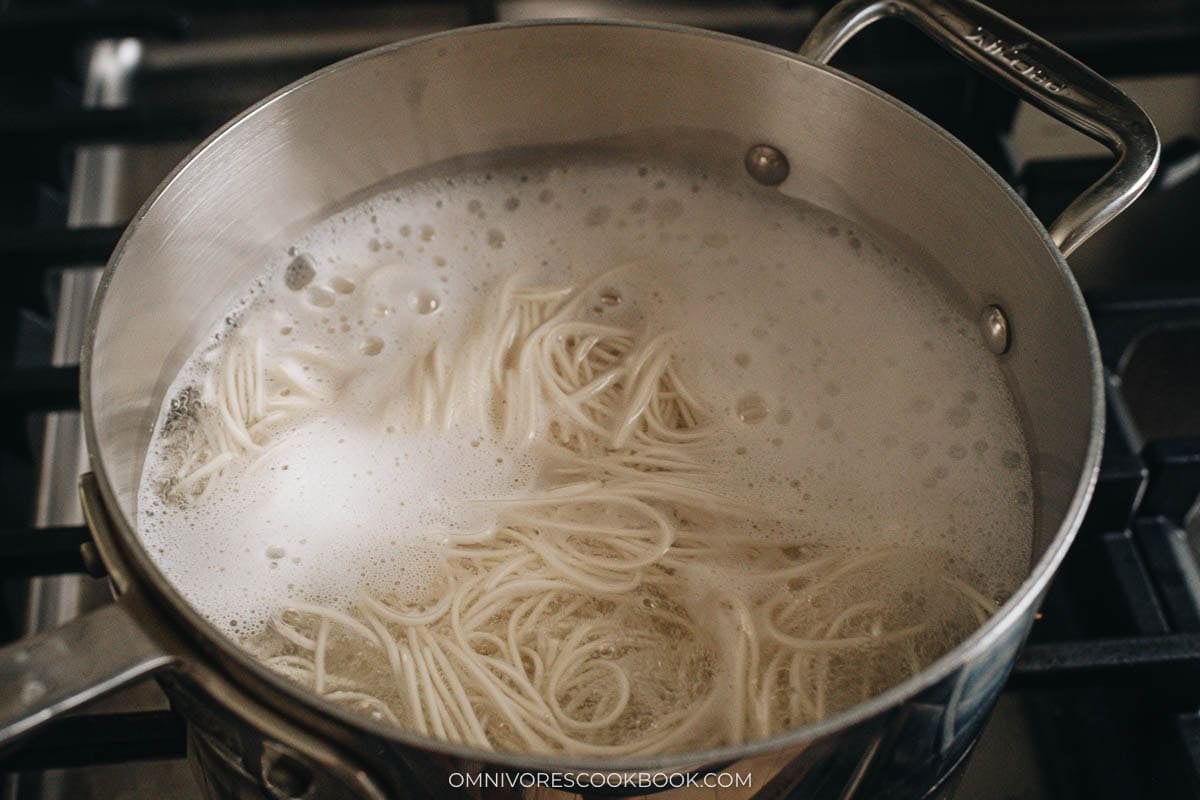
Noodle Preparation: The initial step involves bringing a large pot of water to a rolling boil and cooking the noodles according to package instructions until they reach an al dente consistency. Immediately following cooking, the noodles are thoroughly rinsed under cold tap water. This crucial step serves two purposes: it halts the cooking process, preventing the noodles from becoming overcooked and mushy, and it washes away excess starch, which is key to achieving a non-sticky, desirable texture. Failure to rinse can result in a gummy, clumpy noodle dish.
-
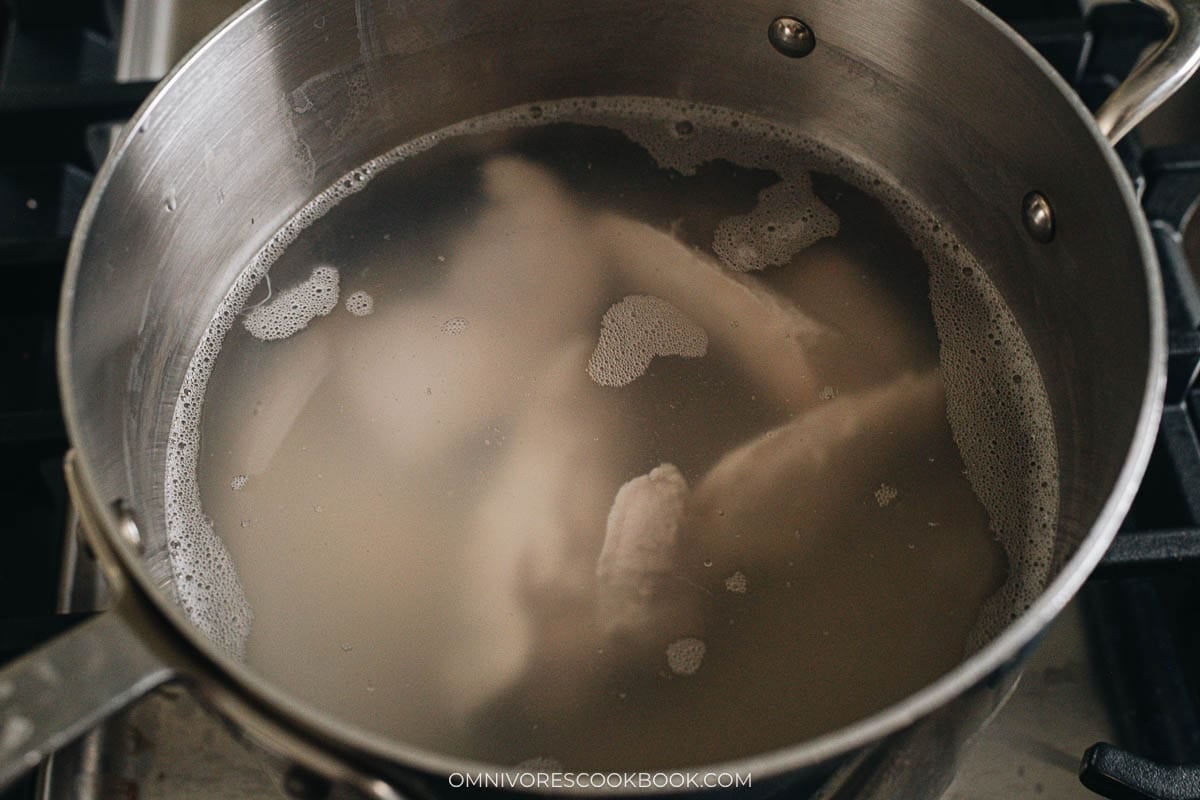
Protein Blanching: Leveraging the residual hot water from cooking the noodles, the protein component, typically chicken tenders, is blanched. Maintaining a very low heat, just enough for the water to barely simmer, ensures that the chicken cooks gently, resulting in exceptionally tender and juicy results. Once cooked, the chicken is removed from the water to cool before being shredded.
-
Sauce Concoction: While the noodles and chicken are being prepared, the sauce is swiftly whisked together. Ingredients such as Lao Gan Ma chili crisp, sesame paste, soy sauce, Chinkiang vinegar, grated ginger, and honey are combined in a bowl until emulsified. It is often advised that the sauce should taste intensely flavored, even slightly overpowering, when tasted on its own, as its intensity will mellow once it coats the noodles and other ingredients.
-
Assembly and Tossing: In a large mixing bowl, the cooked and drained noodles are combined with the shredded chicken, prepared vegetables, and the majority of the sauce. The mixture is tossed thoroughly to ensure that every strand of noodle and every piece of ingredient is evenly coated in the rich, flavorful sauce. It is a common practice to reserve a portion of the sauce to allow for post-tossing adjustments, enabling the cook to fine-tune the seasoning according to personal preference.
-
Final Plating and Garnishing: The chili crisp noodles are then divided into serving bowls. Fresh toppings such as chopped peanuts and cilantro are added just before serving. This final addition is strategic: chopped peanuts retain their crispness when added at the last moment, and cilantro, which can wilt quickly when exposed to moisture, maintains its freshness and vibrant color.
Adapting for Every Palate: The Child-Friendly Variation
Recognizing that the bold flavors of chili crisp may not be suitable for all palates, particularly young children, a thoughtful adaptation is often suggested. A separate, milder sauce can be prepared using the same base ingredients – sesame paste, soy sauce, vinegar, ginger, and honey – but omitting the chili crisp. The addition of a spoonful of peanut butter to this milder sauce can introduce an extra layer of creaminess and nutty flavor, transforming it into a palatable option for children, effectively making the dish a family-friendly favorite.
Logistical Considerations: Storage and Serving
Chili Crisp Noodles are remarkably well-suited for make-ahead preparations. They can be refrigerated for several hours and retain their appeal, making them an excellent choice for packed lunches. When preparing in advance, it is advisable to store crunchy toppings like peanuts separately to preserve their texture.
As a standalone dish, the recipe typically yields two generous main-course servings. However, when incorporated into a larger meal with accompanying appetizers and soups, it can serve up to four people. Complementary side dishes that pair well with Chili Crisp Noodles include traditional Chinese cold appetizers like smashed cucumber salad, quick pickled cabbage, soy sauce eggs, or a light egg drop soup.
Analysis and Broader Impact
The popularity and adaptability of Chili Crisp Noodles reflect broader trends in contemporary cuisine. The emphasis on speed and convenience, driven by increasingly demanding lifestyles, has led to a rise in dishes that can be prepared quickly without sacrificing flavor or nutritional value. The use of chili crisp, a product that encapsulates multiple flavor and texture elements in a single jar, exemplifies a culinary approach that leverages pre-made, high-impact ingredients to simplify complex flavor profiles.
Furthermore, the dish’s inherent flexibility in accommodating various proteins and vegetables highlights a growing consumer demand for customizable and adaptable recipes. This adaptability extends to dietary needs, with clear pathways for vegetarian and gluten-free modifications. The success of such dishes underscores the importance of accessible, flavorful, and efficient cooking solutions in modern food culture. The integration of bold, ethnic flavors into everyday meals, as seen with the widespread appeal of chili crisp, also indicates a globalized palate and an increasing openness to diverse culinary traditions.
Frequently Asked Questions and Culinary Nuances
-
Make-Ahead Potential: Chili Crisp Noodles can indeed be made ahead of time, with the caveat of storing crunchy toppings separately. Refrigerated, they remain a delicious option for subsequent meals.
-
Vegetarian Adaptation: The dish is easily made vegetarian by substituting the chicken with plant-based proteins like tofu, edamame, or mushrooms.
-
Gluten-Free Conversion: For a gluten-free version, wheat noodles can be replaced with rice noodles, and soy sauce can be substituted with tamari. Chinkiang vinegar can be swapped for rice vinegar.
-
Sesame Paste Substitutions: While Chinese sesame paste offers a distinct roasted flavor, tahini or natural peanut butter can serve as effective substitutes, providing a similar creamy texture and nutty undertone to the sauce.
The emergence of dishes like Chili Crisp Noodles is not merely about a new recipe; it represents a culinary philosophy that champions efficiency, bold flavors, and adaptability. In a world where time is a precious commodity, these noodles offer a compelling solution for those seeking a satisfying, flavorful, and quick meal, proving that culinary innovation can thrive even within the constraints of a busy schedule.