The Cultural and Culinary Evolution of Chinese Hot Dog Buns: A Modern Bakery Staple


Chinese hot dog buns have firmly established themselves as a beloved culinary icon, bridging traditional Asian baking techniques with Western comfort food. Across bakeries in major metropolitan areas throughout China and within global diaspora communities, these golden-brown, milk-bread-wrapped sausages occupy a prominent space in display cases. Unlike the flaky, dense pastry of a Western "pig in a blanket," the traditional Chinese variant relies on an enriched milk-bread dough that yields a distinctly pillowy, tender crumb with a subtle sweetness designed to complement the savory flavor of the meat.

Historical Background and Cultural Significance
The proliferation of sweet-dough savory breads in China traces back to the mid-20th century, heavily influenced by Western baking methods introduced in colonial and international hubs such as Hong Kong and Shanghai. Local bakers adapted European bread-making techniques to suit local palates, which traditionally favored less sugary, lighter desserts compared to Western counterparts. By incorporating ingredients like evaporated milk, butter, and higher ratios of sugar into yeast doughs, regional bakers developed the signature "tangzhong" or enriched milk bread styles.

The hot dog bun emerged as a practical, portable meal during the rapid urbanization of East Asian cities in the late 20th century. School children and commuting adults frequently purchased the items as affordable, filling after-school snacks or breakfast on the go. Over the decades, the recipe has transitioned from commercial bakery staples into home kitchens, driven by culinary enthusiasts seeking to recreate nostalgic childhood flavors without relying on local specialty markets.

Culinary Anatomy and Scientific Principles of Milk Bread
Creating authentic Chinese hot dog buns requires precise chemistry, particularly concerning flour selection and gluten development. Professional bakers and home cooks typically utilize high-protein bread flour rather than standard all-purpose flour. The higher protein content generates a stronger, more elastic gluten matrix capable of expanding without tearing during the proofing and baking phases.

The manufacturing process relies on specific sequential steps:
- Dough Formation: Combining bread flour, instant yeast, sugar, salt, milk, and eggs into a cohesive shaggy mass.
- Initial Gluten Development: Kneading via a stand mixer or specialized dough hook to align protein strands.
- Fat Incorporation: Introducing softened butter only after the primary gluten network forms, allowing the fat to coat the strands and produce a plush, velvety crumb.
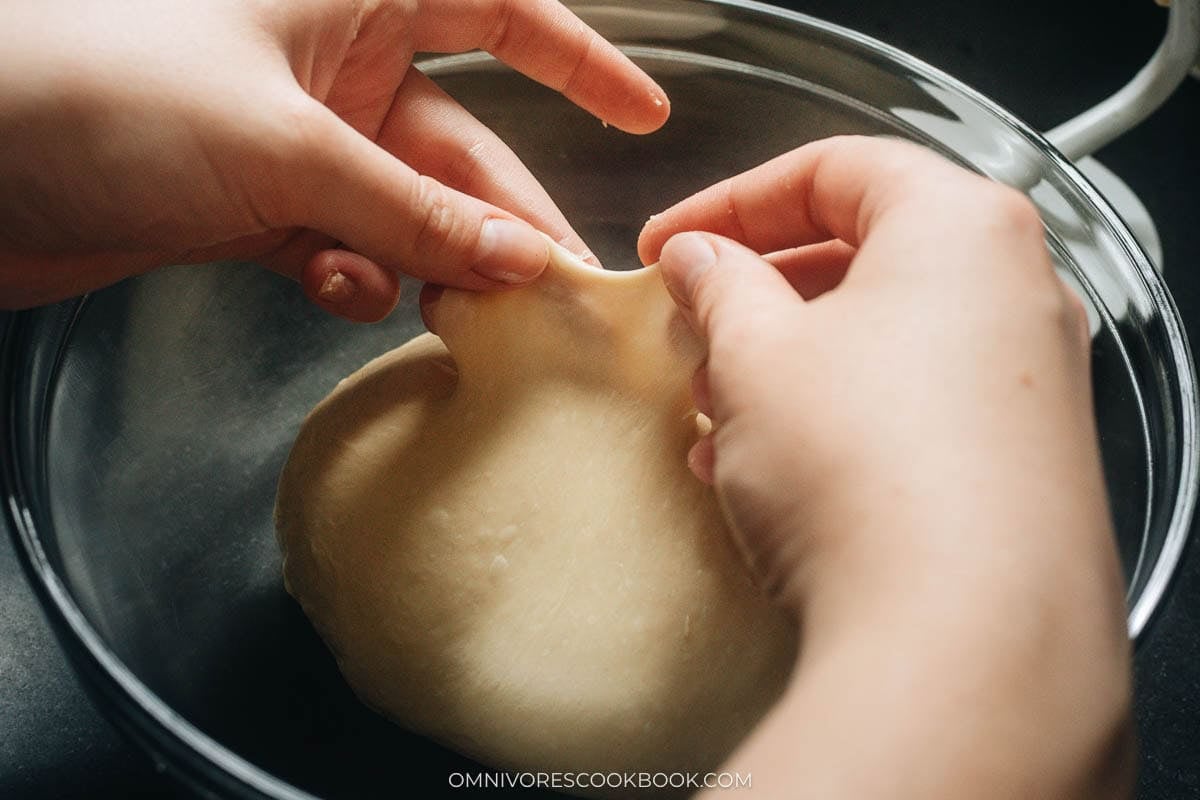
- The Windowpane Test: A critical quality-control measure where a small sample of dough is stretched until it forms a translucent film, signaling sufficient structural integrity.
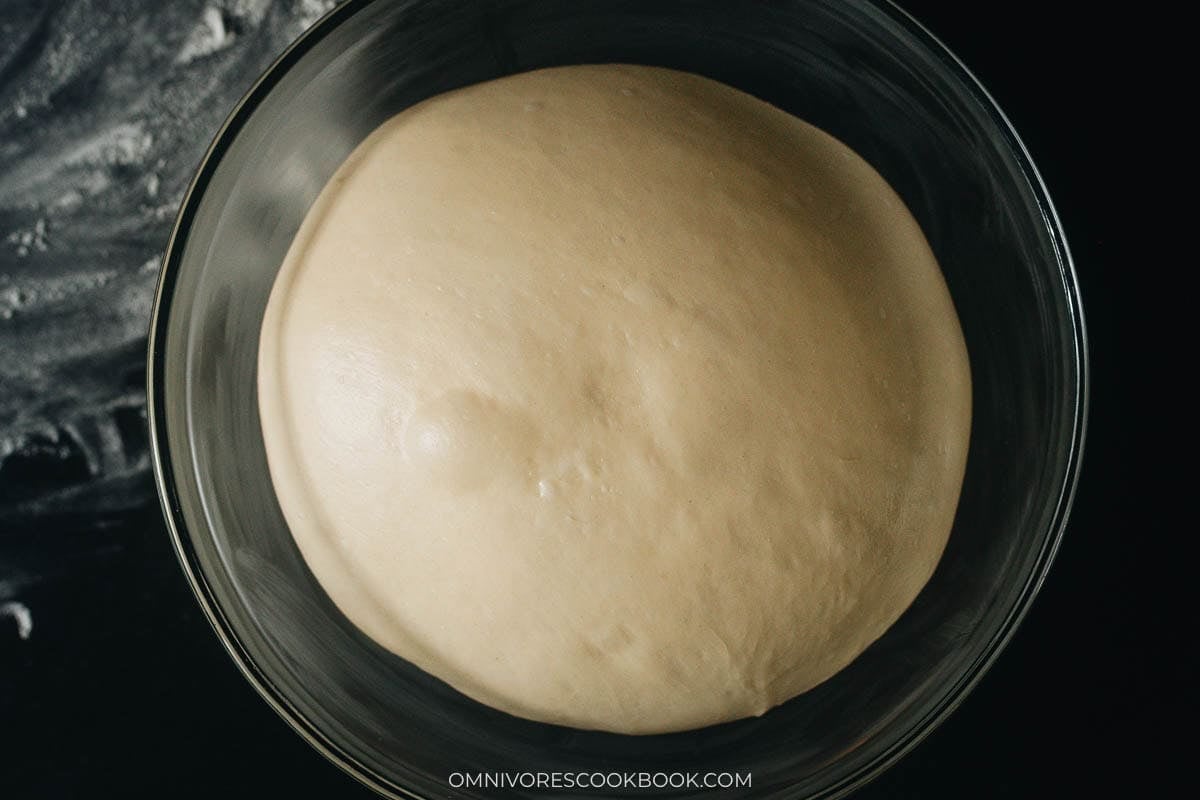
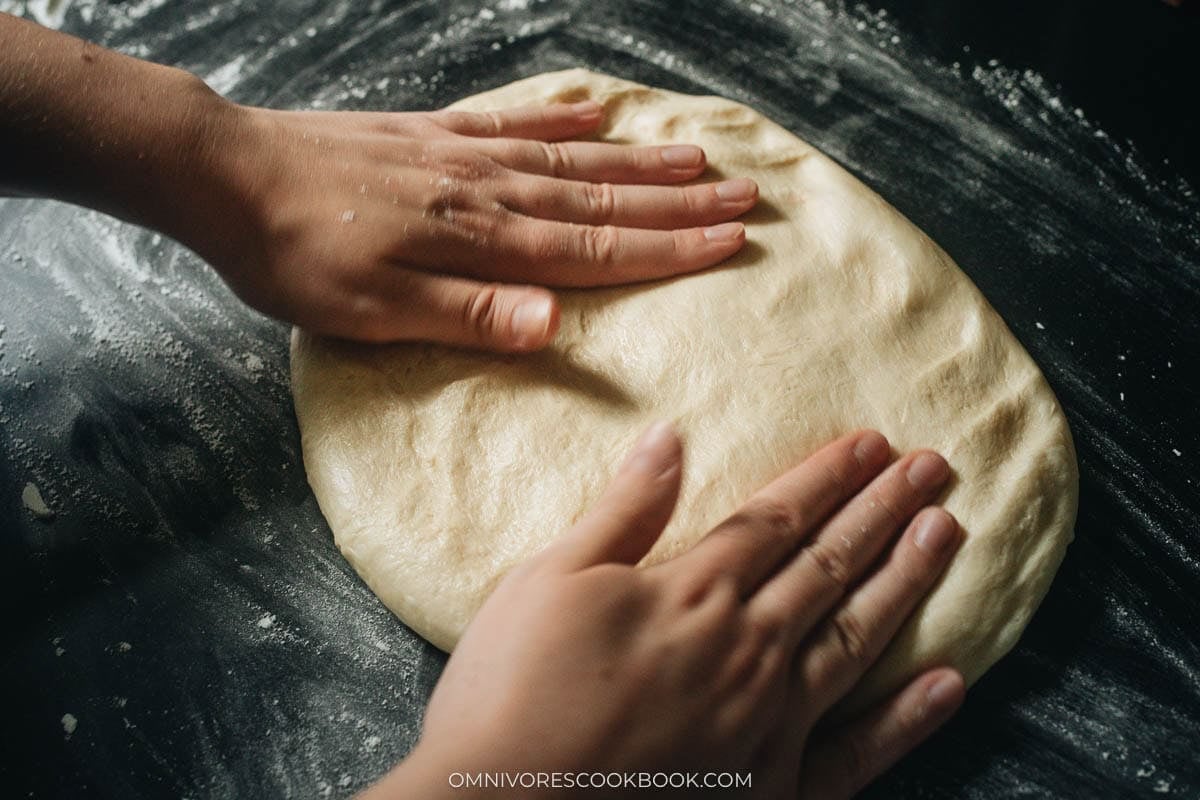
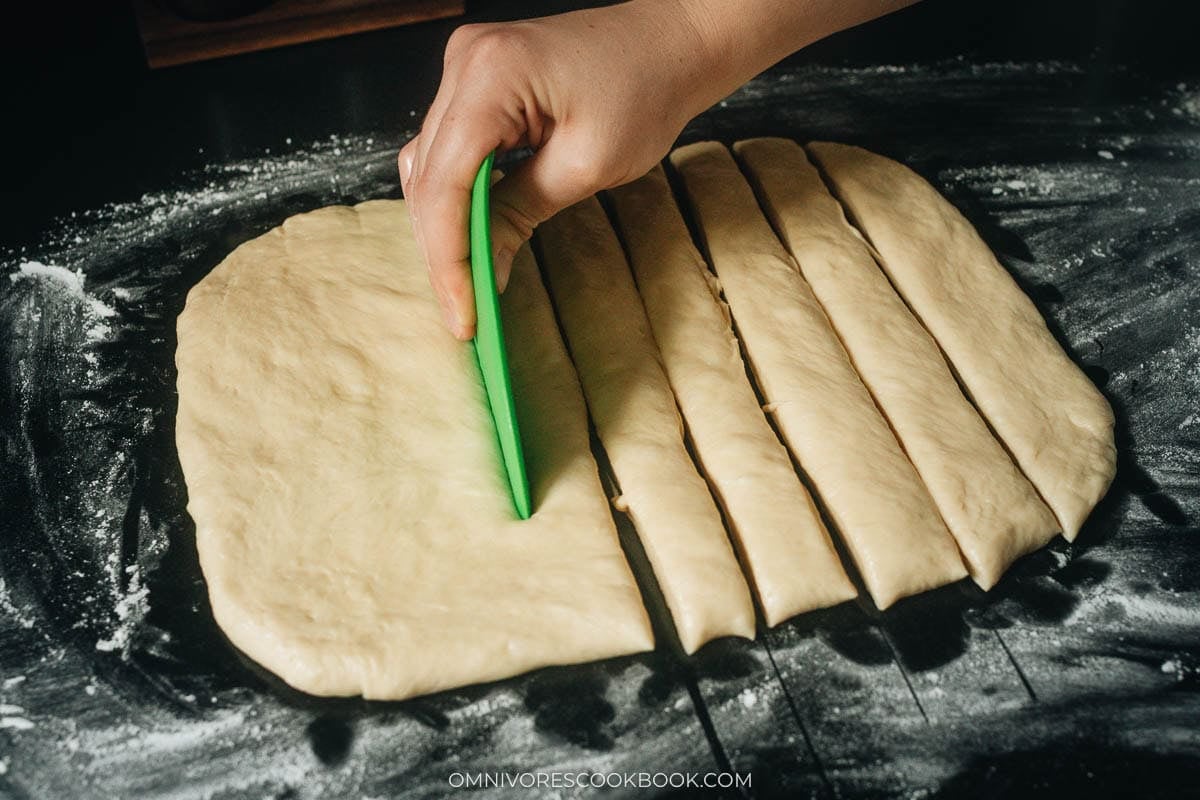
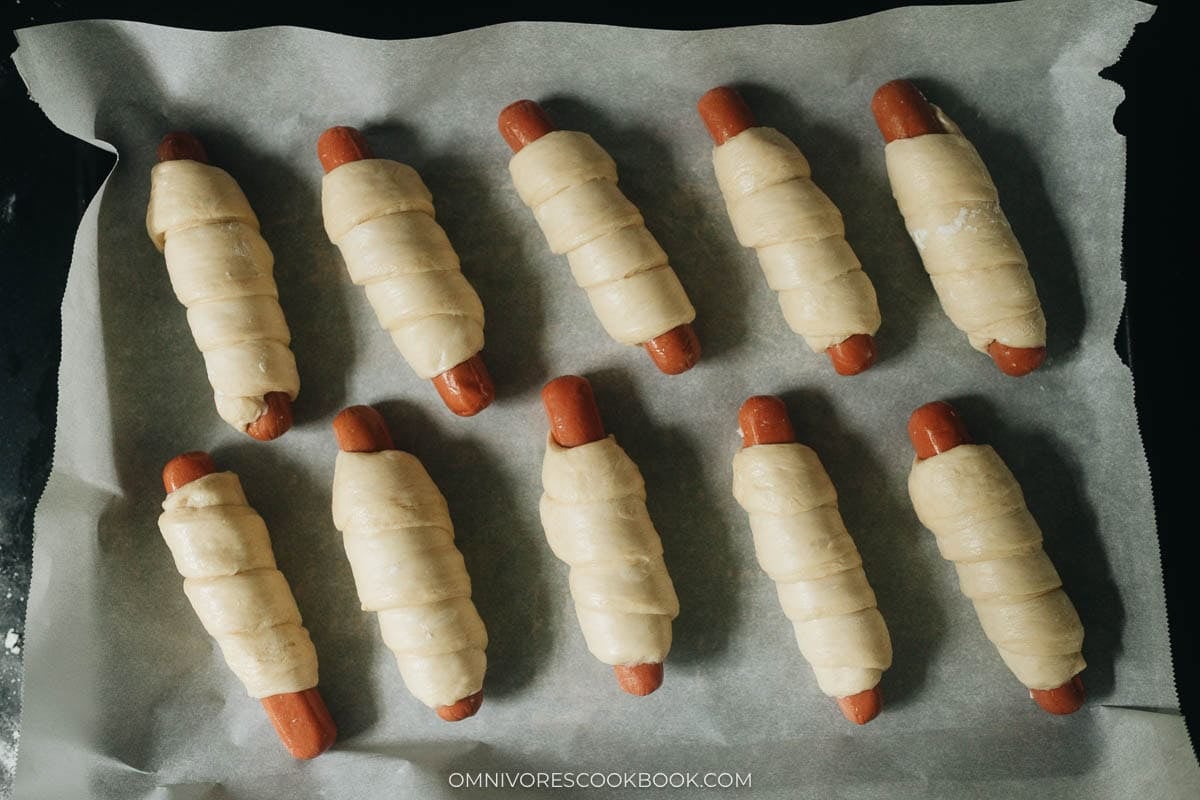
- Fermentation and Shaping: Allowing the dough to undergo a primary rise until doubled in volume, followed by division into uniform strips designed to spiral symmetrically around standard hot dogs.
Nutritional Profile and Dietary Specifications
From a nutritional perspective, standard commercial and homemade iterations of Chinese hot dog buns generally range between 300 to 350 calories per serving. A typical recipe yields approximately ten individual units, with a macronutrient distribution averaging 29 grams of carbohydrates, 10 grams of protein, and roughly 17 grams of fat—primarily derived from butter, whole eggs, and the processed meat filling. Sodium content remains elevated, averaging near 700 milligrams per serving, largely attributed to the cured pork or beef frankfurter utilized as the core filling.
Nutritional Data Breakdown per Serving:
- Calories: 317 kcal
- Total Carbohydrates: 29.1 g
- Dietary Fiber: 0.9 g
- Sugars: 6.1 g
- Protein: 10.2 g
- Total Fat: 17.3 g
- Saturated Fat: 7.7 g
- Cholesterol: 59 mg
- Sodium: 694 mg
- Potassium: 116 mg
- Calcium: 64 mg
- Iron: 2 mg
Methodological Best Practices for Home Production
Culinary experts emphasize adherence to exact measurements rather than volume-based metrics to achieve optimal results. Because milk bread dough is exceptionally sensitive to moisture variations, weighing ingredients on a digital kitchen scale prevents the dense, heavy crumb often resulting from excess flour.
Environmental factors also dictate production timelines. While ambient kitchen temperatures near 75°F to 80°F can accelerate primary fermentation to roughly 45 minutes, cooler environments frequently require up to 90 minutes. Bakers are advised to monitor physical volume expansion rather than strict time limits. Similarly, the spiral wrapping technique demands tension control; wrapping the dough strips too tightly causes the structure to split during baking, while wrapping too loosely yields an unstructured, misshapen final product.

Market Implications and Broader Culinary Trends
The growing popularity of Asian bakeries globally has catalyzed broader consumer interest in pan-Asian baking concepts. Items such as taro rolls, pork floss buns, and milk bread loaves have moved beyond ethnic enclaves into mainstream supermarkets. Food industry analysts attribute this shift to an increasing consumer appetite for textural novelties—specifically the ultra-soft, cloud-like crumb characteristic of Asian milk bread technology.
Furthermore, the adaptability of the base dough has encouraged home cooks to experiment with alternative fillings, ranging from traditional Chinese barbecued pork (char siu) to vegetarian substitutes and spiced cheeses. As culinary boundaries continue to blur, traditional items like the Chinese hot dog bun serve as a testament to the successful cross-cultural exchange of baking science and comfort food innovation.