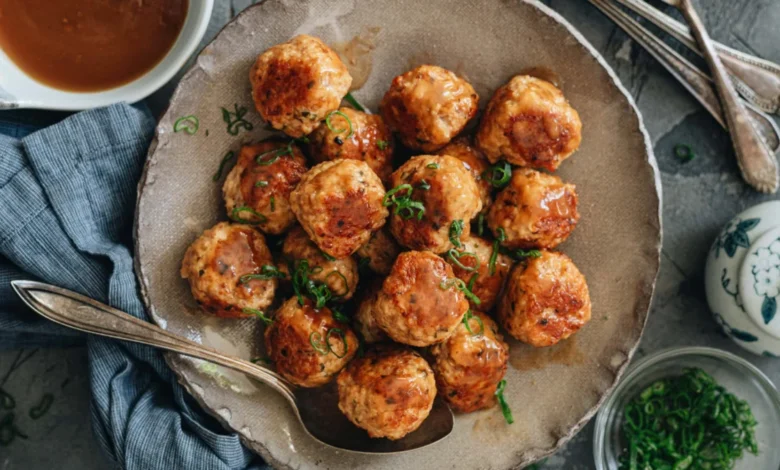
Culinary innovations continue to reshape modern home cooking, with multi-cook appliances increasingly bridging the gap between traditional regional cuisines and the rigorous demands of contemporary schedules. A notable development in this domestic space is the adaptation of classic Asian flavor profiles to high-pressure cooking systems, best exemplified by a newly introduced recipe for Instant Pot Chinese Meatballs. Developed for time-constrained households seeking authentic flavor, this dish streamlines a traditionally labor-intensive braising process into a rapid 40-minute weeknight meal without compromising the structural integrity or deep umami characteristics native to Chinese comfort food.
Background Context and Culinary Evolution
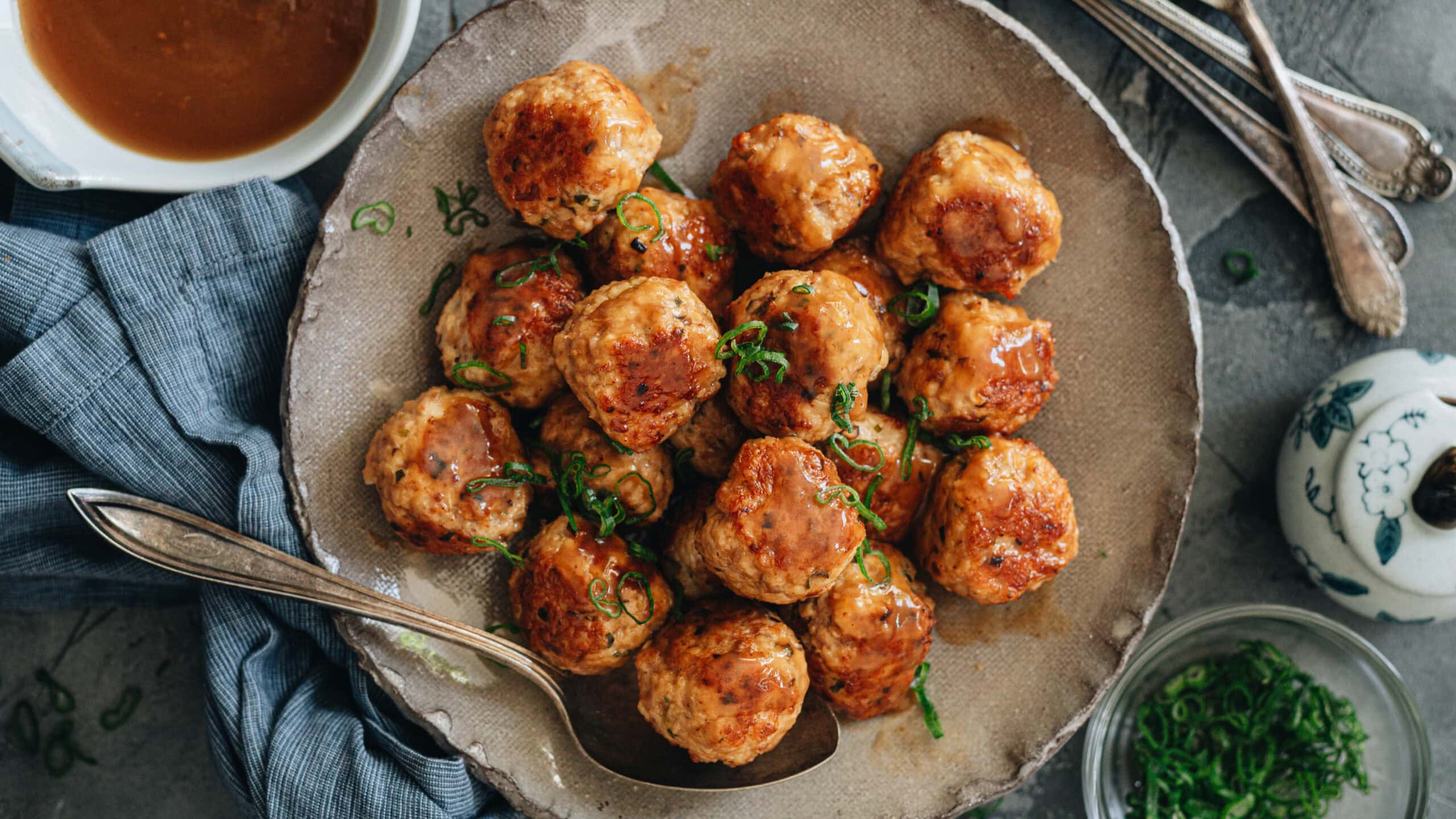
The culinary lineage of Chinese meatballs—often traced back to regional variations such as the iconic Lion’s Head meatballs of Huaiyang cuisine—typically relies on slow-braising or steaming methods designed to yield tender, succulent textures. Traditional preparation involves meticulously hand-mixing minced meats with aromatics, binding agents, and regional flavor enhancers like Shaoxing wine and fermented bean or soy products.
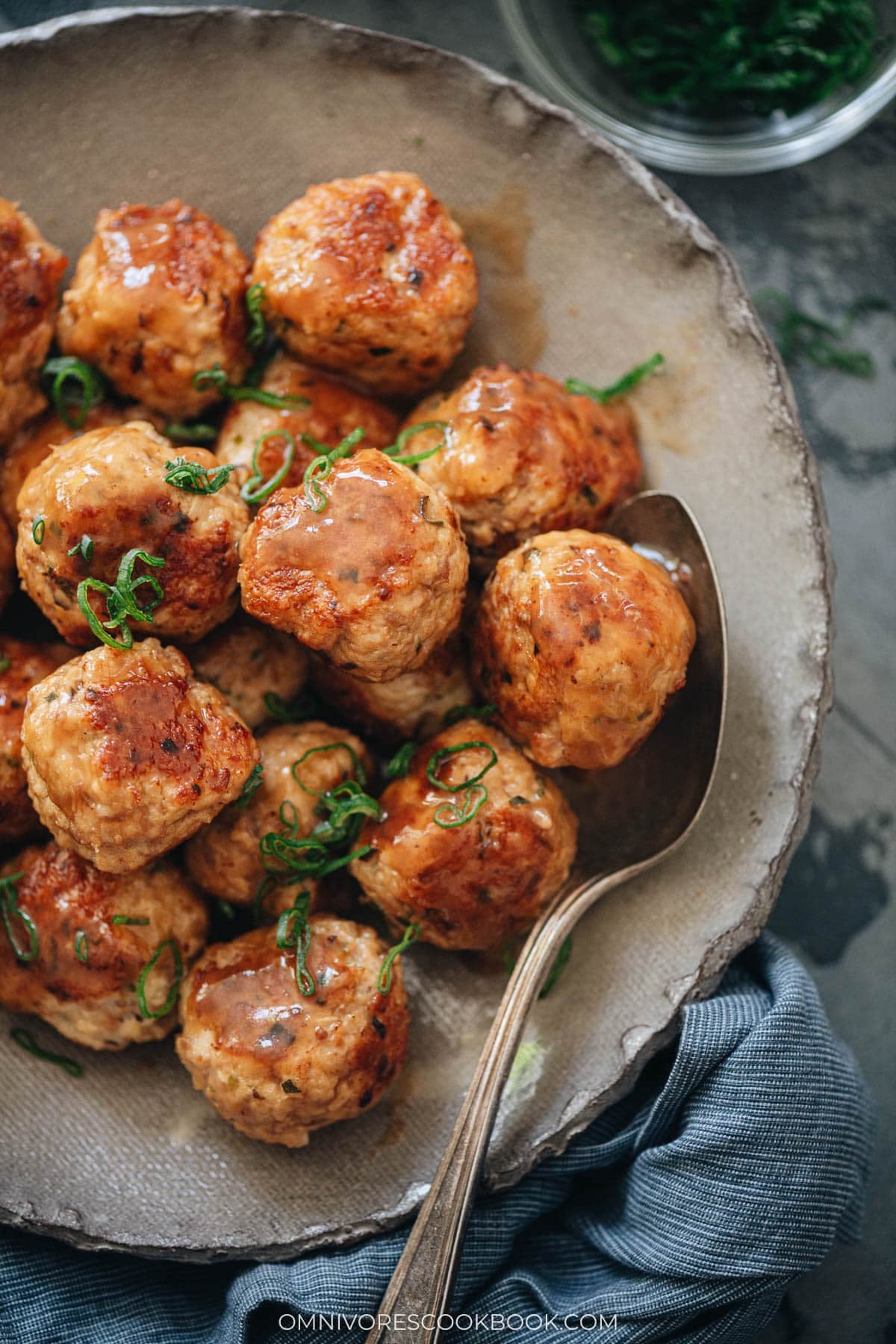
However, these traditional methods often require extensive preparation and long cooking times that run counter to modern weekday dynamics. The integration of electric pressure cookers, such as the Instant Pot, into Asian-American home cooking represents a significant shift. By utilizing internal pressure and direct thermal conductivity, appliances of this class accelerate protein denaturation and flavor infusion. This technological adaptation allows home cooks to achieve the characteristic tenderness of slow-braised dishes in a fraction of the time, thereby modernizing heritage recipes for contemporary culinary environments.
Core Ingredients and Nutritional Profile
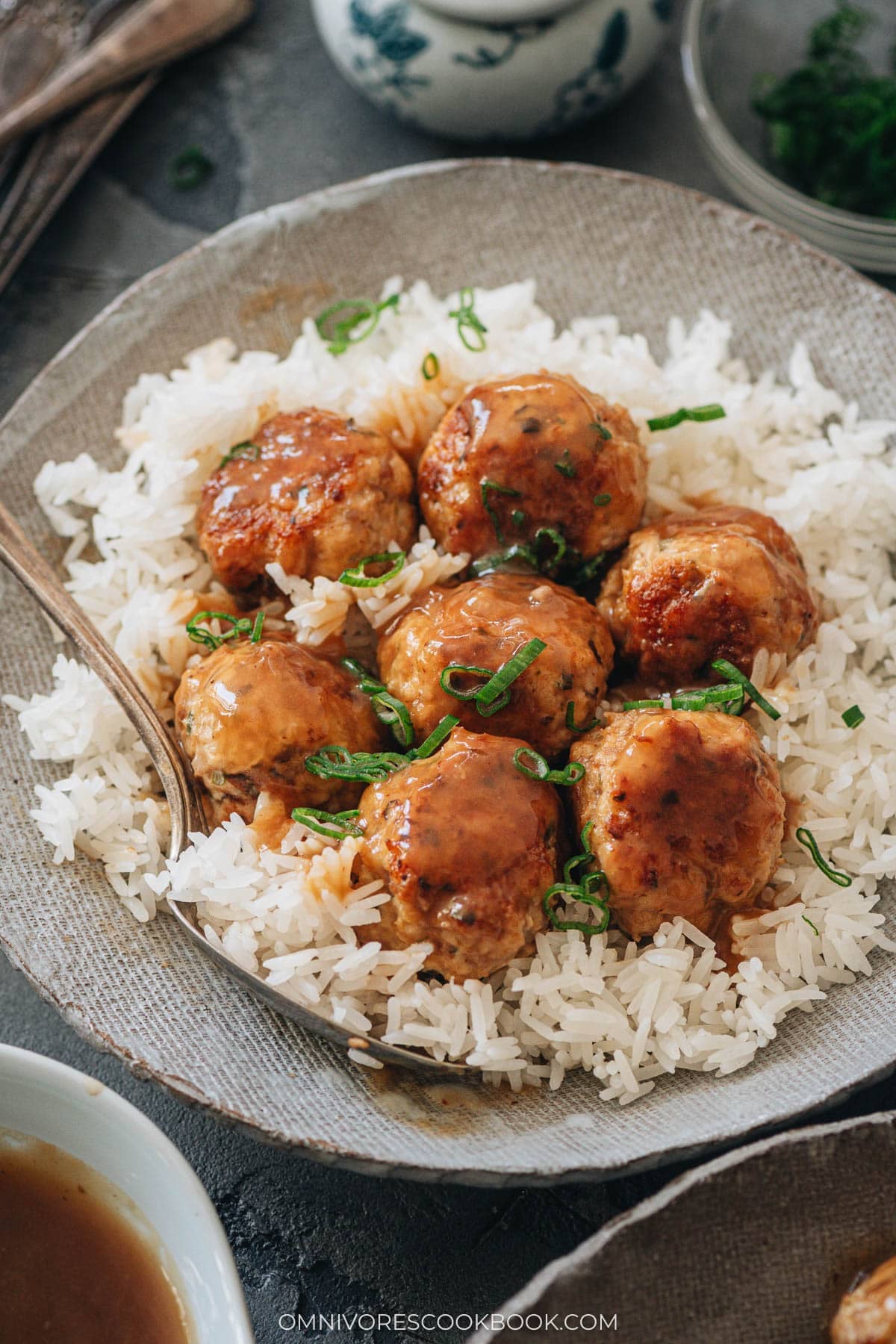
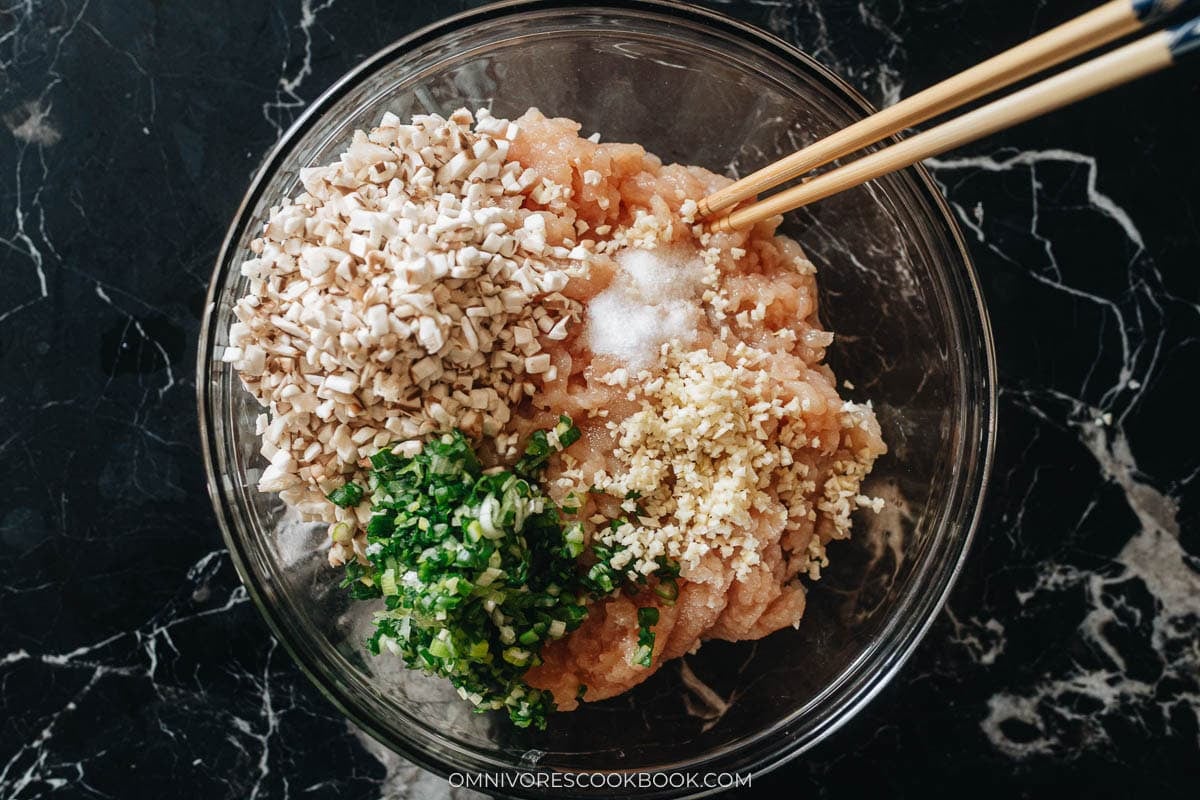
At the center of this recipe is a deliberate departure from Western meatball conventions, which frequently utilize Italian-style breadcrumbs, Parmesan cheese, and dried herbs. Instead, the formulation leans heavily into East Asian flavor architecture, utilizing finely minced rehydrated shiitake mushrooms, fresh scallions, grated garlic, and aged Shaoxing rice wine.
The structural foundation relies on ground chicken—though ground turkey or a chicken-pork blend can be substituted—combined with panko breadcrumbs and whole eggs to retain moisture under high-pressure conditions. Data compiled from nutritional analyses of similar poultry-based, umami-forward dishes indicate that a standard serving of these meatballs offers a balanced macronutrient profile, containing approximately 87 kilocalories, 5.6 grams of carbohydrates, 8.5 grams of protein, and 3.2 grams of total fat per specified portion. The inclusion of rehydrated shiitake mushrooms not only introduces a potent natural source of guanylate—a compound that enhances savory flavors—but also provides a nutrient-dense soaking liquid that doubles as a foundational element for the surrounding glaze.
Chronology of Preparation
The preparation sequence is structured for maximum efficiency, dividing the culinary workflow into distinct, manageable phases designed to run concurrently with other kitchen tasks.
Phase 1: Hydration and Protein Development
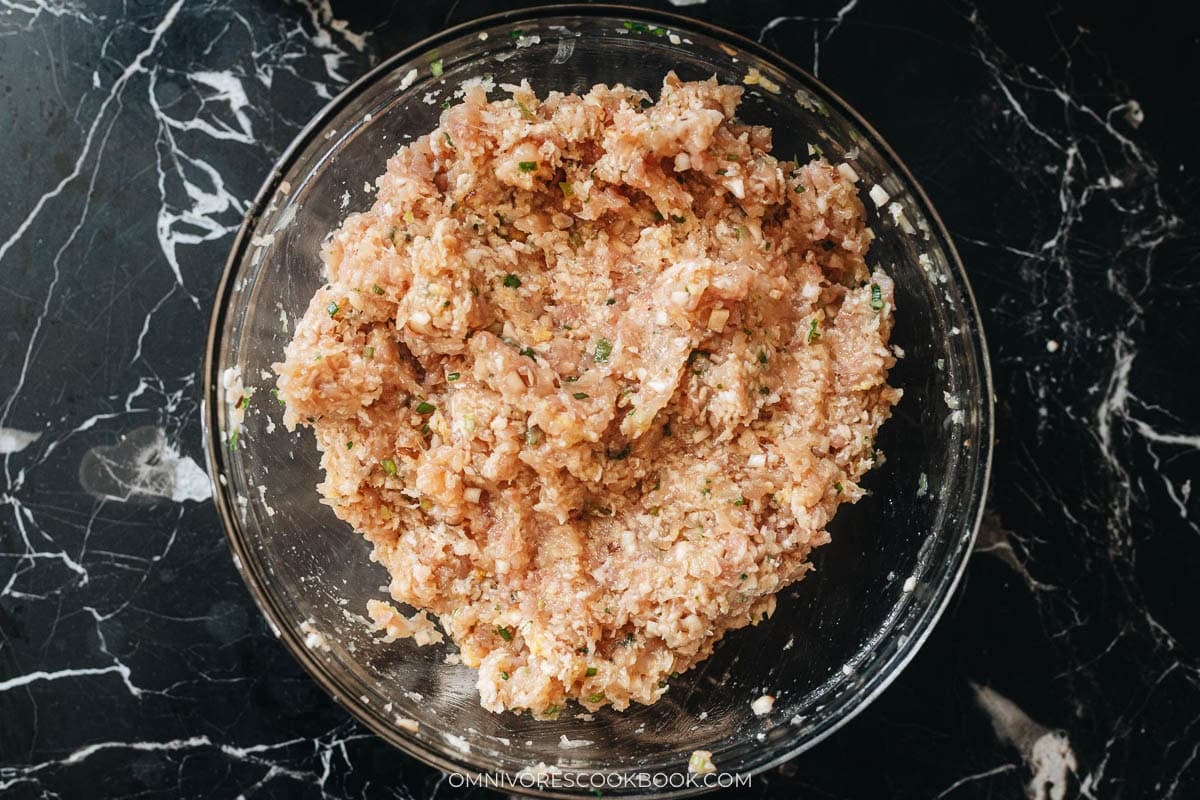
The process begins by steeping dried shiitake mushrooms in hot water to fully rehydrate the fungi. Concurrently, the ground poultry is mixed with aromatics, seasonings, and a measured quantity of the mushroom-soaking liquid. Culinary technicians note that stirring the meat paste in a single, continuous direction is critical; this mechanical action aligns the protein filaments, creating a cohesive, springy matrix that prevents the meatballs from turning crumbly during pressure cooking.
Phase 2: Binding and Shaping
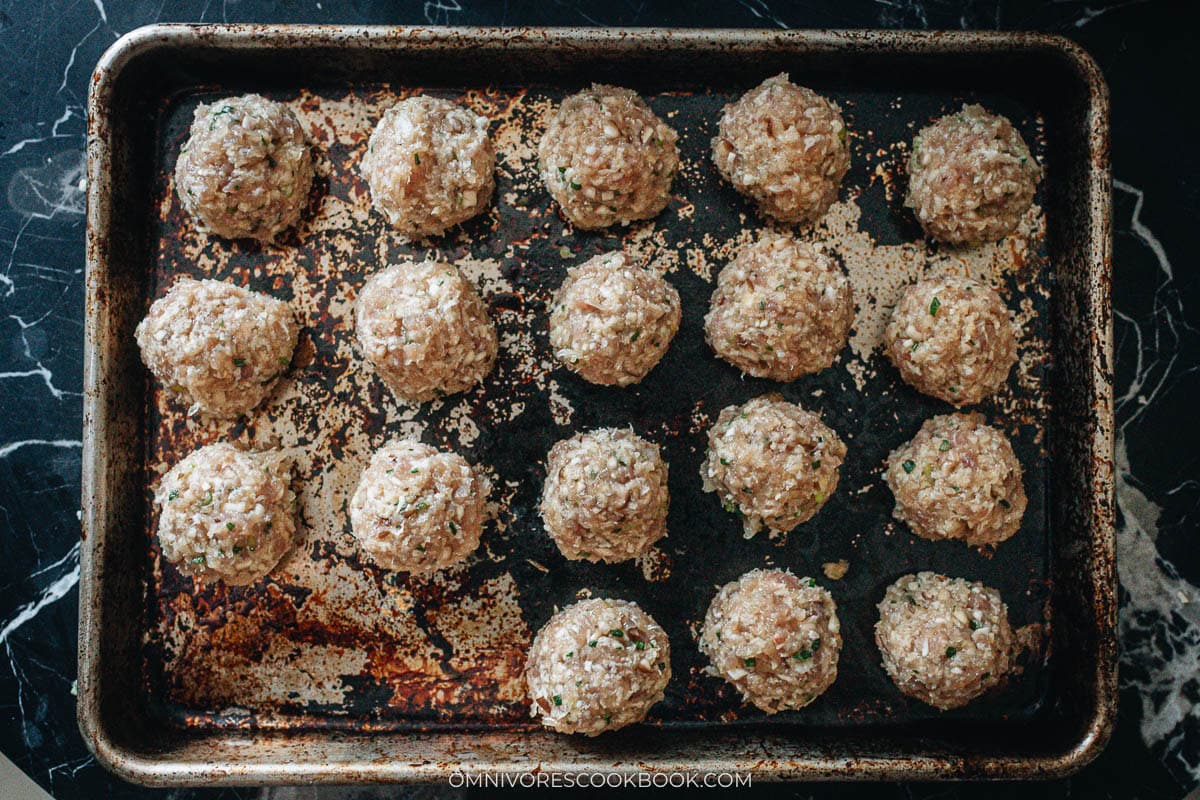
Following the initial protein development, panko breadcrumbs and eggs are incorporated into the mixture. The resulting paste is portioned into uniform segments, typically measuring one to two tablespoons, and hand-rolled into smooth spheres.
Phase 3: Thermal Searing and Flavor Buildup
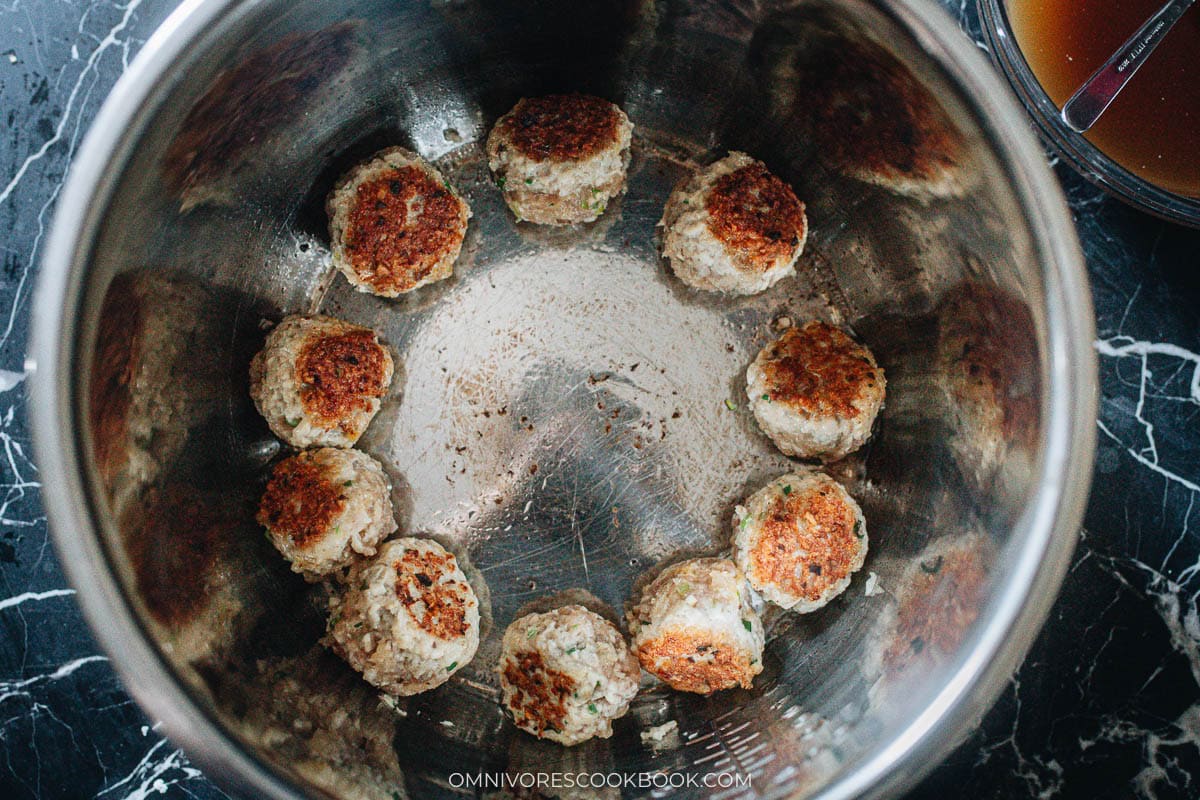
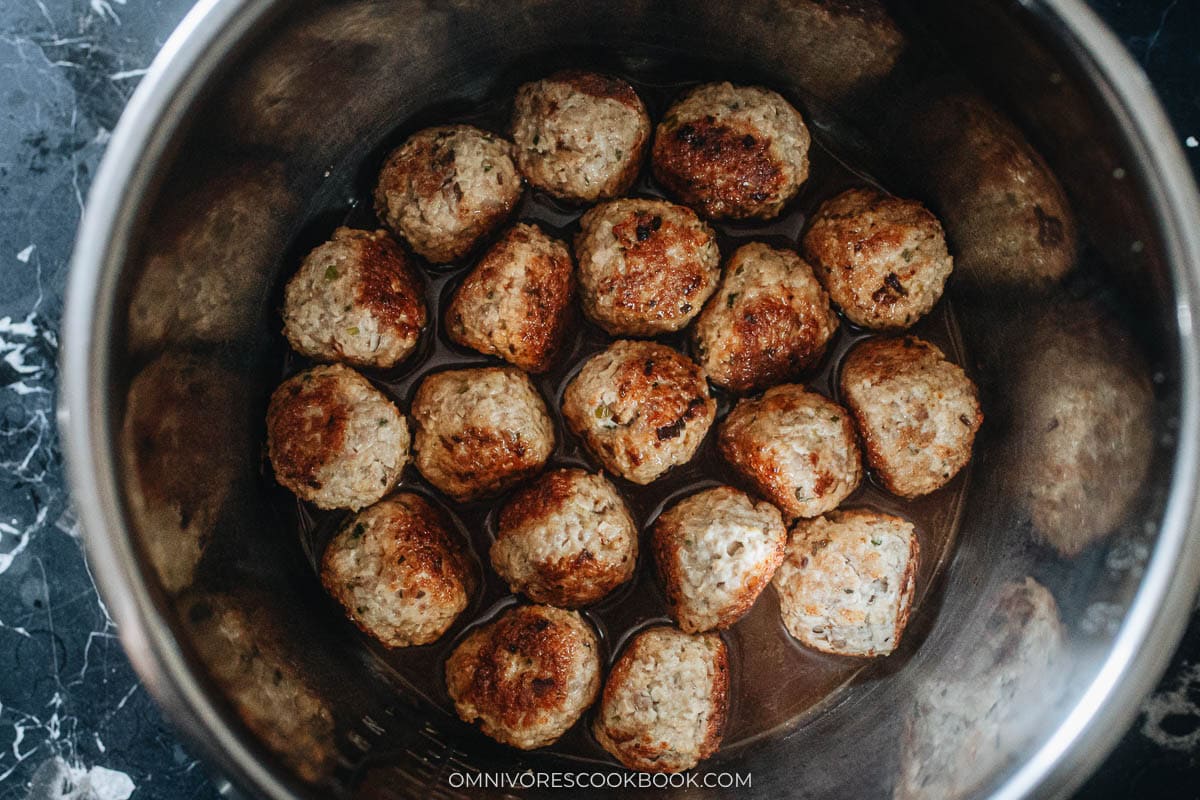
Utilizing the appliance’s built-in sauté function, home cooks heat a small quantity of high-smoke-point oil to sear the exterior of the meatballs. This browning step initiates the Maillard reaction, developing a complex flavor crust that improves both visual appeal and structural stability. To prevent internal steaming and ensure even browning, culinary experts recommend processing the meatballs in distinct batches if the cooking vessel becomes overcrowded.
Phase 4: Pressure Cooking and Glazing
Once browned, the meatballs are returned to the pot alongside a rich sauce amalgamation consisting of oyster sauce, soy stock, additional Shaoxing wine, and the reserved mushroom liquid. A cornstarch slurry is whisked into the mixture to ensure proper thickening. The Instant Pot is then sealed, and contents are pressure-cooked on high for five minutes, followed by a controlled release of pressure. The resulting dish yields fully cooked poultry coated in a glossy, umami-dense reduction.
Industry Analysis and Broader Implications
The introduction and popularity of recipes blending electric pressure cooker technology with traditional regional ingredients highlight a broader demographic and culinary shift. Food industry analysts observe that modern consumers increasingly prioritize global flavor exploration combined with operational efficiency.
By lowering the technical and temporal barriers associated with international cooking, simplified adaptations of traditional dishes encourage cross-cultural culinary experimentation within standard households. Furthermore, the practice of utilizing components like mushroom-soaking liquids reflects a growing emphasis on sustainable kitchen habits, minimizing food waste while maximizing natural flavor extraction. As multi-cooker utilization remains a dominant trend in residential kitchens, the successful translation of heritage techniques into rapid-cooking formats suggests a continuing evolution in how global comfort foods are prepared, consumed, and integrated into daily life.