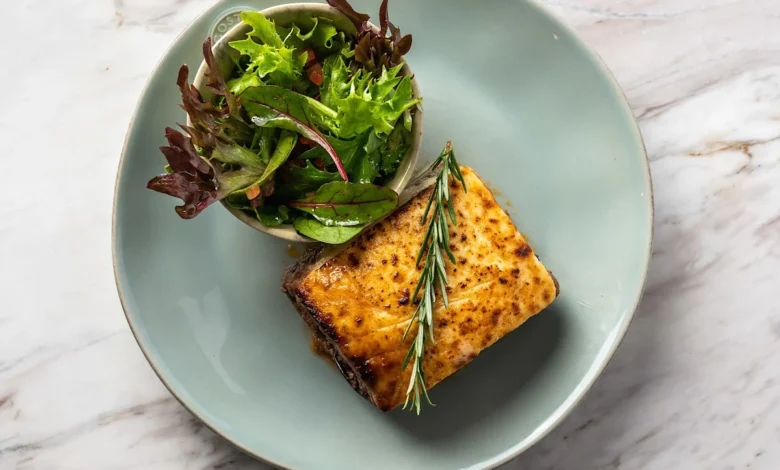
The culinary landscape of Mediterranean cuisine is often defined by dishes that demand patience, technique, and a deep respect for seasonal ingredients. Among these, Greek moussaka stands out as a masterpiece of layered comfort food. Traditionally featuring tender eggplant, sliced potatoes, richly spiced ground meat, and a crowning layer of velvety béchamel sauce, the dish is a staple of Mediterranean gastronomy. However, the conventional preparation method—which typically requires deep-frying the vegetables before assembly—has long been recognized as both labor-intensive and heavily caloric. In response to modern culinary demands for lighter, more structurally sound preparations, Executive Chef Djordjo Cetkovic has introduced a refined iteration of the classic recipe that replaces the fryer with the oven, offering a healthier profile without sacrificing traditional depth of flavor.
The Evolution of a Mediterranean Classic
Moussaka has ancient roots that stretch across the Middle East and the Balkans, though the version recognized globally today was codified in the early 20th century by Nikolaos Tselementes, a pioneering Greek chef trained in French cuisine. Tselementes added the defining French béchamel sauce to the traditional meat and eggplant bake, bridging the gap between Ottoman culinary traditions and Western European techniques.
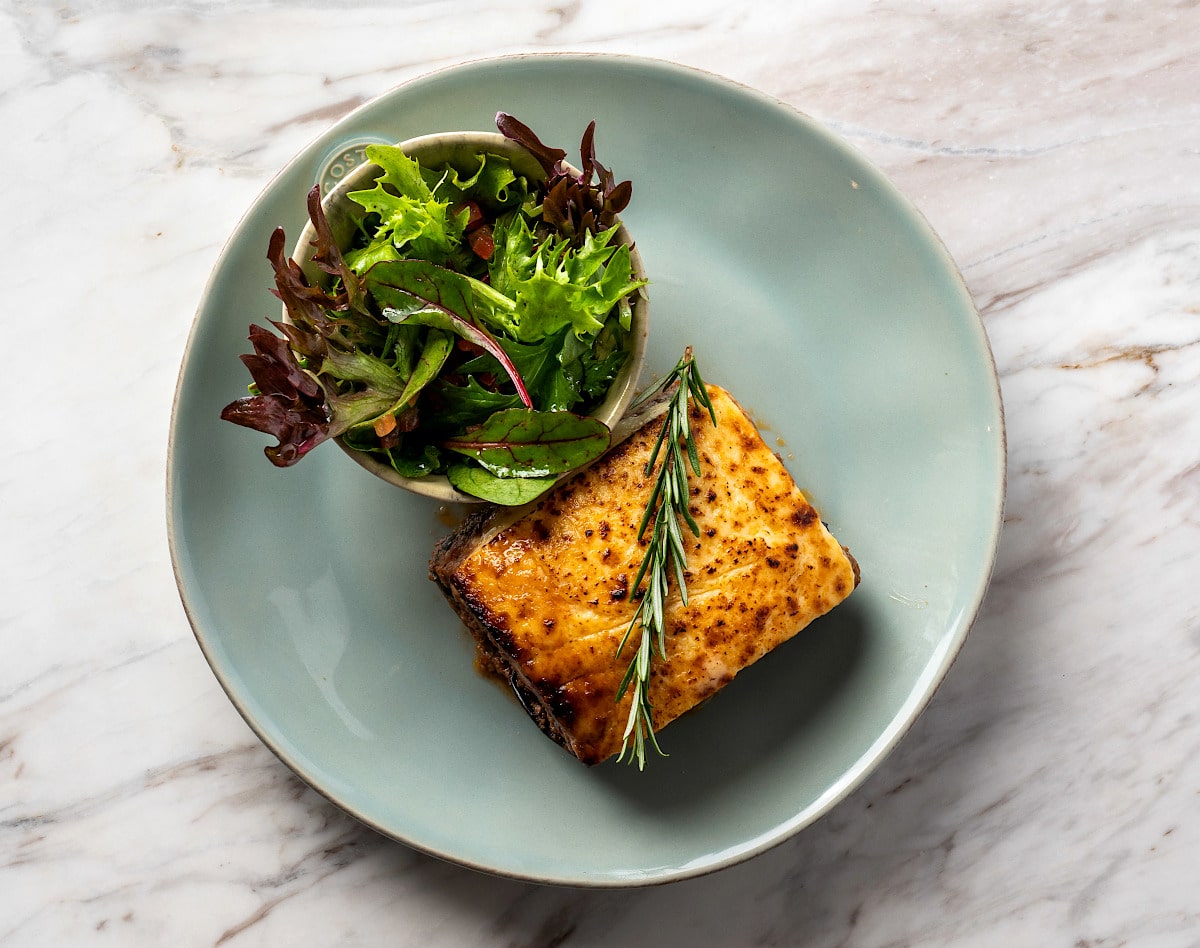
Over the decades, home cooks and professional chefs alike have experimented with regional variations, incorporating zucchini, mushrooms, and various cheeses. Yet, the foundational challenge of moussaka has remained unchanged: excess moisture from vegetables and heavy oil absorption during frying often compromise the structural integrity of the dish, causing slices to collapse upon serving. Chef Cetkovic’s approach directly addresses this technical hurdle by shifting from frying to roasting. By caramelizing the eggplant and potatoes in the oven, excess water is naturally evaporated, and the need for excessive oil is eliminated. The result is a structurally stable casserole that yields clean, defined portions while retaining the rich, comforting essence of authentic Greek cooking.
Profile of Chef Djordjo Cetkovic
The culinary philosophy behind this roasted moussaka is informed by the extensive international career of Chef Djordjo Cetkovic. Currently serving as the Executive Chef at Pano Kato Grill, Pizza & Deli in Singapore, Cetkovic brings more than two decades of professional kitchen experience spanning Europe and Asia.
A native of Serbia and an official ambassador for the Culinary Federation of Serbia in Asia, Cetkovic’s career is marked by a dual commitment: preserving traditional Balkan and Mediterranean heritage while adapting classic recipes for contemporary diners. His extensive tenure cooking in Greece deeply influenced his understanding of Mediterranean flavor profiles, particularly the balance of warm spices like cinnamon with savory meats and fresh tomatoes. As the author of The Grand Heritage Cookbook, Cetkovic frequently emphasizes technique-driven home cooking, aiming to demystify complex regional dishes for international audiences without compromising authenticity.
Detailed Preparation and Culinary Timeline
Executing Chef Cetkovic’s moussaka requires an investment of time, structured around distinct phases of preparation, simmering, roasting, and resting. The entire process takes approximately one hour and thirty minutes to complete for a standard four-serving portion.
Preparation and Roasting Phase (Approx. 45 Minutes)
The process begins with the careful slicing and preparation of the core vegetables. Eggplants are sliced, lightly salted to draw out bitter juices, and patted dry, while potatoes are sliced to a uniform thickness to ensure even cooking. Instead of submersing these vegetables in boiling oil, they are tossed in minimal olive oil and roasted at a high temperature until tender and lightly charred at the edges. This dry-heat cooking method concentrates the natural sugars in the vegetables, enhancing their umami profile while keeping the final dish light.
Sauce and Béchamel Integration Phase (Approx. 45 Minutes)
Concurrently, the meat component is prepared through a slow-simmered beef and tomato ragù. Ground beef is browned with aromatics, then simmered with crushed tomatoes, garlic, onions, and a subtle touch of cinnamon—a signature aromatic characteristic of Greek meat sauces that adds warmth without overpowering the savory profile. While the sauce reduces, a classic French béchamel is whipped from scratch, utilizing butter, flour, milk, and a pinch of nutmeg until thick and glossy.

Assembly and Structural Rest (25 Minutes)
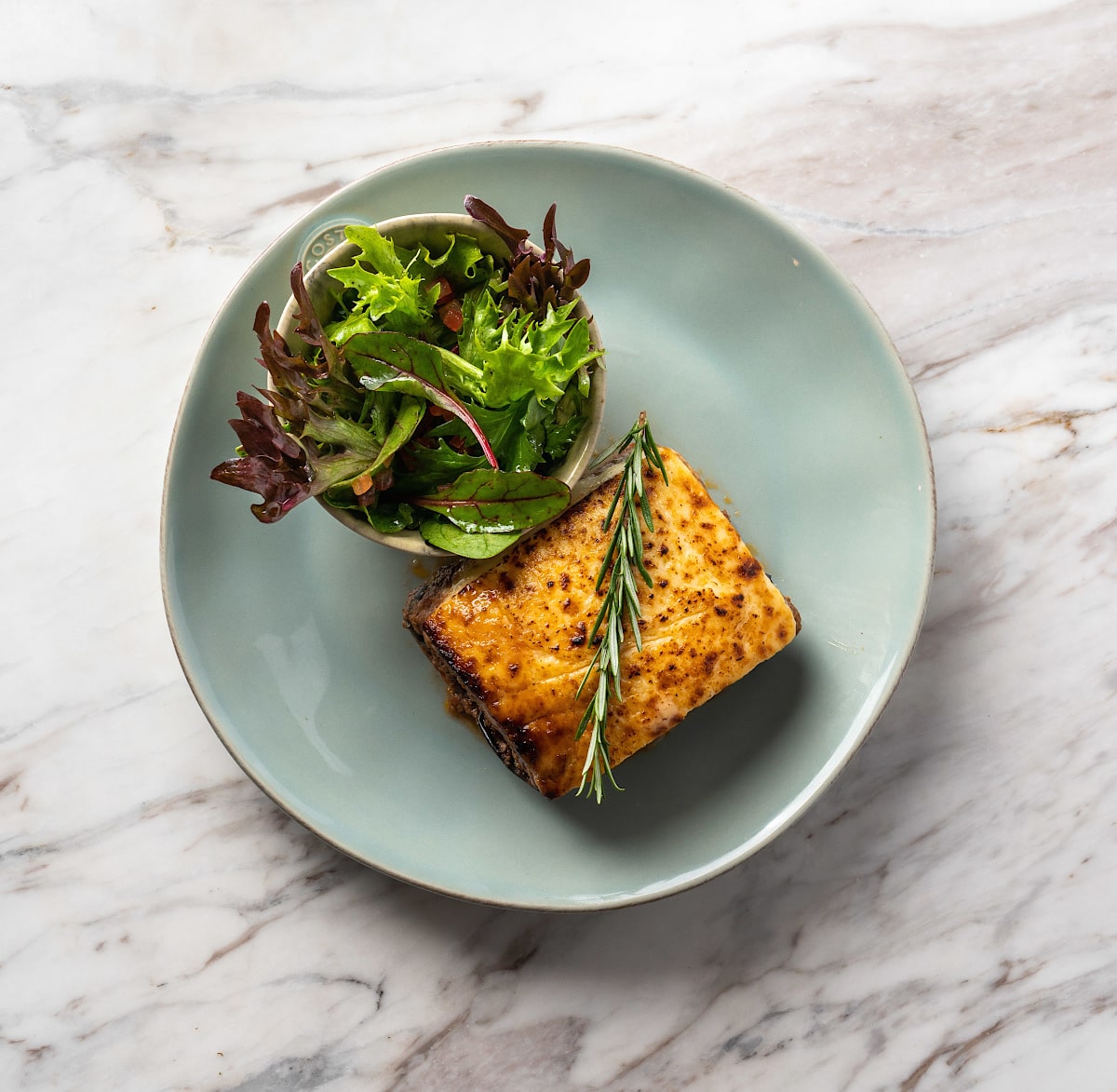
The final assembly involves layering the roasted potatoes at the base of a baking dish, followed by the roasted eggplant and the rich meat ragù. The thick béchamel is poured over the top, creating an insulating seal that traps moisture and browns into a golden crust during baking. Crucially, Chef Cetkovic emphasizes a mandatory 25-minute resting period post-bake. This cooling window allows the starches in the potatoes and the proteins in the béchamel to set, ensuring that when the moussaka is portioned, each serving retains its architectural form on the plate.
Nutritional and Dietary Implications of Oven-Roasted Techniques
The transition from deep-frying to oven-roasting in the preparation of traditional moussaka yields significant nutritional and operational benefits. Eggplant is naturally spongy, functioning much like a culinary sponge when introduced to high-volume frying oil. By substituting frying with roasting, the fat content of the dish is drastically reduced, lowering the overall caloric density while preserving the dietary fiber and antioxidant properties inherent in the nightshade vegetables.
Furthermore, from a professional kitchen standpoint, oven-roasting streamlines workflow. Commercial and home kitchens alike benefit from the reduction in active stovetop monitoring, minimized smoke, and safer handling of hot oil. The resulting dish aligns closely with modern dietary preferences that favor nutrient-dense, lower-fat Mediterranean meals without a loss of culinary satisfaction.
Broader Impact and Regional Adaptation in Asian Culinary Markets
The presence of authentic Greek moussaka in Singapore—courtesy of establishments like Pano Kato and culinary leaders like Chef Cetkovic—underscores the ongoing globalization of Mediterranean gastronomy. Singapore’s diverse dining scene has increasingly embraced regional European cuisines, moving beyond generalized Western menus to seek out specific culinary traditions prepared by chefs with authentic regional experience.
By introducing techniques that respect traditional flavor pairings while adapting to contemporary health-conscious dining trends, chefs like Cetkovic bridge cultural divides. The adaptation of moussaka through roasting demonstrates that traditional recipes are not static artifacts, but dynamic formulas capable of evolving to meet modern technical and nutritional standards. As international diners continue to explore authentic Mediterranean fare, such refined preparations ensure that classic comfort foods remain relevant, accessible, and appealing to a global palate.