A Decade of Pan-Banging Innovation: The Evolution of the Viral Chocolate Chip Cookie and Its New Brown Butter Iteration

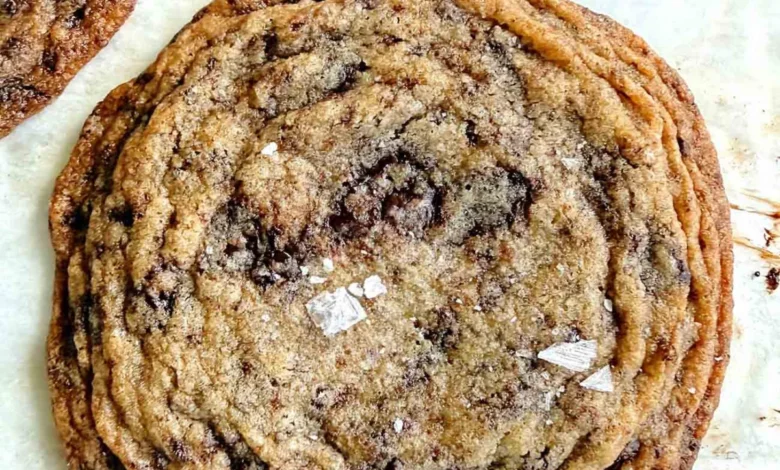
It has been ten years since the baking community was introduced to a technique that fundamentally altered how home cooks approach chocolate chip cookies. Originally published a decade ago in the Vanilla Bean Baking Book, the viral pan-banging chocolate chip cookie recipe captured the imagination of pastry enthusiasts worldwide. Unlike traditional baking methods that emphasize minimal disturbance to the oven environment, this innovative approach requires bakers to rhythmically tap baking pans against the oven racks every few minutes during the baking cycle. The deliberate disruption forces the edges of the dough to collapse and ripple, engineering a distinct dual-texture profile: a crisp, ruffled outer perimeter encasing a soft, molten, gooey center.
Ten years later, the recipe’s creator has returned to the foundational formula to introduce a highly anticipated variation: the Pan-Banging Brown Butter Chocolate Chip Cookie. This modern adaptation merges the physics-driven methodology of the original viral sensation with the deep, complex, toffee-like notes of browned butter, marking a significant milestone in the evolution of modern home baking.
The Origins of Pan-Banging Mechanics
The concept of agitating pans during the baking process is not entirely novel to professional commercial kitchens, but its application to domestic cookie baking was popularized largely through this specific recipe lineage. In standard baking environments, cookies expand uniformly, resulting in a flat or evenly domed structure with a homogenous texture. By introducing calculated physical shocks to the baking sheet at precise intervals, the structural integrity of the outer ring is repeatedly compromised while the center remains structurally fluid.
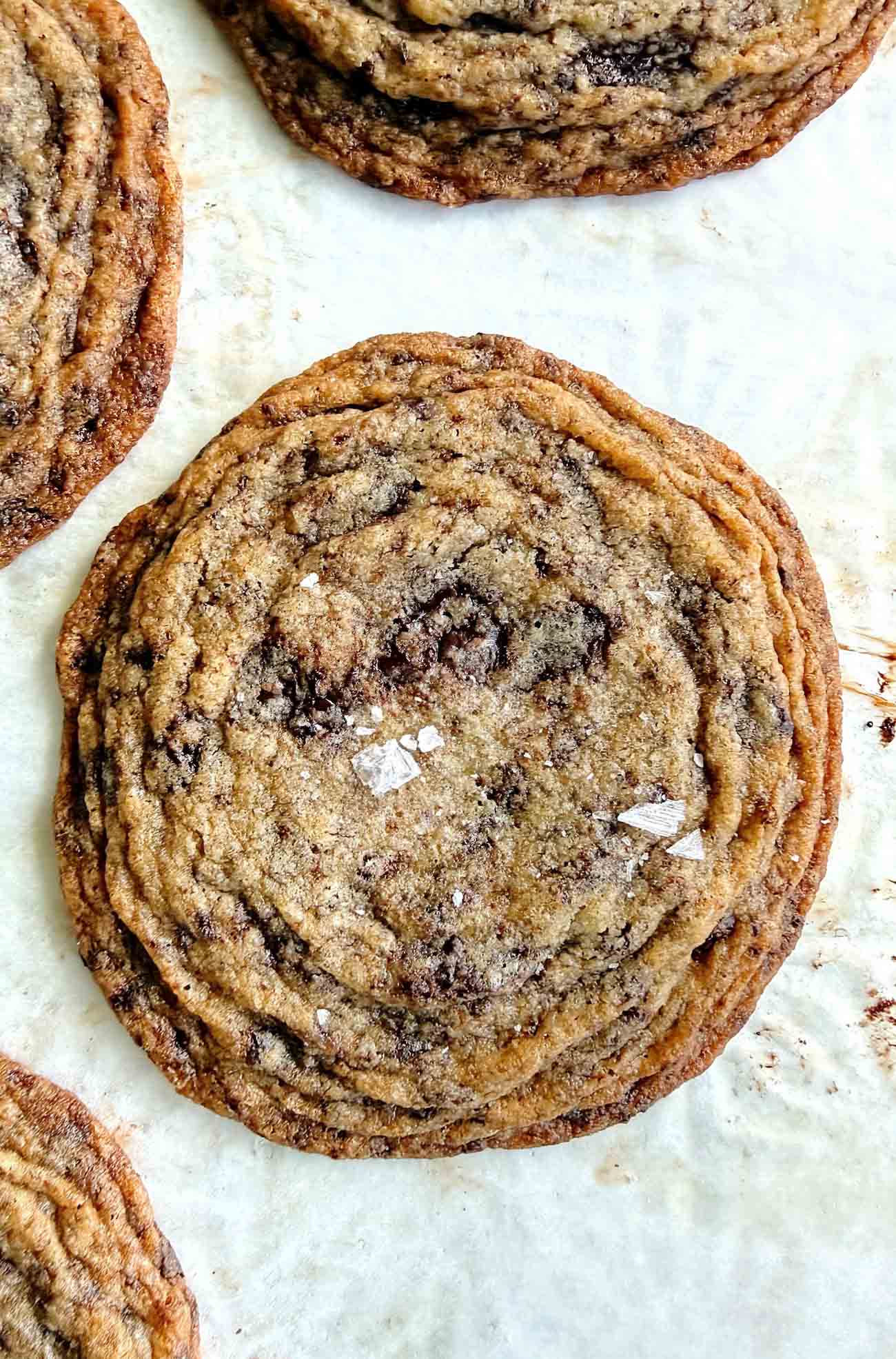
As the edges settle and expand outward in waves, they form thin, crispy ridges that caramelize intensely against the hot pan or baking surface. This structural manipulation solved a common culinary dilemma: how to achieve the contrasting textures of a sturdy, crisp edge and an underbaked, decadent center within a single cookie without compromising structural stability. Over the past decade, the technique has been replicated, studied, and adapted by thousands of home bakers and professional pastry chefs alike, cementing its status as a landmark contribution to modern dessert formulation.
Experimentation and Recipe Development: The Brown Butter Breakthrough
The decision to incorporate brown butter—a culinary process where butter is melted and gently cooked until milk solids caramelize—was driven by sustained demand from the baking community. While numerous independent bakers had previously attempted to merge browned butter with the original pan-banging framework, the recipe’s author undertook a rigorous development phase to ensure the adaptation maintained the delicate balance required for the technique to succeed.
Initial kitchen trials involved browning the entirety of the butter called for in the original formula. However, the results revealed a structural and flavor imbalance. The intense nuttiness and moisture reduction caused by fully browning all the butter overwhelmed the subtle interplay between the semi-sweet chocolate and the underlying dough base, creating a heavy, overly assertive flavor profile.
Subsequent testing led to a calibrated compromise: browning precisely half of the butter while leaving the remaining half in its standard, untreated state. This 50-50 split achieved the desired chemical balance. The toasted milk solids provided a pronounced, aromatic nutty depth that elevated the chocolate without masking its profile, while the retained moisture content of the unbrowned butter preserved the necessary spread and viscosity required for the signature pan-banging ripples to form correctly.
Technical Adjustments: Salt Integration and Dough Management
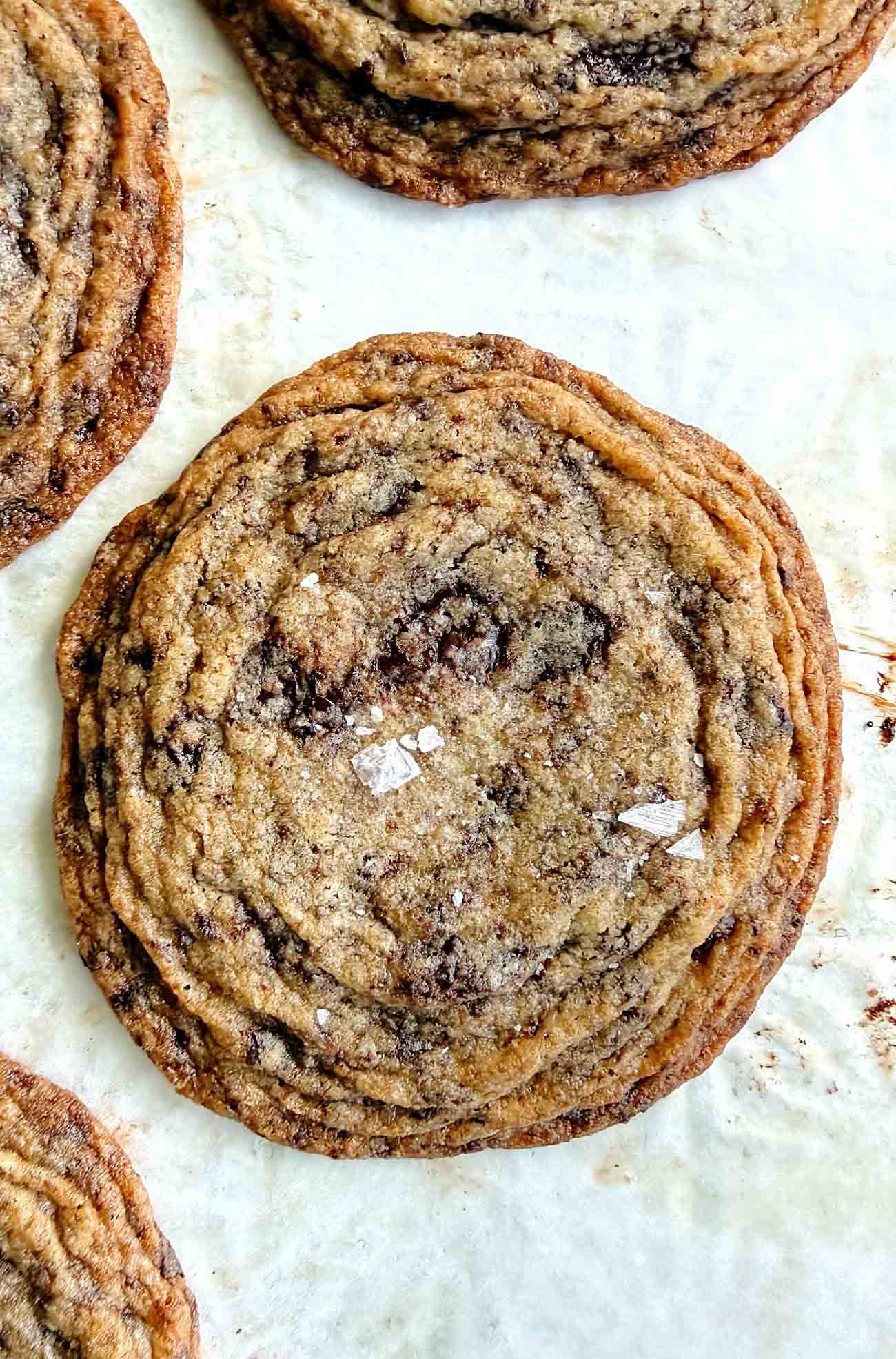
In refining the new iteration, several technical modifications were implemented to optimize both flavor distribution and structural integrity. Most notably, the application of flaky sea salt has been shifted from a post-bake garnish to a pre-bake incorporation step. Culinary testing demonstrated that sprinkling flaky salt onto the raw dough balls before they enter the oven allows the mineral crystals to partially embed and bake into the matrix of the cookie. This prevents the harsh, localized salinity spikes often associated with post-bake finishing salts, yielding a more integrated and harmonious flavor profile upon consumption.
Temperature control and dough handling also play a critical role in the success of the brown butter variant. Because browned butter loses water through evaporation during the heating process, managing the temperature of the fat before it enters the mixing bowl is paramount. Bakers are advised to cool the browned butter back down to room temperature to prevent premature melting of sugars and fats during mixing.
Furthermore, while the dough can be refrigerated overnight to enhance flavor development through enzymatic breakdown and protein hydration, specific precautions must be observed. Chilling the dough solid alters its structural elasticity; if baked directly from a hard, cold state, the cookies fail to spread adequately and lose the distinctive crinkled ridges central to the pan-banging methodology. Consequently, chilled dough must be tempered back toward room temperature prior to baking to ensure proper physical expansion in the oven.
Dimensions, Thermal Physics, and Shelf-Life Dynamics
The physical dimensions of the cookie are not merely aesthetic choices but are functionally required for the recipe’s success. The formula yields relatively large dough portions, a deliberate sizing decision designed to facilitate the necessary thermal gradient between the outer edges and the core. Smaller portions fail to generate sufficient mass to support both a crisp, rippled perimeter and a molten center.
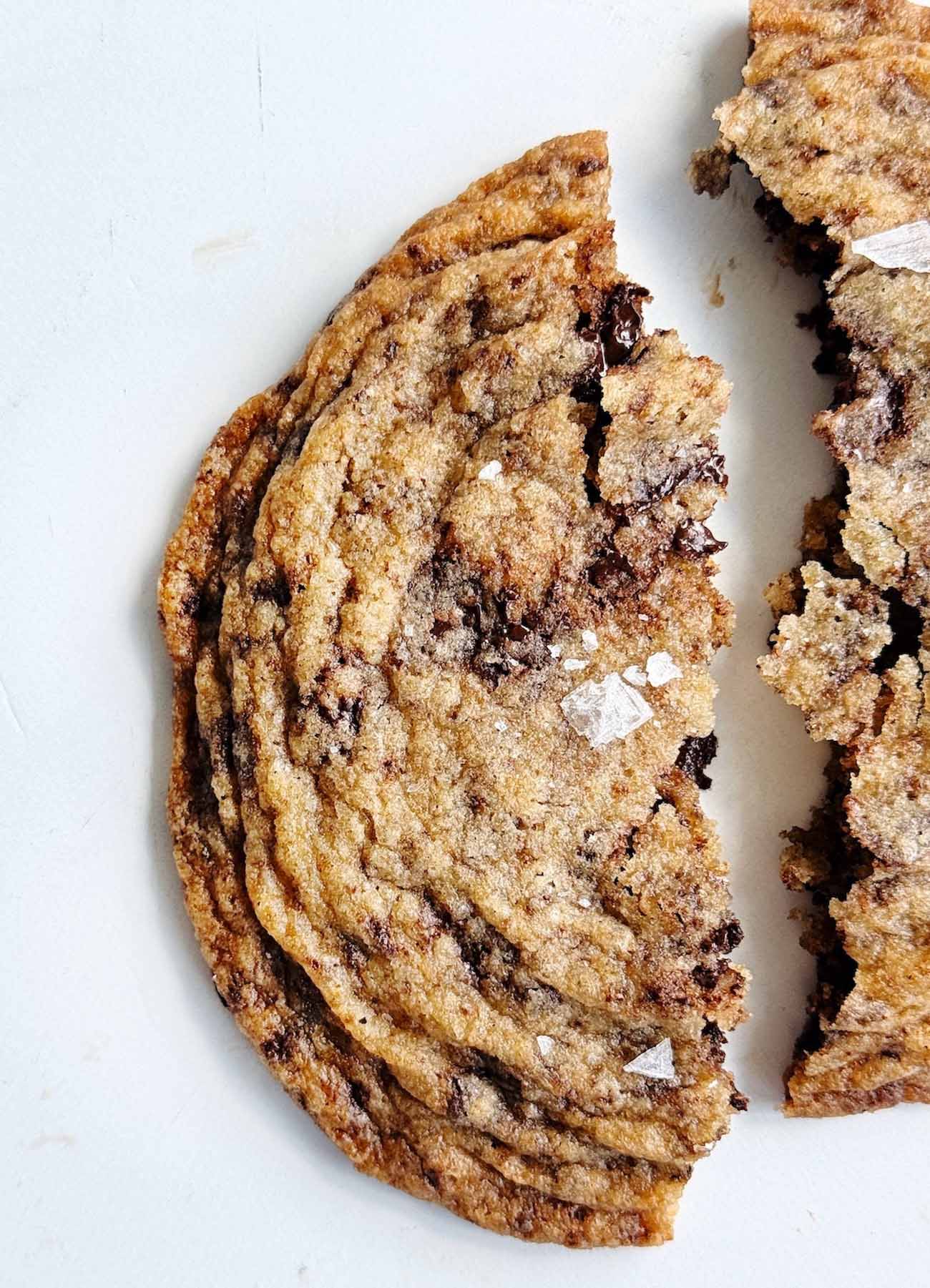
To maximize bottom-crust crispness, culinary insights from pastry expert Alice Medrich were integrated into the baking protocol. Utilizing the dull side of aluminum foil as a baking surface—or alternatively, high-grade parchment paper—helps conduct and distribute heat evenly, ensuring the undersides of the cookies achieve a rich, golden-brown hue without burning.
Regarding longevity, the structural composition of the pan-banging cookie contributes to favorable storage dynamics. While optimal when consumed fresh and warm, the cookies maintain structural integrity and texture over multiple days. Culinary assessments suggest that storing the baked goods in refrigeration allows for a dense, fudge-like textural experience when consumed cold. Alternatively, due to their thin profile, day-old cookies can be gently reheated in a toaster oven, provided the warming cycle is monitored closely to prevent the chocolate inclusions from liquefying entirely.
Broader Implications for Modern Baking Culture
The release of the Pan-Banging Brown Butter Chocolate Chip Cookie highlights a broader trend within contemporary culinary arts: the continuous iteration of established viral recipes through home-kitchen experimentation. In an era dominated by digital food media, where foundational recipes can reach global audiences within hours, culinary creators face the dual challenge of preserving their signature innovations while responding to evolving consumer palates.
By openly documenting the trial-and-error process—including the failure of the initial 100% brown butter batch—the development of this recipe underscores the rigorous science underpinning modern home baking. As this new iteration enters public rotation, it reinforces the enduring appeal of mechanical innovation in pastry arts, proving that even a universally beloved classic can be successfully reimagined through precise temperature control, fat management, and a willingness to challenge conventional baking physics.