The Science of Umami in Frozen Desserts
The integration of black garlic into ice cream is not merely a novelty; it is a calculated application of food chemistry. Black garlic is created through the long-term, low-temperature aging of fresh Allium sativum bulbs. Over several weeks in a controlled environment with high humidity, the garlic undergoes the Maillard reaction—a chemical process between amino acids and reducing sugars. This results in the degradation of the pungent allicin responsible for the "bite" of raw garlic, replacing it with S-allyl cysteine and a complex profile of melanoidins.
The resulting flavor profile is characterized by notes of molasses, balsamic vinegar, tamarind, and dried fruit. When combined with the high fat content of a standard custard base, the black garlic’s acidity is tempered, while its umami-rich properties amplify the sweetness of the honey. This interaction creates a "third space" in flavor—a sensory experience that sits between the savory nature of the garlic and the high-glucose impact of the honey, requiring the palate to reconcile two distinct culinary categories simultaneously.
Historical Context and Evolution of Culinary Fusion
The movement toward "savory-sweet" desserts gained significant traction in the early 21st century as high-end restaurants began prioritizing sensory complexity over traditional sugar-heavy profiles. Gastronomic movements, such as those pioneered by chefs in the modernist culinary scene, sought to deconstruct classic ingredients and reassemble them in non-traditional contexts.
The timeline of this shift can be observed through the adoption of ingredients previously confined to the pantry’s spice rack or vegetable drawer. By the mid-2010s, ingredients such as balsamic vinegar, basil, rosemary, and olive oil became standard in premium ice cream formulations. The inclusion of black garlic represents the next iteration of this evolution, shifting from herbal, light savory notes to deeper, fermented, and earthy profiles. This progression mirrors the broader global interest in fermented foods, which has seen an uptick in consumer demand for products like kombucha, miso, and kimchi, now manifesting in creative dessert applications.
Technical Preparation and Procedural Requirements
Producing Black Garlic Honey Ice Cream is categorized as an intermediate culinary undertaking, requiring approximately 24 hours from initiation to service, with roughly two hours of active labor. The complexity arises from the need to properly emulsify the black garlic paste into the dairy base to ensure a consistent texture that avoids fibrous clumps.
The process typically involves:
- Infusion: Incorporating the honey and black garlic paste into the heavy cream and milk mixture.
- Curing: Allowing the base to "age" or macerate in a chilled environment for at least 12 hours. This period is crucial for the lipids in the dairy to absorb the volatile compounds released by the black garlic.
- Churning: Using a high-quality ice cream machine to incorporate air (overrun), which dictates the final mouthfeel of the product.
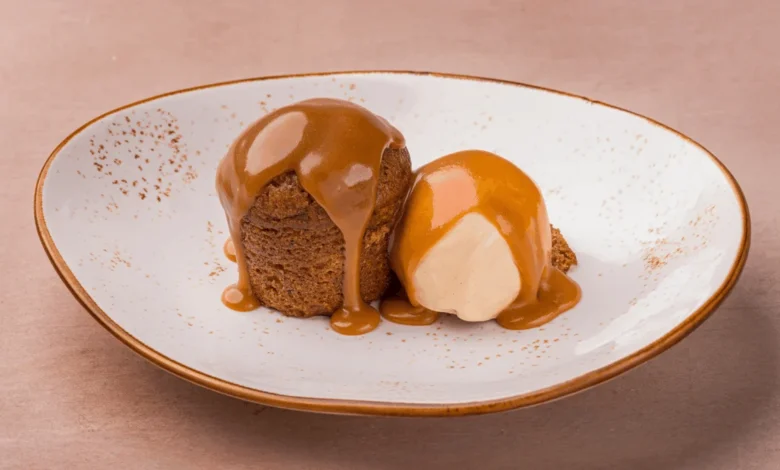
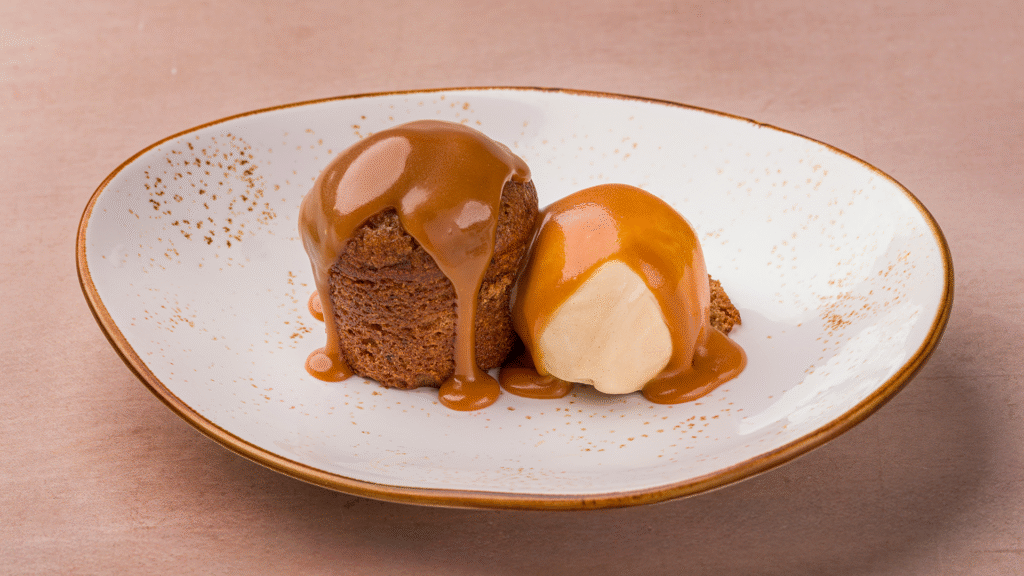
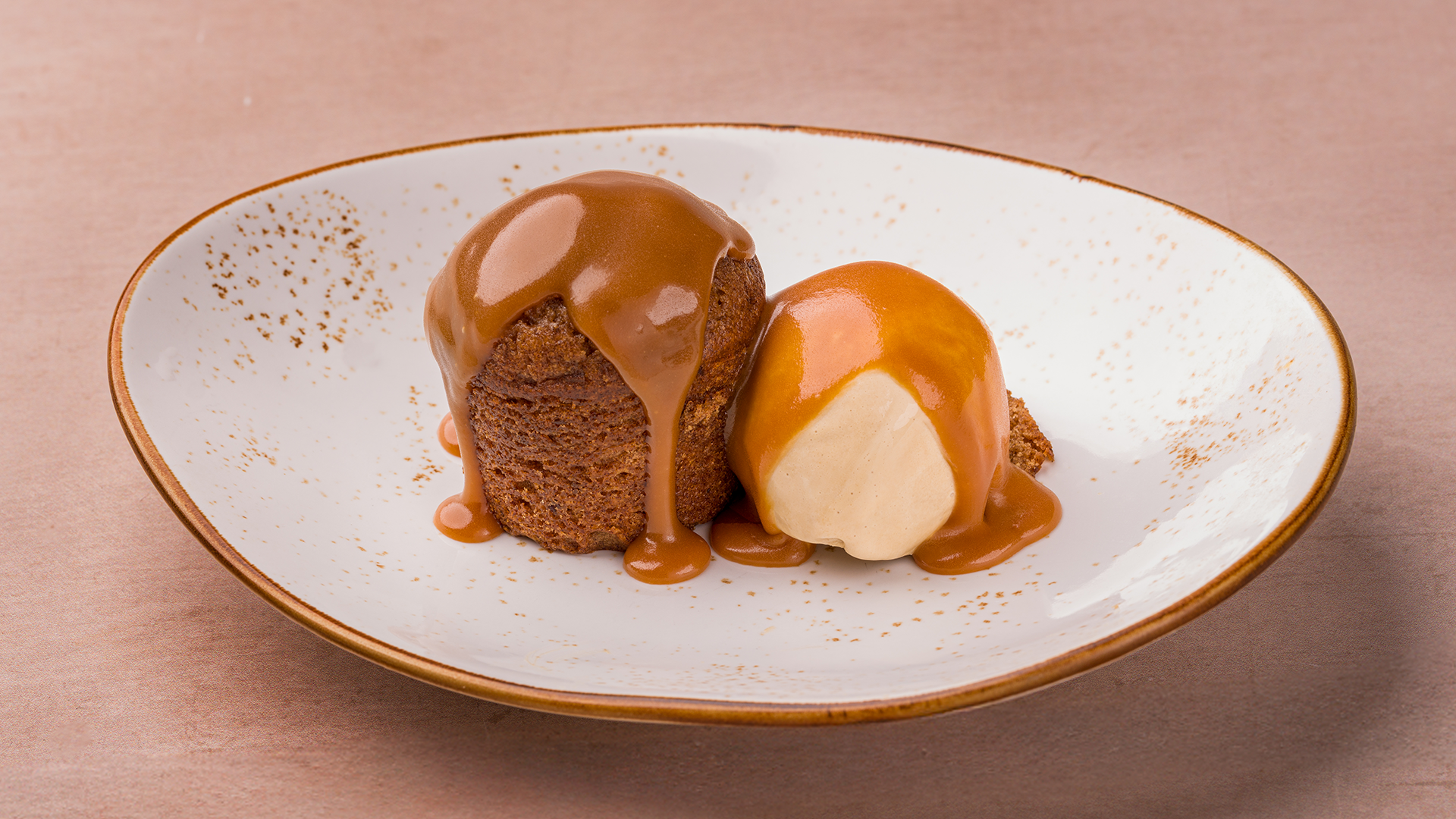
- Hardening: A final freezing stage of 4 to 8 hours to stabilize the crystal structure, ensuring the dessert maintains its integrity when served alongside accompaniments like sticky toffee pudding or sea salt tuiles.
Economic and Market Implications
The rise of artisanal, ingredient-forward ice cream has shifted the market landscape significantly. According to industry analysis, the "premium" and "super-premium" ice cream segments are among the fastest-growing categories in the global dairy industry. Consumers are increasingly willing to pay a premium for products that offer a unique narrative or a "chef-driven" experience.
For manufacturers, the use of high-quality ingredients like artisanal honey and aged black garlic serves as a differentiator in a saturated market. While the raw ingredient costs for black garlic are higher than standard inclusions like vanilla bean or chocolate chips, the value proposition lies in the product’s exclusivity. Retailers and boutique creameries are finding that offering limited-edition flavors that challenge conventional norms—such as this black garlic hybrid—drives consumer engagement and social media visibility, effectively serving as a marketing tool that offsets the cost of production.
Official Perspectives and Nutritional Considerations
From a nutritional standpoint, the integration of black garlic provides potential health benefits, although these are often secondary to the primary goal of culinary enjoyment. Black garlic is recognized for its high concentration of antioxidants compared to its raw counterpart. While the process of turning it into ice cream involves significant sugar, the presence of the garlic introduces trace amounts of fiber and various polyphenols.
Culinary professionals often note that the success of such a flavor relies on the "background note" theory. "If you can clearly identify the garlic as a standalone vegetable, the recipe has failed," says one consultant in the field of molecular gastronomy. "The goal is to evoke the mystery of the flavor—to have the consumer struggle to define the origin of the richness." This perspective highlights the importance of precise ingredient ratios; the garlic must remain an "anti-hero," providing the backbone of the flavor without overwhelming the delicacy of the honey.
Broader Impact on Modernist Gastronomy
The emergence of Black Garlic Honey Ice Cream is a microcosm of the current state of culinary arts. Modernist gastronomy is no longer confined to laboratory-style restaurants; it is infiltrating home kitchens and artisanal creameries, bolstered by the availability of specialized equipment and direct-to-consumer access to high-quality, aged ingredients.
This trend implies a growing sophistication among the general public. As consumers become more educated about flavor science—understanding, for example, the role of Maillard reactions and the chemistry of fat-based infusions—the demand for challenging, non-linear flavor profiles will likely continue to expand. The implications for the dairy industry are clear: the future of ice cream is not just in sugar and cream, but in the intelligent application of complex, fermented, and savory components that expand the boundaries of the palate.
In conclusion, while the prospect of garlic in a frozen, sweetened dessert may initially trigger skepticism, the scientific and sensory evidence supports its efficacy. By balancing the deep, earthy umami of black garlic with the floral, high-note sweetness of honey, creators are achieving a level of complexity that defines the modern culinary era. As this practice moves from niche, experimental kitchens into the mainstream, it invites a re-evaluation of what constitutes a dessert, suggesting that the future of the industry lies in the thoughtful intersection of the savory and the sweet.