Evolution of Plant-Based Baking
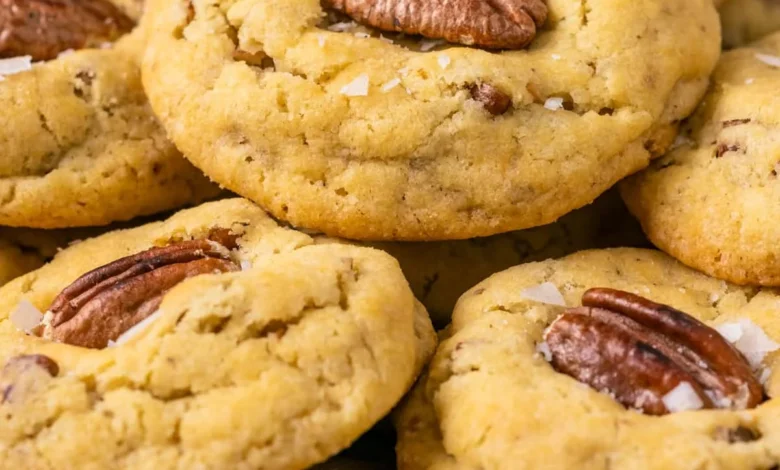
The development of the Vegan Butter Pecan Cookie represents a broader shift in the culinary landscape. Historically, achieving the "buttery" mouthfeel and tender crumb of a traditional cookie without the use of dairy butter proved challenging for home bakers. The reliance on hydrogenated vegetable shortenings often resulted in a waxy texture, while the use of oil frequently compromised the structural integrity of the baked good.

The emergence of high-quality, plant-based butter alternatives—typically composed of a blend of nut oils, coconut oil, and sunflower lecithin—has fundamentally changed this dynamic. These modern formulations mimic the melting point of bovine butter, allowing for the "creaming" method essential for aerating sugar and fat, which is the cornerstone of the classic butter cookie recipe.

The Science of Texture and Flavor
The preparation of these cookies follows a precise scientific methodology. The use of toasted pecans is not merely a stylistic choice but a functional one. The Maillard reaction, which occurs during the roasting of the nuts, breaks down proteins and sugars into volatile compounds that provide a deep, savory aroma. When these toasted pecans are incorporated into a dough base, they impart a complexity that balances the sweetness of the sugars.

Furthermore, the inclusion of ingredients such as cornstarch is a strategic addition. In professional baking, cornstarch is often utilized to lower the protein content of the flour mixture, resulting in a more tender, delicate crumb. This, combined with the controlled chilling of the dough—a process that allows the fats to solidify and minimizes excessive spreading during the baking cycle—is critical for achieving a professional-grade result.

Chronology of Preparation
For those executing this recipe, the process is divided into distinct phases designed to maximize structural stability and flavor development:

- Component Preparation: The process begins with the dry roasting of pecans. This step is typically performed over medium heat for approximately five minutes, or until the oils in the nuts become fragrant.
- The Creaming Phase: The foundation of the cookie is created by emulsifying vegan butter with granulated and brown sugars. The brown sugar provides a slight acidity and additional moisture, which contributes to the characteristic chewiness.
- Dry Integration: The integration of flour, leavening agents (baking soda and powder), and salt requires careful handling to prevent over-development of gluten, which would result in a tough texture.
- Maturation and Chilling: Once the dough is formed and the nuts are folded in, it is essential to chill the dough balls. This period of rest allows the flour to hydrate fully and the fats to firm up, which is an industry-standard practice for controlling the "spread" of the cookie on the baking sheet.
- Thermal Processing: The baking stage is performed at a temperature that ensures the edges set while the center remains soft. The requirement to bake one tray at a time is a measure intended to maintain consistent oven temperature and airflow, preventing uneven heat distribution.
Market Context and Consumer Trends
Data from recent food industry reports indicates that the market for vegan-certified baked goods is experiencing a compound annual growth rate (CAGR) of approximately 6.5%. This growth is driven by a demographic shift toward plant-forward diets, motivated by environmental sustainability, ethical concerns regarding animal agriculture, and health-conscious consumer behavior.

The popularity of the butter pecan variety specifically stems from its status as a nostalgic comfort food. By successfully replicating this classic profile, food developers are able to capture a wider audience that might otherwise be hesitant to adopt plant-based alternatives. The "Vegan Butter Pecan Cookie" effectively serves as a case study for the successful mainstreaming of vegan cuisine.

Nutritional Analysis and Implications
From a nutritional standpoint, these cookies are classified as a caloric treat. A standard portion of 194 kcal contains approximately 11 grams of fat and 11 grams of sugar. While the absence of animal-derived cholesterol is a positive shift for those managing dietary restrictions, the nutritional profile remains consistent with traditional cookies.

The primary implication for the home baker is the ability to achieve professional-level results without specialized, non-vegan equipment or rare ingredients. The use of soy milk, for example, is often cited in culinary literature as a superior vegan binder because its protein content helps provide structure that water or almond milk cannot always support.

Best Practices for Optimal Results
Professional bakers emphasize several key techniques to ensure the success of this recipe:

- Temperature Control: Ingredients such as the vegan butter should be at a cool room temperature—soft enough to be whipped, but firm enough to hold its structure.
- Precision Measurement: In the context of baking, volume measurements can be deceptive. The use of a digital scale to measure flour and sugar is highly recommended to maintain the intended ratio of fats to dry ingredients.
- Oven Calibration: Because domestic ovens can fluctuate in temperature, the use of an independent oven thermometer is encouraged. Even a ten-degree discrepancy can lead to the over-caramelization of the sugars, which would alter the delicate flavor balance of the pecans.
Future Outlook
As plant-based butter formulations continue to evolve, it is likely that the distinction between traditional and vegan baking will further diminish. Advances in food technology, such as the use of aquafaba (chickpea brine) for aeration or specialized vegetable protein isolates, are paving the way for even more sophisticated textures. For the present, the recipe for the vegan butter pecan cookie remains a reliable, accessible method for producing a classic, high-quality treat that satisfies both the traditional palate and the requirements of modern dietary preferences.

By adhering to the established steps—from the initial toasting of the nuts to the final chilling phase—bakers can ensure consistent quality. This approach not only respects the integrity of the ingredients but also elevates the final product to a standard acceptable in both domestic and professional settings. As more consumers move toward incorporating plant-based options into their regular routines, the demand for such high-quality recipes will likely continue to grow, cementing the role of the vegan butter pecan cookie as a staple of the contemporary home bakery.