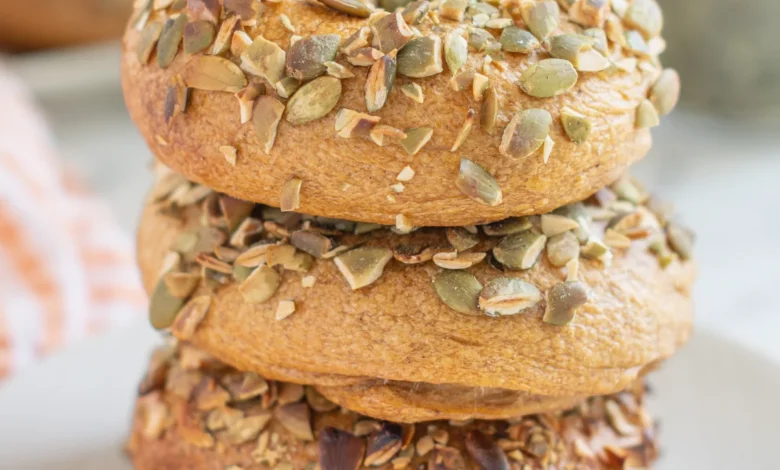
The culinary landscape of autumn is frequently dominated by sweet confections, yet the integration of seasonal produce into savory staples has gained significant momentum in professional and home baking circles. Among these innovations, the pumpkin bagel has emerged as a complex, technical achievement that bridges the gap between traditional New York-style artisanal bread and contemporary seasonal flavors. Achieving the characteristic dense, chewy crumb and high-gloss crust of an authentic bagel while incorporating the moisture-heavy profile of pumpkin puree requires a precise, multi-day fermentation process that challenges standard baking timelines.
The Evolution of the New York Style Bagel
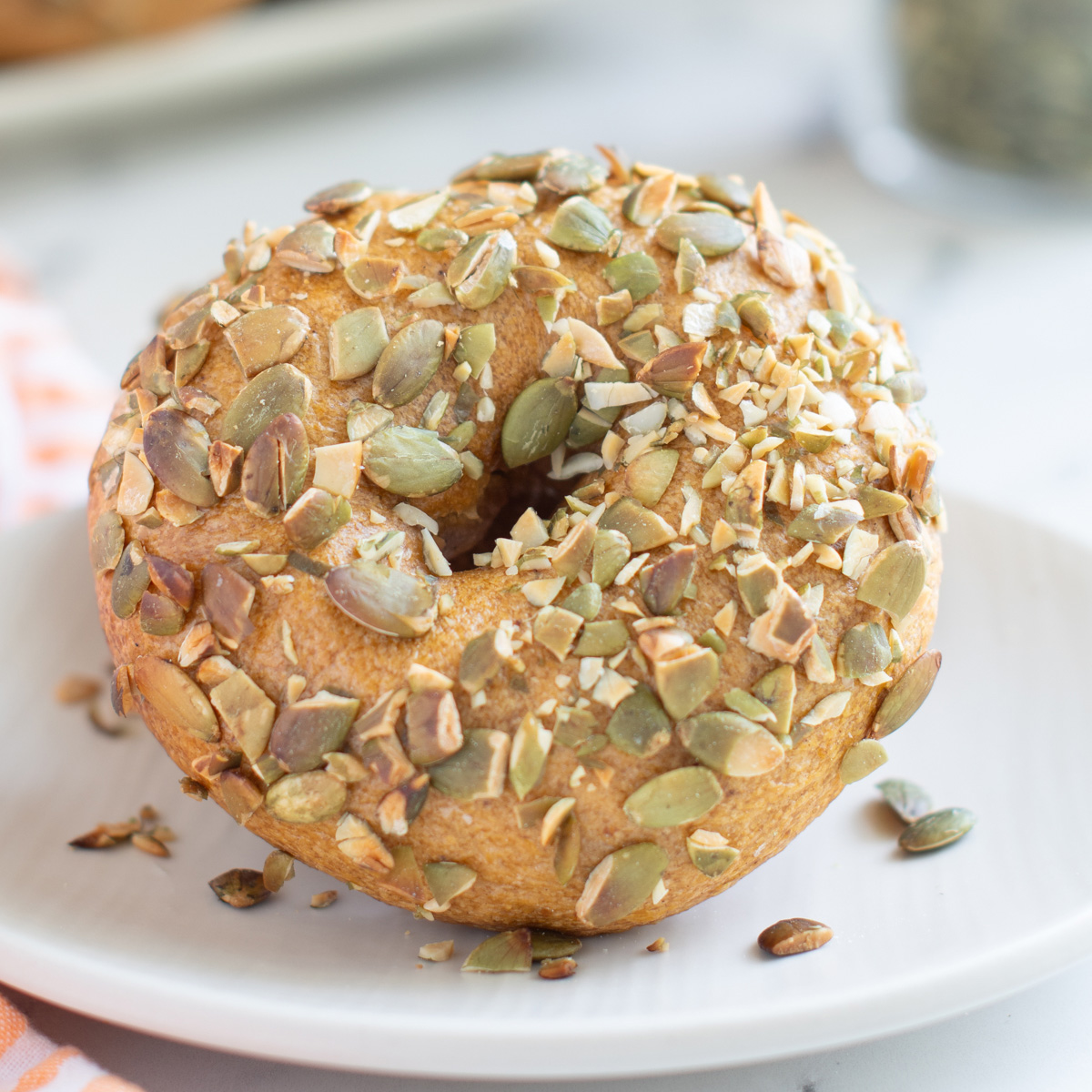
To understand the complexity of the pumpkin bagel, one must first look at the traditional New York bagel. Historically rooted in Eastern European Jewish tradition, the New York bagel is defined by a brief boil in water—often treated with malt or baking soda—before baking. This process gelatinizes the surface starch, creating a resilient, shiny shell that locks in the interior moisture.
The introduction of pumpkin puree—a fruit with a high water content and a distinct chemical structure—into a dough traditionally designed for high-gluten flour and minimal hydration creates a unique structural challenge. According to professional bakers, substituting a portion of the water with pumpkin necessitates adjustments to the mixing duration and the fermentation environment. The goal is to maintain the "chew"—a textural quality resulting from the development of gluten strands—without allowing the pumpkin’s natural acidity or sugars to weaken the dough’s structure.
A Chronological Breakdown of the Two-Day Baking Cycle
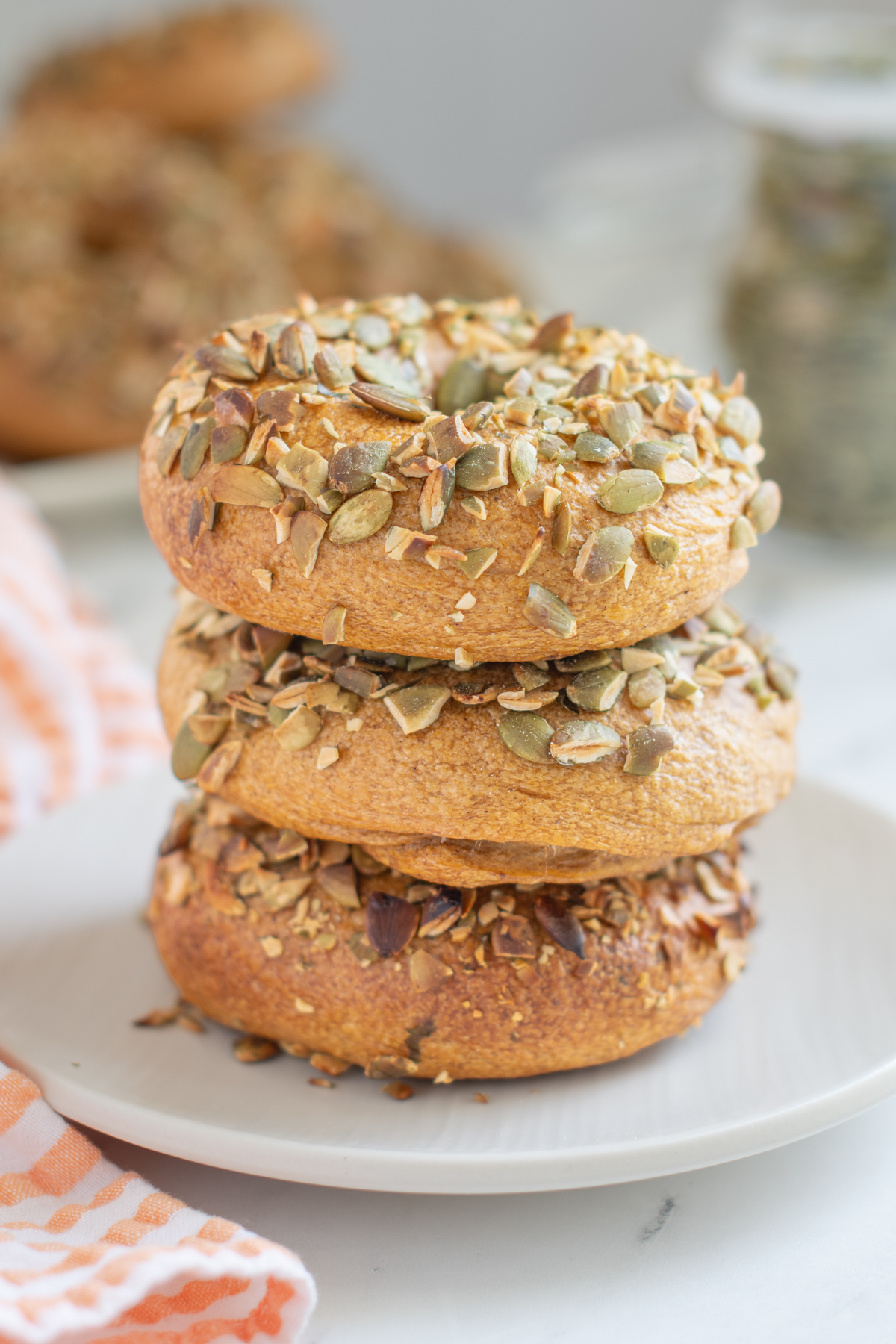
The professional standard for producing high-quality bagels involves a cold-proof method, which allows for the development of complex flavor compounds that cannot be achieved in a single-day bake. The process for this specific seasonal variation is divided into two distinct phases.
Day One: Mixing and Primary Fermentation
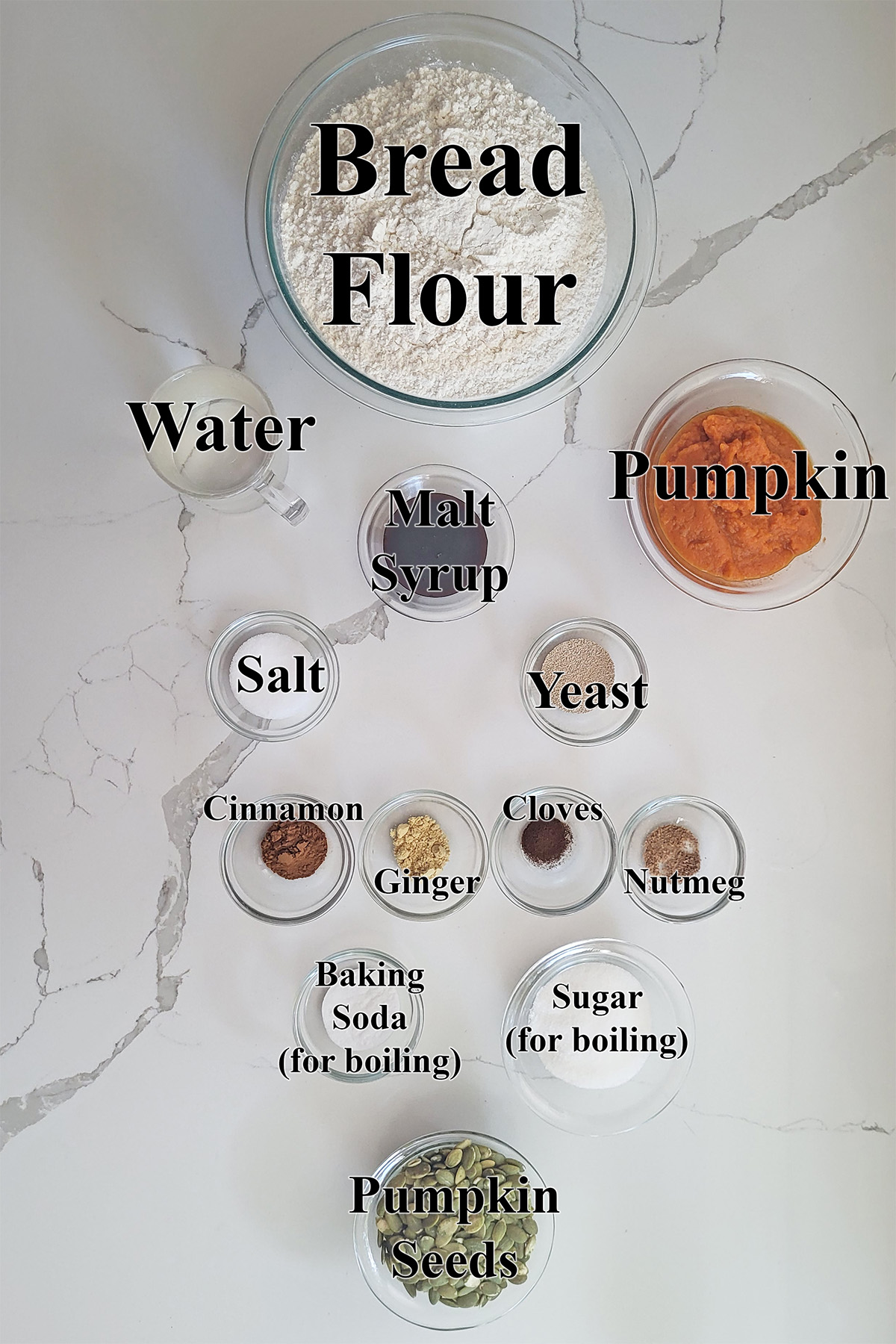
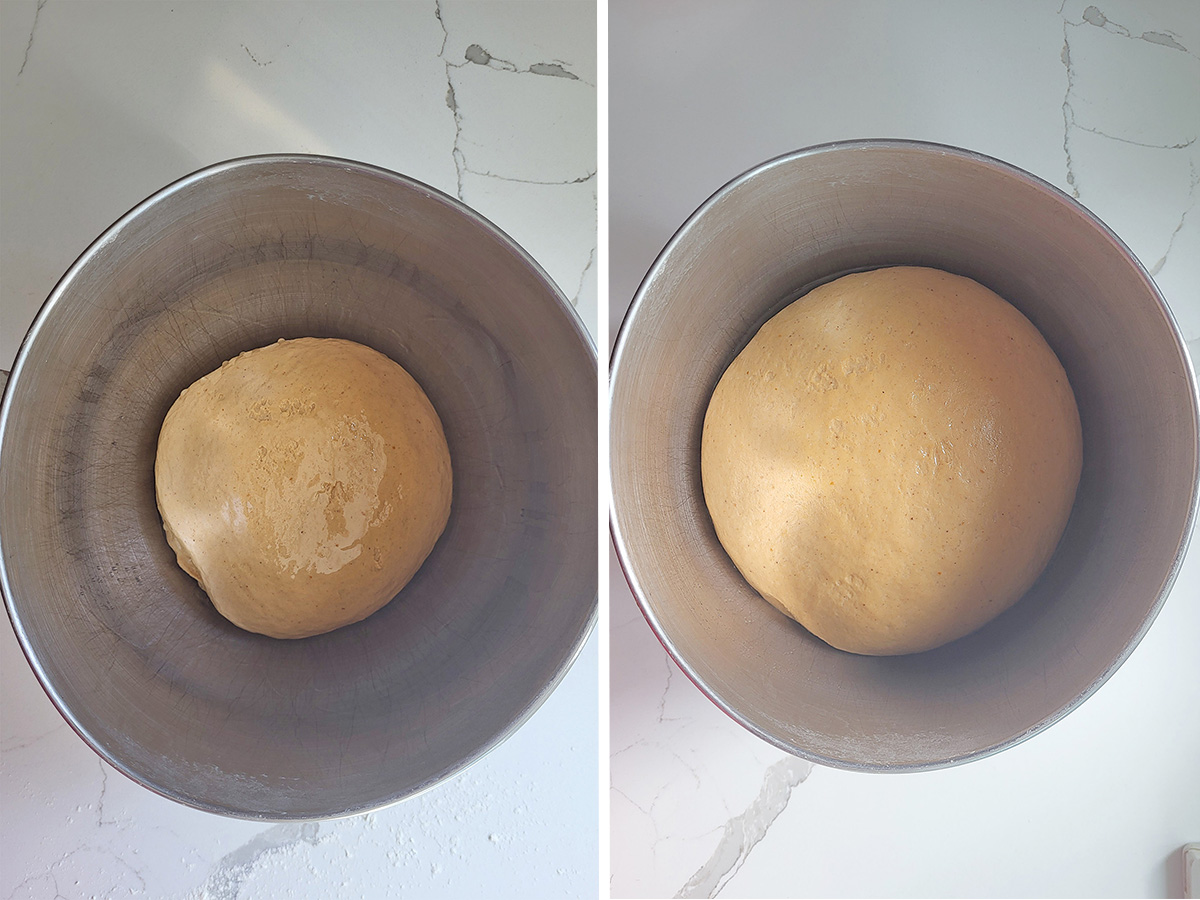
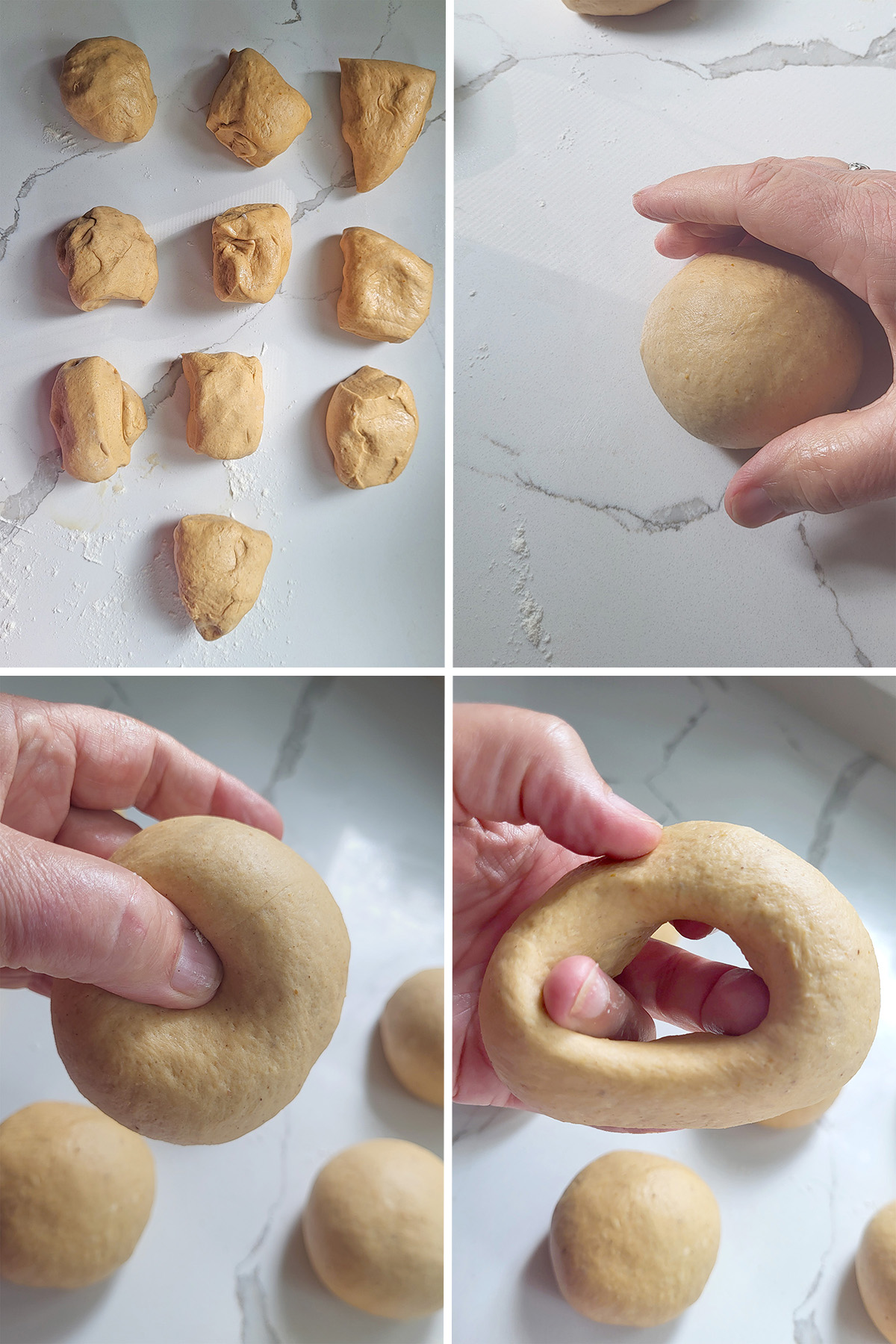
The process begins with the integration of bread flour, high-quality pumpkin puree, warm spices, and a leavening agent. Unlike standard bread dough, bagel dough is notably stiff. After a thorough mixing period, the dough undergoes an initial rise. During this phase, the pumpkin spice profile—typically a blend of cinnamon, ginger, cloves, and nutmeg—begins to infuse the dough, while the starches begin the slow process of enzymatic breakdown. Shaping occurs at the end of the first day, at which point the formed rings are moved to a cold environment.
Day Two: The Cold Proof and Thermal Processing
The cold-proof stage, typically lasting between 12 to 18 hours in a refrigerator, is essential. This temperature-controlled environment slows down the yeast, preventing over-proofing while allowing lactic acid bacteria to create the characteristic tang associated with premium bagels. On the final day, the bagels are boiled. This step is the most critical for texture. The hot water bath serves two purposes: it sets the exterior crust and gelatinizes the outer layer of starch. A subsequent high-heat bake provides the final Maillard reaction, resulting in the deep golden-brown hue and the characteristic "snap" when the bagel is pulled apart.
Technical Specifications and Ingredient Integrity
The success of the pumpkin bagel relies heavily on the quality of the raw materials. Professional bakers emphasize the use of high-protein bread flour, which contains between 12% and 14% protein. This protein content is essential for forming the strong gluten network required to support the weight of the pumpkin puree.
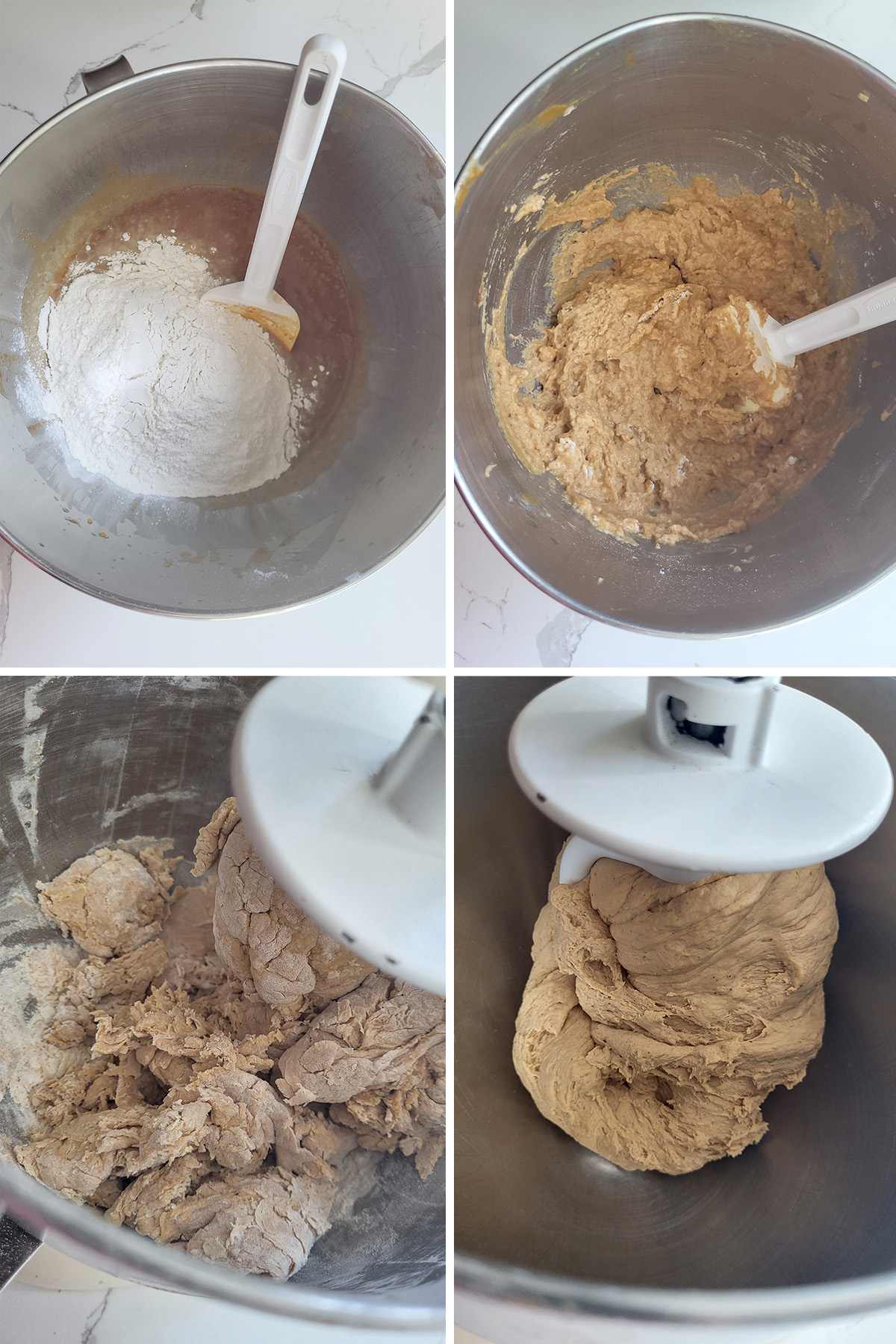
- Hydration Ratios: Managing the water-to-flour ratio is the primary hurdle. Because pumpkin puree is approximately 90% water, the quantity of additional water added to the mix must be reduced proportionally compared to a standard bagel recipe.
- Sweeteners and Malt: Many bakers utilize barley malt syrup or a combination of molasses and honey. These ingredients are not merely for sweetness; they provide the necessary nutrients for the yeast and contribute to the dark, glossy finish of the crust during the boiling process.
- The "Dip and Sweep" Method: Precision in measurement remains a recurring theme in baking pedagogy. The "dip and sweep" method—filling a measuring cup to overflow and leveling it with a flat edge—is the industry-standard way to ensure that flour density does not lead to a dry, crumbly product, a common failure point for home bakers attempting complex doughs.
Nutritional Considerations and Consumer Trends
From a nutritional standpoint, the pumpkin bagel provides a different profile than traditional plain or sesame varieties. With an average energy density of approximately 363 kcal per bagel, the inclusion of pumpkin adds a minor boost in fiber and Vitamin A. However, the sodium content remains a focal point for health-conscious consumers. A standard recipe, including the traditional boil and proper seasoning, often contains approximately 925mg of sodium, largely derived from the salt content necessary to strengthen the gluten network during the fermentation phase.
As the retail market for artisanal baked goods expands, the pumpkin bagel has moved from a novelty item to a staple of the autumnal breakfast rotation. Analysts in the food service sector note that seasonal limited-time offers (LTOs) drive significant traffic to independent bakeries. The technical difficulty of producing these items acts as a barrier to entry, effectively separating mass-produced, frozen-dough products from authentic, hand-shaped, and kettle-boiled bagels.
Broader Implications for Home Baking
The resurgence of interest in long-fermentation bread-making has fundamentally changed the home kitchen. The shift toward "make-ahead" recipes—where the labor is distributed over 24 to 48 hours—has made professional-level techniques accessible to non-professionals. By focusing on the cold-proof method, home bakers are now able to replicate the complex textures of metropolitan deli-style bagels in a residential oven.
The implications for the industry are clear: consumers are increasingly interested in the "why" behind the process. The demand for recipes that prioritize the science of hydration, the chemistry of fermentation, and the physics of heat transfer is rising. As more people master the two-day bagel cycle, the expectation for quality continues to shift upward, forcing commercial producers to either elevate their ingredients and processes or risk obsolescence in the face of informed, capable home-based competition.
In conclusion, the pumpkin bagel is more than a seasonal trend; it is a demonstration of the intersection between traditional craftsmanship and modern culinary adaptation. By respecting the rigid requirements of the bagel-making process—specifically the cold-proof and the boiling phase—bakers can successfully integrate seasonal elements without sacrificing the structural integrity that defines the classic New York-style loaf. Whether viewed through the lens of a weekend baking project or a broader trend in artisanal food production, the meticulous preparation of these bagels serves as a testament to the enduring appeal of high-quality, labor-intensive baked goods.