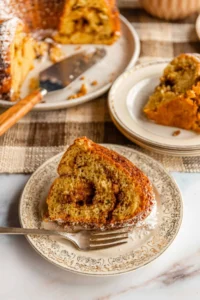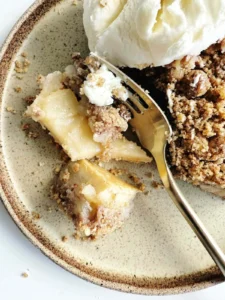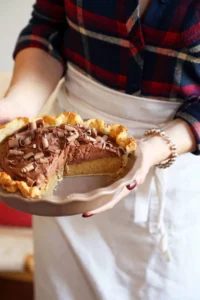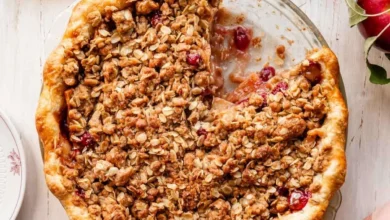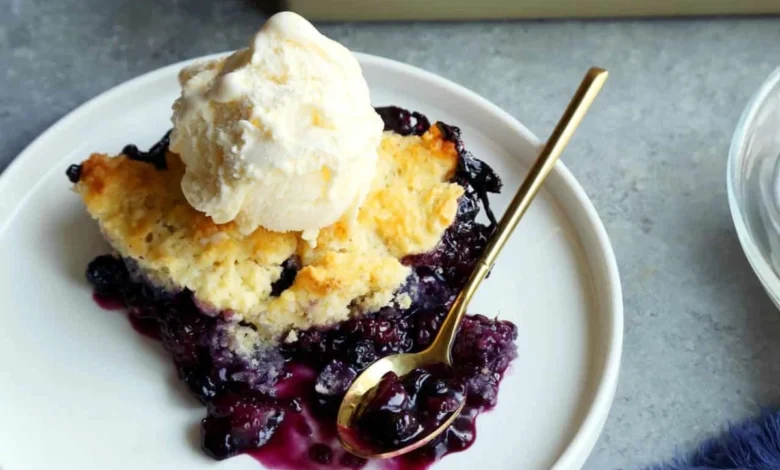
The arrival of the summer season dictates a fundamental shift in culinary practices, particularly within the domestic kitchen. As ambient temperatures rise, home cooks and professional bakers alike prioritize heat-mitigation strategies, leading to a surge in demand for no-bake alternatives, frozen confections, and desserts that leverage the seasonal abundance of produce. This transition away from intensive oven usage is not merely a matter of comfort but a logistical adaptation to the environmental realities of the months between June and September.
The Shift in Culinary Strategy
Historical data regarding home baking trends consistently indicates a significant decline in traditional oven-reliant baking during peak summer months. According to consumer behavior studies in the food sector, energy consumption for residential baking drops by approximately 25% during July and August in temperate climates. This shift is driven by the dual desire to avoid adding excess heat to living spaces and the physiological preference for lower-temperature, high-moisture foods.
The guiding principle of summer dessert preparation is simple: prioritize the quality of seasonal fruit and minimize the time spent near a heat source. Whether one is sourcing strawberries from a local farmers’ market or utilizing the peak harvest of stone fruits like peaches, the objective is to allow the natural sugars and acidity of the fruit to drive the flavor profile, rather than relying on complex, heat-intensive preparation methods.

Categorizing Summer Confections
Professional pastry consultants generally categorize summer desserts into three primary operational tiers:
- The No-Bake Tier: This includes icebox cakes, gelatin-based desserts, and layered parfaits. These are essential for days where high humidity and temperature preclude the use of conventional ovens.
- The Frozen Tier: This encompasses artisanal popsicles, churned ice creams, and frozen mousses. These provide an immediate cooling effect and allow for long-term storage, which is advantageous for managing large quantities of seasonal produce.
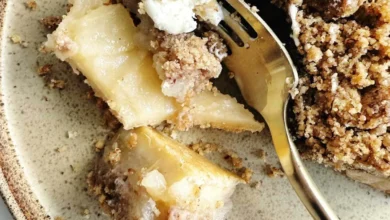
- The Simplified-Bake Tier: This includes sheet cakes and crumbles. These are designed for mass production with minimal labor, focusing on efficiency for social gatherings and large-scale hosting.
Chronology of Seasonal Produce
Understanding the timeline of agricultural availability is critical for effective seasonal menu planning. The early summer window, typically late May through June, is dominated by the emergence of strawberries and early-season cherries. The mid-summer period, spanning July, marks the peak of blueberry and raspberry harvests, while the late-summer window, extending into August and early September, is defined by the availability of stone fruits such as peaches, nectarines, and plums.

By aligning baking schedules with this agricultural calendar, bakers ensure maximum flavor density. For instance, recipes such as the Blueberry Cheesecake Ice Cream or the Peach and Raspberry Crumble are most successful when ingredients are sourced at their peak, reducing the need for added refined sugars.
Nutritional and Economic Implications
The economic impact of seasonal baking is notable. By utilizing local fruit during its harvest peak, households can reduce their reliance on expensive, imported out-of-season alternatives. Furthermore, the emphasis on "sheet cake" and "crowd-pleasing" desserts offers a cost-effective solution for large social events. A standard strawberry sheet cake, for example, requires significantly fewer high-cost ingredients than a multi-layered, butter-cream-heavy cake, while still providing a high-quality, crowd-appropriate result.

From a nutritional perspective, the shift toward fruit-forward desserts provides a lighter alternative to the dense, flour-heavy pastries associated with the winter season. Nutritionists often highlight that desserts featuring fresh berries offer a higher concentration of antioxidants and vitamins compared to traditional baked goods, provided the sugar content is appropriately moderated.
Industry Standards for Large-Scale Hosting
For those tasked with preparing desserts for large groups during summer, the primary challenge is stability. High-temperature events can compromise the structural integrity of butter-based frostings and delicate whipped creams. Consequently, culinary experts recommend the "Icebox Method."

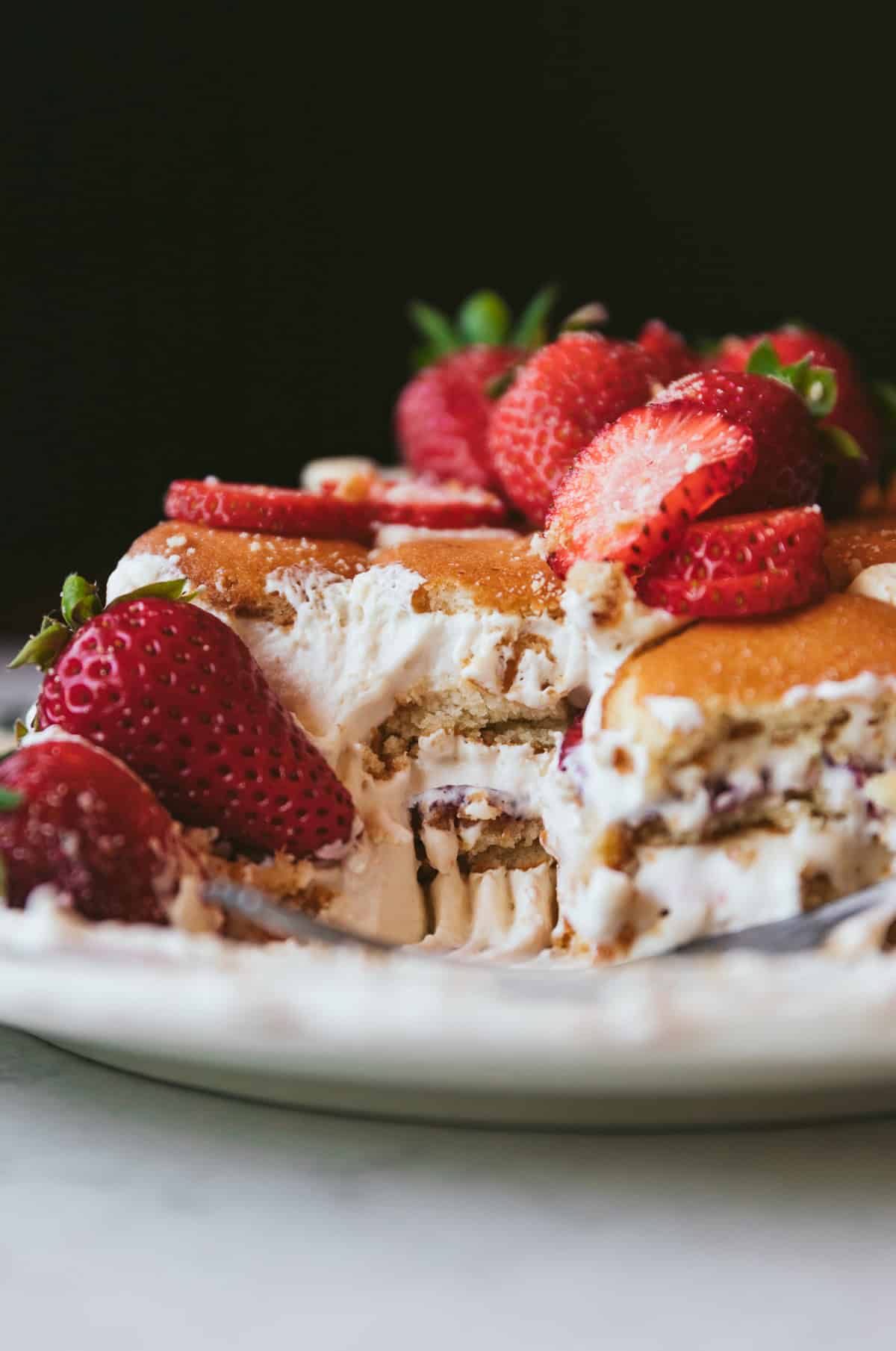
Icebox cakes—composed of layers of cookies or wafers, whipped cream, and fresh fruit—utilize refrigeration to soften the biscuits and firm the cream. This process not only provides a superior texture but also ensures the dessert remains stable during transport and serving, provided it is kept in a chilled environment until the final moment.
Frequently Asked Questions in Modern Baking
Recent inquiries from home bakers have highlighted several key areas of concern regarding summer baking:

- Logistics of Temperature Control: To maintain the freshness of desserts containing dairy, professionals recommend the use of insulated coolers with ice packs for transportation. Any dessert containing custard, fresh cream, or fruit fillings should never be left in direct sunlight or at room temperature for more than two hours.
- The Role of the Oven: While the "no-bake" philosophy is dominant, some ovens remain necessary for specific items like cobblers. To mitigate the heat, bakers are encouraged to use countertop convection ovens, which produce significantly less ambient heat than standard range ovens and are more energy-efficient.
- Optimal Fruit Preparation: A technique gaining popularity is the roasting of fruit—such as strawberries—prior to blending them into frozen mixtures. This concentrates the natural flavors and evaporates excess water, resulting in a deeper, more intense taste profile that is superior to using raw fruit in frozen applications.
Broader Implications for the Culinary Arts
The "summer dessert" phenomenon represents a broader trend in modern home cooking: the move toward flexible, intuitive, and efficient food preparation. As society moves away from rigid, multi-step baking recipes, there is a clear evolution toward "assembly-based" cooking. This does not imply a lack of skill; rather, it reflects a sophisticated understanding of ingredient chemistry and a prioritization of seasonality.
Ultimately, the best approach to summer dessert design is one of adaptability. Whether it is a simple, chilled lemon-drenched cake that improves in texture over 24 hours, or a complex, multi-layered icebox cake designed for a specific event, the focus remains on the marriage of fresh, local ingredients with cooling, efficient methods.

By adhering to these principles—timing the bake with the harvest, utilizing cold-based techniques, and prioritizing efficiency—home bakers can navigate the summer months with both culinary success and physical comfort. The integration of these strategies ensures that the heat of the season does not hinder the ability to provide high-quality, celebratory, and seasonal confections for friends, family, and the broader community. As the summer progresses, the key remains in the ingredients: let the fruit do the heavy lifting, keep the equipment cooling-focused, and ensure that every dish served is a reflection of the peak of the growing season.