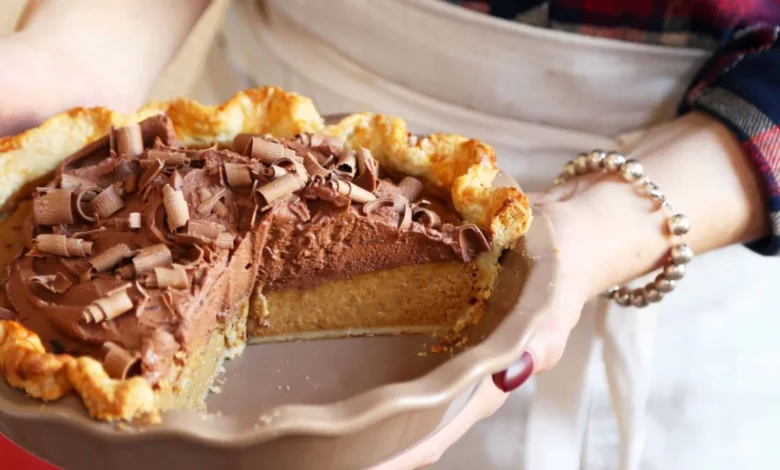
The arrival of autumn signals more than just a change in foliage; it marks the commencement of a multi-billion-dollar culinary phenomenon centered on the seasonal harvest of Cucurbita pepo, commonly known as the pumpkin. While traditional pumpkin pie remains the quintessential symbol of Thanksgiving and autumn festivities, a growing body of culinary research and consumer trend analysis suggests that home bakers are increasingly diversifying their repertoires. Modern baking trends reflect a shift toward high-utility, shareable, and format-varied desserts that extend the utility of pumpkin puree well beyond the traditional crust-based pastry.
The Evolution of Pumpkin Culinary Trends
The dominance of pumpkin as a seasonal flavor profile has been bolstered by the "Pumpkin Spice" phenomenon, which has expanded from its origin in coffee culture to a dominant force in retail and home baking. According to recent market analysis, the demand for pumpkin-flavored goods peaks annually between October and November, with consumer interest significantly diversifying into portable, single-serving, and non-traditional formats.
This trend is driven by the desire for efficiency in home preparation—particularly for large-scale gatherings—and a demand for texture variation. Culinary experts note that while pumpkin pie is a classic, its preparation is often labor-intensive, involving blind-baking crusts and managing delicate custard settings. Consequently, home bakers are migrating toward "sheet-style" desserts and bar formats, which offer higher yield-to-effort ratios.

Categorical Breakdown of Modern Pumpkin Baking
To accommodate the varying needs of home bakers, culinary professionals have categorized pumpkin recipes into functional groups: high-volume crowd pleasers, daily staples, and sophisticated, labor-intensive projects.
High-Volume Crowd Pleasers
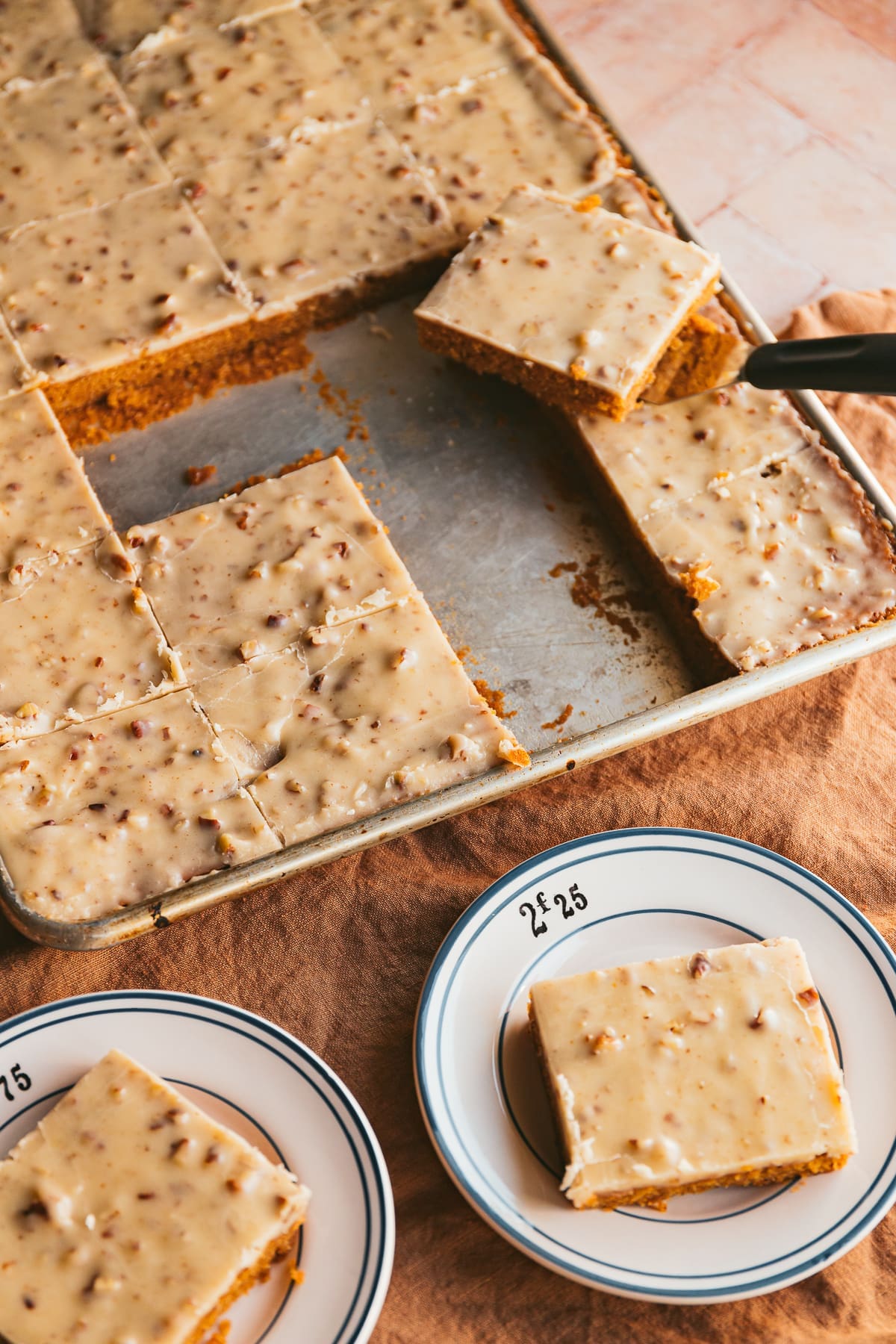
For events requiring significant portions, the Brown Butter Pumpkin Texas Sheet Cake has emerged as a preferred alternative to traditional cake rounds. The browning of butter introduces a complex, nutty depth that balances the inherent sweetness of the squash. Similarly, Creamy Pumpkin Pie Bars offer the flavor profile of a classic pie with a structurally superior base that allows for easy service in large groups. These recipes utilize standard industrial baking sheets, ensuring uniform cooling and simplified portion control.

Everyday Staples and Make-Ahead Solutions
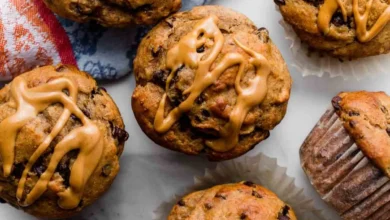
The inclusion of pumpkin into daily staples such as muffins and breads serves as a method for managing seasonal inventory. Pumpkin bread, in particular, possesses high hygroscopic properties, meaning it retains moisture for several days, making it an ideal candidate for meal planning. These items are frequently prepared in high quantities, catering to the "grab-and-go" culture of modern households.
Sophisticated and Innovative Applications
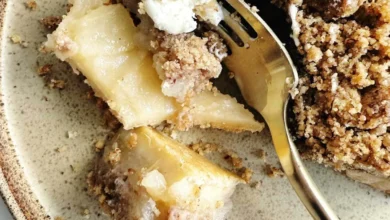
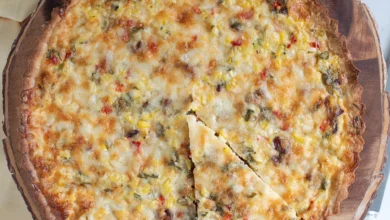
Beyond traditional baking, the integration of pumpkin into international dessert formats, such as the Italian-inspired Tiramisu, highlights the ingredient’s versatility. By substituting or augmenting the traditional mascarpone-coffee profile with spiced pumpkin, bakers can achieve a sophisticated, no-bake result that appeals to contemporary palettes. Furthermore, regional specialties like the Louisiana-style Tarte a la Bouillie demonstrate the cultural intersection of pumpkin with custard-based traditions, offering a departure from standard spice-forward recipes.

Chronology of the Pumpkin Harvest and Baking Season
The culinary calendar for pumpkin-based products is structured around three distinct phases:
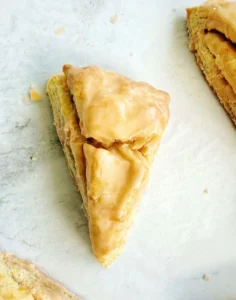
- The Preparatory Phase (Late August to September): Initial inquiries and retail availability of canned pumpkin puree rise. This period is dominated by muffins, scones, and early-season quick breads.
- The Peak Phase (October): Consumer interest shifts toward complex desserts. During this time, the emphasis is on testing new recipes, including the integration of maple, pecans, and specialized chocolates into standard pumpkin foundations.
- The Performance Phase (November): The focus consolidates around high-stakes baking, specifically for Thanksgiving. This period sees the highest volume of traditional pie production alongside supplementary desserts like bar cookies and festive showstoppers.
Statistical Context and Market Demand
Data from culinary industry reports indicate that while the "pumpkin spice" market remains saturated, the segment for "gourmet home-baked" pumpkin items is growing by approximately 4.2% annually. This growth is attributed to the "prosumer" baker—an individual who, influenced by social media and professional food blogging, seeks recipes that bridge the gap between simple home cooking and professional-grade presentation.

Furthermore, the nutritional profile of pumpkin—high in Vitamin A and fiber—is frequently cited by home bakers as a justification for the increased consumption of pumpkin-based desserts during the fall, providing a psychological buffer against the caloric density of sugar and fats used in the baking process.
Expert Insights on Texture and Flavor Balancing
Professional pastry chefs emphasize the importance of fat management when working with pumpkin. Because pumpkin puree contains a high percentage of water, the inclusion of fats such as brown butter or heavy cream is essential for creating a stable, palatable crumb.

"The key to elevating a pumpkin dessert is the intelligent use of complementary fats," notes a leading culinary consultant. "When you utilize browned butter, you are essentially introducing a Maillard reaction that provides a savory counterpoint to the pumpkin. It transforms the dessert from a simple sweet to a complex, aromatic experience."
Additionally, the use of spices—specifically cinnamon, nutmeg, ginger, and cloves—requires careful calibration. Recent trends show a shift toward "brighter" flavor profiles, where the addition of citrus zest or high-quality sea salt is used to cut through the heavy, earthy notes of the pumpkin, preventing the "cloying" sensation often associated with mass-produced seasonal items.

Broader Implications for Holiday Planning
The shift toward a diverse menu of pumpkin desserts carries significant implications for holiday event planning. Traditionally, a singular pie was sufficient to satisfy the requirements of a Thanksgiving dinner. However, contemporary culinary expectations now suggest that a host should provide a "dessert station" or a variety of textures.
This change reflects a broader cultural trend toward personalization. Providing options—such as a no-bake Tiramisu for those who prefer lighter textures, or a dense sheet cake for those seeking high-volume indulgence—allows hosts to cater to diverse dietary preferences and palate sensitivities.

Future Trends and Research
Looking forward, the sector is expected to see a rise in the use of heirloom pumpkin varieties in home baking, moving away from the standard "canned" varieties toward fresh-roasted, pureed squashes with higher sugar content and distinct flavor profiles. Research is also ongoing into the shelf-stability of pumpkin-based fats, which could lead to a new generation of "stable" pumpkin desserts that can be shipped or stored for longer durations.
As the season progresses, the iterative nature of home baking will likely result in a hybrid of traditional and avant-garde recipes. The continued publication of diverse, tested recipes provides a foundation for this evolution, ensuring that pumpkin remains a versatile and relevant component of the modern dessert landscape.

Ultimately, the popularity of pumpkin is not merely a seasonal fad, but a reflection of its versatility as a culinary canvas. Whether in the form of a classic, spice-laden bread or a sophisticated, multi-layered custard tart, the ingredient’s ability to anchor the autumn menu remains unparalleled. By embracing a variety of techniques—from browning butter to experimenting with no-bake assembly—home bakers can ensure that their contribution to the seasonal table remains both traditional in spirit and innovative in execution.