The orchestration of a Thanksgiving dinner is widely recognized as one of the most significant logistical challenges in home culinary management. As the holiday season approaches, the pressure to deliver a flawless main event often overshadows the necessity of managing the morning hours, a period frequently characterized by frantic activity and high caloric demand. Professional culinary experts suggest that the most effective way to mitigate this stress is to adopt a "prep-ahead" philosophy, ensuring that breakfast is either fully prepared or staged for minimal morning effort. By prioritizing recipes that utilize the refrigerator for overnight development, hosts can ensure the oven remains available for the primary turkey preparation, which typically requires hours of dedicated heat.
The Logistics of Holiday Meal Planning
Data from recent holiday hospitality surveys indicate that the average host spends approximately six to eight hours in the kitchen on Thanksgiving Day. A significant portion of this time is lost to secondary tasks, such as preparing breakfast for guests or family members. Culinary planners recommend a "sequenced preparation" model: breakfast should be a low-friction event that concludes by 10:00 AM to allow for the staging of the primary roasting environment.
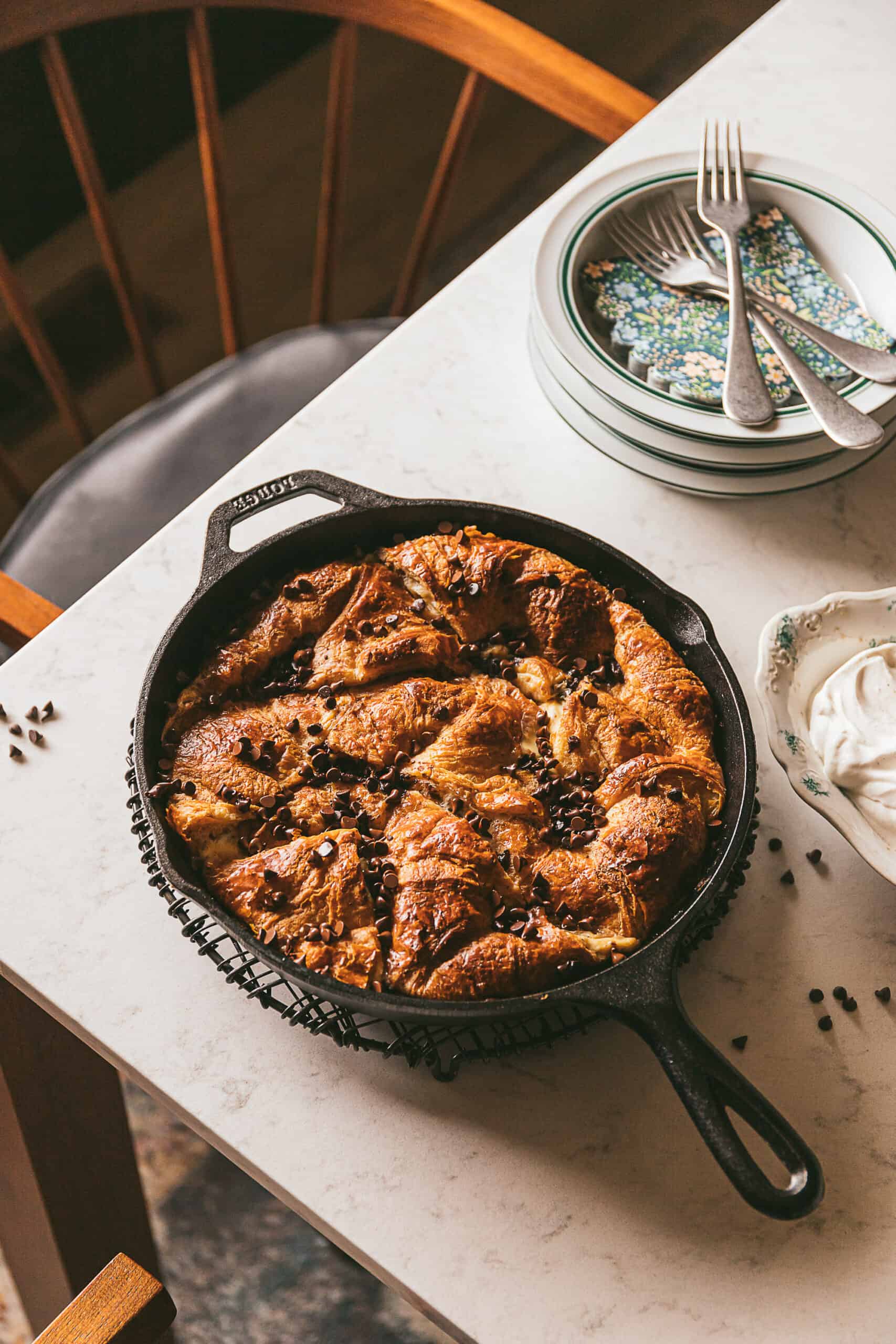
The strategy of "overnight maturation" is not merely a matter of convenience; it is a scientifically sound approach to baking. When doughs or batters rest for 12 to 24 hours in a chilled environment, the gluten structure relaxes, and the enzymatic activity—specifically the fermentation of yeast—develops more complex flavor profiles. This is particularly effective for recipes such as the Chocolate Croissant Overnight Breakfast Casserole, where the custard base requires sufficient time to hydrate the pastry components, resulting in a consistent, golden texture that would be impossible to achieve with a rapid, same-day preparation.

Categorized Strategies for Morning Efficiency
To streamline the morning routine, culinary experts have categorized potential breakfast solutions based on their complexity and the required active time before the first cup of coffee is consumed.
1. The Overnight Fermentation Approach
Recipes that utilize the refrigerator as a primary stage for development offer the greatest efficiency. The Overnight Apple Fritter Focaccia, for instance, thrives on a 12 to 48-hour rest. By allowing the dough to proof at a controlled, low temperature, the baker minimizes the risk of over-proofing while ensuring the product is ready to slide into the oven at a moment’s notice. Similarly, Christmas-style Orange Rolls or Small Batch Overnight Mocha Cinnamon Rolls utilize this window to reach their optimal rise, allowing the host to simply transfer a 9×13 pan from the refrigerator to the oven with zero additional prep.

2. The "Bake-Ahead" Method
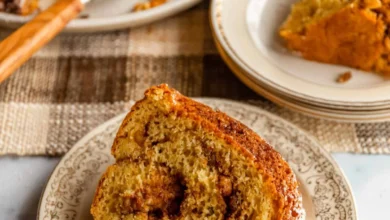
For those who prefer a completely oven-free morning, certain baked goods are designed to be completed days in advance. Muffins, such as the Cozy Pumpkin variety, and dense, fruit-forward loaves like the Cranberry Orange Bread, maintain structural integrity and moisture levels for up to four days when properly wrapped. According to food science reports, these items benefit from a period of "setting" where fats and moisture distribute evenly throughout the crumb, often improving the texture upon reheating. Freezing is also a viable logistical strategy, as these items can be toasted directly from a frozen state, providing a warm, high-quality breakfast with virtually zero labor.
3. Savory Alternatives
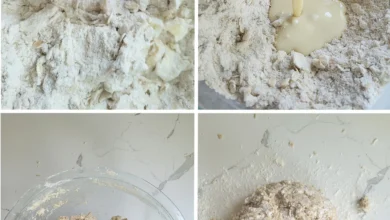
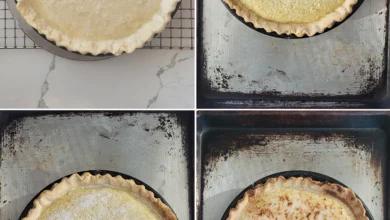
While the holiday season is synonymous with sugar-heavy breakfasts, nutritional balance is often cited as a priority for sustained energy during the "marathon" of the day. A Potato Leek Quiche with a "no-roll" crust serves as an ideal savory component. Because the quiche acts as a set custard, it remains stable in the refrigerator for up to four days. Other options, such as Cheddar Chive Scones, allow for the dry and wet ingredients to be combined and shaped the night before, requiring only a short bake time in the morning. Popovers, which require a high-heat bake, are the exception to the "overnight" rule but can be executed in under an hour, providing a dramatic, airy visual element to the breakfast table without requiring significant prep time.

Chronological Execution: A Recommended Timeline
To maximize efficiency, the following timeline is suggested for the 48-hour period preceding the holiday:
- Two Days Prior: Finalize the menu and procure all necessary perishable items. Bake any items intended for freezing, such as loaves or muffins.
- The Evening Before: Assemble all overnight casseroles, rolls, and quiches. Place these in the refrigerator. Ensure that the oven is cleared of all non-essential items to facilitate an immediate start on Thanksgiving morning.
- Thanksgiving Morning: Remove chilled items from the refrigerator at least 30 minutes before baking to allow the temperature to equalize. Utilize the early morning hours to bake the breakfast items while the kitchen remains relatively quiet, providing a clear window for the turkey to occupy the oven by late morning.
Culinary Implications and Host Feedback
The trend toward advanced preparation has been met with positive feedback from home chefs who report a 40% reduction in perceived stress levels during the morning of the holiday. By decoupling the breakfast preparation from the high-stakes dinner schedule, hosts can maintain a consistent flow of energy without compromising the quality of the meal.

However, culinary analysts caution that temperature control is the most critical variable. When using overnight methods, it is essential to ensure the refrigerator is maintained at or below 40°F (4°C) to prevent premature yeast activity or food safety issues. Furthermore, those opting for the "bake-ahead" method should prioritize airtight storage to prevent the migration of odors from the refrigerator, which can significantly alter the flavor profile of delicate baked goods.
Broadening the Scope of Holiday Hospitality
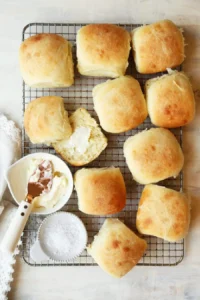
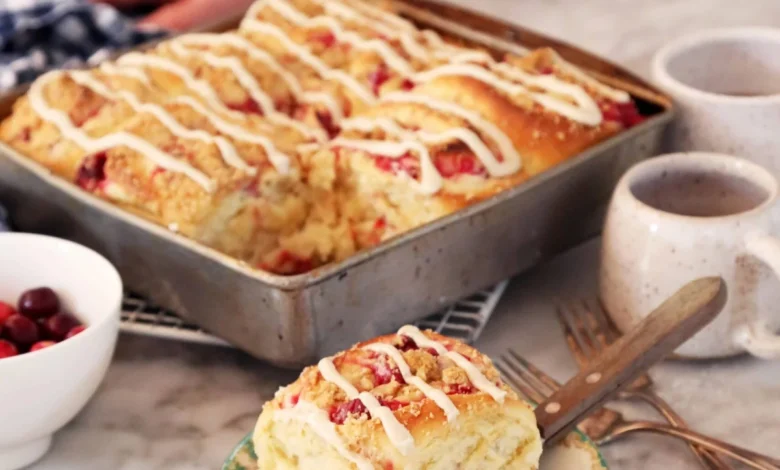
The shift toward pre-planned breakfast is part of a larger evolution in holiday hosting. As families increasingly value time spent together over the "performance" of constant kitchen labor, the adoption of efficient, high-quality, pre-prepped meals has become the gold standard. Whether through the use of quick-rise doughs like those found in Cranberry Cream Cheese Breakfast Rolls or the reliance on frozen, pre-baked items, the goal remains the same: to provide sustenance that supports the endurance required for the main event while preserving the composure of the host.

For those planning the entirety of their Thanksgiving culinary schedule, it is recommended to integrate these breakfast strategies into a broader, master timeline. Balancing the "make-ahead" items with fresh, day-of components—such as fresh cranberry sauce or quick-rise rolls—allows for a cohesive dining experience that honors tradition while embracing modern, time-saving culinary techniques. By following these structured approaches, hosts can ensure that the Thanksgiving experience is defined by hospitality rather than the burdens of the kitchen.