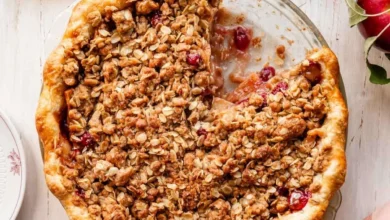
The Evolution of a Modern Classic: How a South Minneapolis Coffeehouse Staple Became the Ultimate Holiday Pecan Streusel Pear Tart

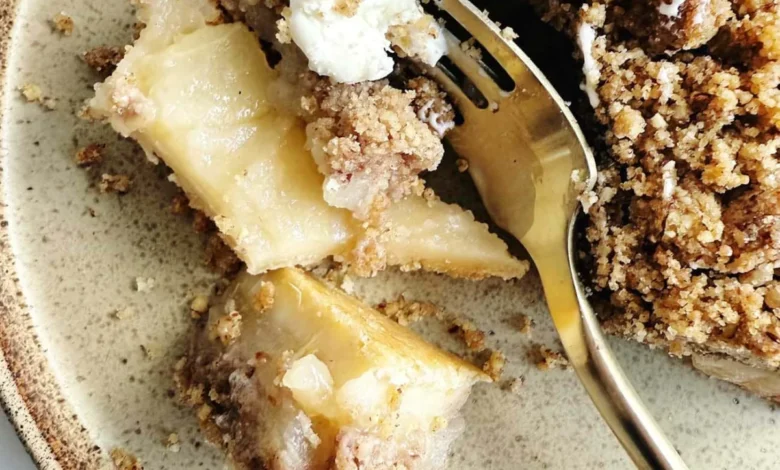
The culinary landscape of the American Midwest has long been shaped by community-driven neighborhood bakeries, independent coffeehouses, and the quiet, incremental refinement of traditional baking techniques. Among the enduring recipes born from this vibrant regional coffeehouse culture of the early 2000s is a seasonal tart that has spent more than two decades evolving from a commercial bakery staple into a celebrated home-baking tradition. Originally conceptualized in the bustling kitchens of a South Minneapolis coffee shop, this dessert has officially transitioned into a fixture of autumn and holiday tables nationwide, capturing the attention of professional bakers and home cooks alike.
Roots in the Twin Cities Coffeehouse Scene
The genesis of this iconic autumn dessert traces back to the early 2000s, an era when independent coffeehouses served not merely as caffeine dispensaries, but as vital neighborhood hubs and incubators for artisanal food production. At the time, specialty coffee culture was experiencing a rapid expansion, accompanied by a growing consumer demand for scratch-made, locally produced pastries that stood in stark contrast to mass-market commercial baked goods.
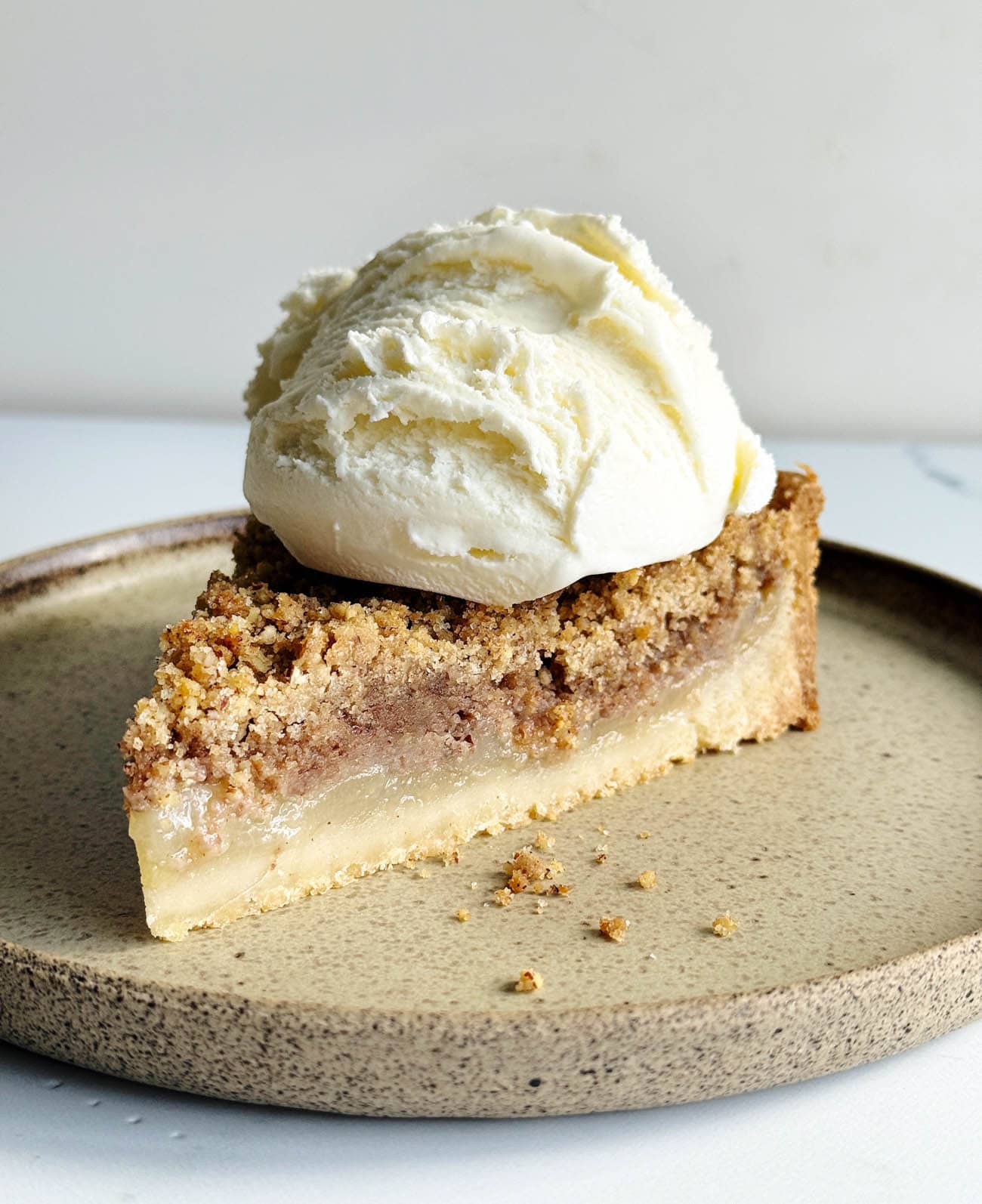
Working within this dynamic environment, pastry artisans were tasked with creating items that were both efficient to produce on a commercial scale and sophisticated enough to satisfy discerning palates. The foundational concept for the tart originated from a classic streusel-topped recipe featured in the landmark culinary reference work, Joy of Cooking, specifically drawing inspiration from its dedicated volume, All About Pies & Tarts.
Bakers adapted the cookbook’s timeless principles to fit the fast-paced workflow of a high-volume coffeehouse kitchen. As the recipe’s primary creator moved between different baking establishments across the Twin Cities, the tart traveled with them, quietly building a dedicated following among regular patrons. Over the subsequent two decades, what began as a pragmatic menu offering underwent a meticulous, iterative refinement process.
Two Decades of Culinary Iteration and Refinement
The evolution of the recipe over twenty years reflects a broader shift in modern baking toward accessibility paired with elevated flavor profiles. Culinary professionals often emphasize that classic recipes must adapt to contemporary kitchens without losing their foundational integrity.
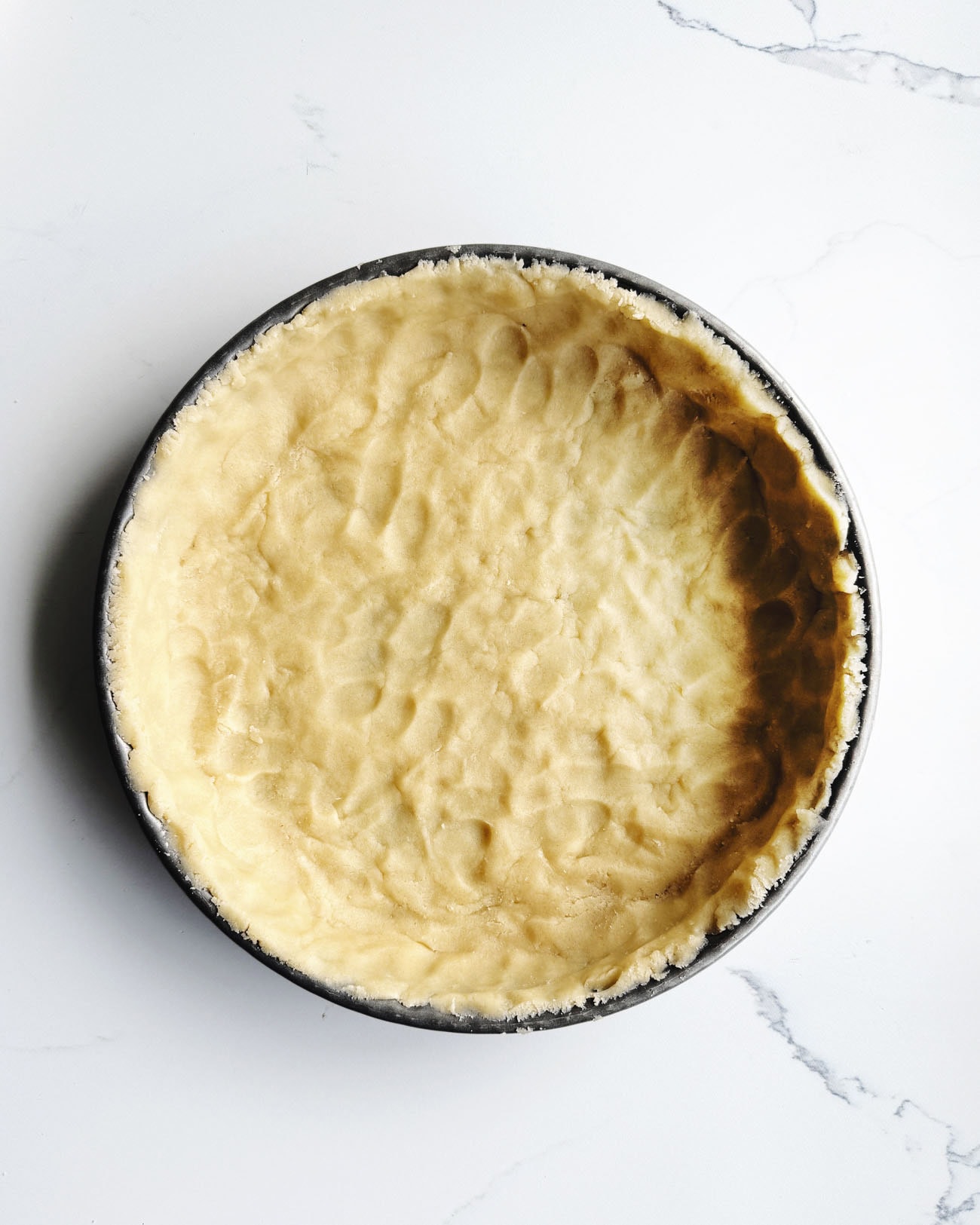
One of the most significant structural modifications made to the original cookbook formula was the adoption of a pat-in-the-pan crust. Traditional rolled pastry crusts, while revered for their flaky texture, require precise temperature control, significant labor time, and specialized equipment that can intimidate novice home bakers. By developing a forgiving, press-in dough formulation, the recipe eliminated traditional structural barriers to entry. Professional test kitchen notes highlight that this specific crust is remarkably resilient; minor tears or imperfections during assembly can be easily patched without compromising the final baked product’s structural integrity or aesthetic appeal.
Concurrently, the filling underwent a series of flavor enhancements. While traditional fruit tarts often rely heavily on sugar and basic fruit starch, this iteration introduced freshly squeezed lemon juice to brighten the natural acidity of the fruit, a touch of pure vanilla extract to deepen the aromatic complexity, and freshly grated nutmeg to impart a warming, seasonal spice note that complements the core ingredients.
Key Technical Considerations and Baking Methodology
Achieving consistent
results with fruit-based tarts requires strict adherence to procedural baking science. Culinary testing of the pear streusel tart has established several critical benchmarks for home and professional execution.
The selection of the primary fruit component is paramount. Culinary testing consistently demonstrates that Bartlett pears outperform alternative pear varieties within this specific formulation. Unlike firmer or more fibrous pears, Bartlett varieties possess the unique biochemical property of breaking down into a supremely juicy consistency during the baking process, preventing the interior of the tart from becoming dry or overly dense. Furthermore, the ripeness of the fruit directly dictates baking time; riper pears release moisture more readily, occasionally extending total oven exposure. Bakers are advised to monitor the tart visually until the fruit filling achieves a vigorous, continuous bubble, signaling that the starches have fully gelatinized and excess moisture has been adequately reduced.
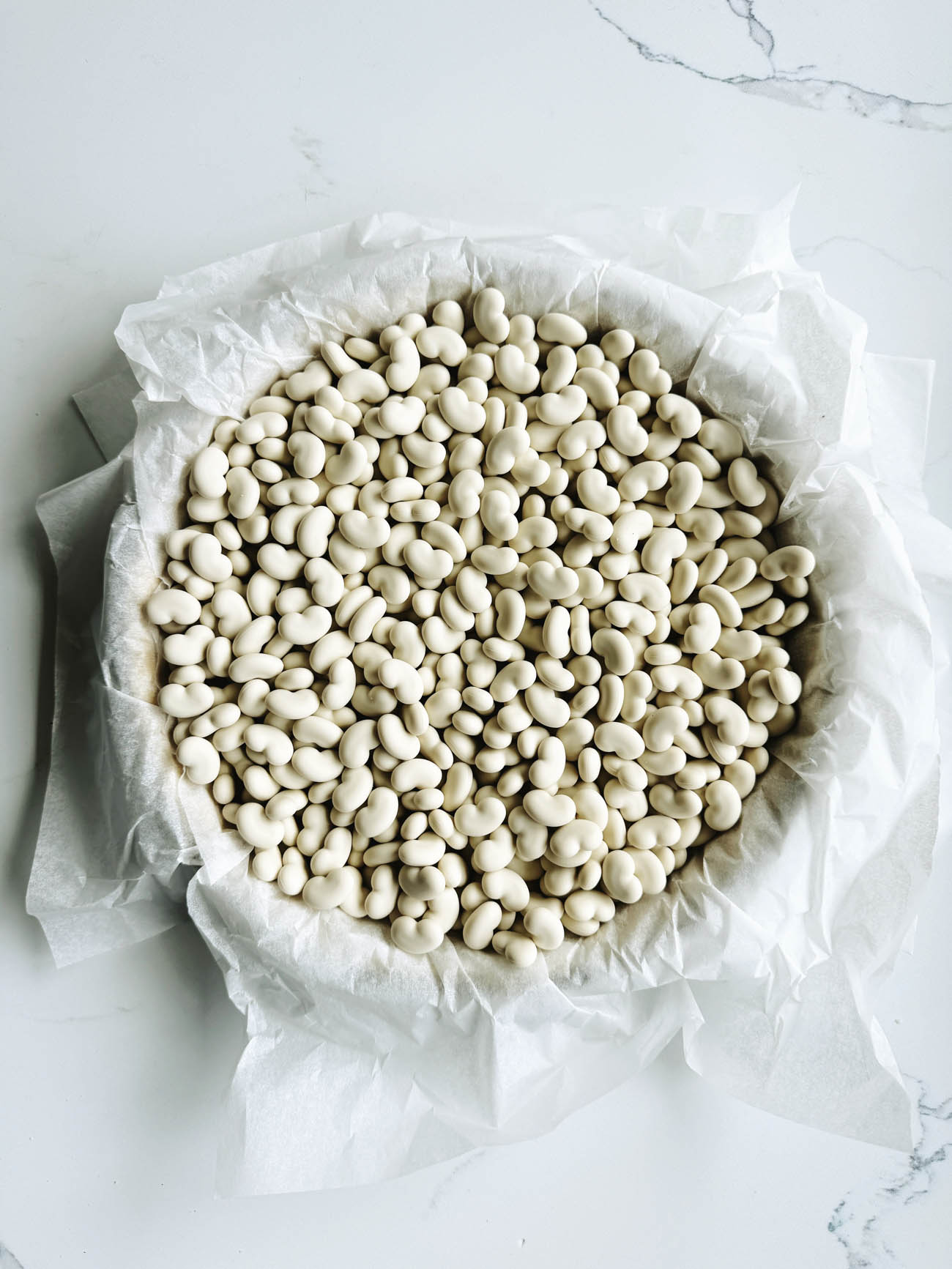
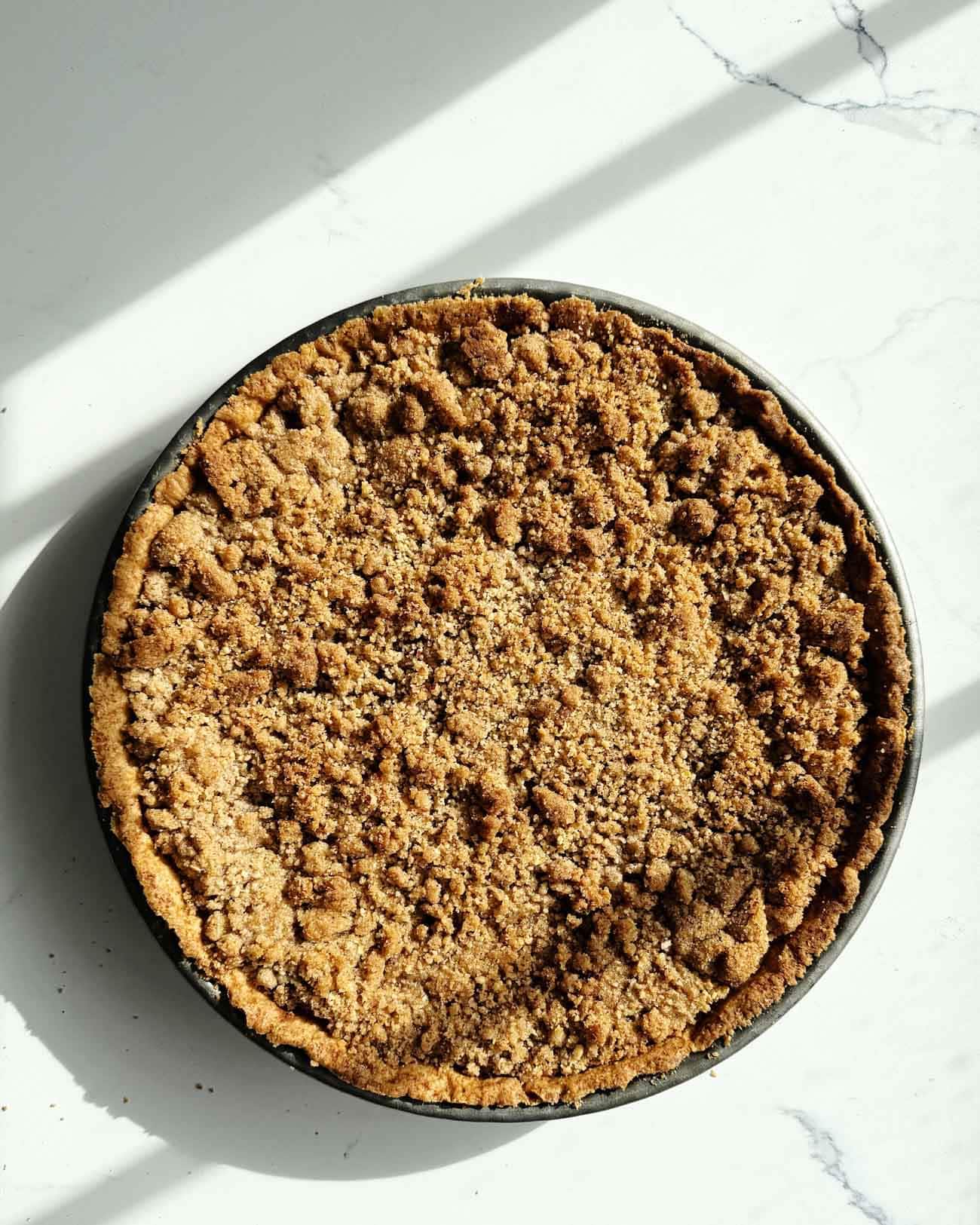
Another vital technical requirement is the blind-baking phase of the pastry crust. Without pre-baking the dough, the moisture from the heavy pear filling and butter-laden streusel would prevent the bottom crust from cooking thoroughly, resulting in a soggy texture and unwanted shrinkage along the tart pan walls. Modern culinary innovations, such as reusable, dishwasher-safe silicone baking beans developed by prominent pastry chef Erin McDowell, have simplified this process. These modern tools distribute weight evenly across the dough lining during the initial high-heat bake, ensuring a crisp, golden-brown foundation capable of supporting a rich, heavy cargo of fruit and nuts.
Seasonal Integration and Holiday Implications
As autumn transitions into the winter holiday season—spanning Thanksgiving, Hanukkah, Christmas, and New Year celebrations—culinary preferences shift toward comforting, spice-forward desserts that offer textural contrast. The pear streusel tart occupies a unique space in this seasonal matrix, serving as an sophisticated alternative to traditional pumpkin and apple pies.
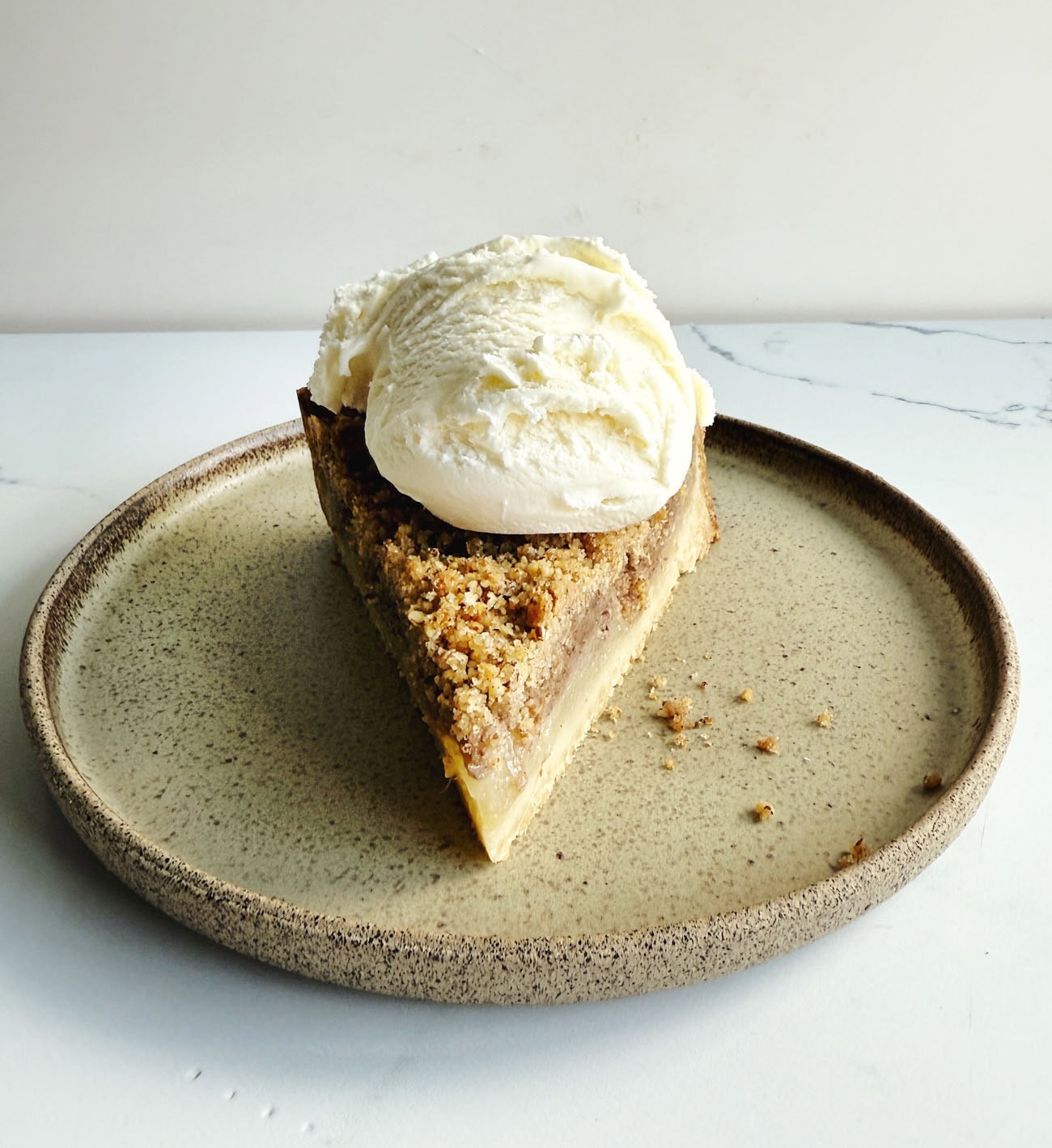
From a nutritional and sensory perspective, the integration of a pecan streusel topping provides a necessary textural counterweight to the soft, yielding texture of the baked Bartlett pears. Nuts such as pecans contribute healthy monounsaturated fats, protein, and dietary fiber, while adding a toasted, earthy crunch that balances the natural sweetness of the fruit filling.
Food historians note that the enduring popularity of such regional coffeehouse recipes underscores a broader psychological trend among consumers: a growing preference for foods with a demonstrable lineage, authentic backstories, and human connections. In an age dominated by algorithmically generated food trends and transient social media recipes, a dessert with a verified twenty-year history rooted in neighborhood Twin Cities bakeries offers a sense of culinary permanence.
Broader Economic and Cultural Impact of Regional Baking Traditions
The journey of this recipe from a localized Twin Cities coffee shop to a widely published seasonal standard illustrates the significant economic and cultural contributions of independent bakeries to American foodways. While large-scale commercial food manufacturers rely on centralized production and standardized corporate recipes, the true innovation in American baking frequently occurs at the micro-level—within the small-batch ovens of local enterprises.
Independent coffeehouses and neighborhood bakeries serve as real-time testing laboratories where professional bakers experiment with flavor combinations, ingredient sourcing, and process efficiencies. When recipes like the pecan streusel pear tart are successfully translated for home bakers through food journalism and digital platforms, they democratize advanced pastry techniques. Home cooks gain confidence in executing complex procedures—such as blind baking, streusel balancing, and fruit selection—thereby elevating the standard of home-cooked meals during major cultural holidays.
Ultimately, the enduring success of this South Minneapolis staple demonstrates that great recipes are living documents. Through decades of careful tinkering, thoughtful ingredient selection, and respect for foundational techniques, a simple coffeehouse pastry has transformed into a timeless holiday tradition, securing its place in the permanent canon of American comfort baking.