Spring Pea Panna Cotta Salad: A Modernist Approach to Seasonal Gastronomy

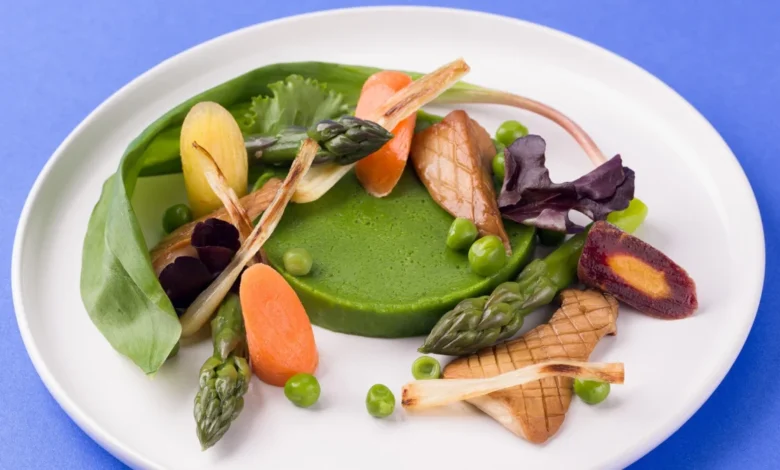
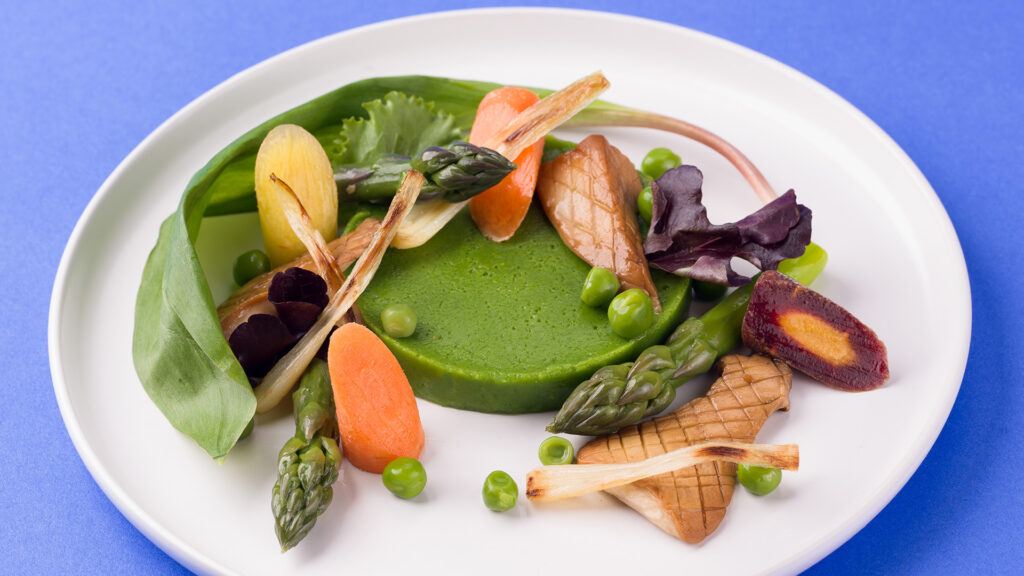
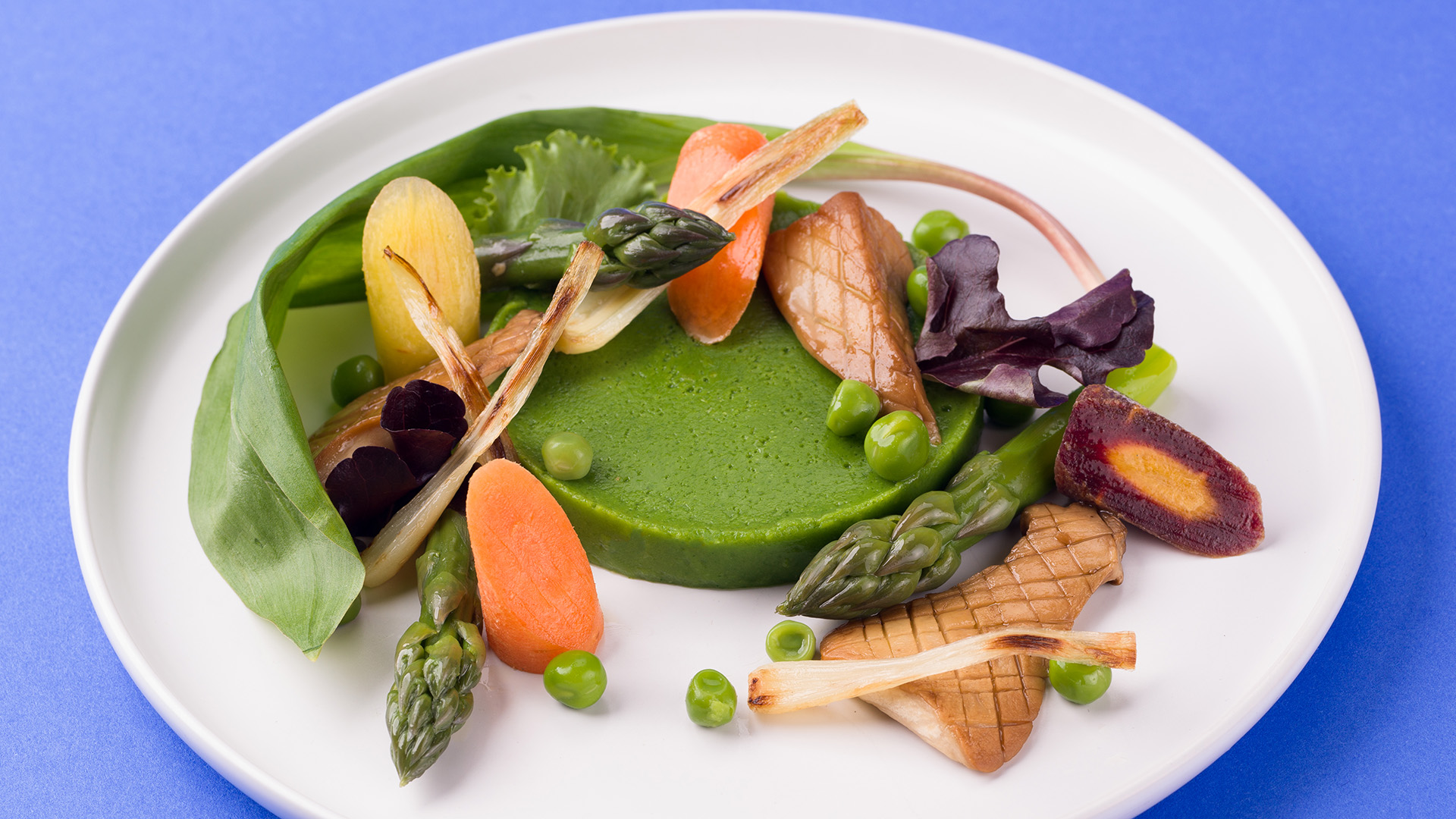
The emergence of the Spring Pea Panna Cotta Salad represents a significant evolution in contemporary plant-based culinary techniques, blending traditional Italian dessert structures with the savory complexity of seasonal produce. This dish, which has gained traction in high-end culinary circles throughout early 2025, challenges the conventional definition of a salad by utilizing a savory, agar-based panna cotta as the foundational element rather than a base of leafy greens. The composition focuses on the intersection of texture, temperature, and botanical flavor profiles, signaling a broader shift toward modernist techniques in home and professional kitchens alike.
Culinary Background and the Evolution of Modernist Salads
Modernist cuisine, often characterized by the application of scientific principles to food preparation, has historically focused on dessert applications—most notably with panna cotta, a northern Italian specialty traditionally made with heavy cream and gelatin. By substituting dairy with plant-based alternatives and incorporating fresh legume purées, chefs have successfully transitioned the dish into the appetizer category.
The history of the panna cotta dates back to the early 20th century in the Piedmont region of Italy. However, it was not until the late 1990s and early 2000s that the global culinary community began experimenting with savory variations. The incorporation of spring peas—a staple of temperate agricultural zones during the April-to-June harvest window—provides a natural sweetness and vibrant color profile that appeals to current consumer preferences for hyper-seasonal dining.
Technical Specifications and Preparation Requirements
The preparation of a Spring Pea Panna Cotta Salad is categorized as "Easy" by industry standards, though it requires a significant time investment to achieve the desired structural integrity. The active preparation phase typically spans one hour, while the total time, accounting for the setting process, reaches six hours. This extended duration is necessary for the hydrocolloids (such as agar-agar or carrageenan) to stabilize the emulsion of pea purée and plant-based milk.
The equipment required for this process generally includes:
- High-speed liquidizers or immersion blenders to achieve a silken texture.
- Precision digital scales for accurate measurement of thickening agents.
- Molds or ring forms to establish the aesthetic presentation.
- Fine-mesh sieves to ensure the removal of fibrous plant material, ensuring a smooth mouthfeel.
From a nutritional standpoint, this dish serves as a dense concentration of vitamins A, C, and K, alongside plant-based proteins derived from the peas. Unlike traditional salads that rely on bulk volume, this modernist approach prioritizes nutrient density and caloric efficiency, appealing to a segment of the population increasingly interested in "functional" food presentation.
Chronology of the Seasonal Culinary Trend
The movement toward "non-leafy" salads began to accelerate in early 2024 as chefs sought to reduce food waste by utilizing more parts of the vegetable—including stems, stalks, and pods. The Spring Pea Panna Cotta Salad became a centerpiece of this trend during the 2025 spring season.
- January 2025: Initial recipe testing begins in modernist culinary labs, focusing on the stability of plant-based milks when paired with high-acid pea purées.
- March 2025: Early iterations appear in urban restaurant menus in major culinary hubs, such as London, New York, and Copenhagen.
- May 2025: The recipe gains widespread visibility through digital food platforms and culinary blogs, marking the peak of the seasonal transition.
- June 2025: Predicted decline in popularity as the harvest window for fresh, sweet peas closes, shifting the focus to summer crops like tomatoes and stone fruits.
Industry Analysis: Why Texture Matters
Food scientists argue that the success of this dish lies in its "contrast-heavy" composition. In the culinary industry, "mouthfeel" is considered as vital as taste. By pairing the dense, velvety texture of the panna cotta with the "snap" of fresh asparagus and the earthy, chewable texture of sautéed mushrooms, the dish provides a comprehensive sensory experience.
Market data from the specialty food sector indicates a 14% increase in consumer interest regarding "textural diversity" in dining. This trend is largely driven by younger demographics who prioritize the "Instagrammability" and structural novelty of their meals. The Spring Pea Panna Cotta Salad perfectly captures this, as it allows for precise, geometric plating that is impossible to achieve with traditional, wilt-prone lettuce-based salads.
Official Responses and Culinary Critic Perspectives
Critics within the gastronomy sector have praised the dish for its ability to elevate humble ingredients. "It is a rare instance where the technical requirements of the dish actually enhance the inherent flavor of the vegetable," notes a leading food critic for the Culinary Review Journal. "By processing the peas into a panna cotta, you are essentially capturing the peak essence of spring in a stable, transportable, and visually striking format."
However, some traditionalists argue that the reliance on lab-grade hydrocolloids to achieve the set removes the dish from the "natural" aesthetic of a garden salad. This debate underscores the ongoing friction between the "farm-to-table" movement, which emphasizes minimal intervention, and the "modernist" movement, which views the kitchen as a laboratory for maximizing the potential of organic matter.
Broader Impact on Home Cooking
The democratization of this dish is a direct result of the availability of professional-grade ingredients, such as high-purity agar and emulsifiers, in the consumer market. A decade ago, a dish of this complexity would have been restricted to professional kitchens. Today, the availability of specialized modernist kits has allowed home cooks to experiment with the science of gelling and emulsification.
The economic implications for the agricultural sector are also notable. As recipes like the Spring Pea Panna Cotta Salad become more common, there is an increased demand for high-quality, garden-fresh produce that has not been subjected to the long-haul shipping that degrades the sweetness of peas. This encourages local procurement and supports smaller, regional farming operations that can provide the product within 48 hours of harvest.
Environmental Considerations and Sustainability
From a sustainability perspective, the vegan nature of the dish offers a lower carbon footprint compared to traditional dairy-based panna cotta. Plant-based milks, such as almond, oat, or soy, require significantly less water and land usage than cow’s milk. Furthermore, the focus on seasonal, local vegetables reduces the dependency on imported produce, further lowering the total environmental impact of the meal.
The use of peas as a primary ingredient is also environmentally advantageous. Peas are nitrogen-fixing plants, meaning they naturally improve soil health by pulling nitrogen from the air and fixing it into the earth, which reduces the need for synthetic fertilizers for subsequent crop rotations. Thus, the popularity of a dish like the Spring Pea Panna Cotta Salad indirectly supports more regenerative agricultural practices.
Conclusion: The Future of the Composed Salad
The Spring Pea Panna Cotta Salad is more than a fleeting seasonal fad; it is a testament to the maturation of the modernist food movement. It demonstrates that the future of dining lies in the fusion of scientific precision and agricultural respect. By stripping away the expectation of a leafy green base, the dish forces the consumer to re-evaluate their relationship with texture and flavor, proving that a salad can be both an intellectual exercise and a satisfying meal.
As we look toward the remainder of the 2025 season, the influence of this dish is likely to ripple into other areas of the culinary world. We may expect to see similar panna cotta-style applications using other seasonal vegetables, such as roasted corn in the summer or butternut squash in the autumn. The success of the pea-based model has provided a blueprint for chefs and home cooks alike to continue exploring the boundaries of what a "salad" can be, ensuring that innovation remains a constant presence at the modern dining table. Through careful preparation and a commitment to quality ingredients, the Spring Pea Panna Cotta Salad remains a benchmark for the current era of sophisticated, ingredient-forward gastronomy.