The arrival of the annual strawberry harvest triggers a distinct period in the culinary calendar, characterized by a brief, high-intensity window where the fruit reaches its optimal flavor profile. For home bakers and professional pastry chefs alike, this seasonal peak—typically spanning from late spring through mid-summer—represents a critical timeframe to leverage the natural sweetness and acidity of fresh berries. As local markets become saturated with high-quality produce, interest in diverse preparation methods, ranging from traditional baking to modern no-bake techniques, increases significantly.
The Seasonal Context of Strawberry Cultivation
Strawberry season is geographically dependent, but in many temperate climates, the harvest begins in earnest when temperatures consistently climb above 60 degrees Fahrenheit. According to data from the U.S. Department of Agriculture (USDA), strawberries are among the most consumed fruits globally, with the peak domestic supply in the United States occurring between April and July. This influx of supply creates a surplus that encourages consumers to look for preservation and utilization strategies, such as incorporating the fruit into pies, cakes, and chilled desserts.
The economic impact of this season is notable, as farmer’s markets see a marked increase in foot traffic during the peak weeks. For many consumers, the purchase of large quantities of strawberries—often exceeding standard household consumption rates—necessitates the adoption of recipes that maximize the fruit’s shelf life through processing, such as maceration or baking.

Technical Approaches to Strawberry Preparation
Culinary experts emphasize that the handling of strawberries is paramount to the success of any dessert. Because strawberries have a high water content, they can easily turn a pastry soggy if not handled with specific techniques.
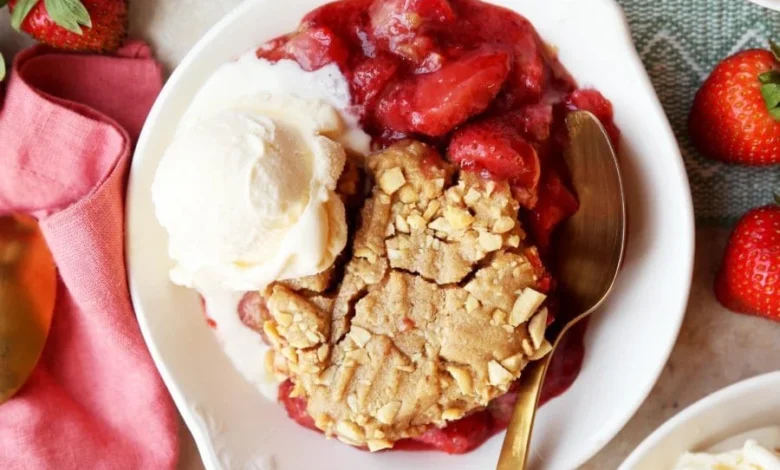
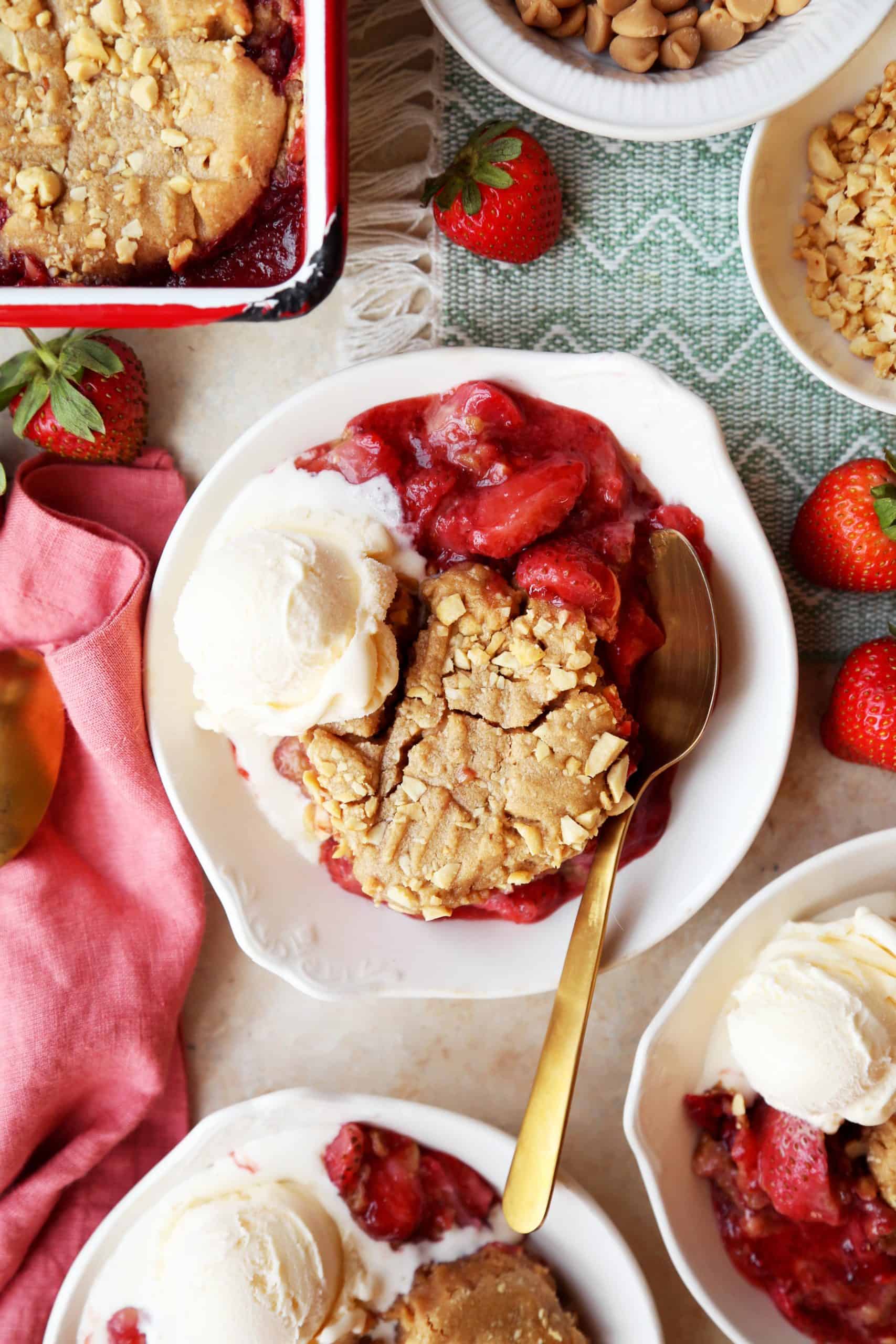
- Pies and Cobblers: Traditional methods involve thickening the juices released by the fruit during the heating process. Common thickeners include cornstarch, tapioca, or flour. A crumble topping, often consisting of oats, butter, and sugar, serves a dual purpose: it provides textural contrast and helps absorb excess moisture, preventing the "soggy bottom" phenomenon frequently cited in baking literature.
- Shortcakes: The classic strawberry shortcake relies on the contrast between the acidity of the berries and the fat content of the biscuit. Historically, these biscuits were dense, but modern culinary trends favor a tender, flaky crumb achieved through cold-butter lamination, similar to croissant-making techniques.
- No-Bake Desserts: The rise in popularity of no-bake desserts, such as icebox cakes and Eton mess, reflects a broader trend toward convenience. These desserts utilize the moisture from the berries to soften layers of cookies or wafers, creating a cohesive texture without requiring an oven.
Categorization of Culinary Applications
To effectively manage the seasonal surplus, professional kitchens and home bakers categorize strawberry desserts by their technical requirements and storage capabilities.

Baked Goods: Pies and Sheet Cakes
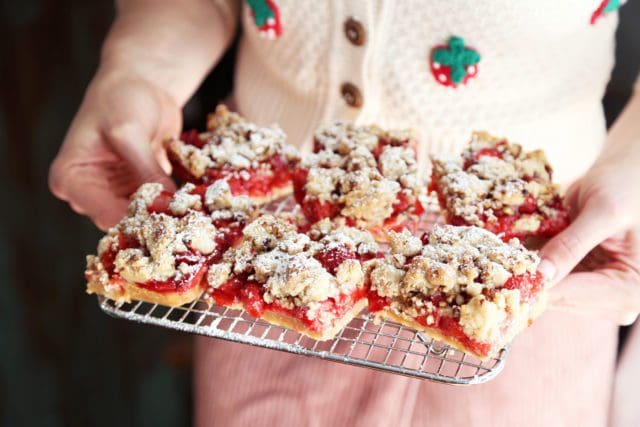
Baked strawberry desserts are defined by the transformation of the fruit’s sugars through caramelization. The Strawberry Crumble Pie remains a staple of summer menus due to its reliability. Research into pastry science indicates that the interaction between the bubbling fruit juices and the fat in the crumble topping creates a stable, jam-like consistency that is structurally sound.
Sheet cakes, by contrast, are favored for large-scale gatherings. By utilizing high-capacity baking vessels, bakers can feed dozens of guests efficiently. Incorporating ingredients like sour cream or yogurt into the batter adds moisture, which balances the high sugar content of the fruit and frosting.

Cold-Prep and No-Bake Techniques
For those looking to avoid heat, no-bake options offer a scientific alternative. The Strawberry Malt Icebox Cake, for instance, relies on the osmotic pressure of the malted whipped cream to draw moisture out of the berries and into the surrounding layers, softening cookies or biscuits into a cake-like structure over an 8- to 24-hour period. This process is a classic example of food science applied to home cooking.
The Role of Freeze-Dried Strawberries in Year-Round Baking
While fresh fruit is the standard during the summer months, the culinary industry has increasingly adopted freeze-dried strawberries for off-season applications. Freeze-drying removes nearly all moisture while retaining the fruit’s cellular structure and flavor profile.
From a technical standpoint, freeze-dried berries are superior for cookies and meringues where moisture control is critical. Introducing fresh strawberries into a sugar cookie dough would result in a gummy, unstable product; however, pulverized freeze-dried strawberries provide an intense flavor burst without compromising the structural integrity of the dough. This ingredient has become a staple for pastry chefs developing recipes that require consistent strawberry flavor regardless of the calendar date.
Consumer Trends and Nutritional Considerations
Recent market analysis suggests a growing consumer preference for desserts that prioritize fresh, whole-food ingredients over artificial flavorings. This aligns with the "farm-to-table" movement, which emphasizes the quality of produce harvested at peak ripeness.
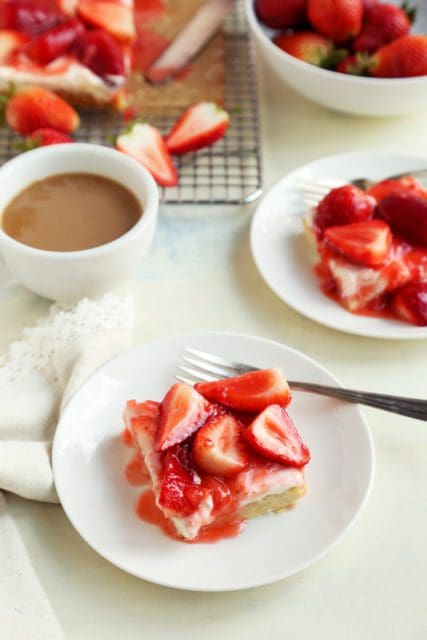
Nutritionists often note that while desserts remain high in caloric density, incorporating fresh strawberries provides a marginal increase in vitamin C and antioxidant intake. However, the primary driver for these recipes remains sensory satisfaction. The acidity of the strawberry acts as a palate cleanser, cutting through the richness of heavy creams and butter-laden crusts, which explains the enduring popularity of the strawberry-cream pairing.
Chronology of a Successful Baking Project
For those planning to execute a complex strawberry dessert, the following timeline is often recommended by culinary professionals:

- T-minus 48 Hours: Source the berries. Look for deep red color throughout the berry and ensure the green calyx is fresh and vibrant.
- T-minus 24 Hours: If using a recipe that requires moisture absorption (like an icebox cake), perform the initial assembly. Store in a controlled, refrigerated environment.
- T-minus 2 Hours: If baking, bring all room-temperature ingredients (eggs, butter, dairy) to the proper temperature to ensure a stable emulsion in the batter.
- T-zero: Allow the final product to set or cool completely. Cutting into a warm pie or cake often results in structural failure; patience at this stage is considered as important as the quality of the ingredients themselves.
Broader Implications of Dessert Baking
The act of baking, particularly with seasonal fruits, serves as a social ritual that marks the passage of time. Throughout history, the "berry season" has been a time for community gathering and labor-sharing, particularly in agricultural regions. In modern urban settings, this tradition has evolved into a focus on culinary hobbies and home-entertaining.
The proliferation of online recipe databases and social media has democratized high-end pastry techniques, allowing home bakers to access methods previously reserved for professional kitchens. The inclusion of reader reviews and data-driven feedback loops on recipe platforms has created a standard of accountability, where recipes are stress-tested by thousands of users before gaining widespread adoption.

Conclusion: Maintaining Quality Standards
As the strawberry season continues, the primary objective for any baker is to match the method to the quality of the fruit. For peak-season, farm-fresh berries, simple preparations that showcase the natural texture are ideal. For berries that may have traveled further or are past their prime, baking and reducing them into jams or fillings is the most efficient use of the resource. By understanding the chemical properties of the strawberry and the structural requirements of various pastry formats, home bakers can ensure that every dessert produced during this short window is a success. Whether through a traditional, oven-baked crumble or a modern, no-bake icebox construction, the focus remains on celebrating the brief, vibrant nature of the strawberry harvest.