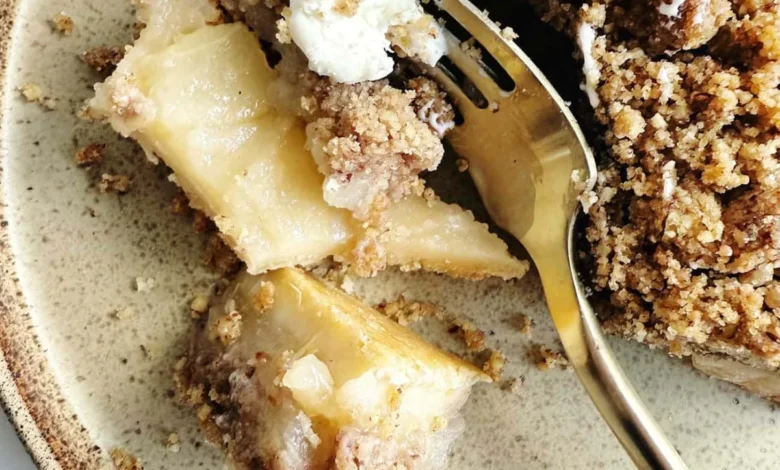
The culinary landscape of the American Midwest has long been defined by its ability to elevate comforting, unpretentious ingredients into refined seasonal traditions. Among the enduring staples of autumn baking, fruit tarts hold a revered place in both neighborhood cafes and holiday kitchens. Recently, attention has turned back to a classic seasonal pastry that has quietly evolved over the past twenty years: the Pecan Streusel Pear Tart. Rooted in the classic culinary texts of the mid-20th century and refined through years of commercial kitchen production in Minneapolis, this dessert offers a compelling case study in how heritage recipes adapt to modern home-baking standards without losing their rustic charm.
Origin and Evolution in the Minneapolis Coffeehouse Scene
The lineage of this particular pear tart traces back to the early 2000s within the vibrant, independent coffeehouse culture of south Minneapolis. During an era when specialty coffee shops sought to distinguish themselves through scratch-made bakery items rather than mass-produced distribution, local bakers experimented with traditional techniques to create reliable, crowd-pleasing pastries.
The original iteration of the tart was heavily inspired by the classic cookbook Joy of Cooking, specifically drawing from its dedicated companion volume, All About Pies & Tarts. Published as part of the iconic brand’s expansion into specialized baking guides, the text provided foundational guidelines for fruit tarts, crust ratios, and streusel toppings that appealed to professional and home bakers alike.
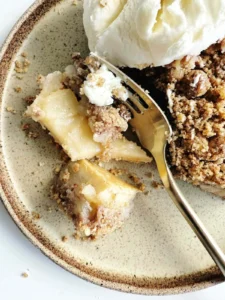
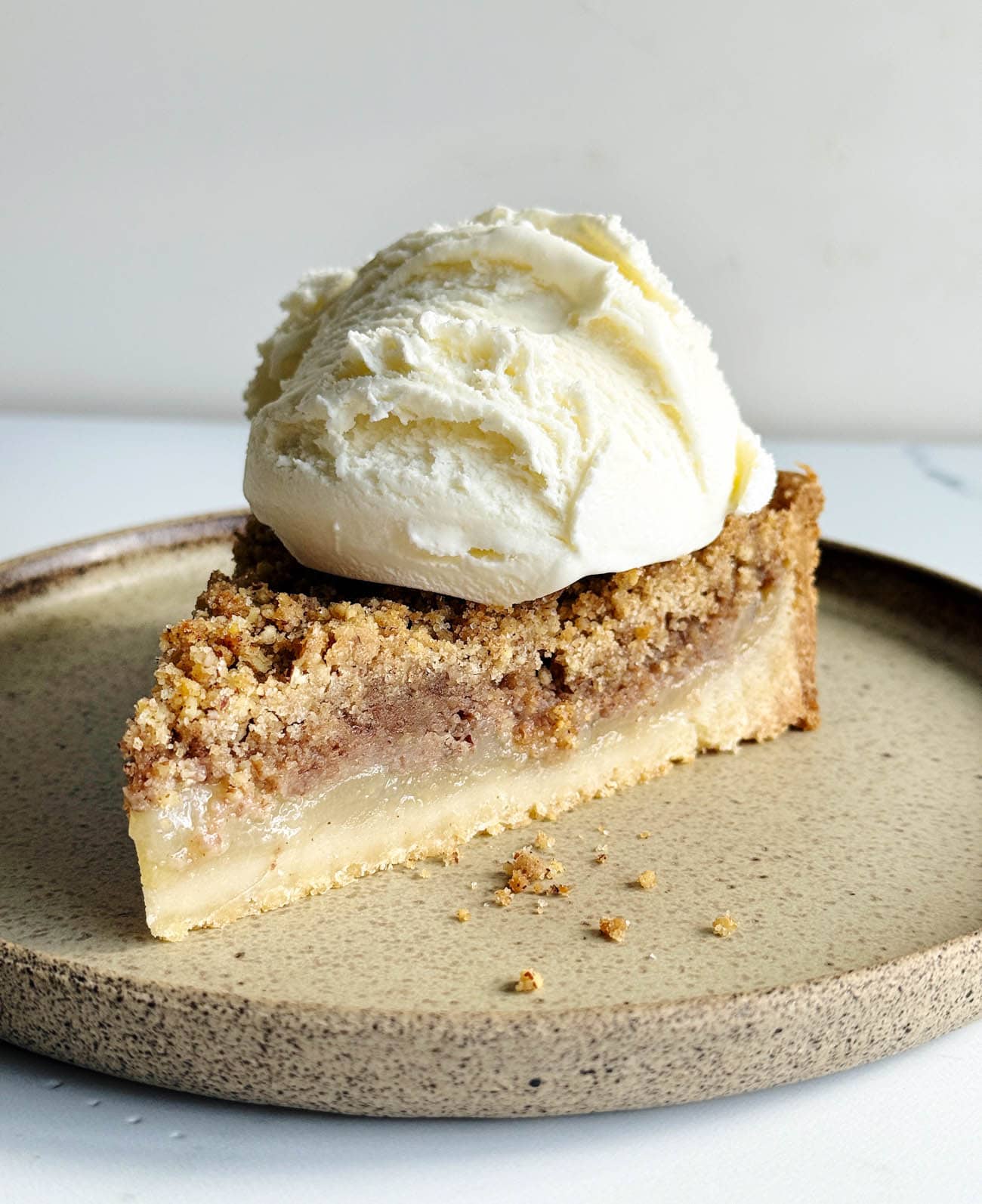
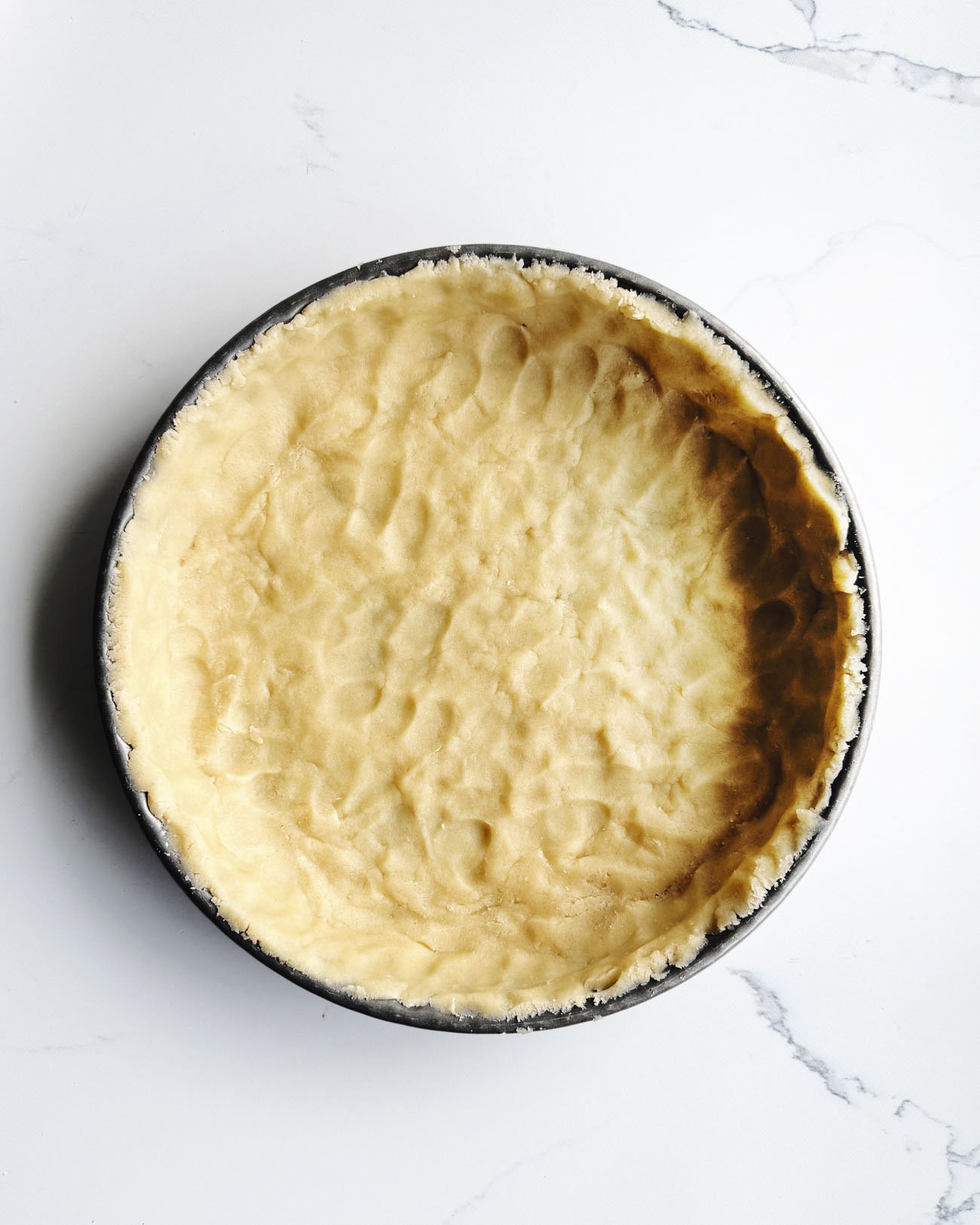
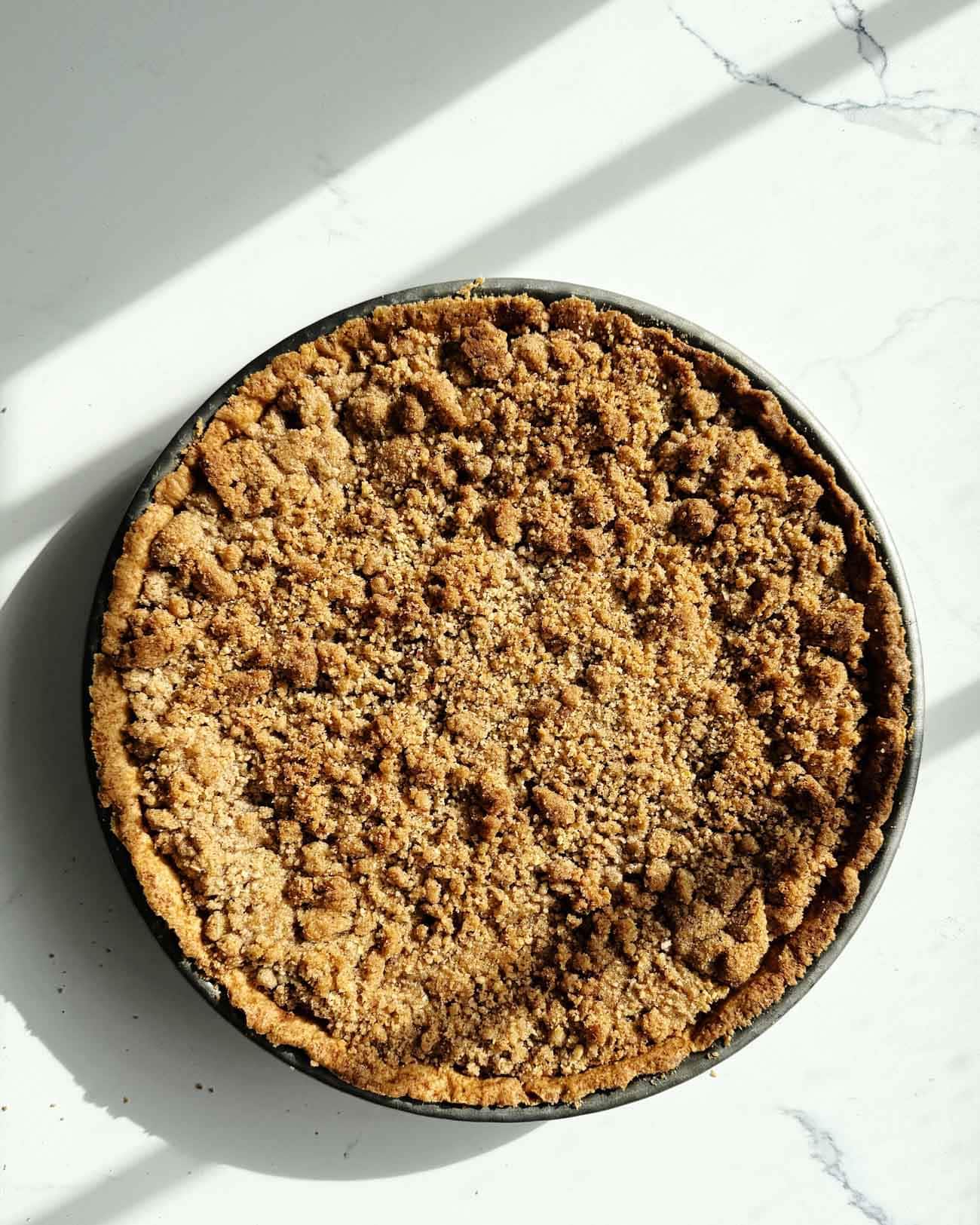
Over the subsequent two decades, the recipe underwent a meticulous process of iteration and refinement. Bakers working within the Minneapolis cafe circuit adapted the formula to maximize efficiency and flavor profiles suited to contemporary palates. Key modifications included the adoption of a simplified pat-in-the-pan crust—a technique designed to eliminate the anxiety of traditional rolling pin pastry dough—alongside the introduction of fresh lemon juice, pure vanilla extract, and grated nutmeg to brighten the dense, sweet fruit filling. Finally, the inclusion of a rich pecan streusel topping transformed the dessert from a standard European-style fruit tart into a texturally complex, distinctly American-style seasonal offering well-suited for autumn gatherings and Thanksgiving tables.
Technical Baking Notes and Ingredient Selection
Achieving consistent results with seasonal fruit tarts requires careful attention to ingredient selection and structural mechanics. Culinary testing over the years has highlighted several critical parameters for successfully executing the Pecan Streusel Pear Tart.
Foremost among these considerations is fruit selection. Culinary professionals consistently recommend Bartlett pears for this specific application. Unlike firmer varieties such as Bosc or D’Anjou, Bartlett pears soften effectively during the baking process and release an optimal amount of moisture, creating a naturally succulent filling that integrates harmoniously with the surrounding pastry and spices.
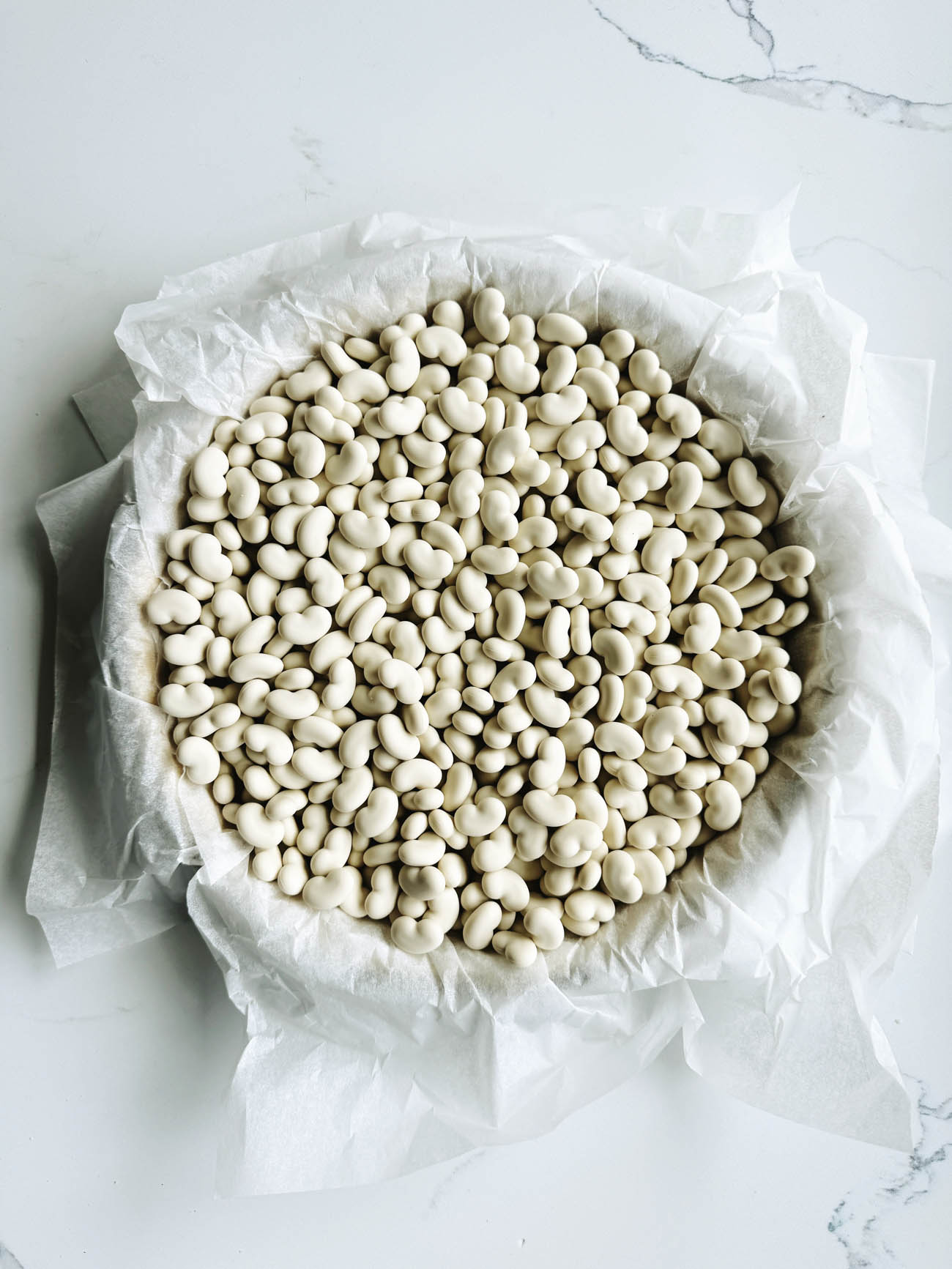
Structural integrity remains another primary challenge in fruit tart production. To prevent a soggy bottom crust—a common pitfall when baking high-moisture fruits—blind baking is treated as a mandatory step in the process. The implementation of specialized tools, such as reusable silicone baking beans developed by prominent pastry figures like Erin McDowell, has streamlined this phase of production, allowing for even heat distribution, structural stability, and easy maintenance. Furthermore, the forgiving nature of the pat-in-the-pan crust ensures that minor tears during preparation can be easily patched without compromising the final structural presentation.
Broader Culinary Implications and Seasonal Trends
The enduring popularity of recipes like the Pecan Streusel Pear Tart reflects broader shifts in contemporary baking trends. As consumers increasingly prioritize transparency, heritage, and scratch-made food preparation, recipes with traceable histories in regional food cultures—such as the independent coffeehouse scene of the Twin Cities—carry heightened cultural capital.
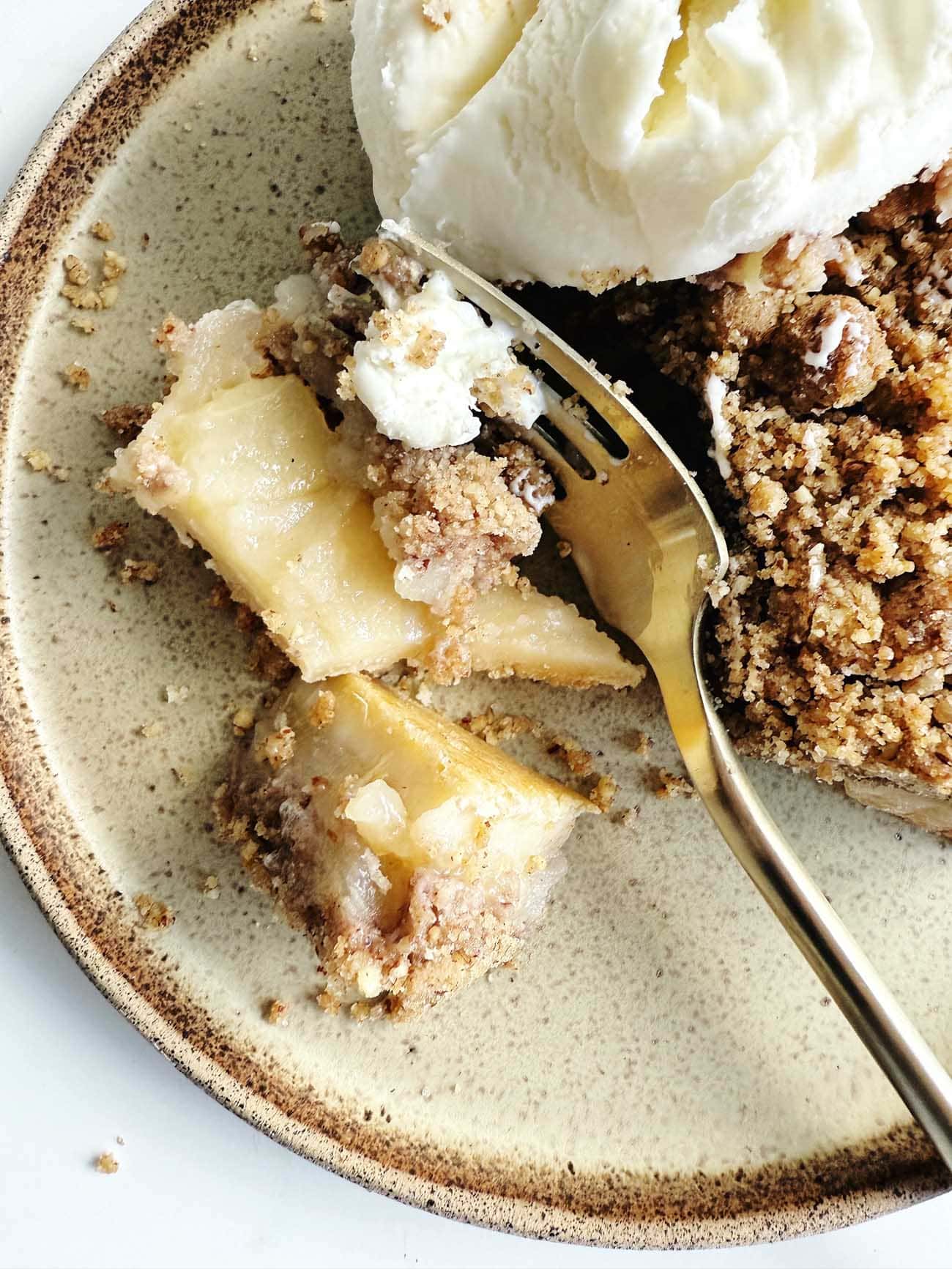
Moreover, the dessert addresses a seasonal niche in the North American culinary calendar. The transition from late-summer stone fruits to autumn pome fruits like apples and pears marks a significant shift in home baking priorities toward warming spices, toasted nuts, and comforting textures. By bridging the gap between traditional French pastry techniques and approachable American comfort food, the recipe demonstrates how foundational culinary literature continues to inform and inspire modern baking traditions.
Industry analysts note that classics updated with accessible shortcuts—such as forgiving crust methods and dependable seasonal fruit varieties—are uniquely positioned to retain relevance across generations. As home cooks continue to seek reliable, crowd-pleasing centerpieces for autumn and winter holidays, recipes rooted in decades of professional testing offer a reliable blueprint for culinary success.