The Ultimate Guide to Utilizing Leftover Pumpkin Puree: Storage, Conversion, and 30+ Recipes for Autumn Baking

The arrival of autumn invariably ushers in a seasonal culinary renaissance centered around Cucurbita, commonly known as the pumpkin. As home bakers and commercial kitchens alike ramp up production of traditional fall treats, a familiar logistical challenge emerges: the partial can of pumpkin puree. Whether utilizing fresh, hand-made puree or commercially packaged canned goods, recipes frequently call for specific quantities—such as half a cup or a single cup—leaving home cooks with residual puree that risks spoilage if not properly managed. Culinary experts and baking enthusiasts are increasingly focusing on minimization strategies, storage science, and cross-recipe integration to eliminate food waste during the peak baking months of September through November.
Understanding the baseline metrics of pumpkin packaging is the first step in efficient kitchen management. A standard commercially available 15-ounce (425-gram) can of pumpkin puree yields just under two cups of product, as one cup of puree weighs approximately 8 ounces (226 grams). Because many popular baking formulas require precisely one cup, bakers are often left with a minor surplus. Culinary research indicates that minor discrepancies in baking measurements—such as omitting a single tablespoon of puree per cup—have a negligible impact on the structural integrity, moisture levels, and chemical reactions of baked goods. Consequently, home cooks can strategically combine recipes to exhaust an entire container without discarding surplus ingredients, or substitute minor quantities with unsweetened applesauce to maintain moisture balance.

Proper preservation techniques are vital for extending the lifecycle of both fresh and canned pumpkin puree. According to food safety guidelines, leftover canned pumpkin must be promptly transferred from its original metal container into an airtight glass, plastic, or ceramic storage vessel to prevent metallic leaching and microbial contamination. When sealed tightly, both fresh and canned varieties remain viable in a refrigerator for approximately one week. For longer-term preservation, freezing offers a reliable method to extend the usability of pumpkin puree for up to three months. Experts recommend flattening the puree within zip-top bags with the air evacuated, utilizing airtight containers with minimal headspace, or freezing the puree in ice cube trays for portion-controlled applications. Once thawed at room temperature or in the refrigerator, any excess moisture should be drained to preserve the ideal consistency for subsequent recipes.

To address the surplus dilemma comprehensively, culinary catalogs have categorized recipes by their exact pumpkin puree requirements, ranging from high-volume bakes to minor flavor enhancements.
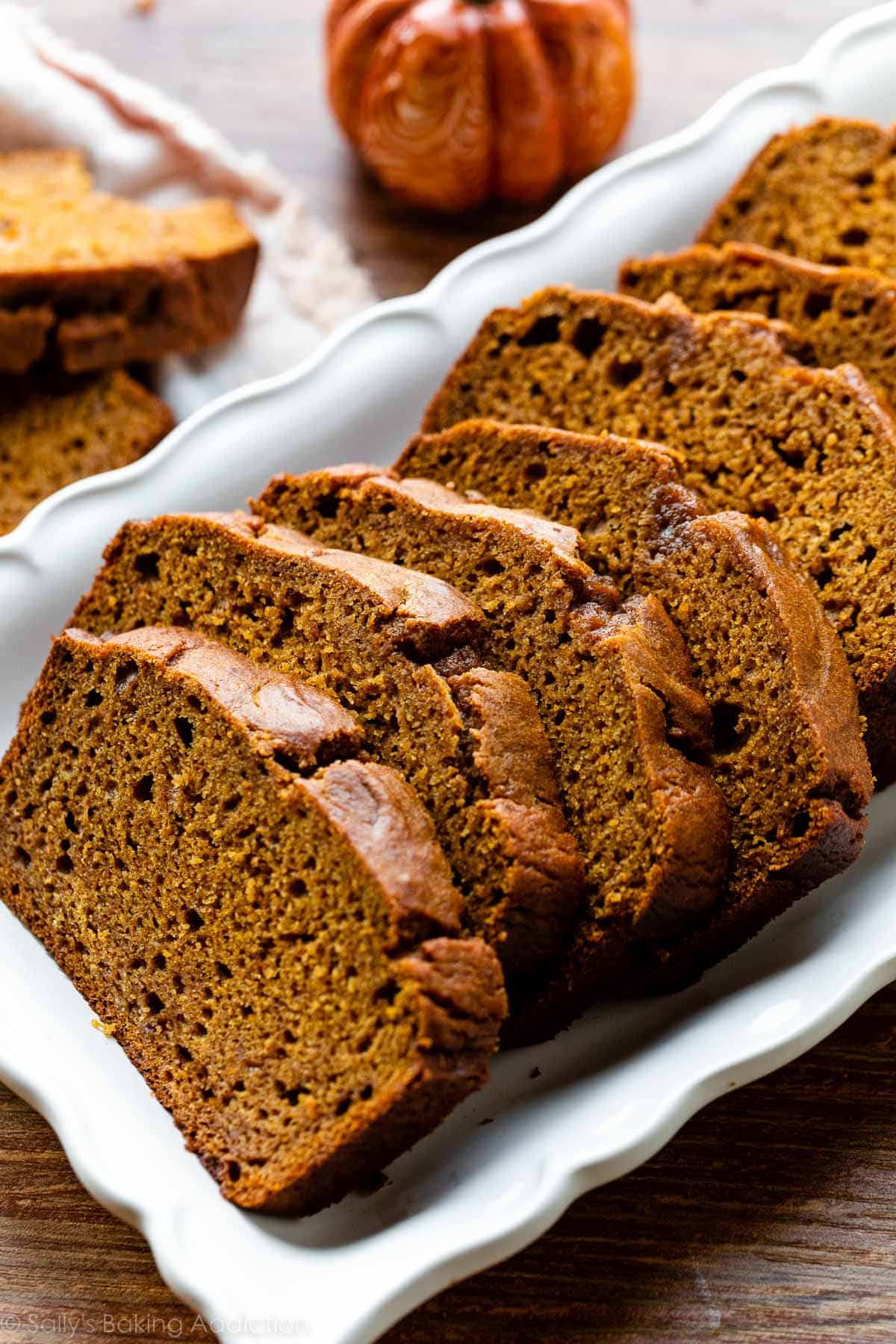
Recipes Requiring More Than One Cup of Pumpkin Puree
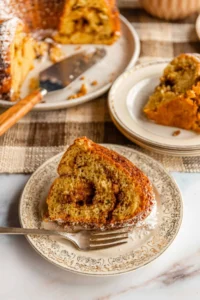
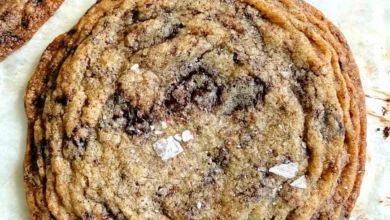
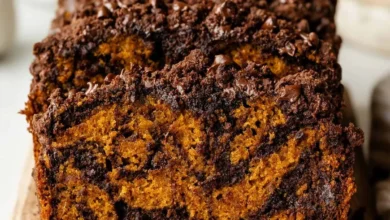
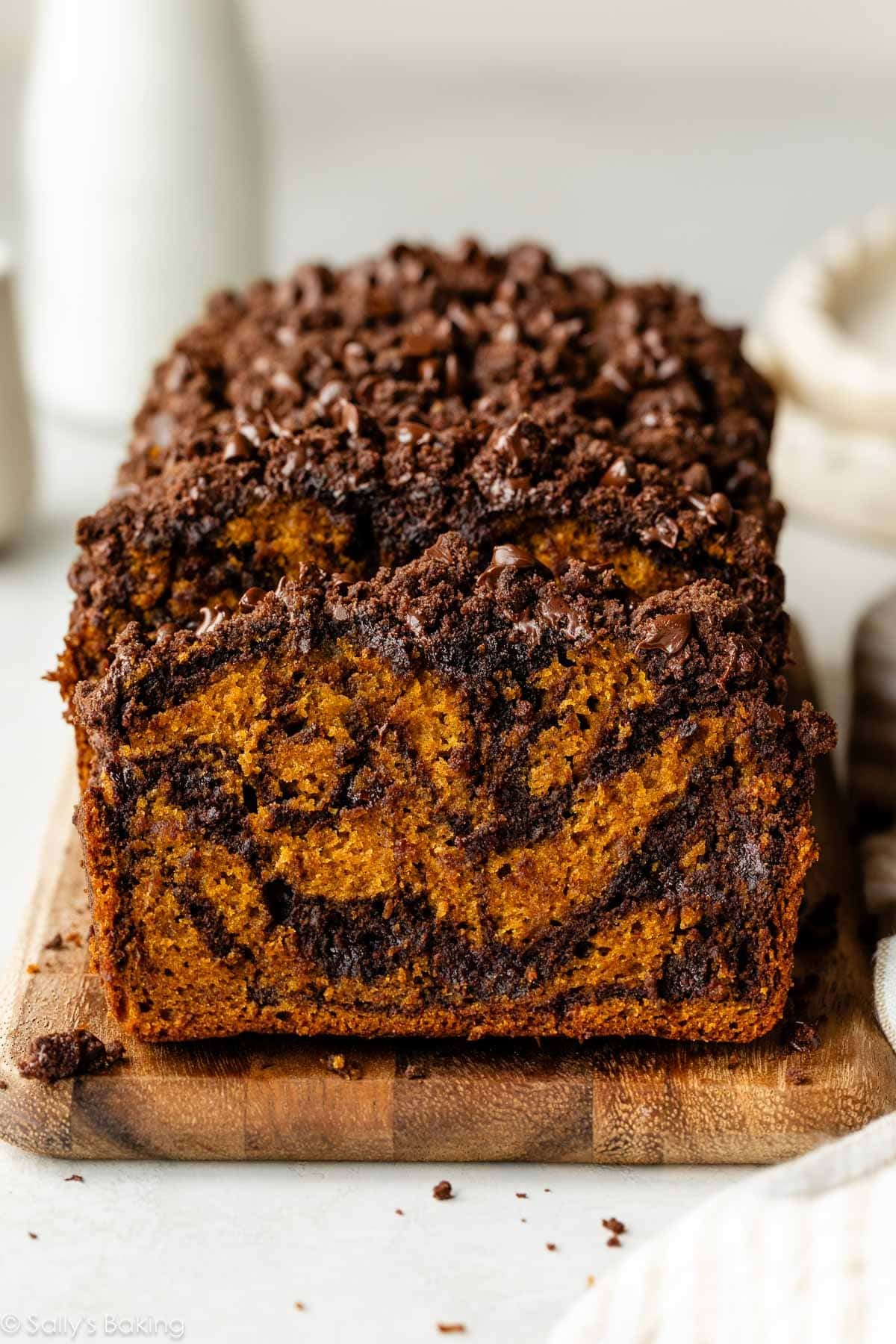
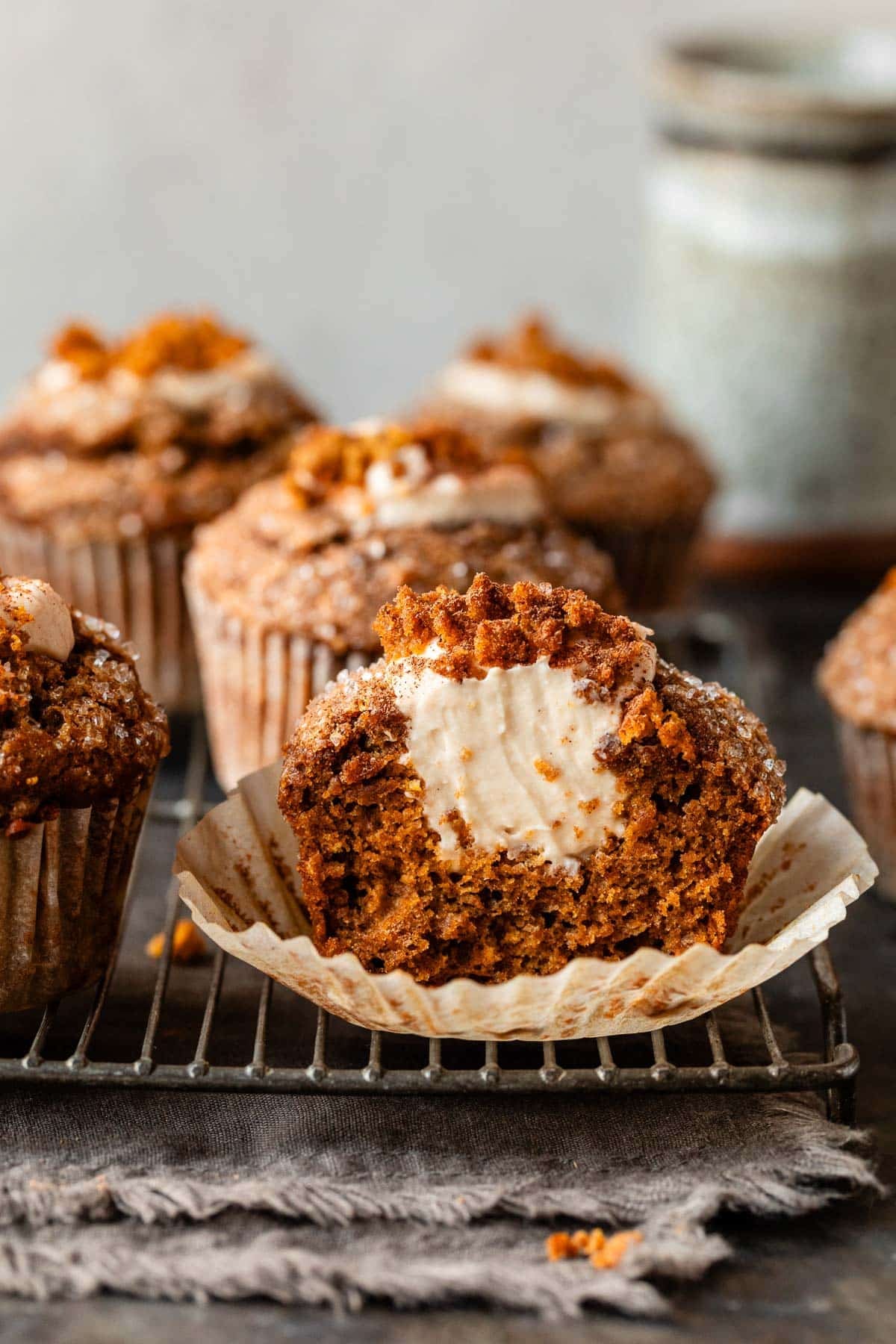
For bakers seeking to utilize larger quantities of leftover puree—ranging from 1.25 to 1.5 cups—several traditional and innovative fall recipes provide immediate solutions. Classic offerings such as homemade pumpkin bread, super-soft pumpkin cookies, and traditional pumpkin muffins generally require 1.5 cups (340 grams) of puree, delivering deep autumnal flavor without the need for electric mixing equipment. Variations such as chocolate marble pumpkin bread and pumpkin crumb cake muffins incorporate streusel toppings and chocolate swirls into the traditional formula. Breakfast items like pumpkin pancakes and handheld mini pumpkin pies utilize roughly 1.25 cups (285 grams), offering efficient ways to consume larger remnants of puree.
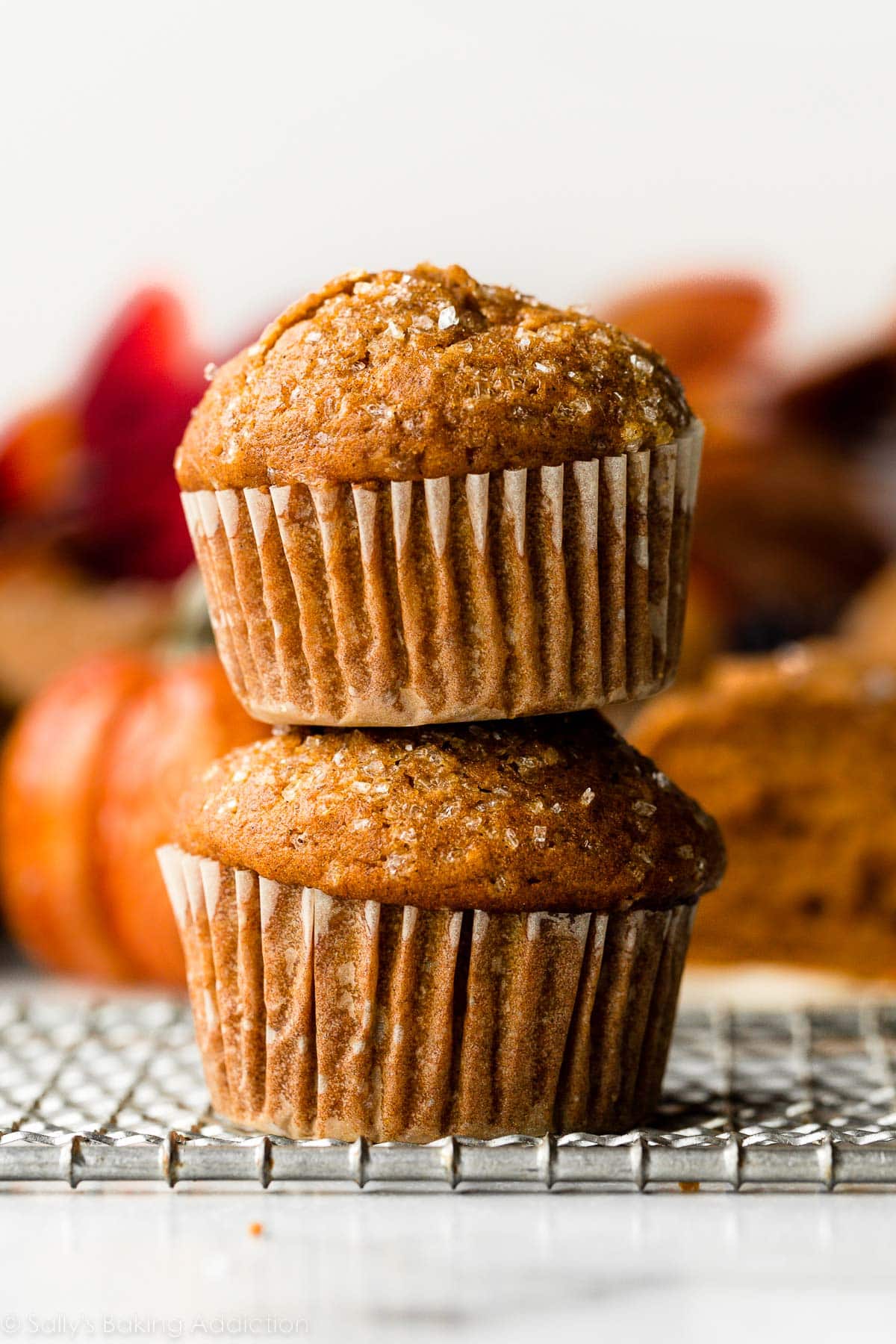
Recipes Requiring Exactly One Cup of Pumpkin Puree
A one-cup surplus represents the most common leftover measurement from standard baking projects. A diverse array of sweet and savory dishes accommodates this exact metric. Breakfast and brunch options include baked pumpkin oatmeal, pumpkin spice waffles, and an overnight pumpkin French toast casserole. For snack and dessert enthusiasts, brown butter pumpkin oatmeal cookies, pumpkin chocolate chip oatmeal bars, pumpkin cupcakes with cream cheese frosting, and baked pumpkin donuts utilize precisely 226 grams of puree. Novelty items like pumpkin oatmeal cream pies and iced pumpkin coffee cake further expand the culinary applications for a standard one-cup measurement.
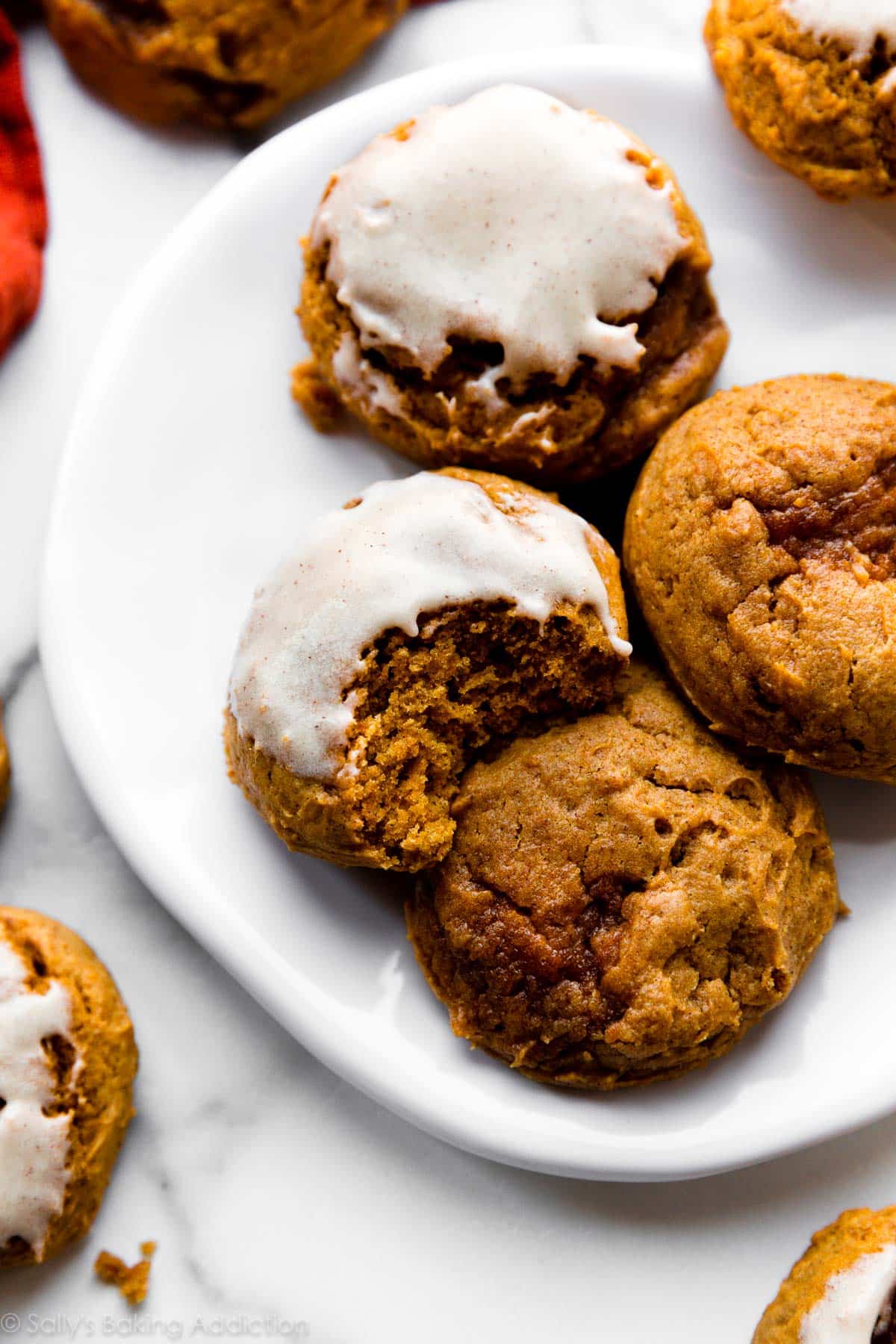
Recipes Requiring Between One-Half and Three-Quarters of a Cup
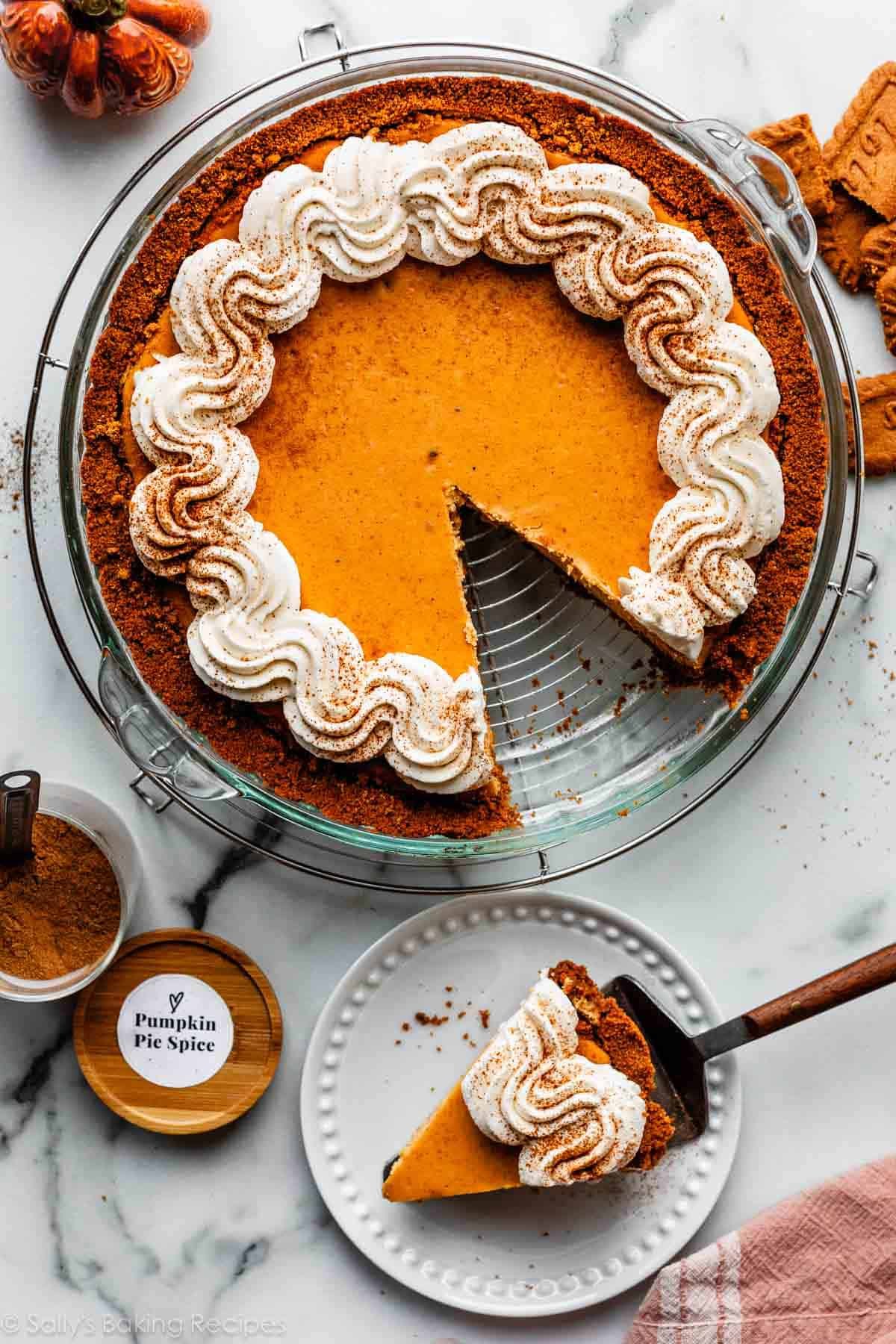
When residual puree falls into the intermediate range of 0.5 to 0.75 cups (115 to 170 grams), bakers can pivot toward custards, yeast breads, and blended beverages. The pumpkin cheesecake pie and mini cinnamon sugar pumpkin muffins utilize three-quarters of a cup (170 grams), providing a condensed alternative to full-sized holiday desserts. Meanwhile, the pumpkin roll, pumpkin baked oatmeal cups, and the popular pumpkin pie protein smoothie—frequently praised for replicating the flavor profile of traditional pie in a beverage format—require two-thirds of a cup (150 grams). Traditional pumpkin cinnamon rolls, crunchy pumpkin spice granola, and salted caramel pumpkin cheesecakes successfully integrate the smaller 0.5-cup threshold.
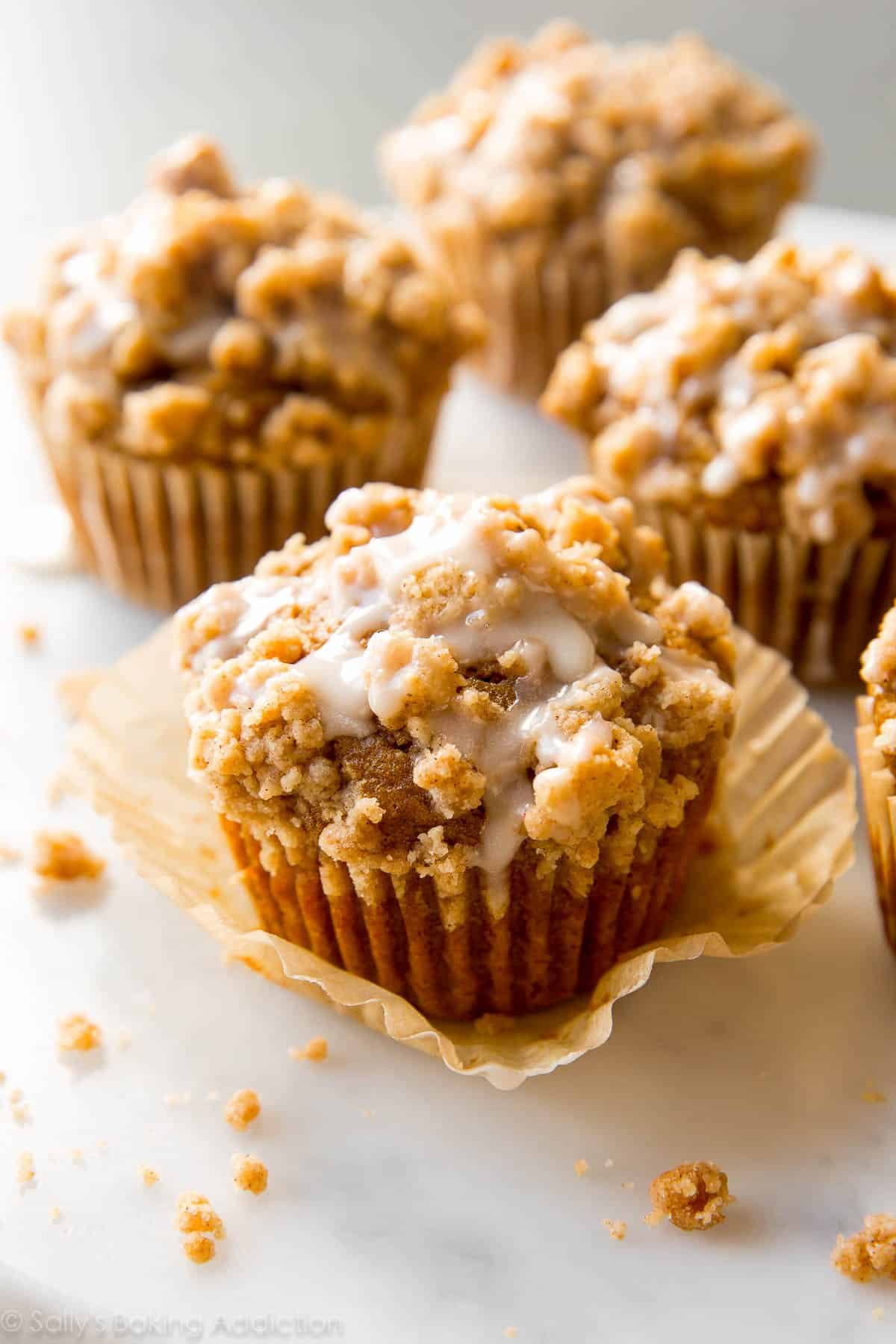
Recipes Requiring Less Than One-Half Cup of Pumpkin Puree
Even minor remnants of pumpkin puree—ranging from a few tablespoons to one-third of a cup—hold significant culinary value. Quantities measuring approximately 6 tablespoons (86 grams) serve as the foundation for pumpkin sugar cookies, soft pumpkin chocolate chip cookies, and white chocolate pumpkin snickerdoodles. Smaller quantities, such as one-third of a cup (75 grams), can be transformed into gourmet pumpkin spice truffles, while as little as two tablespoons (30 grams) can serve as the primary flavoring agent for homemade pumpkin coffee creamer, demonstrating that virtually no amount of leftover puree need go to waste.
Recipes Utilizing an Entire Standard Can
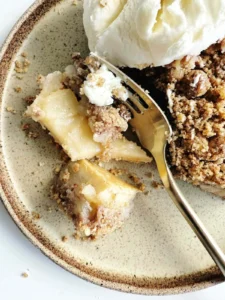
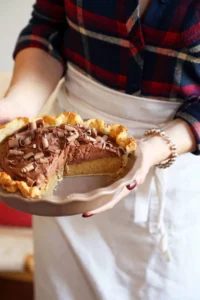
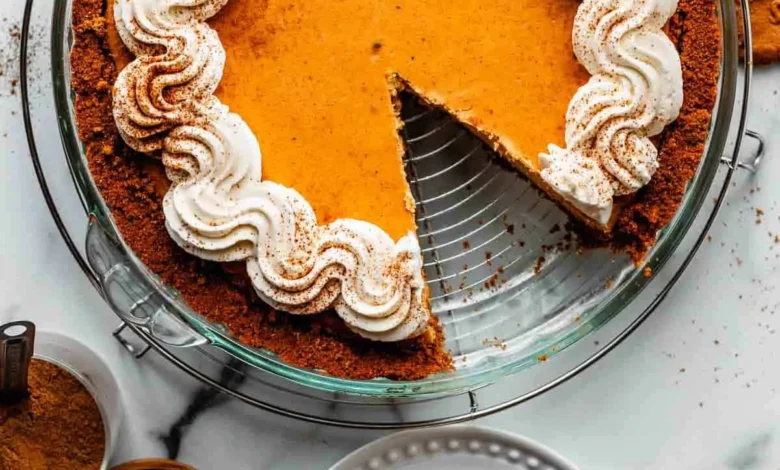
For consumers who prefer to bypass the storage and rationing of partial cans, specific recipes are engineered to consume an entire standard 15-ounce (425-gram) can of pumpkin puree in a single preparation. Traditional holiday centerpieces such as the classic pumpkin pie, rich pumpkin bars, and the definitive seasonal pumpkin cake rely on the full volume of a standard can. More elaborate presentations, including pecan praline pumpkin pie, traditional pumpkin bundt cakes, pumpkin cream cheese bundt cakes, and easy pumpkin pie bars, similarly eliminate container waste. For large gatherings, the pumpkin slab pie scales up the requirement to two full 15-ounce cans to feed a crowd. Furthermore, savory applications such as vegetarian pumpkin chili demonstrate the versatility of the ingredient beyond the pastry kitchen, merging canned pumpkin with beans, tomatoes, and spices for a hearty autumn entrée.
The broader implications of efficient pumpkin utilization extend beyond individual household economy into the realm of domestic sustainability. Food waste reduction experts note that seasonal produce and canned goods are frequently discarded in minor quantities due to imprecise recipe scaling. By adopting standardized measuring conversions, utilizing proper refrigeration and freezing protocols, and cross-referencing leftover volumes with targeted recipes, home kitchens can significantly lower food waste metrics during the autumn holiday peak. Additionally, complementary culinary practices—such as blending custom pumpkin pie spice batches featuring cinnamon, nutmeg, ginger, cloves, and a touch of black pepper—allow cooks to maximize flavor profiles while exercising precision in ingredient management.