The Ultimate Guide to Making Creamy Roasted Red Pepper Soup with Tomatoes, Shallots, and White Beans

The culinary world has long celebrated the comfort of a warm, blended vegetable soup, particularly during the brisk months of autumn and winter. Among the various iterations of comfort food classics, roasted red pepper soup has emerged as a premier choice for home cooks and professional chefs alike seeking a balance of vibrant brightness, deep smokiness, and hearty texture. Traditional tomato soups, while universally beloved for their comforting acidity, can occasionally lack the substance required for a standalone meal. By incorporating sweet red bell peppers, roasted cherry tomatoes, aromatic shallots, and protein-rich cannellini beans, culinary enthusiasts have elevated a simple starter into a nutrient-dense, satisfying main course.
Background and Culinary Evolution of Roasted Vegetable Soups
The practice of roasting vegetables prior to blending them into a soup base has deep roots in Mediterranean and European culinary traditions. Roasting initiates the Maillard reaction—a chemical reaction between amino acids and reducing sugars that gives browned food its distinctive flavor. When applied to nightshades and capsicums such as tomatoes and red bell peppers, dry heat caramelizes the natural sugars, softening the bitter notes and intensifying the inherent sweetness.
Historically, creamy soups relied heavily on dairy fats, roux, or heavy starches like potatoes to achieve a velvety mouthfeel. In recent years, however, modern nutritional shifts and dietary preferences have driven a demand for alternative thickeners. The inclusion of cannellini beans—also known as white kidney beans—represents a significant evolution in soup-making. These legumes not only contribute a silky, emulsified texture when pureed but also introduce plant-based protein, dietary fiber, and essential micronutrients, transforming a traditionally indulgent dish into a well-rounded, health-conscious meal.
Comprehensive Ingredient Profile and Flavor Dynamics
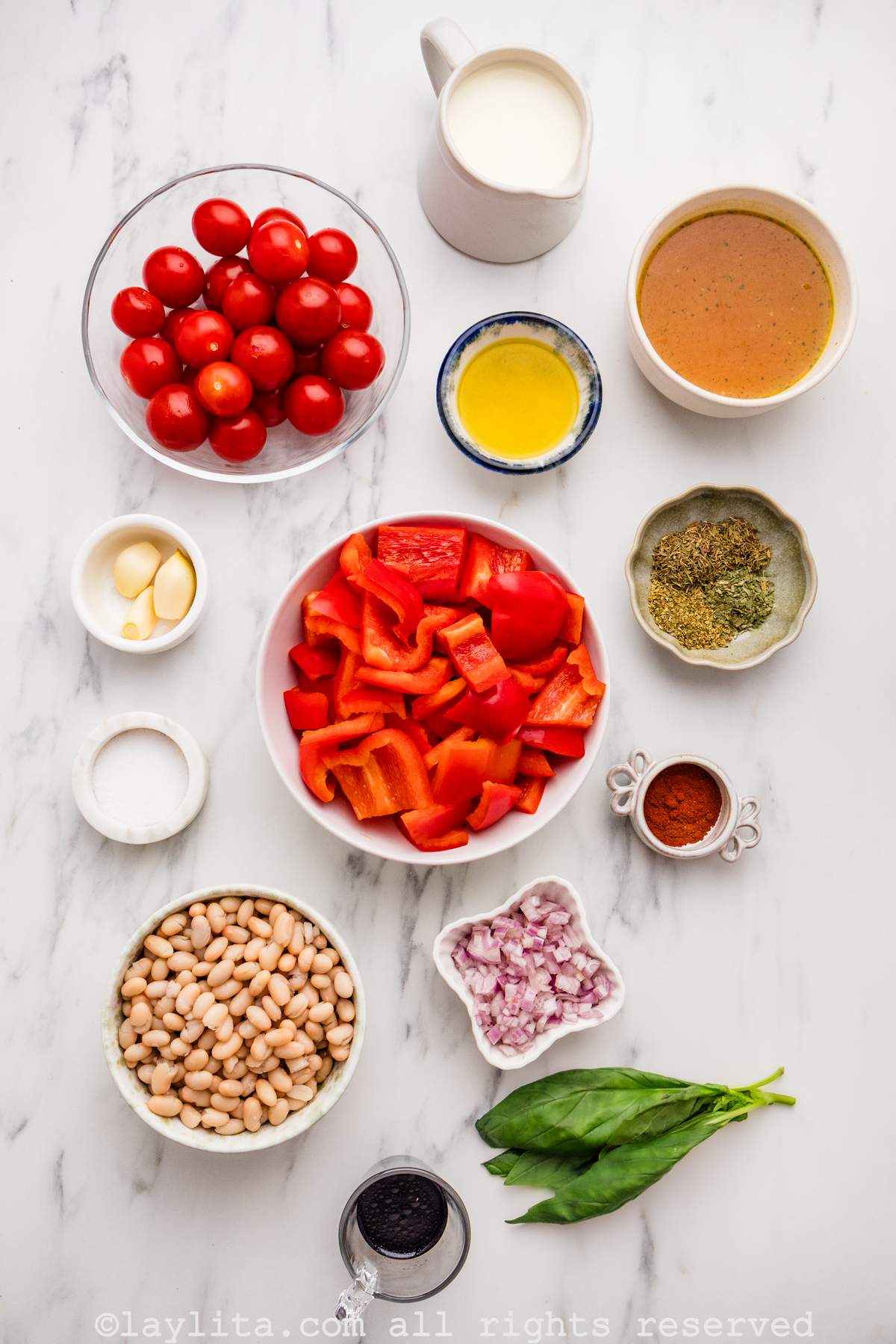
Crafting a balanced roasted red pepper soup requires careful attention to ingredient selection and flavor pairing. The foundational components of the recipe include:
- Red Bell Peppers: Providing the primary bulk and vibrant color, red bell peppers offer a mild, sweet flavor profile loaded with Vitamin C and antioxidants.
- Cherry Tomatoes: When roasted, cherry tomatoes concentrate in flavor, delivering a bright, acidic punch that cuts through the richness of the soup.
- Garlic and Shallots: Serving as the aromatic backbone, roasted garlic and sautéed shallots build deep, savory undertones.
- Herbs and Spices: A blend of thyme, oregano, basil, and smoked paprika infuses the dish with Mediterranean warmth and a distinct wood-smoke aroma.
- Cannellini Beans: Acting as a natural, gluten-free thickener, these white beans add body and creaminess without the heaviness of flour or excessive dairy.
- Balsamic Vinegar: A touch of acidity balances the natural sweetness of the caramelized vegetables.
- Vegetable Broth: Unifies the mixture to the desired consistency.
Step-by-Step Preparation Methodology
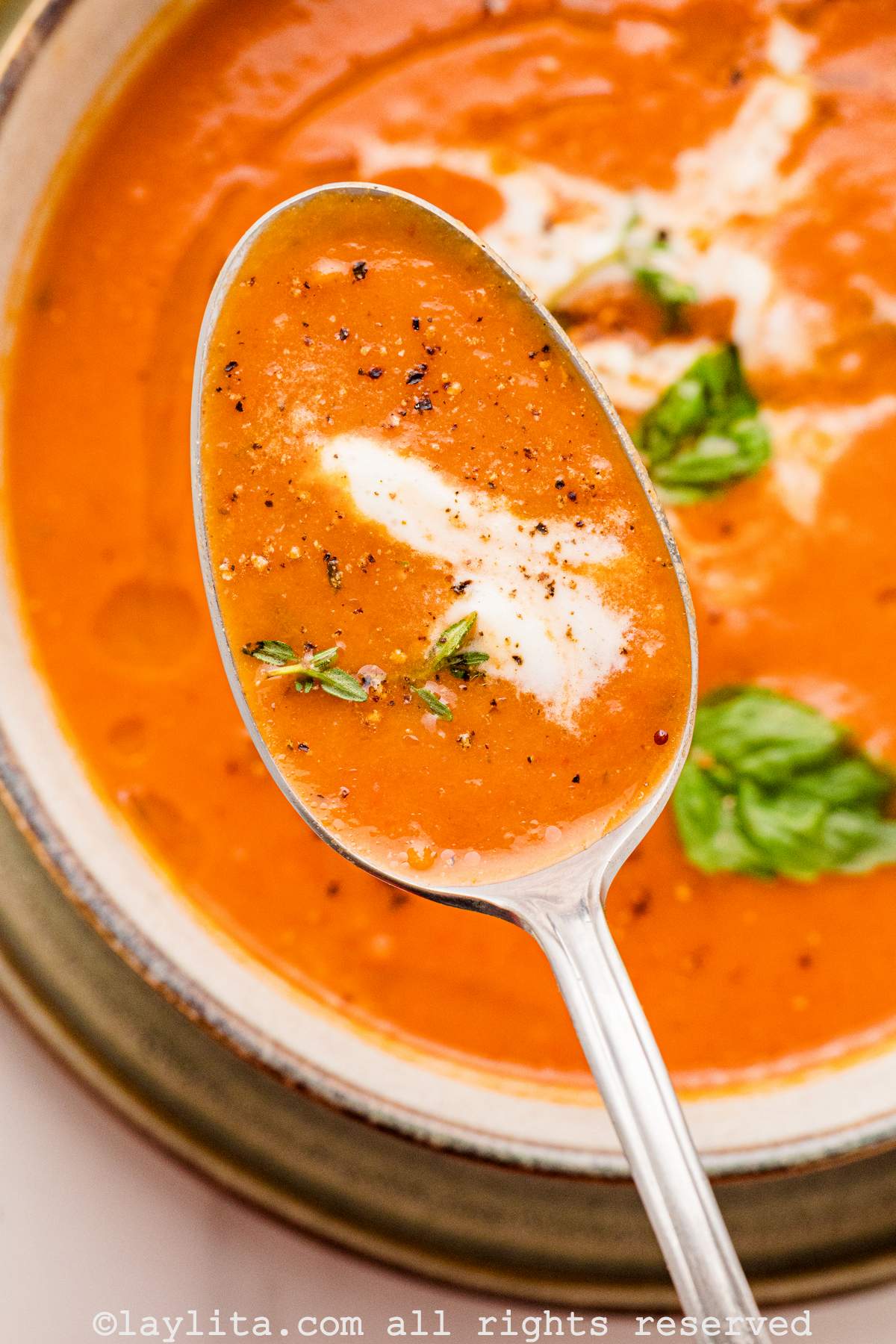
The preparation process is divided into distinct stages designed to maximize flavor extraction and texture refinement.
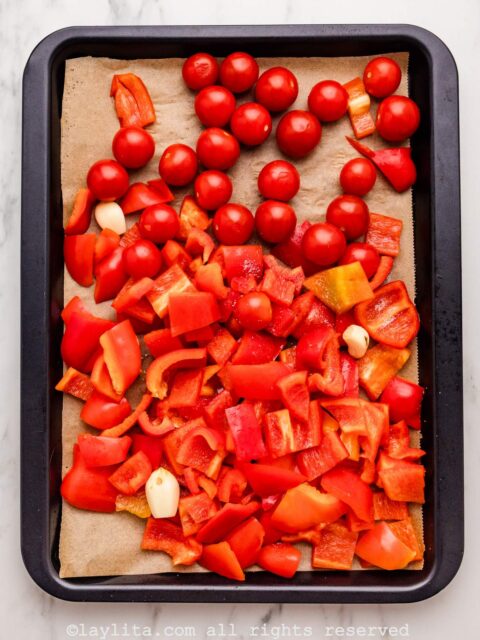
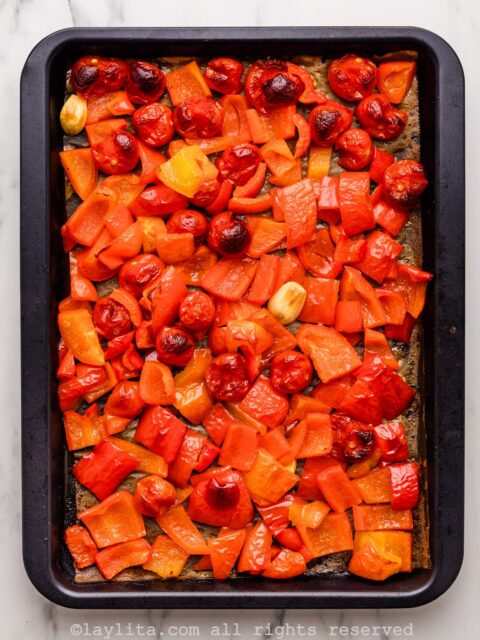
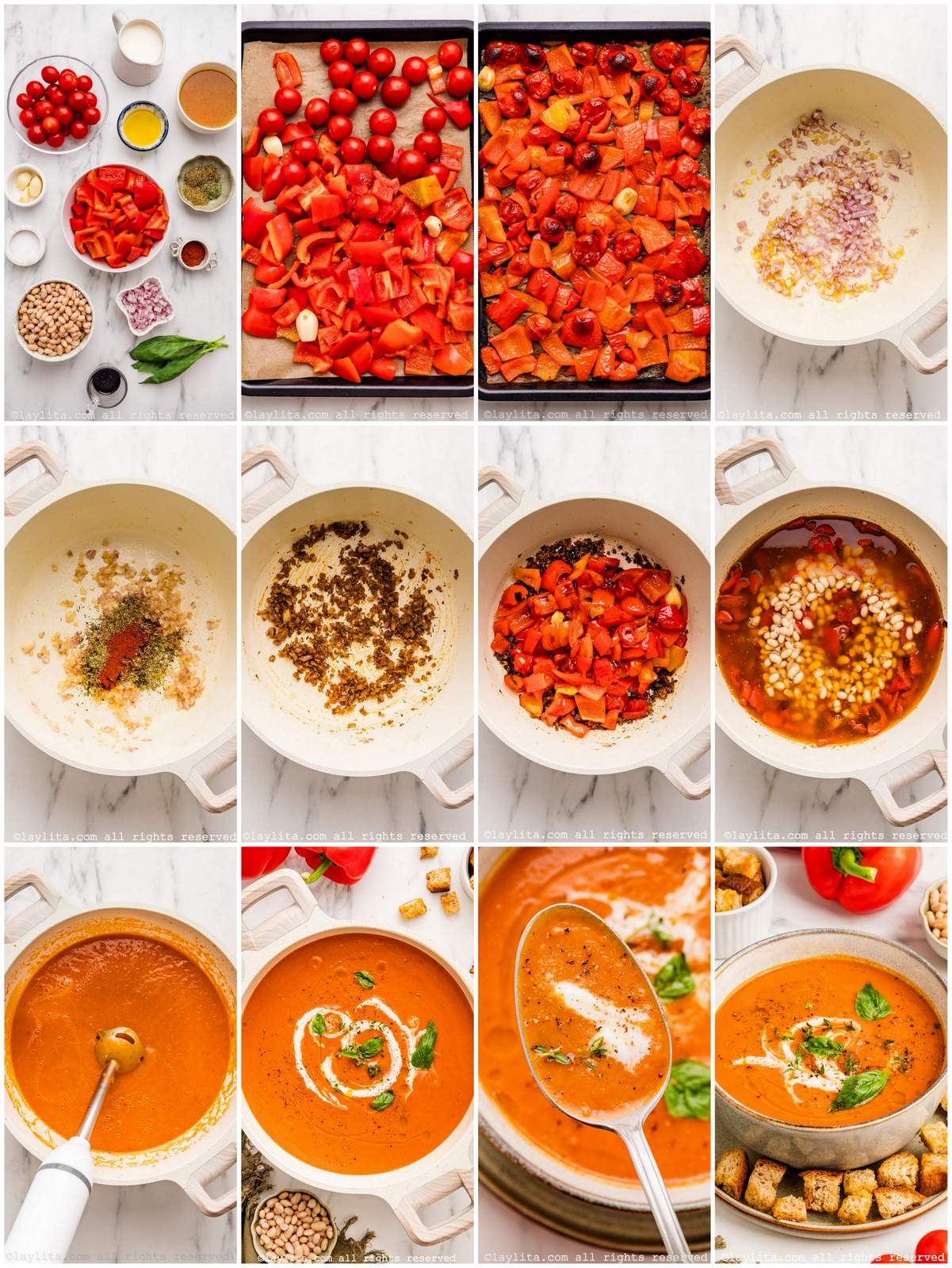
- Roasting the Produce: Red bell peppers, cherry tomatoes, and whole garlic cloves are tossed in high-quality olive oil and arranged on a baking sheet. Roasting at high temperatures (typically between 400°F and 425°F) for 25 to 30 minutes ensures proper charring and tenderness.
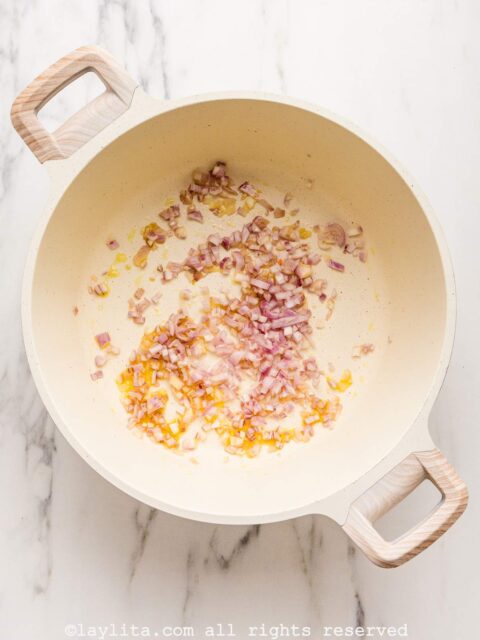
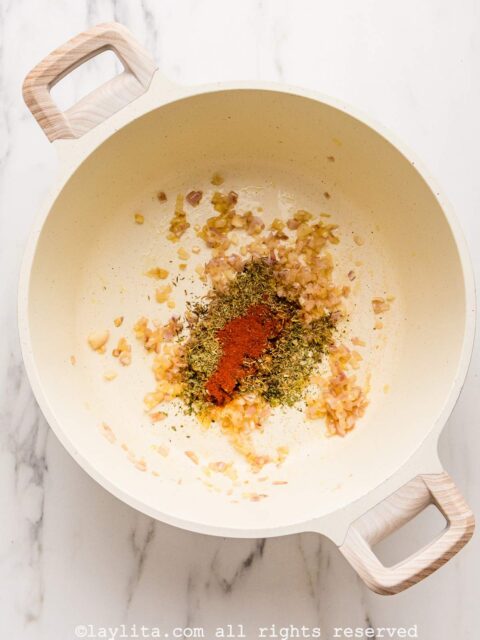
- Aromatics and Seasoning: While the vegetables roast, shallots are gently sautéed in a pot with olive oil, fresh herbs (thyme, oregano, basil), and smoked paprika until translucent and fragrant.
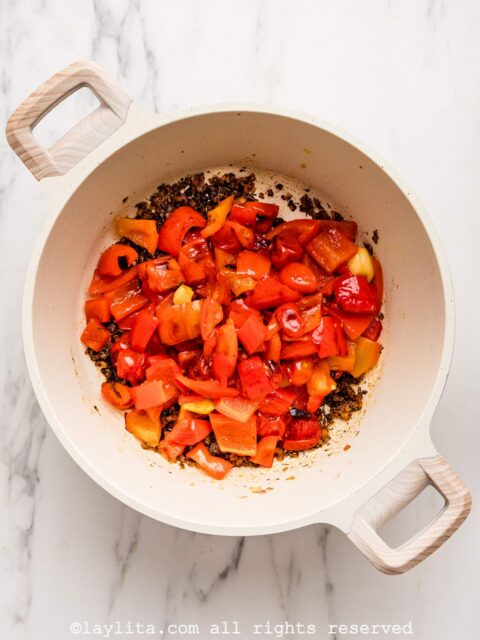
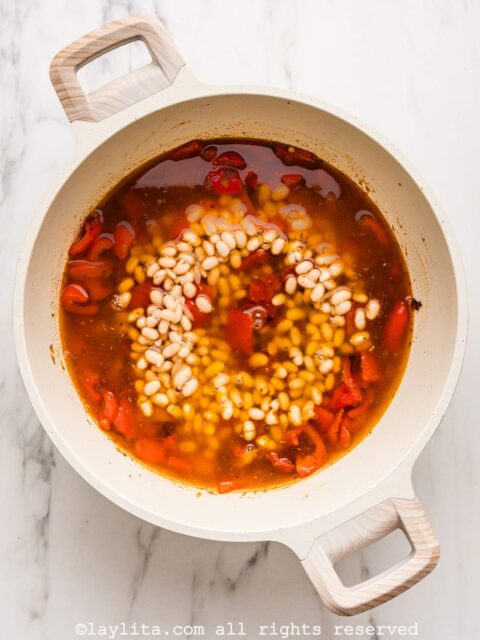
- Simmering: The roasted vegetables, including any accumulated juices, are transferred to the pot along with the cannellini beans, vegetable broth, and a splash of balsamic vinegar. The mixture is brought to a gentle simmer, allowing the flavors to meld over 10 to 15 minutes.
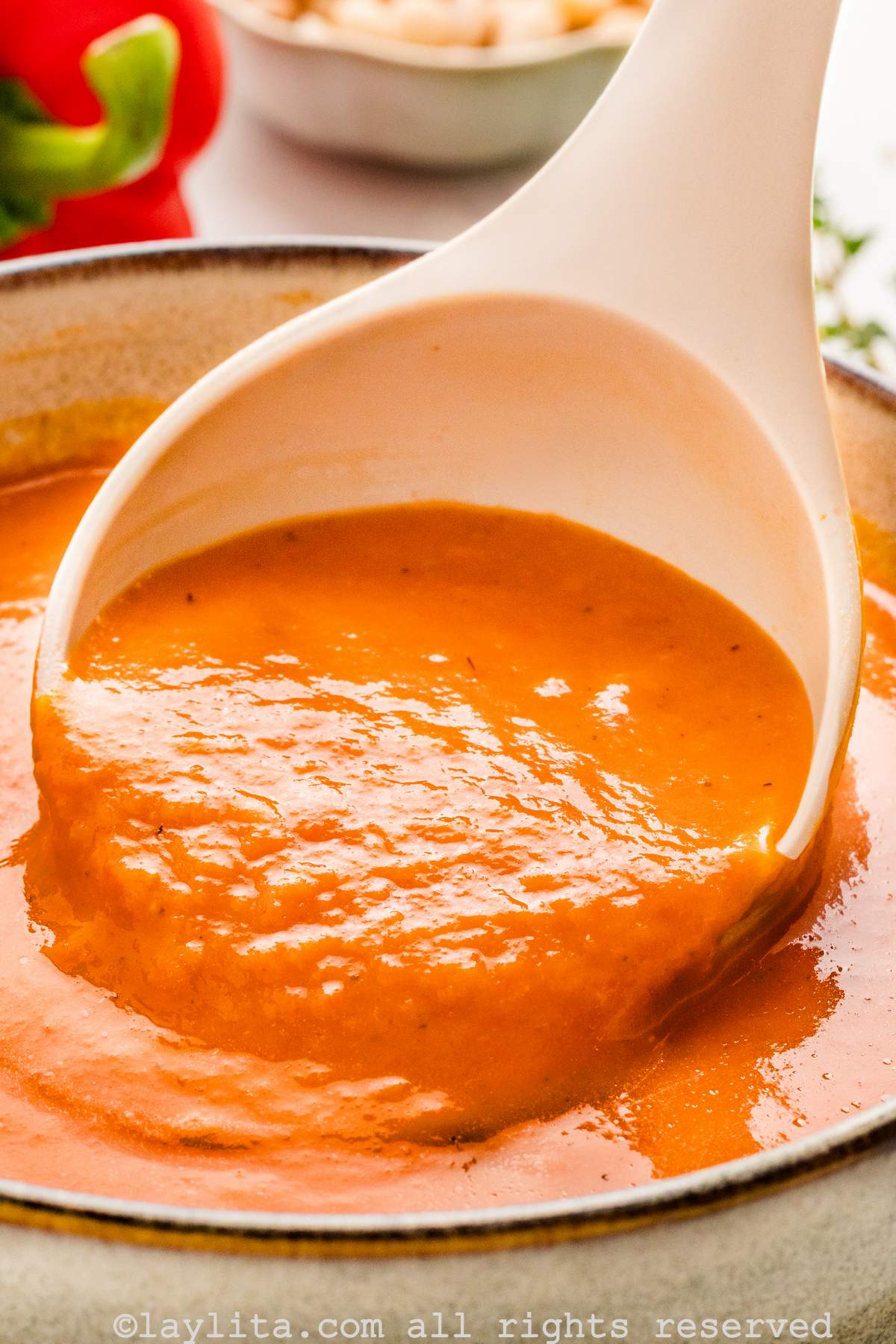
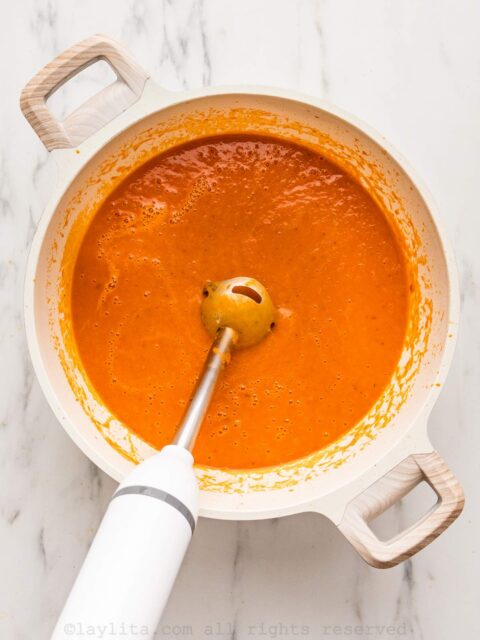
- Blending: Using an immersion blender or a high-powered countertop blender, the mixture is pureed until smooth. For an exceptionally silky, restaurant-quality finish, the blended soup can be passed through a fine-mesh sieve to remove any residual skins or seeds.
Serving Suggestions and Presentation Techniques
Presentation plays a critical role in elevating home-cooked meals to professional dining standards. This roasted red pepper soup offers exceptional versatility in how it can be plated and served.
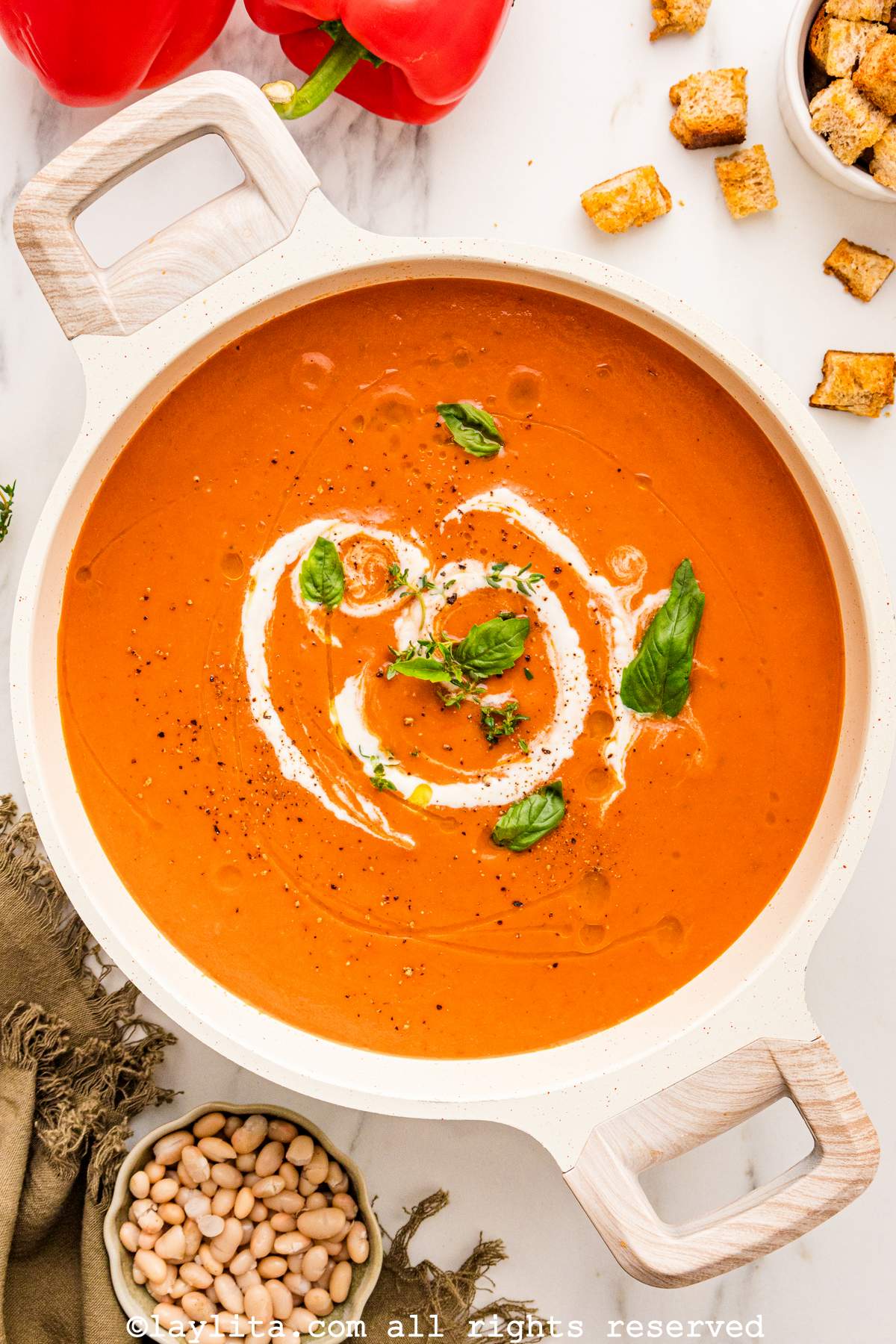
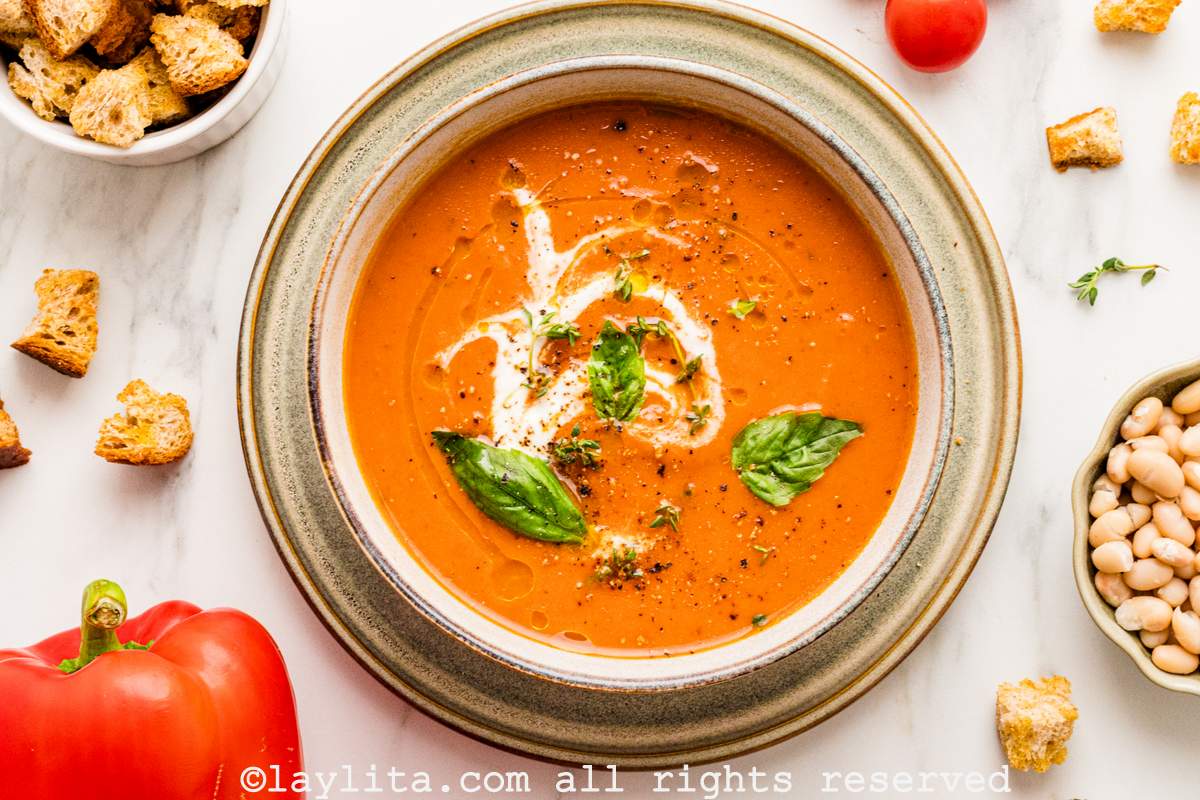
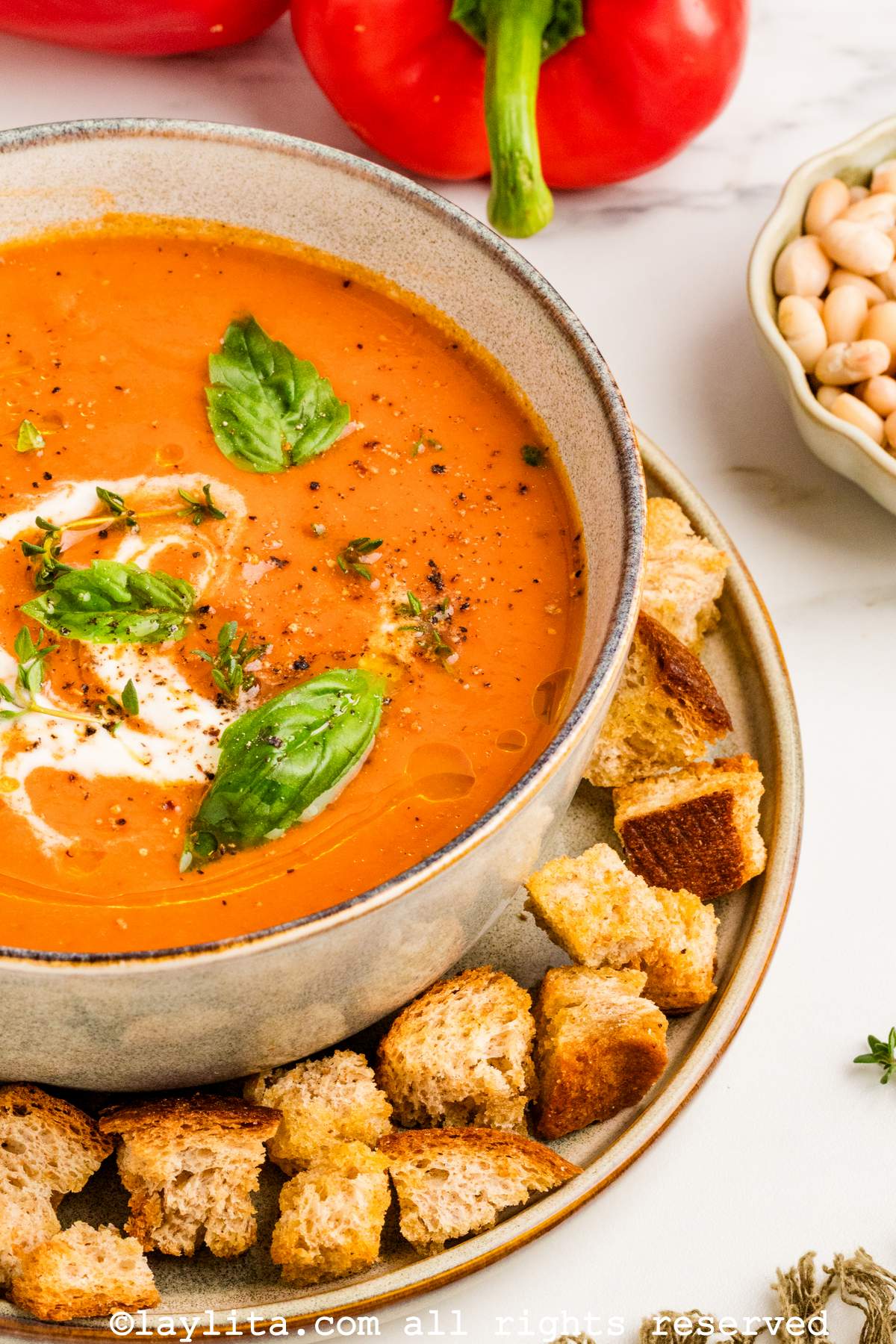
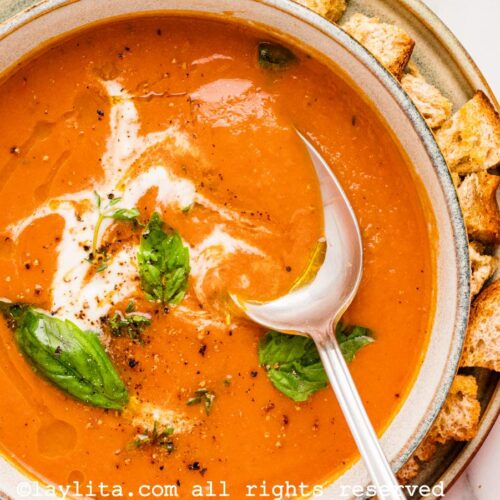
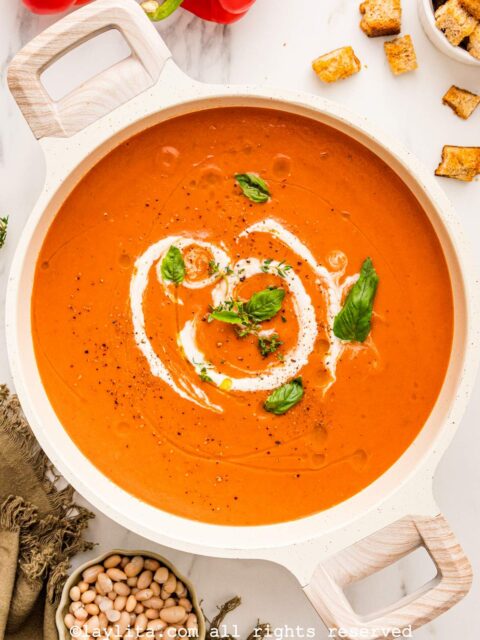
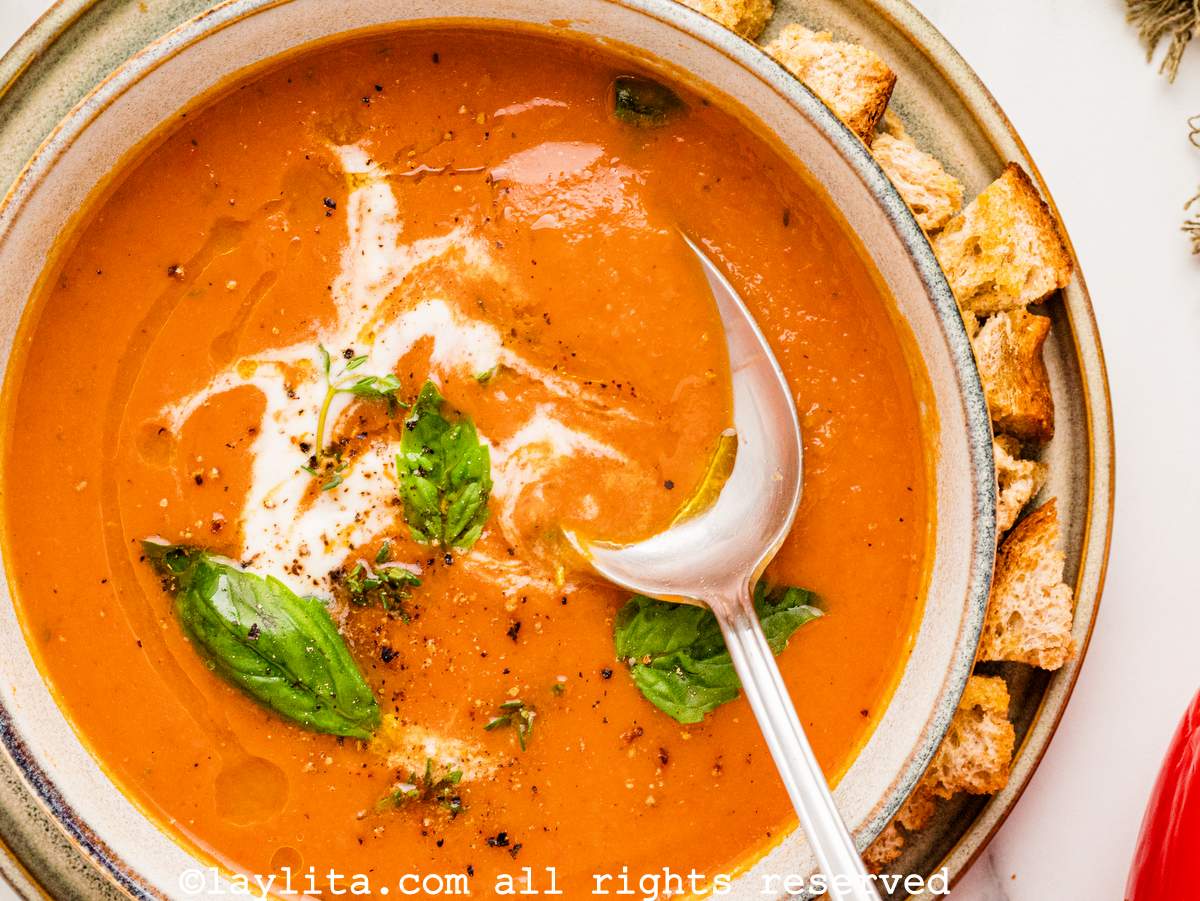
As a starter, the soup is traditionally portioned into shallow bowls and accented with contrasting textures. Common garnishes include toasted croutons, artisanal crustless bread, or a sprinkle of crumbled feta and fresh goat cheese. The sharp, briny tang of the cheese provides an effective counterpoint to the smoky sweetness of the peppers.
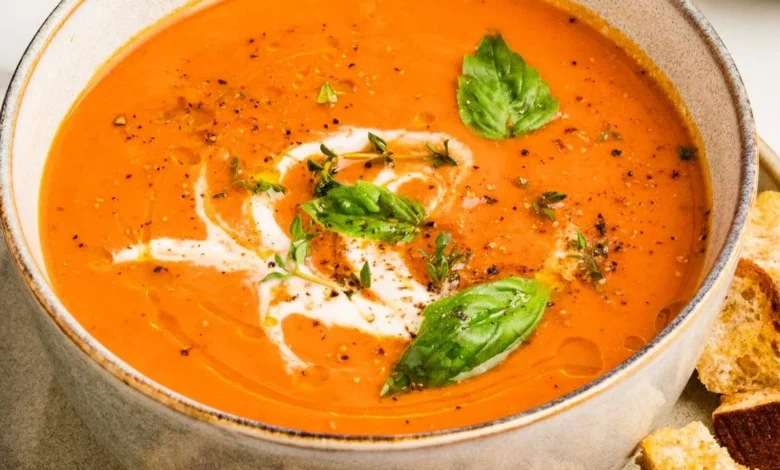
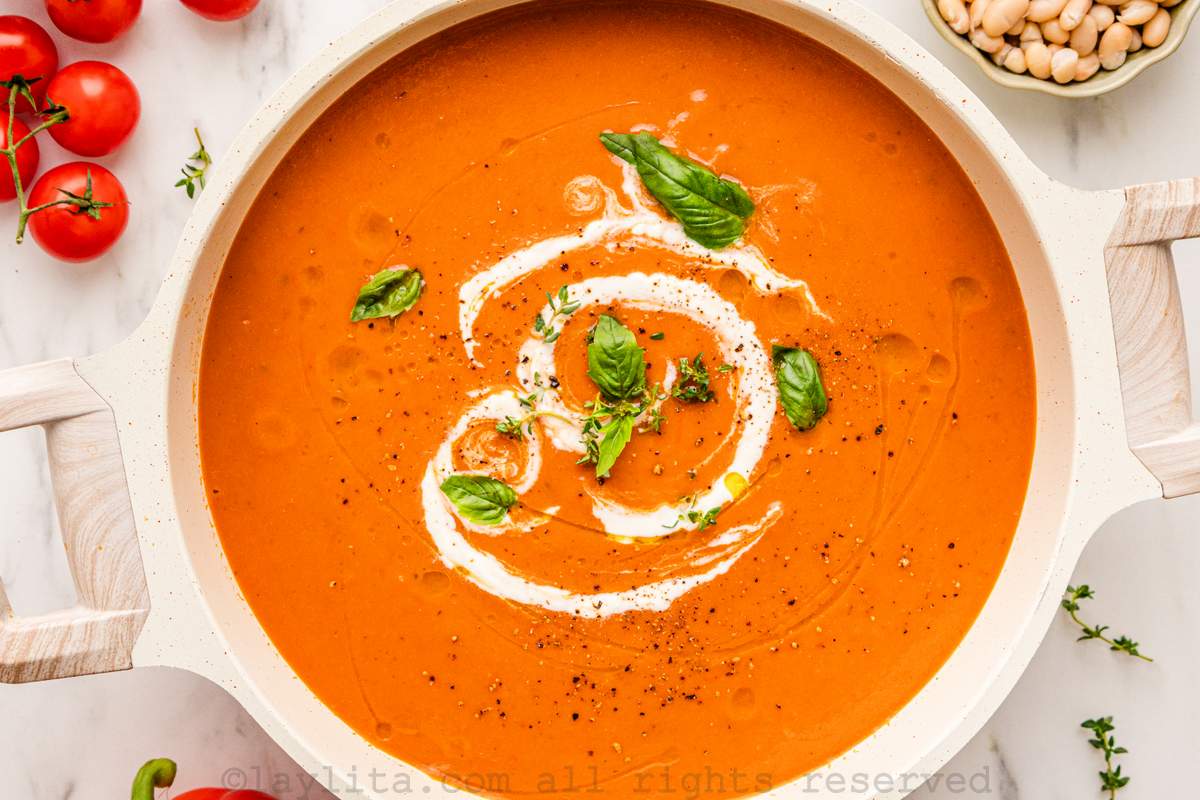
For a visually striking presentation featuring a clean cream swirl, culinary experts recommend utilizing full-fat heavy cream that has been lightly aerated with a handheld milk frother for 20 to 25 seconds. Depositing small droplets of aerated cream onto the surface and dragging them through with a toothpick creates an intricate, professional design that resists bleeding into the warm broth. For vegan adaptations, plant-based creams or coconut milk serve as viable substitutes, while sour cream or crème fraîche offers a tangier profile.
Remarkably, unlike many heavy cream-based soups, this iteration can also be served cold. The presence of tomatoes and cannellini beans prevents the chilled soup from becoming overly dense. When served cold, a final drizzle of extra virgin olive oil helps restore mouthfeel lost to lower temperatures.
Storage, Freezing, and Reheating Protocols
From a practical standpoint, roasted red pepper soup is well-suited for meal preparation and batch cooking. Once cooled to room temperature, the soup can be stored in an airtight container in the refrigerator for up to five days. Because the starch from the cannellini beans continues to absorb liquid, the soup will naturally thicken over time, particularly after the third day. Cooks are advised to incorporate a splash of vegetable broth or water when reheating on medium-low heat to restore the original consistency.
Freezing the soup is similarly straightforward. The inclusion of cannellini beans as a primary thickener—rather than dairy—eliminates the risk of separation or curdling during the freezing and thawing cycle. The soup can be stored in freezer-safe containers for up to three months. For optimal quality, it should be thawed overnight in the refrigerator before being gently rewarmed on the stovetop while stirring frequently.
Nutritional Implications and Dietary Versatility
From a nutritional perspective, this roasted red pepper soup aligns with numerous dietary frameworks, including vegetarian, gluten-free, and Mediterranean diets. By eliminating heavy cream from the base and relying on white beans for creaminess, the recipe significantly reduces saturated fat content while boosting dietary fiber and complex carbohydrates.
Furthermore, the high concentration of capsicums and tomatoes delivers substantial amounts of lycopene, a powerful carotenoid linked to cardiovascular health and cellular protection. The inclusion of garlic and aromatic herbs provides antimicrobial and anti-inflammatory properties, making this dish a popular remedy for nutritional support during cold and flu seasons.

Addressing Common Culinary Inquiries
Home cooks frequently adapt recipes to suit time constraints or kitchen equipment limitations. Below are solutions to common adjustments:
- Using Jarred Peppers: While fresh roasting yields superior caramelization, jarred roasted bell peppers can be substituted to reduce preparation time by approximately 20 minutes. Two 16-ounce jars should be drained and sautéed with the cherry tomatoes and shallots prior to blending.
-
Peeling the Peppers: Peeling is generally unnecessary as high-powered blenders adequately pulverize the softened skins. However, for a perfectly silky texture without

the use of a food mill or sieve, bell peppers can be halved, roasted skin-side up, and peeled after resting for ten minutes.

- Safe Blending Practices: When blending hot liquids in a standard countertop blender, operators should never fill the vessel beyond the halfway mark. Removing the center cap of the lid and covering the opening with a folded kitchen towel allows safe steam ventilation without pressure buildup.
Broader Culinary Context and Related Soup Traditions

This roasted red pepper soup exists within a rich global family of blended vegetable potages. Similar to traditional Ecuadorian locro soups—which frequently utilize starches like potatoes, fava beans, or green plantains to achieve luxurious textures without heavy cream—this recipe bridges international comforting traditions with modern dietary preferences.
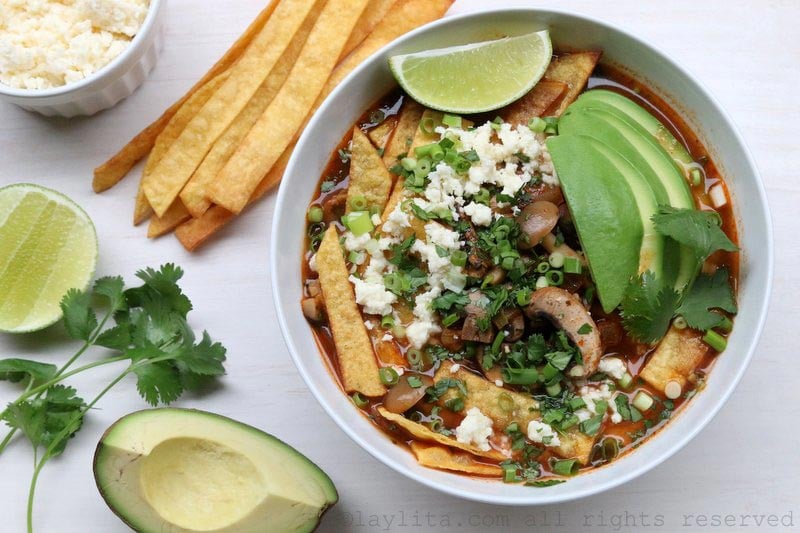
Culinary enthusiasts exploring similar flavor profiles often experiment with related recipes, such as creamy cauliflower potato soup, celeriac (celery root) soup with savory toppings, or traditional leek and potato veloutés. Each variation shares a common objective: utilizing whole, seasonal ingredients to create accessible, nourishing meals that resonate across diverse cultures and dining tables.