How to Make Homemade Sheet Pan Pizza: A Comprehensive Guide to Crafting Artisan Italian-Style Pizza in Your Kitchen

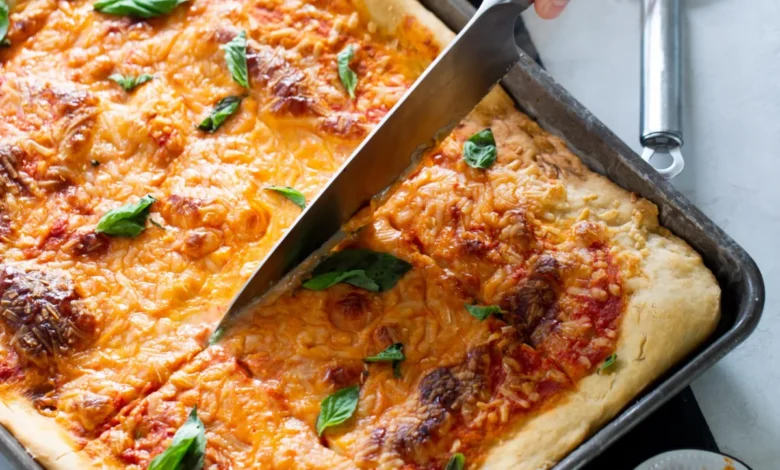
Home cooks seeking authentic culinary experiences are increasingly turning away from commercial fast-food delivery in favor of scratch-made, artisan alternatives. Among the most accessible and rewarding kitchen projects is the traditional sheet pan pizza—a style deeply rooted in Italian baking traditions that requires no specialized restaurant equipment, pizza stones, or wood-fired ovens. Culinary enthusiasts and home cooking experts note that crafting this versatile dish at home is not only remarkably straightforward but also offers complete control over ingredients, preparation timelines, and dietary customizations.
The appeal of sheet pan pizza lies largely in its simplicity and efficiency. Rather than demanding complex kneading techniques or professional-grade baking apparatuses, a successful homemade sheet pan pizza relies on a foundational dough composed of just four basic components: flour, water, yeast, and salt. This minimalist approach allows the natural flavors of the ingredients to shine, resulting in a crisp yet airy crust that rivals professional pizzerias. Furthermore, the flexibility of the recipe permits advanced preparation, allowing home chefs to ferment the dough days in advance and store it safely in the refrigerator until ready for baking.

Essential Ingredients and Dough Preparation
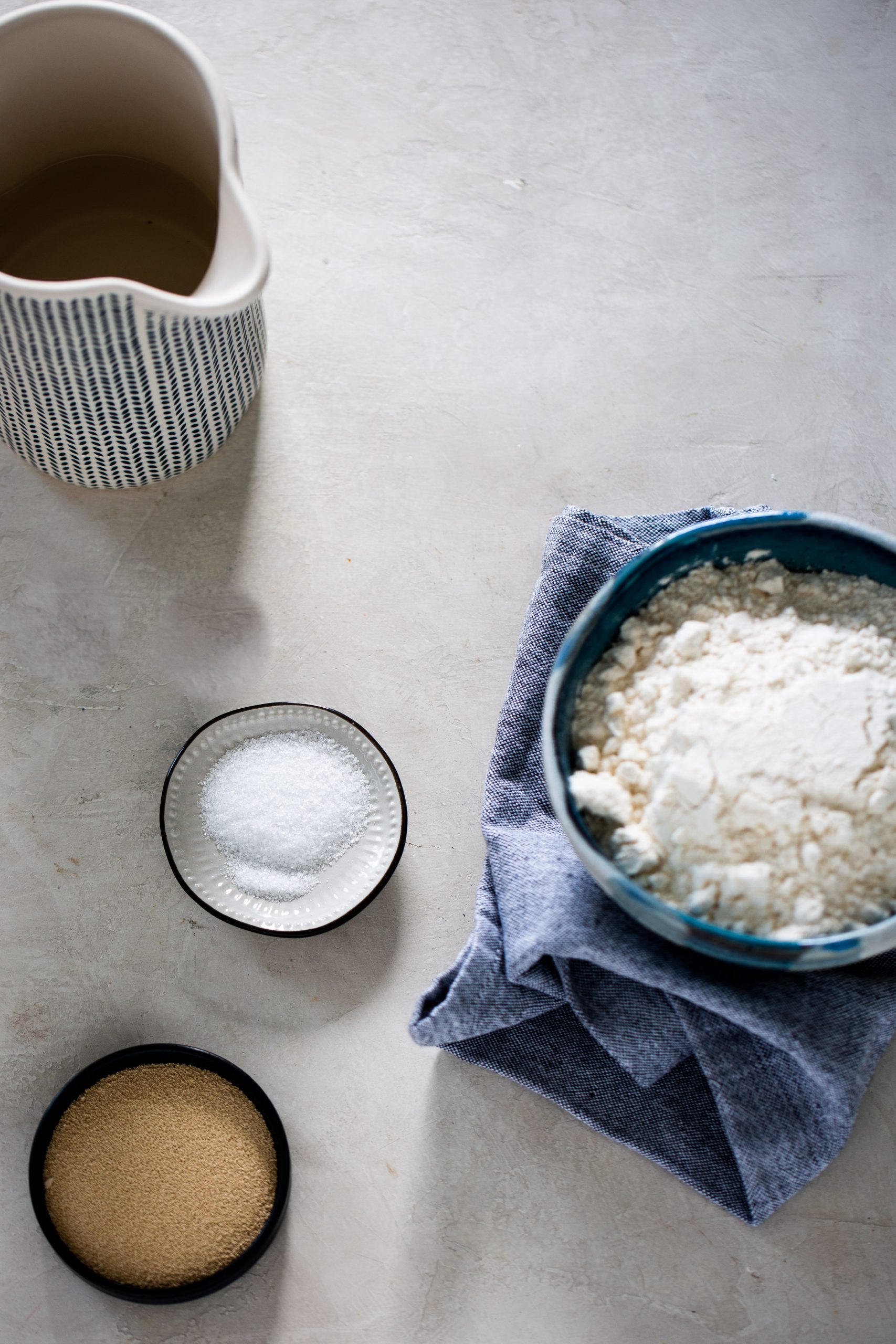
Creating an exceptional sheet pan pizza begins with mastering the foundation: the dough. Professional bakers and culinary instructors emphasize that high-quality results stem from precise measurements and proper fermentation techniques. The core ingredient list remains remarkably short, consisting strictly of unbleached all-purpose or bread flour, active dry or instant yeast, fine sea salt, and lukewarm water.
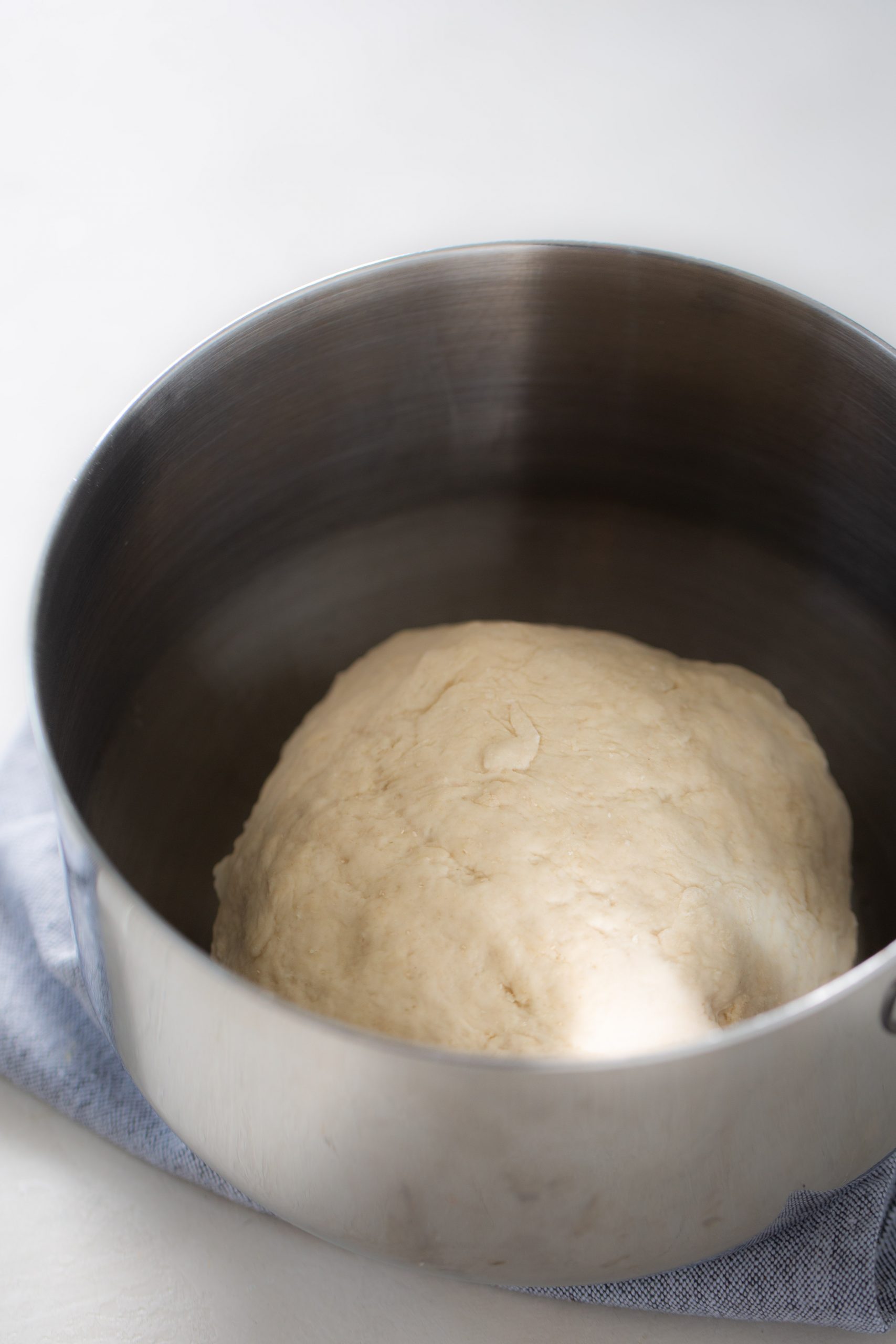
The mixing process requires minimal equipment. Home cooks can combine the dry ingredients before gradually incorporating the water, stirring until a cohesive shaggy mass forms. Following a brief rest period, light kneading develops the gluten structure necessary to trap carbon dioxide during fermentation. Once the initial dough ball is shaped, it requires a standard fermentation period of approximately two hours at room temperature to achieve optimal rise and structural integrity.
For home cooks operating on tight schedules, several accelerated fermentation methods have gained popularity within culinary communities. One common technique involves placing the covered dough bowl inside an unheated oven equipped only with an active internal oven light. The gentle, ambient warmth radiated by the bulb accelerates yeast activity without cooking the dough. Alternatively, chefs can briefly warm an oven to its lowest setting, turn it off, and place the covered dough inside to utilize residual heat. For modern kitchen appliance users, the Instant Pot offers a streamlined solution: utilizing the "Yogurt" setting on low or less allows the dough to double in size in approximately thirty minutes, providing a rapid and reliable rise.
Indicators that the dough has completed its fermentation process include a visibly doubled volume, a highly aerated interior featuring large air bubbles, and a tactile softness that yields gently to fingertip pressure before springing back. When this stage is reached, the dough can be transferred directly onto a generously oiled sheet pan, where it is gently stretched to fill the corners without defusing its delicate air pockets.
Sauce Construction and Topping Selection
While the crust provides the structural base, the sauce and toppings define the character of the pizza. Traditional Italian culinary standards favor crushed whole peeled tomatoes—specifically San Marzano tomatoes sourced from the volcanic plains near Mount Vesuvius in Italy—over heavily processed or cooked tomato purees.
Culinary experts recommend crushing the canned tomatoes by hand rather than utilizing a blender or food processor. Hand-crushing preserves a desirable rustic texture and prevents the sauce from becoming overly liquefied. Excessive liquid content in the sauce can compromise the structural integrity of the crust, leading to sogginess or adhesion to the baking sheet. A minimal addition of extra virgin olive oil and fine sea salt is generally sufficient to season the tomatoes, as the sauce will undergo its final cooking process during the high-heat bake in the home oven.
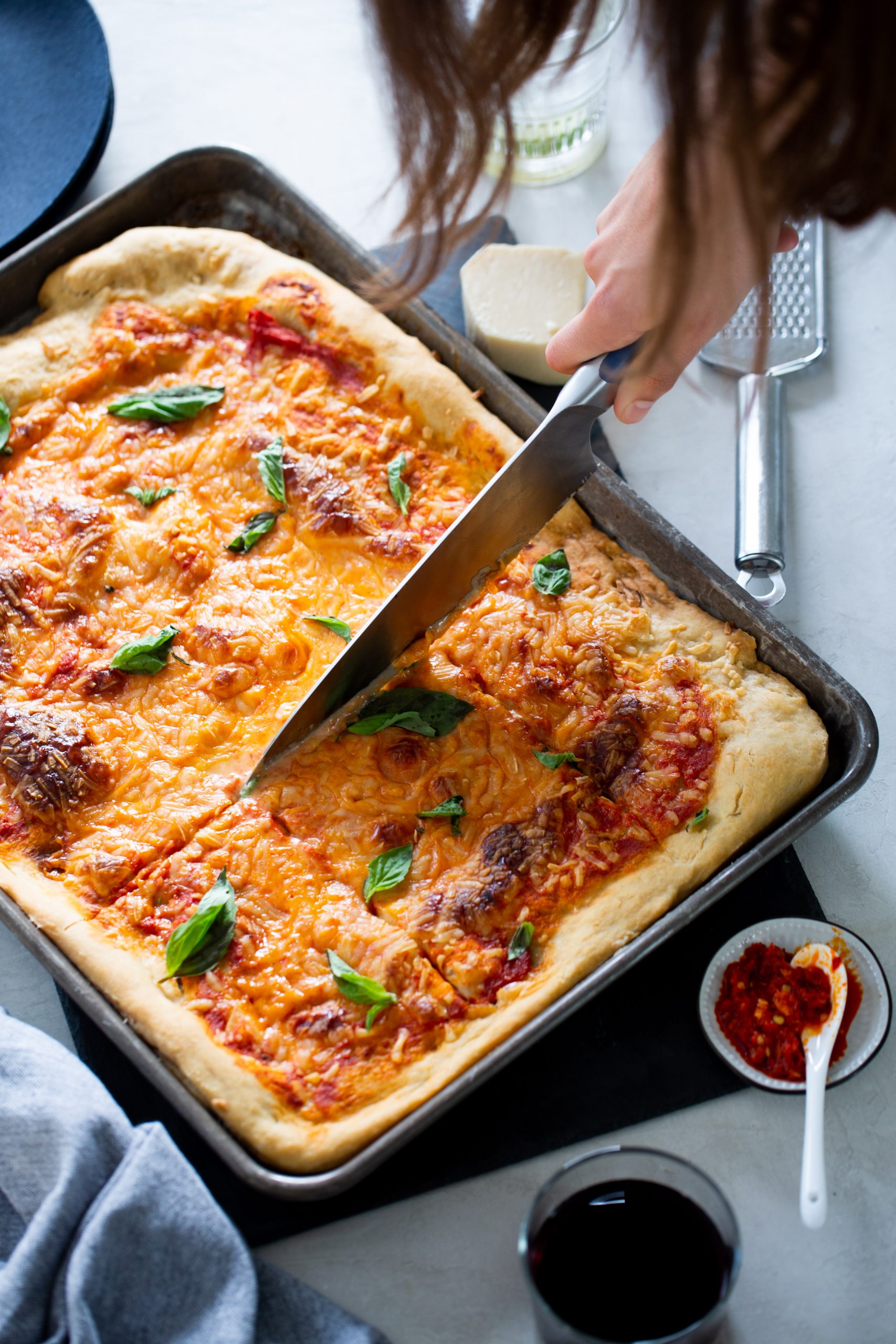
Cheese selection represents another critical variable in the recipe’s success. Food scientists and professional pizzaiolos strongly advise purchasing block mozzarella or fresh mozzarella and grating or tearing it by hand immediately prior to assembly. Pre-packaged shredded cheeses frequently contain anti-caking agents such as cellulose or potato starch, which inhibit proper melting and alter the desired creamy texture. For individuals adhering to plant-based diets, the recipe adapts seamlessly through the substitution of dairy-free vegan mozzarella alternatives, which melt comparably under high heat.
To maintain optimal aromatic profiles, delicate toppings such as fresh basil leaves should be applied strictly post-bake. Introducing fresh herbs to a high-temperature oven environment typically results in burning and the loss of essential volatile oils; therefore, garnishing the pizza immediately upon its removal from the oven ensures maximum flavor delivery.
Baking Mechanics and Temperature Control
The mechanics of sheet pan baking diverge significantly from traditional round pizza preparation. By utilizing a standard metal baking sheet, home cooks eliminate the need for thermal stones or peels. The direct contact between the oiled metal pan and the stretched dough yields a uniquely crisp bottom crust, characterized by a golden-brown exterior and a tender, chewy interior crumb structure.
Standard domestic ovens should be preheated to high temperatures—typically between 425°F and 450°F (220°C to 230°C)—to ensure rapid heat transfer and proper oven spring. The total baking time usually ranges from 12 to 18 minutes, depending on the thickness of the dough and the density of the toppings applied. Monitoring the perimeter of the crust for a deep golden hue and ensuring the cheese is fully melted and bubbling serve as visual indicators of completion.
Nutritional profiles for homemade sheet pan pizzas can vary based on portioning and specific ingredient modifications. Standard calculations indicate that a generously portioned sheet pan recipe yielding twelve servings averages approximately two kilocalories per standardized serving, though adjustments in cheese quantity and oil usage will proportionally alter caloric and macronutrient totals.
Broader Culinary Implications and Home Cooking Trends
The growing preference for sheet pan pizza reflects a broader cultural shift toward domestic culinary self-sufficiency. Market research into consumer habits highlights a steady rise in scratch-cooking trends, driven by consumer desire for ingredient transparency, cost-effectiveness, and creative autonomy in the kitchen.
By eliminating reliance on commercial fast-food supply chains, home cooks gain complete oversight over the nutritional content of their meals, avoiding hidden preservatives, excessive sodium levels, and industrial processing agents. Furthermore, the interactive nature of stretching dough, crushing tomatoes, and customizing toppings transforms routine meal preparation into an engaging social activity suitable for families and culinary hobbyists alike.
As kitchen appliance technology continues to evolve—incorporating precision temperature controls, multi-functional pressure cookers, and specialized home baking accessories—techniques for producing restaurant-quality artisan food at home will likely become even more accessible. The enduring popularity of sheet pan pizza underscores a fundamental truth of modern gastronomy: with basic ingredients and sound technique, exceptional culinary results are achievable within any standard residential kitchen.
Related posts: