Culinary Origins and Flavor Chemistry
The practice of utilizing coffee in savory rub applications is not merely a modern trend but an extension of long-standing global traditions where bitter, acidic, and roasted elements are paired with proteins to create a balanced sensory experience. In many Latin American cultures, where coffee production is a cornerstone of the economy, the incorporation of high-quality, ground coffee into spice blends for meats like pork and beef is a recognized technique.
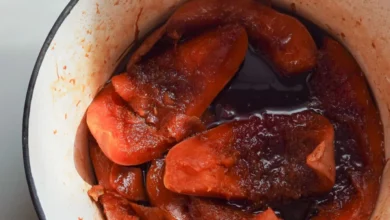
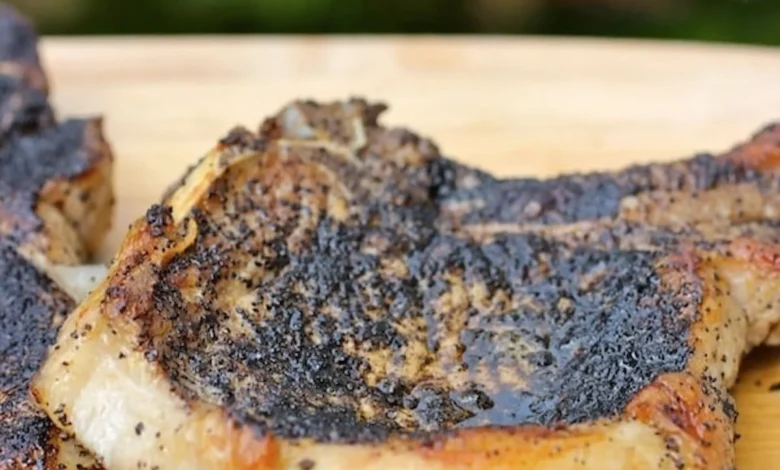
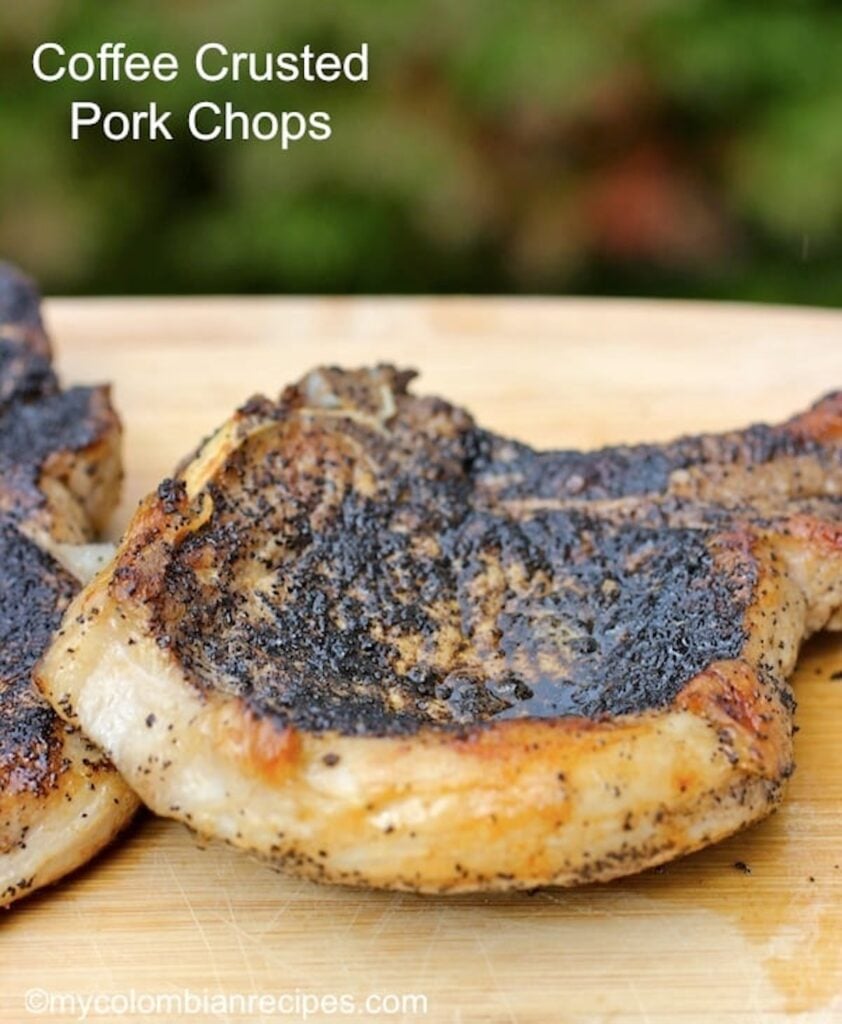
From a biochemical perspective, the application of finely ground coffee to pork provides more than just flavor. The natural enzymes and acidity within coffee beans act as a mild tenderizer for muscle fibers. When combined with the high heat of a searing process—whether in a cast-iron skillet or on a grill—the sugars in the coffee undergo a Maillard reaction, creating a deep, caramelized crust. This crust acts as a barrier, sealing in the pork’s natural juices and providing a textural contrast to the tender meat interior.
The Evolution of the Pork Chop in Domestic Cooking
Historically, the pork chop has occupied a unique space in the culinary landscape. Often viewed as an affordable, accessible protein, its reputation has evolved alongside advancements in food safety and agricultural practices. In the United States, the USDA updated its cooking temperature guidelines for whole cuts of pork to 145 degrees Fahrenheit in 2011, a change that significantly improved the final texture of the dish by allowing for a medium-cooked result rather than the historically dry, well-done preparation.
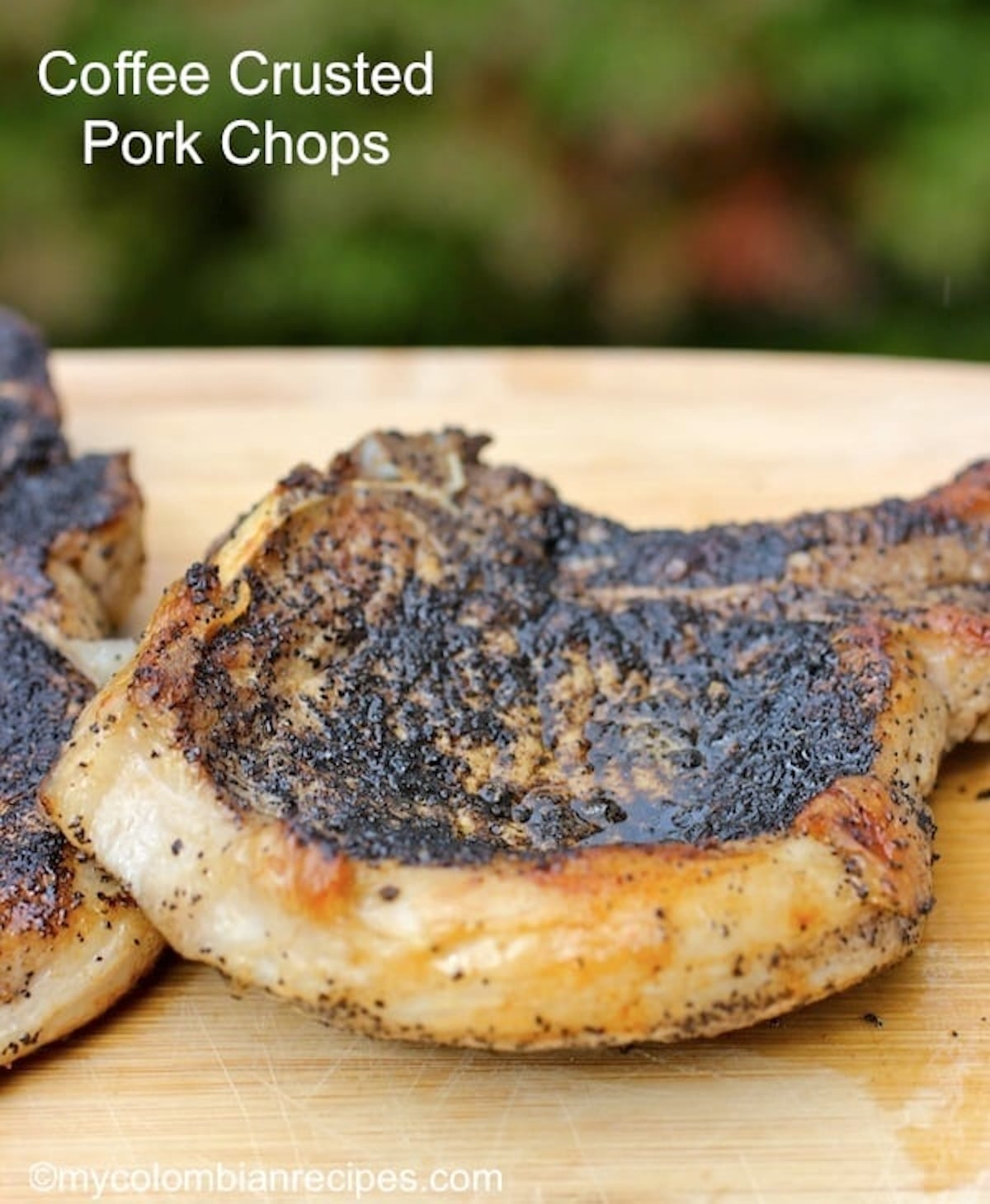
This shift has encouraged home cooks to treat pork chops with the same level of care as a premium steak. The use of a coffee rub elevates this transition, moving the pork chop from a utilitarian weeknight staple to a dish worthy of formal entertaining. Industry data suggests that consumer interest in "gourmet-at-home" recipes has surged by approximately 22% over the last decade, with an emphasis on recipes that require minimal specialized equipment but offer high-impact flavor profiles.
A Chronological Approach to Preparation
Achieving the optimal result for coffee-crusted pork involves a disciplined, multi-stage cooking process. Experts in culinary arts emphasize the importance of preparation:
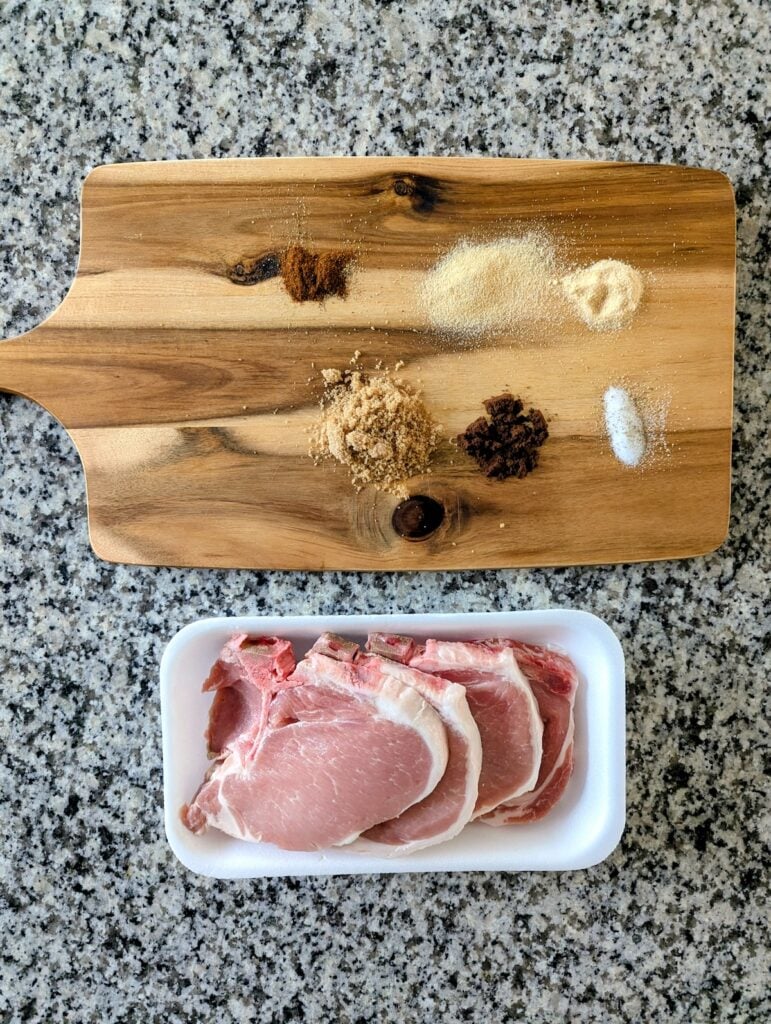
- Preparation (T-minus 30 minutes): The meat must be tempered to room temperature to ensure even cooking. The dry rub—typically consisting of ground coffee, brown sugar, smoked paprika, salt, and pepper—is applied evenly across the surface. The sugar provides the necessary sweetness to balance the bitterness of the roast coffee, while the spices add a foundational depth.
- Searing (0–5 minutes): A heavy-bottomed pan, such as seasoned cast iron, is essential. The searing phase should be brief to ensure the crust develops a dark, mahogany color without burning the coffee grounds, which can turn acrid if overheated for an extended period.
- Oven Finishing (5–20 minutes): Moving the pork to an oven at a moderate temperature (approximately 375°F) allows the interior to reach the recommended internal temperature of 145°F without compromising the integrity of the crust.
- Resting (5 minutes): Resting the meat is a non-negotiable step that allows the protein fibers to reabsorb moisture, ensuring the cut remains succulent upon service.
Nutritional Profile and Dietary Implications
From a nutritional standpoint, the coffee-crusted pork chop offers a high-protein, relatively low-carbohydrate profile. A standard four-ounce serving typically contains approximately 311 kilocalories and 36 grams of protein. Because the crust is comprised primarily of spices and aromatics, it adds minimal caloric density while providing significant mineral content, including iron and potassium.
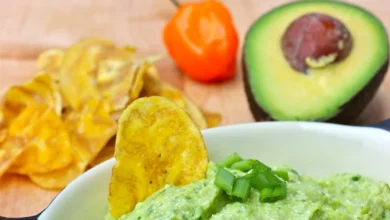
The inclusion of coffee also introduces antioxidants into the meal, though the impact of these compounds through heat-treated rub applications is secondary to their flavor-enhancing properties. When paired with nutrient-dense sides such as roasted root vegetables, beets, or fresh avocado, the dish forms a balanced meal that aligns with contemporary dietary guidelines emphasizing lean proteins and complex, whole-food ingredients.
Broader Economic and Cultural Impacts
The versatility of the coffee rub—which is equally effective on pork loin, ribs, and beef cuts—demonstrates the broader trend of "ingredient cross-utilization" in modern kitchens. As food costs continue to fluctuate, consumers are increasingly seeking methods to make budget-friendly proteins feel elevated.
Furthermore, the integration of traditional regional ingredients—such as Colombian-grown coffee—into global recipe formats serves as a form of culinary diplomacy. It highlights the quality of agricultural exports while encouraging home cooks to explore flavors that transcend local supermarkets. The recipe’s adaptability for both casual weeknight dinners and high-end hosting reflects a shift in social dining, where the barrier between "everyday cooking" and "company-worthy meals" is increasingly blurred by the use of high-impact seasoning techniques.
Professional Culinary Analysis
Leading chefs have noted that the success of a coffee-crusted dish lies in the grind of the coffee. A fine-to-medium grind is generally preferred; if the grounds are too coarse, they create an unpleasant, sandy texture that detracts from the meat. If too fine, they may burn prematurely. The balance of acidity, bitterness, and sweetness is the hallmark of a well-executed rub.
The enduring popularity of this preparation method speaks to the fundamental human preference for contrasting flavor profiles. By combining the earthy, bitter notes of the coffee with the savory, fatty profile of the pork, the dish achieves a level of complexity that is rarely found in simpler, salt-and-pepper preparations. As the culinary world continues to prioritize bold, multi-dimensional flavors, the coffee-crusted pork chop remains a testament to the fact that basic, accessible ingredients, when applied with an understanding of chemistry and technique, can produce restaurant-quality results in any home kitchen.
Ultimately, the dish serves as a blueprint for the modern cook: it is efficient, utilizing minimal cleanup (often a single-pan method); it is economical; and it is deeply rooted in a blend of traditional spice-rub techniques and modern culinary innovation. As more households look to diversify their home menus, the coffee-crusted pork chop stands as a reliable, sophisticated option that continues to influence modern home-cooking trends.