Colombia’s culinary landscape is as diverse as its geography, spanning from the mist-covered Andean highlands to the sun-drenched Caribbean coastline. Central to this gastronomic identity is a sophisticated tradition of beverage preparation that utilizes the nation’s unparalleled biodiversity. Colombian drinks are characterized by a reliance on fresh, seasonal ingredients, including exotic fruits, sugar cane, and local dairy, reflecting a history of indigenous, Spanish, and African influences. These beverages serve not only as refreshments but as cultural markers, deeply embedded in the social fabric of the country.
The Historical and Cultural Context of Colombian Libations
The evolution of Colombian beverages is intrinsically linked to the country’s agricultural history. The introduction of sugarcane by Spanish settlers in the 16th century laid the foundation for panela—unrefined whole cane sugar—which remains the backbone of the Colombian beverage industry. This versatile sweetener is the primary ingredient in foundational drinks like aguapanela, consumed daily by millions of citizens across various socioeconomic strata.
Furthermore, the country’s equatorial position provides a year-round harvest of tropical fruits, such as lulo, tamarind, and coconut. This abundance has fostered a culture where fresh juice preparation is an essential daily practice rather than a luxury. According to agricultural reports from the Colombian Ministry of Agriculture, the internal consumption of native fruits for beverage production represents a significant portion of the domestic market, underscoring the vital role these drinks play in supporting local farmers.
A Chronological Survey of Traditional Preparations
The development of these drinks can be categorized into three distinct phases: the pre-colonial era, the colonial adaptation, and the modern fusion.
In the pre-colonial era, indigenous communities developed fermentation techniques using local grains and fruits. Following the Spanish conquest, these were heavily influenced by European traditions, particularly the importation of dairy and distillation practices. By the 20th century, these traditional recipes underwent a "modernization" process, leading to the creation of popular commercial products like the Refajo—a social cocktail that pairs local soda with beer—which reflects the country’s evolving urban nightlife and social habits.
Detailed Analysis of Signature Colombian Drinks
1. The Andean Hot Chocolate Tradition
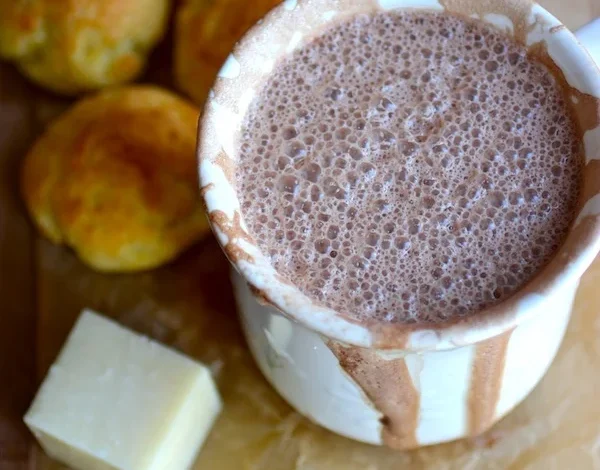
In the high-altitude climate of Bogotá, the consumption of hot chocolate—specifically Chocolate Santafereño—is a cultural institution. Unlike European variations, this drink is often served with a wedge of firm, salty cheese and crusty bread. The interplay between the sweetness of the cocoa and the savory notes of the cheese is a hallmark of Andean dining. Variations such as Chocolate en Leche de Coco (hot chocolate made with coconut milk) highlight the influence of Afro-Colombian culinary techniques, particularly in coastal regions.
2. Sugarcane-Based Staples: Aguapanela and Canelazo
Aguapanela is the quintessential Colombian beverage. Composed of water and panela, it serves as a base for both hot and cold refreshments. Its significance extends beyond the kitchen; it is widely regarded as a medicinal staple used to treat ailments ranging from the common cold to fatigue. Canelazo, a fermented or distilled adaptation of this base, is infused with cinnamon and often spiked with aguardiente, the national spirit. This beverage is a staple during the winter solstice and religious festivals in the mountains, providing both warmth and energy.
3. Fermented and Dairy-Based Drinks
Kumis and Avena represent the dairy-centric side of Colombian drink culture. Kumis, a fermented milk beverage, is ubiquitous in retail markets. It serves as a probiotic staple, mirroring global trends toward health-conscious, fermented foods. Avena Colombiana, a thickened, spiced oat beverage, acts as a hearty, nutrient-dense drink that is often consumed as a meal replacement or a mid-afternoon snack, demonstrating the practical application of cereal grains in the Colombian diet.
4. Coastal Refreshments and Tropical Juices
The Caribbean coast offers a distinctly different profile, characterized by the heavy use of coconut and citrus. Limonada de Coco is a primary example of this regional specialty, blending the tartness of lime with the rich fat content of fresh coconut. Similarly, the Coco Loco cocktail—a mixture of various spirits and coconut cream—serves as a primary tourist-facing beverage, highlighting the country’s growing role as a destination for international culinary tourism.
5. Spirits and Social Mixers
The distillation industry in Colombia is dominated by Aguardiente, a clear, anise-flavored spirit derived from sugarcane. Its social impact cannot be overstated; it is the drink of choice for family gatherings, public celebrations, and regional festivals. The Refajo, a unique cocktail created by mixing Colombiana (a cream soda) with beer, serves as an example of Colombian ingenuity in the beverage space—a "poor man’s cocktail" that has transcended class lines to become a national staple at barbecues and sporting events.
Economic and Global Implications
The global culinary market has shown an increasing interest in Latin American flavors, with Colombian beverages leading the charge in the "exotic juice" category. Data from export associations indicates that the demand for fruit pulps, which serve as the base for many of these traditional drinks, has seen a steady increase in North American and European markets.
However, the preservation of these traditions faces challenges. As urban populations shift toward mass-produced, carbonated, and synthetic alternatives, traditional preparation methods—such as the artisanal production of panela or the long-form brewing of avena—are at risk of dilution. Industry analysts suggest that the "gastronomic tourism" sector is a critical defense mechanism for these traditions. By promoting these 12 drinks as part of the authentic Colombian experience, the country is effectively commodifying its cultural heritage in a way that protects, rather than erodes, local knowledge.
Nutritional and Cultural Perspectives
From a nutritional standpoint, many of these drinks are high in natural sugars and carbohydrates, serving a specific purpose for a population historically engaged in manual labor or high-altitude mountain travel. For instance, the combination of sugar and dairy in Avena provides a sustained energy release.
Sociologists often point to the communal nature of these drinks. Whether it is the sharing of a Refajo at a tejo (a traditional Colombian sport) court or the ritualistic preparation of Chocolate Santafereño on a Sunday morning, these beverages function as social lubricants. They facilitate conversation and bridge the gap between generational differences, as recipes are typically passed down orally through families, most notably from grandmothers to grandchildren.
Conclusion
The beverage landscape of Colombia is a testament to the country’s resilience and its ability to synthesize diverse cultural elements into a cohesive national identity. From the potent, anise-heavy Aguardiente to the cooling, refreshing Jugo de Tamarindo, these 12 drinks offer a window into the history, geography, and social customs of the nation. As Colombia continues to integrate into the global tourism and culinary market, these traditional recipes stand as a reminder of the country’s deep-rooted connection to the land and the importance of preserving the intangible heritage of the kitchen. For the international observer, these beverages are not merely liquids in a glass; they are a complex, sensory narrative of a nation in constant transition.