The Ultimate Guide to Crafting the Perfect Fresh Watermelon Margarita at Home

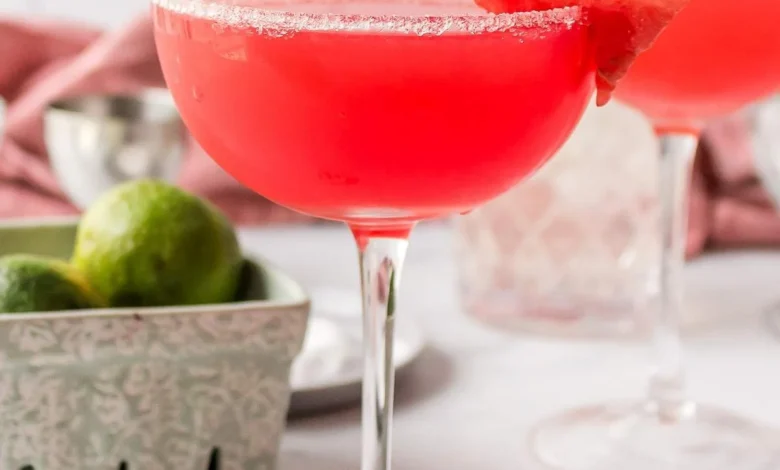
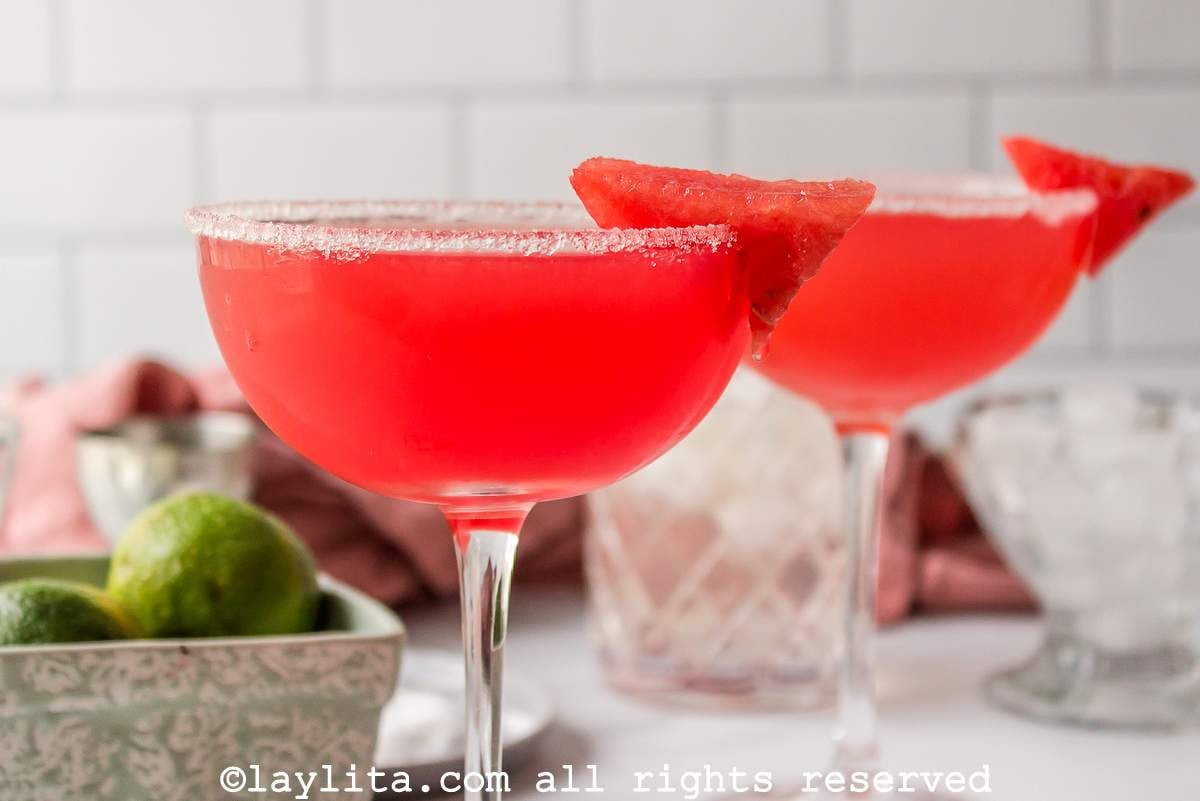
The quintessential flavor of summer is increasingly being captured not just in desserts and salads, but behind the modern cocktail bar, where fresh, seasonal fruit takes center stage. Among the most popular iterations of this culinary trend is the watermelon margarita, a vibrant, refreshing variation of the classic Mexican cocktail that balances the natural sweetness of fresh melon with the sharp acidity of lime juice and the distinct profile of quality tequila. As consumer demand for craft beverages made with real, whole-food ingredients continues to surge across the hospitality and home-entertaining sectors, recipes featuring fresh produce have become staple features for seasonal gatherings, backyard barbecues, and celebratory events such as Cinco de Mayo.
Background Context and the Rise of Craft Margaritas
The margarita holds a storied place in cocktail history, traditionally recognized as a simple yet harmonious blend of tequila, orange liqueur, and fresh lime juice, typically served in a salt-rimmed glass. While the drink’s exact origins remain a subject of debate—with various accounts tracing its creation to Mexico in the late 1930s and 1940s—its evolution into a global phenomenon has paved the way for endless experimentation.
In recent years, the craft cocktail movement has fundamentally shifted consumer expectations. Diners and home hosts alike increasingly reject heavy, pre-made commercial sweet-and-sour mixes in favor of scratch-made beverages utilizing fresh fruits, herbs, and cold-pressed juices. Watermelon, with its high water content, natural hydration properties, and bright, refreshing flavor profile, has emerged as a premier seasonal ingredient for warm-weather mixology. Unlike artificial flavorings, fresh watermelon puree imparts a delicate sweetness and a striking pink-to-red hue that elevates the visual and sensory appeal of the drink without overwhelming the foundational spirits.
Anatomy of the Drink: Core Ingredients and Selection Criteria
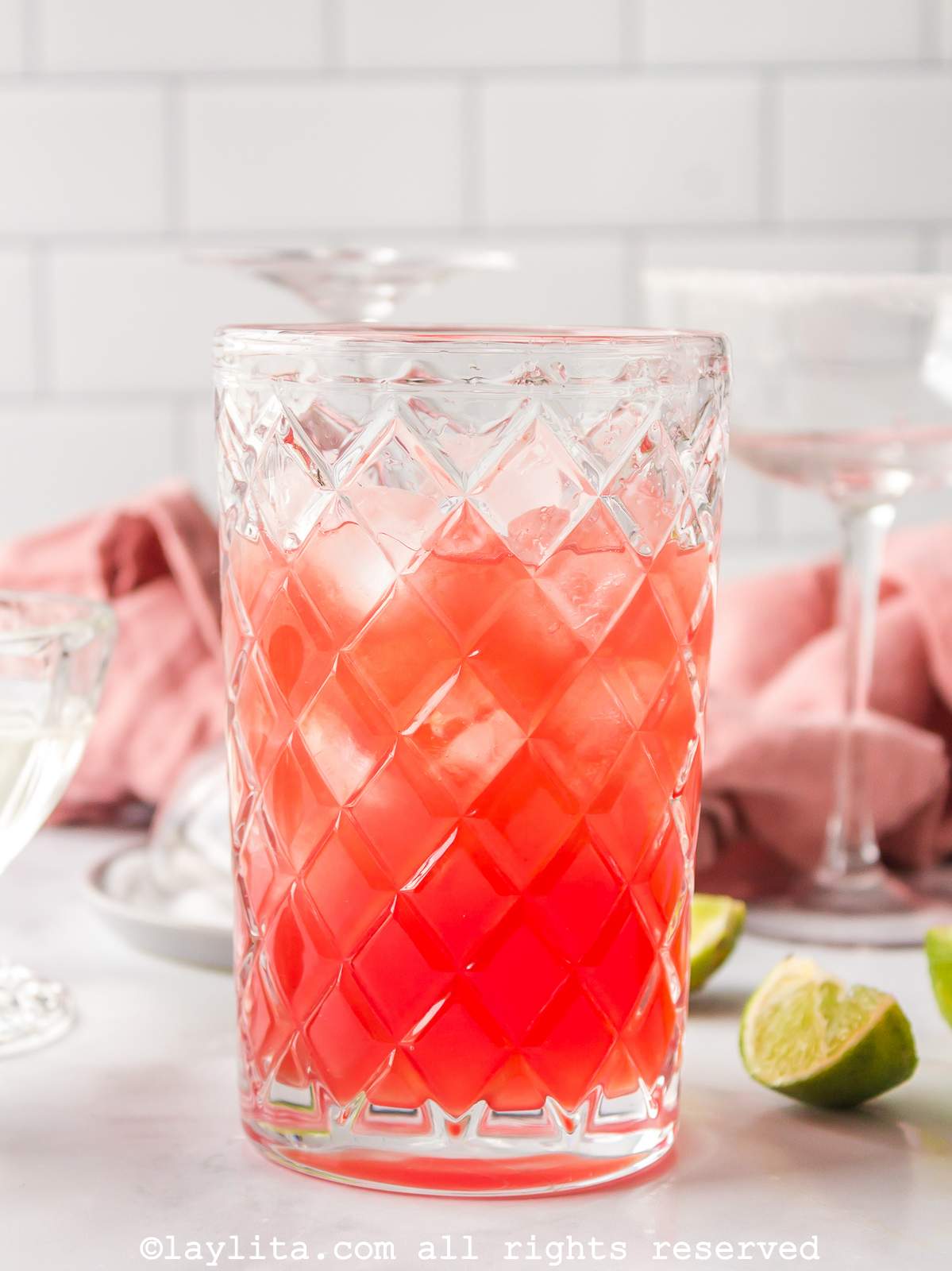
Creating a balanced watermelon margarita requires careful attention to ingredient selection, as the relative mildness of the melon can easily be masked by overly aggressive spirits or excessive sweeteners.
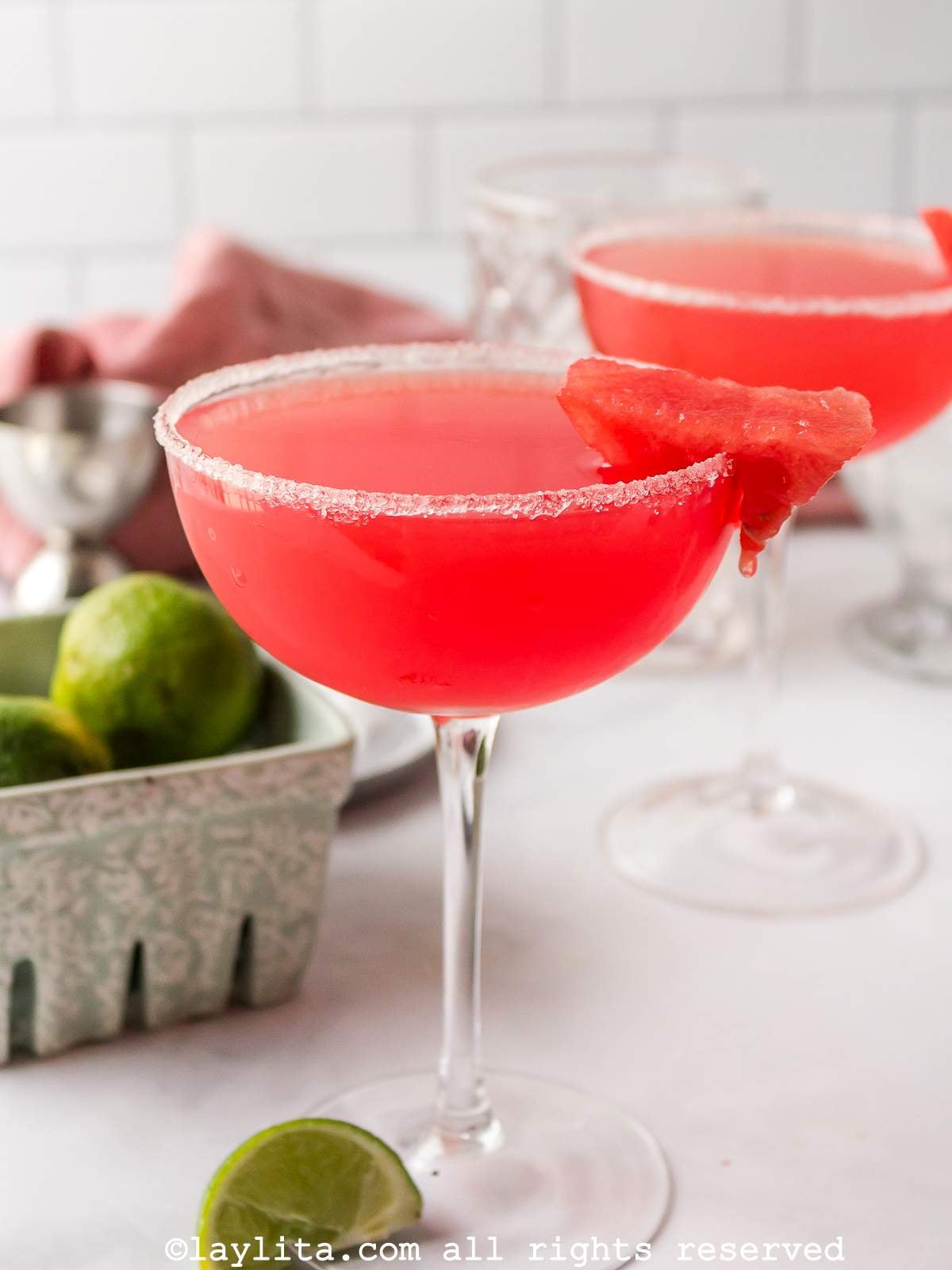
Tequila Selection
Industry professionals and mixologists consistently recommend a quality blanco (silver) tequila for fruit-forward margaritas. Blanco tequila is unaged—or aged for less than two months—allowing its clean, crisp, and herbaceous flavor notes to shine through. This unadulterated profile complements the delicate sweetness of fresh watermelon. Conversely, aged varieties such as reposado or añejo introduce heavy oak, vanilla, and caramel notes derived from barrel aging, which can clash with the bright, fresh fruit flavors.
The Fruit Foundation
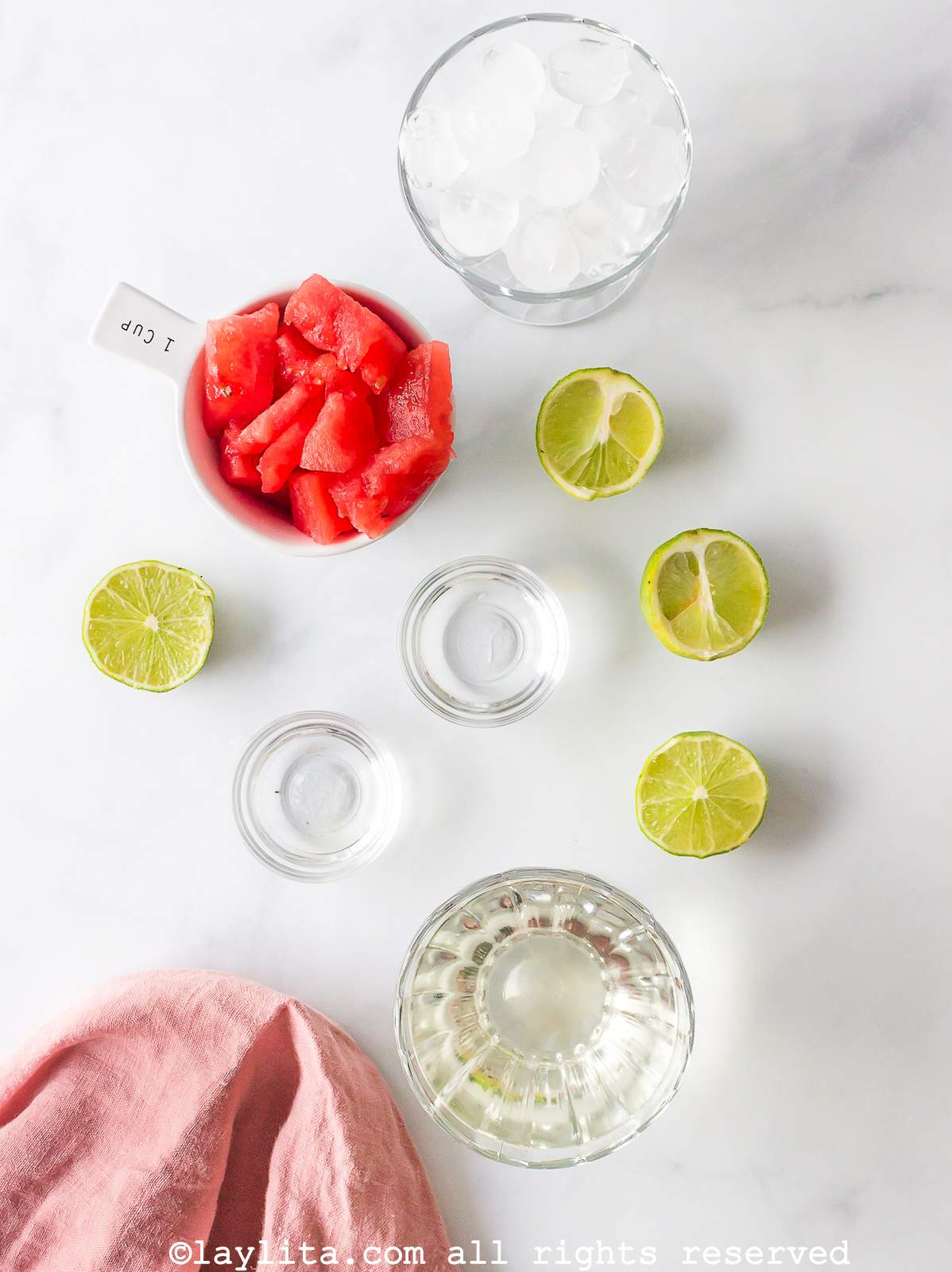
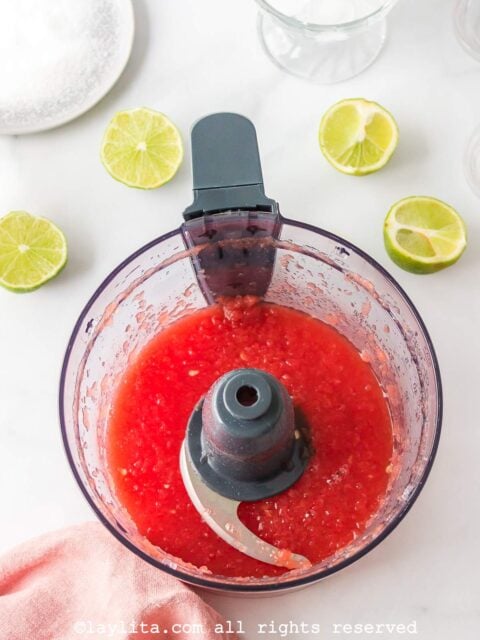
The success of the cocktail hinges entirely on the quality of the watermelon. Selecting a ripe, sweet melon with deep red flesh ensures optimal natural sugar content, reducing the need for added simple syrup. For the best texture, the freshly cubed watermelon is typically blended until smooth and then strained to remove excess pulp, yielding a silky juice that integrates seamlessly with the alcohol.
Balancing Agents and Modifiers
To achieve the classic sweet-and-tart equilibrium characteristic of a superior margarita, fresh lime juice is non-negotiable. Bottled citrus juices contain preservatives that introduce metallic or overly acidic off-notes, whereas fresh-squeezed lime juice provides a sharp, clean tang. Orange liqueur, such as Triple Sec or Cointreau, adds a subtle citrus depth and structural complexity, while a minimal amount of simple syrup or agave nectar can be incorporated to adjust the sweetness depending on the natural sugar levels of the melon.
Step-by-Step Preparation Methodology
Crafting a professional-grade watermelon margarita at home involves a straightforward sequence of preparation, emphasizing temperature control and immediate service to prevent dilution.
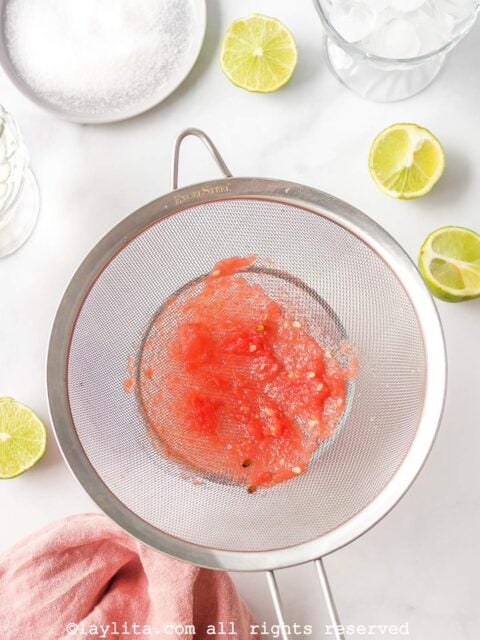
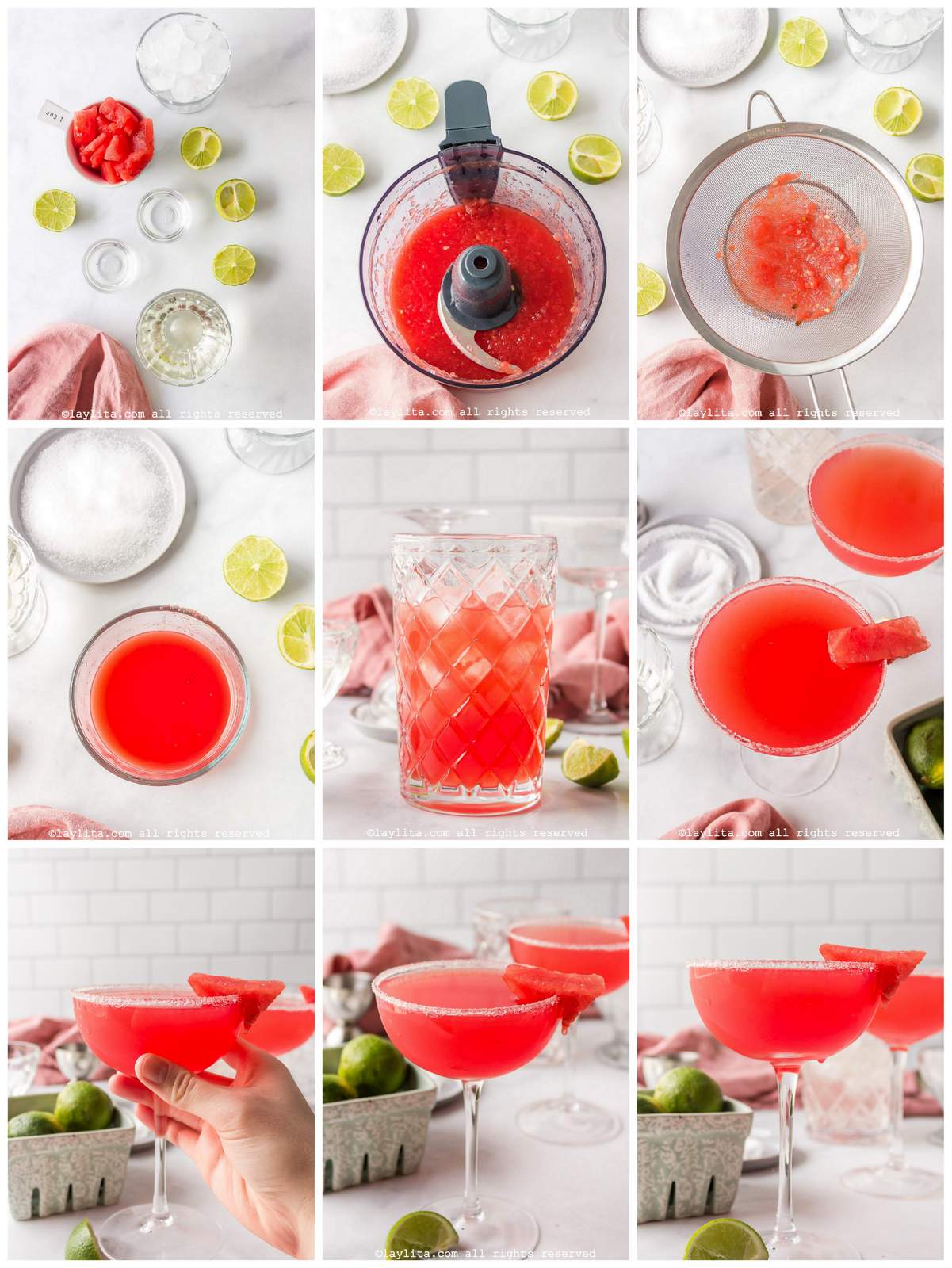
- Preparation of the Fruit: Seedless watermelon is cubed and pureed in a blender until completely liquified. For a refined mouthfeel, the mixture is passed through a fine-mesh sieve to remove fibrous pulp.
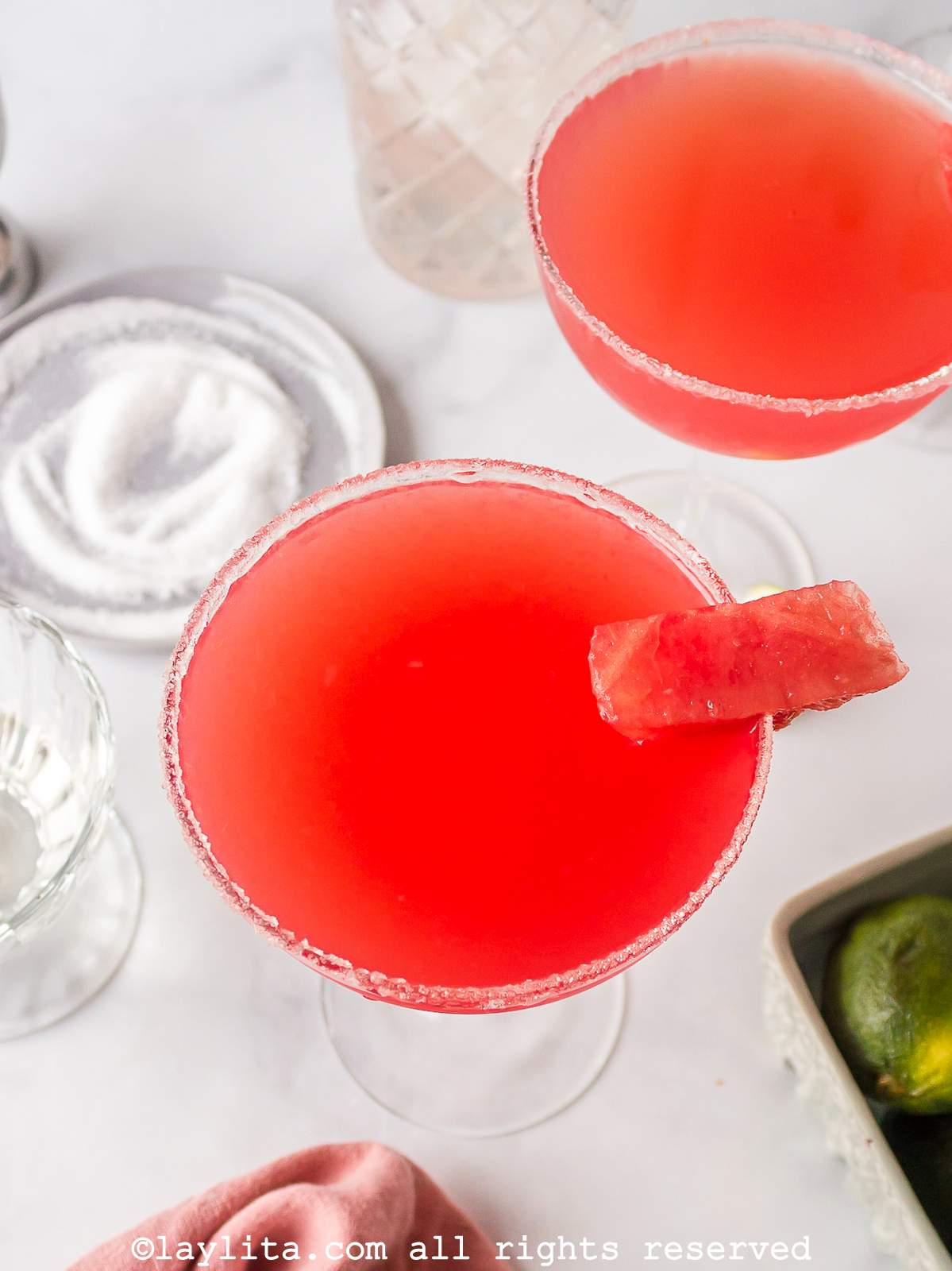
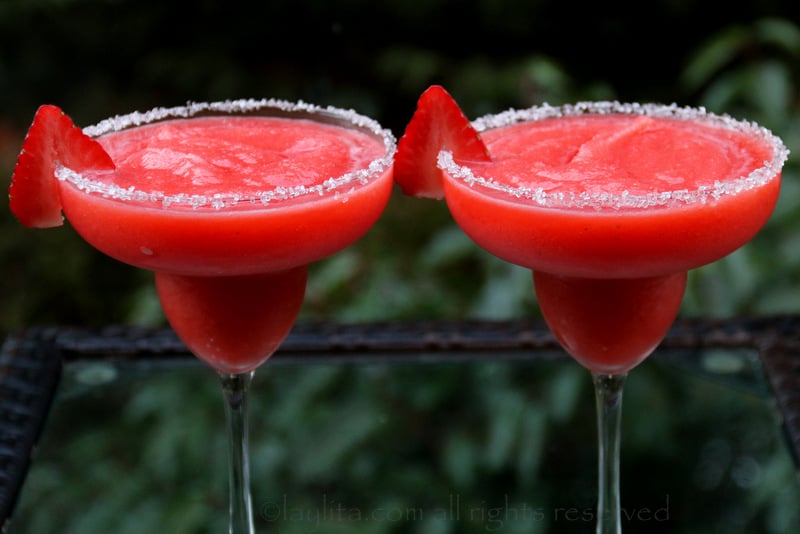
- Glass Preparation: Coupe or rocks glasses are rimmed with a combination of fine sugar and a pinch of salt to provide a textural and flavor contrast to the sweet cocktail.
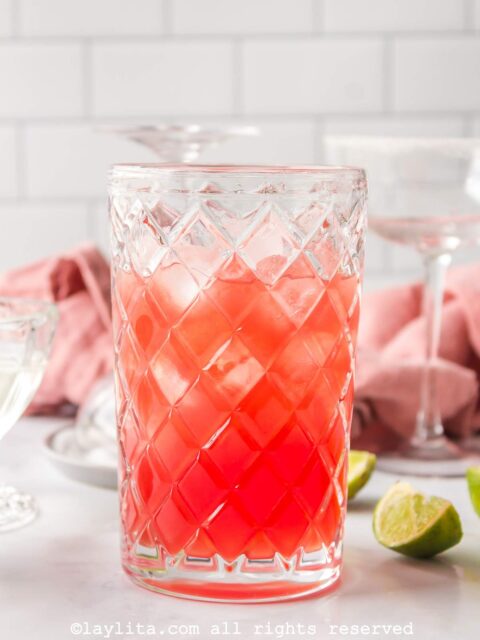
- Shaking the Cocktail: In a cocktail shaker filled with ice, combine the blanco tequila, triple sec, fresh lime juice, simple syrup (if needed), and the freshly prepared watermelon juice. Shake vigorously for approximately 10 to 15 seconds to chill the ingredients thoroughly and achieve proper aeration.
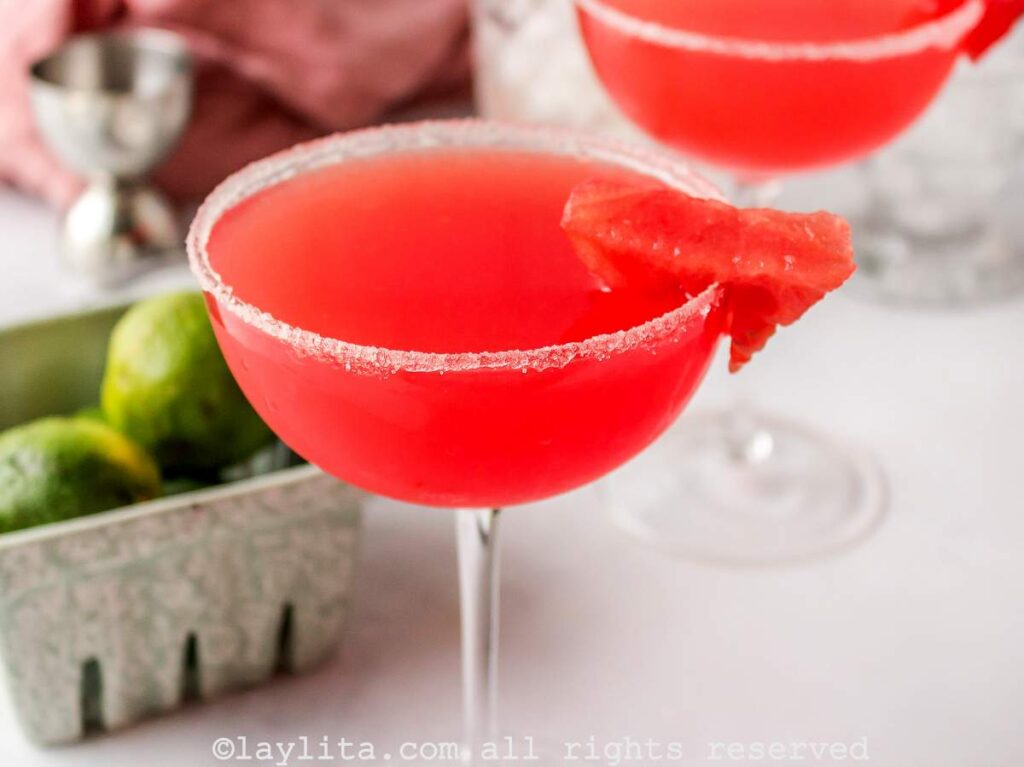
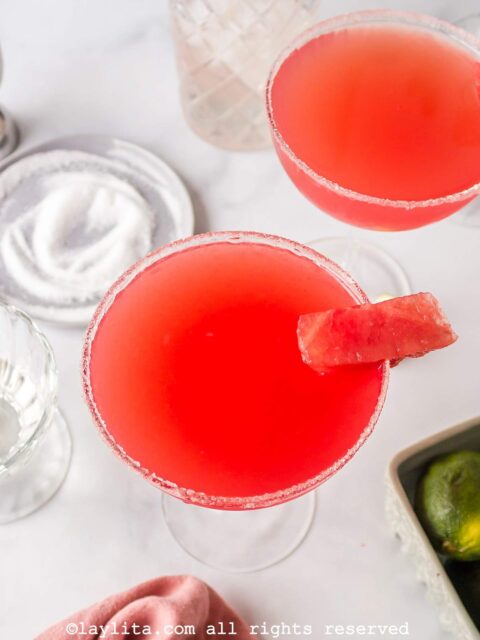
- Strain and Serve: Strain the mixture into the prepared glasses. Because watermelon has a high water content, serving the drink immediately prevents the melting ice from diluting the delicate flavors. Garnish with a small wedge of fresh watermelon or a lime wheel.
Variations, Substitutions, and Dietary Adaptations
As dietary preferences and consumer trends diversify, mixologists have developed numerous adaptations of the traditional recipe to accommodate various tastes and restrictions.
Non-Alcoholic and Mocktail Alternatives
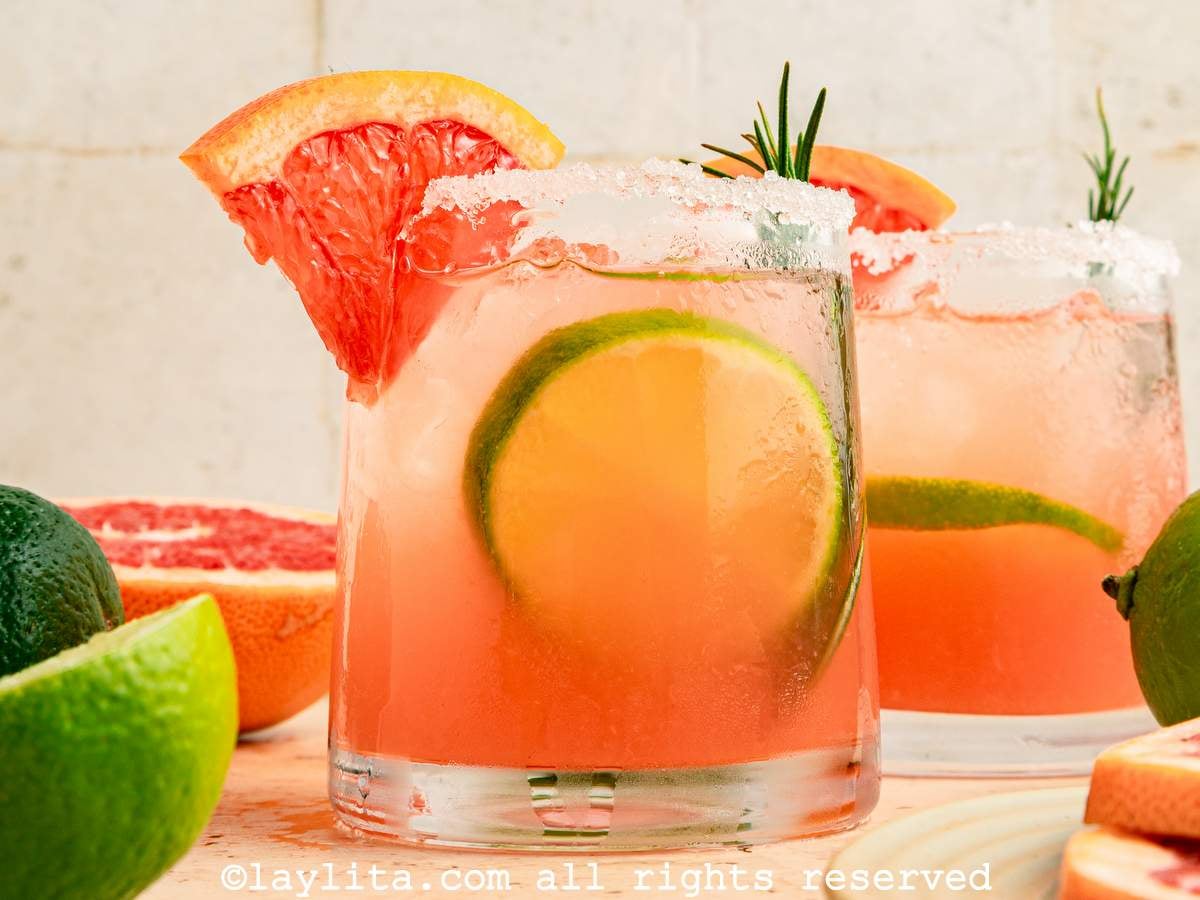
For individuals seeking a non-alcoholic beverage without sacrificing complexity, the spirit components can be entirely omitted. By replacing the tequila and triple sec with a splash of fresh orange juice and high-quality sparkling water or club soda, hosts can create a sophisticated watermelon mocktail that retains the refreshing, fruity characteristics of the original recipe.
Flavor Enhancements and Heat Profiles
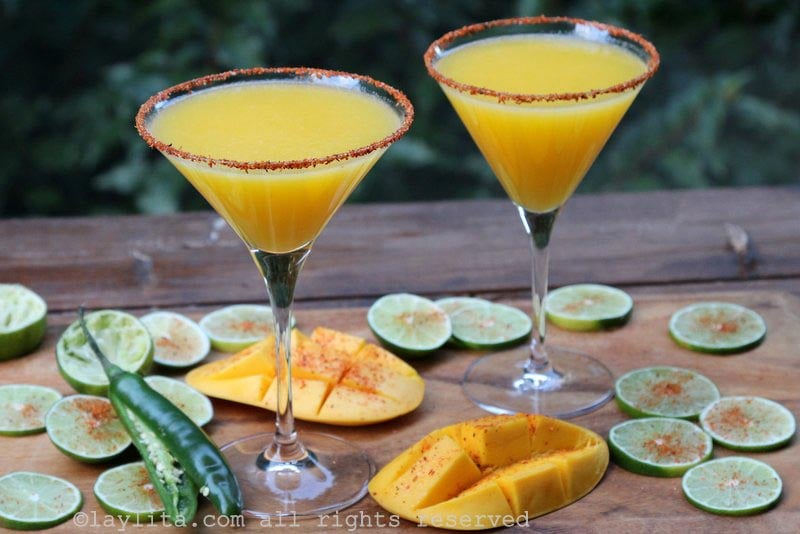
Drawing inspiration from popular regional variations, some recipes incorporate spicy elements to create a sweet-and-spicy dichotomy. Infusing the tequila with fresh chili peppers or rimming the glass with a mixture of sea salt and chili powder adds a warming counterpoint that cuts through the fruit’s natural sweetness, echoing flavor pairings found in traditional Mexican street fruit snacks.
Common Pitfalls and Troubleshooting
Home bartenders frequently encounter specific challenges when working with fresh melon in mixology. The most prevalent issue is a watery consistency. This typically occurs when the cocktail is shaken for an extended duration, causing excessive ice melt, or when the drink is left to sit too long before consumption. To maintain structural integrity, ingredients should be pre-chilled in the refrigerator prior to mixing, and the cocktail should be served promptly after shaking.
Broader Culinary Implications and Pairing Suggestions
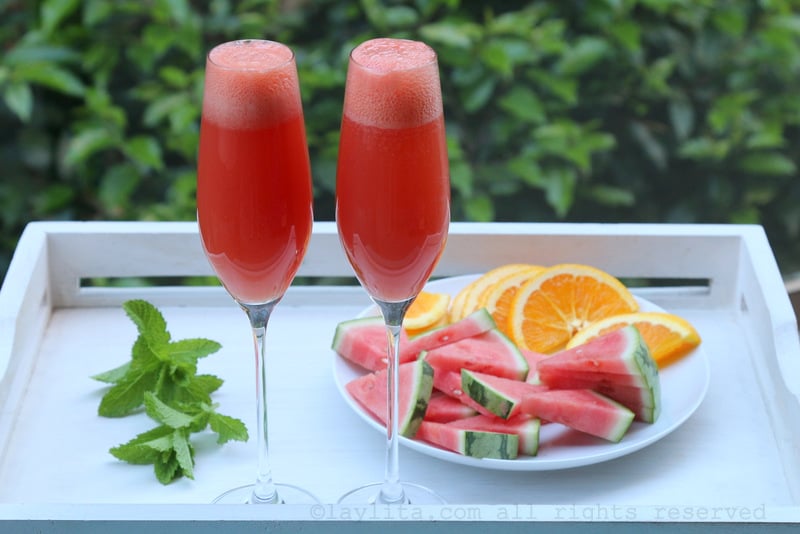
The versatility of watermelon-based cocktails has cemented their place within modern entertaining menus, particularly during spring and summer festivities. From a culinary perspective, the bright acidity and crisp finish of a well-balanced watermelon margarita make it an exceptional pairing for rich, savory, or spicy dishes.
Industry experts frequently pair fruit-forward margaritas with classic Mexican-inspired appetizers, such as freshly prepared guacamole, crisp corn tortilla chips, and warm cheese-filled dishes. The acidity of the lime juice acts as a palate cleanser, cutting through the high fat content of avocado and fried items like chicken taquitos or flautas, thereby enhancing the overall dining experience.
Furthermore, the popularity of the watermelon margarita reflects a broader shift toward culinary sustainability and seasonal eating. Utilizing abundant summer produce not only guarantees superior flavor profiles but also aligns with consumer desires for transparent, farm-to-table culinary experiences in both commercial establishments and home kitchens alike. As seasonal mixology continues to evolve, the combination of time-honored distillation techniques with fresh, local agriculture ensures that classic cocktails will remain dynamic and relevant for generations of consumers to come.
Related posts: