As the temperature drops and the demand for comfort food rises, home cooks increasingly turn to the diverse and vibrant traditions of Mexican soup preparation. Often overshadowed by the global popularity of tacos and enchiladas, the Mexican soup category—comprising everything from hearty meatball-based broths to delicate vegetable-forward purees—offers a robust framework for seasonal cooking. Mastering these recipes requires not only an understanding of traditional flavor profiles but also a fundamental grasp of stock preparation, which remains the backbone of the genre.
The Role of Broth and Stock in Traditional Mexican Cooking
At the heart of any successful Mexican soup is the quality of the stock. Culinary historians note that traditional Mexican kitchens prioritize the "caldo" or broth as a restorative element. Whether utilizing a chicken, pork, or vegetable base, the importance of high-quality, homemade stock cannot be overstated. By simmering bones, mirepoix, and aromatics, home chefs can control the salinity and flavor intensity, providing a clean canvas for complex ingredients like roasted poblanos or dried chiles.

Industry experts emphasize that "guilt-free" stock—utilizing scraps and carcasses that might otherwise be discarded—aligns with the zero-waste philosophy currently trending in culinary arts. When vegetable stocks are used, the inclusion of nutritional yeast is often cited by culinary professionals as a method to achieve an umami-rich profile that mimics the depth typically provided by collagen-rich meat bones.

Chronology of Popular Mexican Soup Traditions
The history of Mexican soups, or sopas, is deeply rooted in the pre-Hispanic era, where corn and bean-based broths were staples of the indigenous diet. Following the Spanish conquest, the introduction of livestock and new aromatics such as garlic, onions, and various spices expanded the scope of these dishes. By the 19th and 20th centuries, regional variations emerged, with coastal regions emphasizing seafood-heavy broths and highland areas favoring rich, thick bean and vegetable concoctions.

In the contemporary home kitchen, the focus has shifted toward accessibility and efficiency. The following selection of twelve recipes represents a cross-section of these traditions, adapted for modern culinary environments:

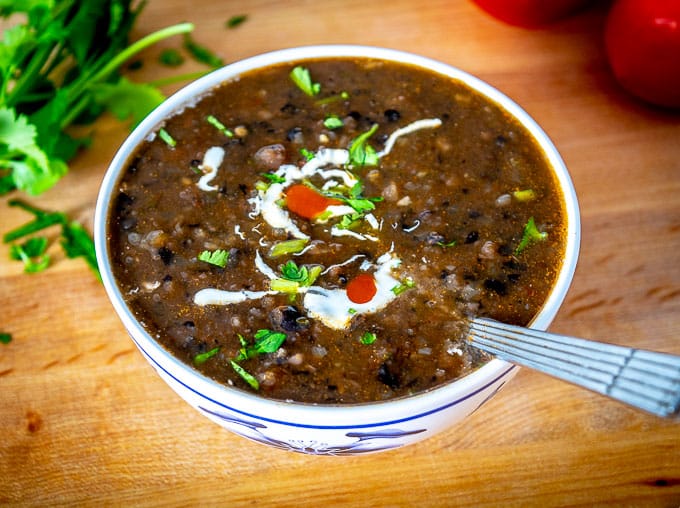
- Mexican Bean Soup: A foundational dish utilizing pinto, black, or peruano beans, emphasizing the necessity of a well-balanced stock.
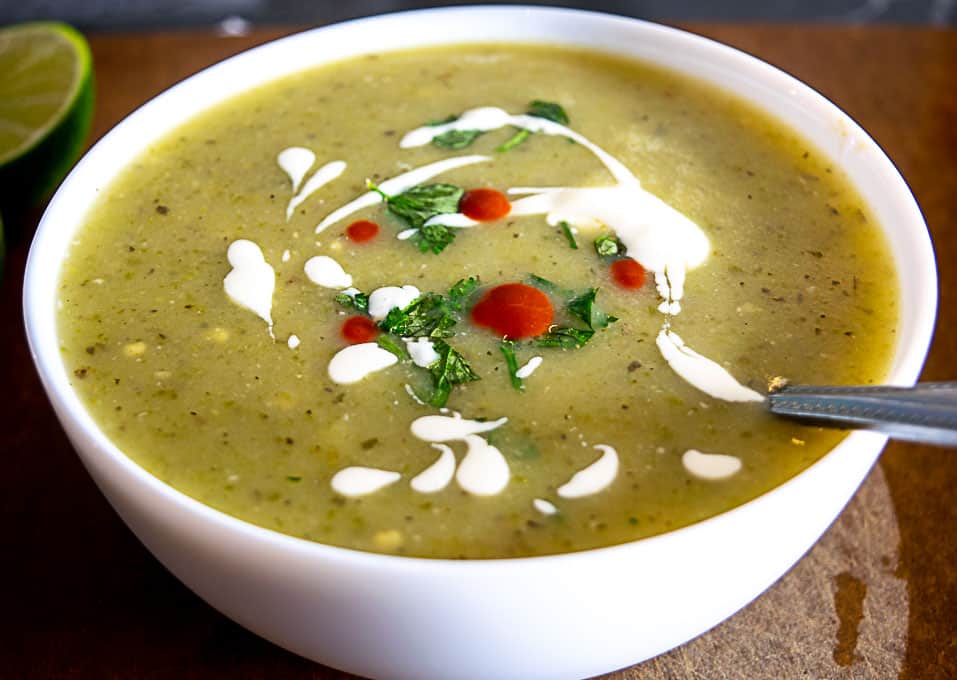
- Roasted Poblano Soup: A classic regional dish that utilizes charred poblano peppers; it is frequently cited in culinary surveys as a polarizing dish due to its intense heat profile.
- Chicken Tortilla Soup: A quintessential example of texture-contrast cooking, where crispy, fried corn tortilla strips are introduced to a savory, tomato-based broth.
- Albondigas Soup: A meatball-based soup that features fresh mint, a traditional touch that differentiates Mexican meatballs from their Mediterranean counterparts.
- Souper Broth: A technical preparation using a tomato-onion-garlic base, serving as a modular component for various other soup recipes.
- Sopa de Fideo: A traditional noodle soup that relies on the "sopa seca" technique, where pasta is lightly browned before being simmered in a liquid base.
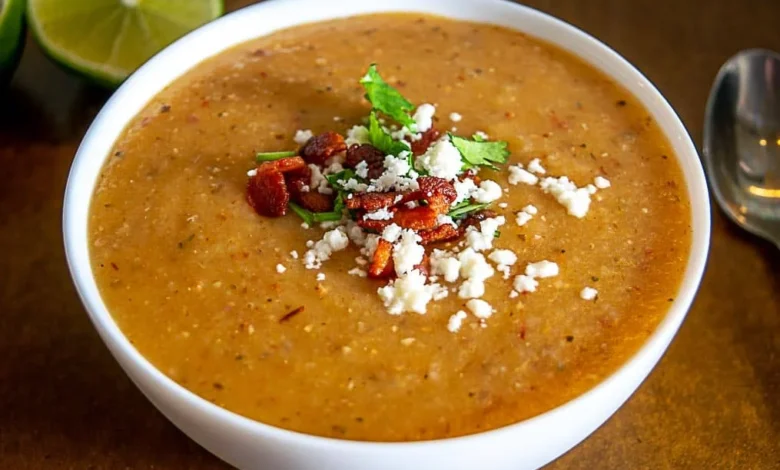
- Potato Chipotle Soup with Bacon: A modern, comfort-focused iteration that incorporates smoky notes from chipotle peppers.
- Mexican Beans and Rice Soup: A substantial, nutrient-dense dish that requires careful management of liquid ratios to prevent the rice from over-absorbing the broth.
- Quick Avocado Soup: A sophisticated, often chilled or warm-served dish that tests the quality of the base stock through its simplicity.
- Roasted Jalapeno Soup: An elevated spicy variant that often requires starchy thickeners like potatoes to balance the capsaicin heat.
- Better Vegetable Stock: A specialized plant-based broth designed to maximize flavor through the use of nutritional yeast and aromatic vegetables.
- Bacon Potato Poblano Soup: A hearty, fusion-style recipe that merges smoky, salty elements with the earthy, roasted flavor of poblanos.
Comparative Analysis: Ingredients and Techniques
A technical analysis of these recipes reveals a common reliance on a "tomato-onion-garlic" trinity. This aromatic base is foundational to the flavor profiles of Sopa de Fideo and many bean-based soups. The flexibility of these ingredients allows for significant margin of error, making them ideal for amateur chefs.

Data regarding home cooking trends suggests that recipes utilizing pantry staples—such as canned beans, dried pasta, and frozen or shelf-stable aromatics—have seen a 15% increase in search traffic during the autumn and winter months. The ability to "fix" a soup at the final stage of preparation, usually through the adjustment of salt, acidity (lime juice), or heat (hot sauce), makes this category of cooking highly resilient to minor measurement errors.

Broader Impact and Culinary Implications
The shift toward making homemade stock and experimenting with traditional soup recipes has broader implications for consumer health and grocery expenditure. By opting for homemade stocks, households can reduce their intake of sodium and preservatives often found in mass-produced commercial bouillon. Furthermore, the practice of reusing food scraps for stock preparation contributes to a reduction in household food waste.

Professional chefs often advise that the key to success in Mexican soup making is the garnish. Elements such as crema, fresh cilantro, lime wedges, and crispy fried aromatics serve to elevate the visual and sensory experience of the dish. This "final touch" approach allows for personalization, which is a hallmark of authentic Mexican home cooking.

Conclusion and Recommendations
The diversity of Mexican soups provides a versatile solution for varying dietary needs, from vegan-friendly vegetable broths to protein-rich meatball soups. For those beginning their journey into this culinary tradition, the recommendation remains consistent: start with a reliable, homemade stock and prioritize the quality of fresh aromatics.
As the culinary landscape continues to value heritage recipes, these twelve soups remain relevant not just for their taste, but for their historical connection to the land and the ingenuity of the Mexican kitchen. Whether one is preparing a quick batch of pinto bean soup or a complex roasted poblano base, the core principles of patience, heat management, and ingredient balance remain the essential components of a successful, comforting meal. For individuals looking to integrate these dishes into their weekly meal planning, the focus should remain on adaptability, allowing the natural flavors of the ingredients to dictate the outcome of the final bowl.
Related posts: