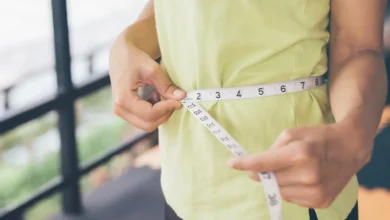
Why Your Weight Fluctuates During Your Period and How to Manage It Without Stress


The intersection of the menstrual cycle and weight management has long been a source of significant anxiety for women globally, often leading to unnecessary frustration during the premenstrual syndrome (PMS) phase and throughout menstruation. While many individuals diligently adhere to caloric deficits and consistent exercise regimens, the sudden stagnation or increase in body weight during this time often feels counterintuitive. Clinical nutritionist Dr. Igus Ulfa Yaze, SpGK, emphasizes that these fluctuations are not a failure of a fitness program, but rather a standard physiological response governed by complex hormonal interactions. During a recent health broadcast, Dr. Yaze clarified that the phenomenon of a "stuck" scale is largely an illusion of fluid dynamics rather than an actual increase in adipose tissue.
The Hormonal Mechanism Behind Weight Stagnation
To understand why the scale fluctuates, one must first look at the endocrine system’s role during the luteal phase of the menstrual cycle—the timeframe between ovulation and the onset of menstruation. As the body prepares for a potential pregnancy, levels of progesterone and estrogen shift dramatically. Progesterone, in particular, is known to influence the body’s sodium and water retention capabilities.
Dr. Yaze explains that during the days leading up to and during the first few days of menstruation, the body undergoes a period of significant water retention. This is often referred to as "physiological bloating." Even if a woman maintains a strict caloric intake and performs rigorous physical activity, the extra water weight stored in the interstitial spaces—the space between cells—can easily mask the fat loss achieved through dietary efforts. This retention is temporary and generally resolves once hormonal levels stabilize following the conclusion of the menstrual period.
Chronology of the Menstrual Weight Shift
The timeline of this phenomenon typically follows a predictable pattern. In the week leading up to the period, many women experience an increase in cravings, specifically for carbohydrates and sodium-rich foods. This is linked to fluctuations in serotonin and cortisol. Concurrently, the hormonal shifts trigger the body to hold onto water.
- The Luteal Phase (Days 14–28 of the cycle): Progesterone levels peak, causing the body to retain sodium. This is the period where most women notice the initial signs of bloating and a plateau on the scale.
- The Menstrual Phase (Days 1–5 of the cycle): As progesterone and estrogen drop, the body begins to shed the excess fluid. However, many women experience a "weight spike" in the first 48 hours of bleeding due to lingering inflammation and digestive slowdowns.
- The Follicular Phase (Days 6–14 of the cycle): Hormones begin to normalize, metabolic efficiency often improves, and the water retention dissipates. During this time, the "true" weight of the individual is usually reflected on the scale, often showing a "whoosh" effect where weight drops rapidly as the retained water is excreted.
Physiological Data and Fluid Retention
The amount of water weight gained during a menstrual cycle can be significant. Clinical studies suggest that women can retain anywhere from one to five pounds of water weight during the week prior to their period. This is not fat gain, which requires a caloric surplus of approximately 3,500 calories to accumulate one pound. Therefore, it is physiologically impossible to gain significant amounts of fat overnight due to a standard diet.
The frustration stems from the reliance on daily weigh-ins. When a woman steps on the scale and sees a two-kilogram increase, the psychological impact can lead to demotivation. Dr. Yaze notes that this cycle of anxiety can actually exacerbate the problem by increasing cortisol levels, a stress hormone that, when elevated, can further encourage fluid retention and influence metabolic health.
Expert Guidelines for Accurate Weight Tracking
To mitigate the psychological burden and ensure accurate data collection, medical professionals recommend moving away from the daily weigh-in culture. Dr. Yaze suggests the following protocols for those tracking their weight for health or fitness goals:
- Adopt a Bi-Weekly or Monthly Routine: Instead of daily monitoring, weigh yourself once every two weeks or once a month. This allows the body to move through the hormonal cycle, ensuring that comparisons are made between similar points in the cycle.
- Standardize the Environment: If daily monitoring is necessary for medical reasons, it must be done under identical conditions. The most accurate reading is obtained in the morning, immediately after waking, after using the restroom, and before consuming any food or liquids.
- Account for Attire: Wearing minimal clothing is essential to eliminate the variables of fabric weight. Using the same scale on a flat, hard surface is also a requirement to ensure consistency in data points.
The Broader Impact on Public Health and Fitness
The misunderstanding of menstrual weight fluctuations has wider implications for the wellness industry. Many fitness applications and weight-loss programs fail to account for the female hormonal cycle, leading to user churn when individuals believe their programs are ineffective. By educating the public on the reality of fluid retention, health experts aim to reduce the prevalence of disordered eating habits that arise from panic-driven attempts to "fix" a weight spike that is entirely natural.
From a public health perspective, this normalization of body fluctuation is crucial. When individuals understand that their body is not "broken" simply because the scale did not move for a few days, they are more likely to adhere to long-term, sustainable health practices. The focus, Dr. Yaze argues, should be shifted from the short-term fluctuations of a scale to long-term trends in body composition and metabolic markers.
Analyzing the Psychological Component
The psychological impact of a "stuck" scale during menstruation is often underestimated. For individuals recovering from body dysmorphia or those working toward significant weight loss, the scale is often viewed as an objective arbiter of progress. However, when the scale fails to account for biological variables like water retention, it becomes an unreliable tool.
Experts suggest that if the sight of a fluctuating scale triggers distress, the most effective intervention is to abstain from weighing oneself during the week of the period entirely. Tracking non-scale victories—such as energy levels, improved sleep, strength gains in the gym, or the fit of one’s clothing—can provide a more holistic view of health that is not obscured by temporary water retention.
Conclusion: Moving Toward a Balanced Perspective
The clinical consensus remains clear: weight fluctuation during menstruation is a benign and transient event. It is a byproduct of the body’s complex regulatory systems and should not be interpreted as a sign of fitness stagnation or dietary failure. By understanding the timeline of hormonal shifts and adopting more disciplined weighing practices, women can navigate their menstrual cycles with greater confidence and less unnecessary anxiety.
As the scientific community continues to explore the intersections of endocrinology and exercise physiology, the takeaway for the public remains consistent: consistency in behavior is far more important than the daily volatility of the scale. The physiological processes that cause temporary weight gain are the same processes that ensure the body is functioning correctly. Embracing these natural rhythms is the key to maintaining both physical health and psychological well-being throughout the month.