The modern culinary landscape has seen a profound shift toward sustainable, plant-based diets, with home baking emerging as a primary medium for dietary experimentation. Amidst a growing wave of health-conscious consumerism, plant-based confections have moved from niche specialty items to mainstream household staples. A prominent example of this culinary evolution is the rise of simplified, allergen-friendly baking methods, exemplified by recipes utilizing a single mixing bowl and accessible plant-based substitutes. Culinary experts and nutritionists increasingly advocate for home preparation as a viable method to control ingredient quality, reduce chemical consumption, and manage sugar intake, particularly for families navigating dietary restrictions.
The Rise of At-Home Plant-Based Baking and Nutritional Philosophy
In recent years, public health discussions surrounding processed foods have prompted nutritionists and dietary specialists to re-evaluate the role of homemade treats in a balanced diet. Contemporary nutritional frameworks often emphasize that consuming sweets is entirely compatible with a healthy lifestyle, provided that the items are prepared domestically using wholesome, unrefined ingredients. This philosophy centers on intentional consumption—understanding precisely what goes into a recipe rather than eliminating indulgences altogether.
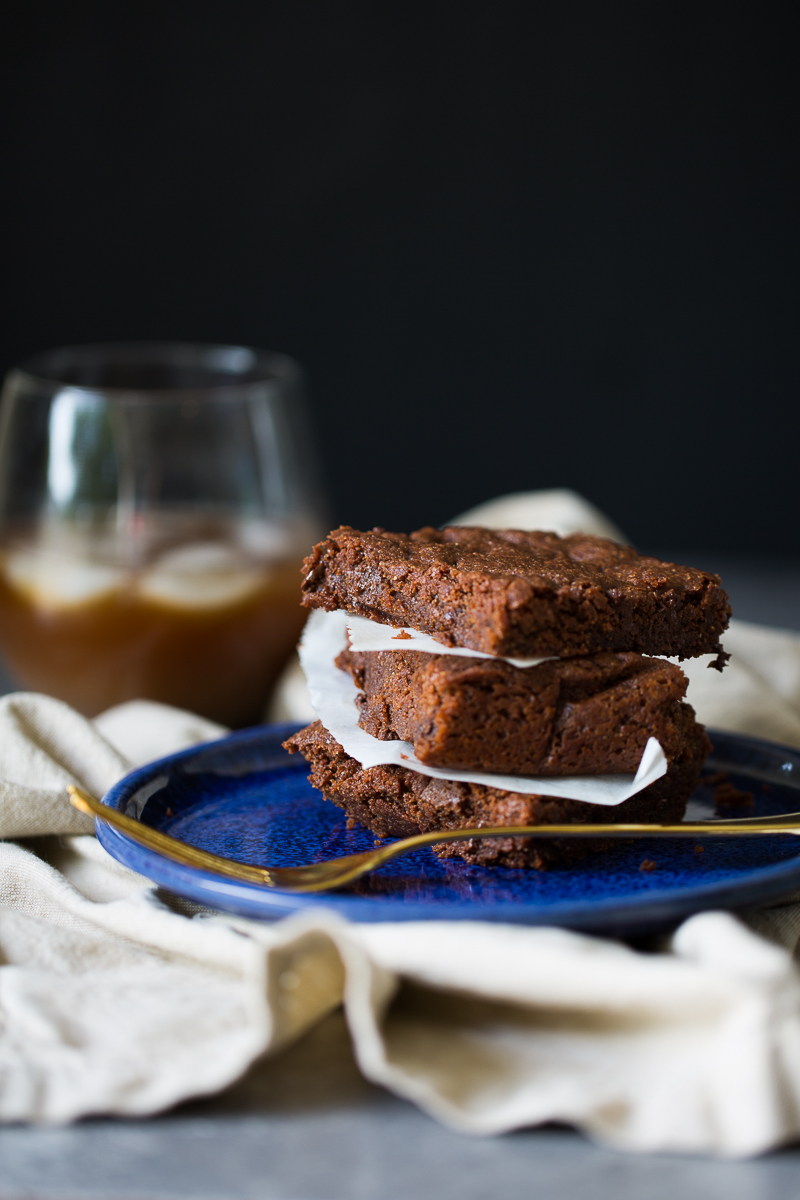
For parents and caregivers, this approach serves as an educational tool. When children request commercially manufactured sweets, preparing alternative versions at home transforms a routine grocery trip into an interactive lesson in nutrition. By substituting traditional binding and dairy agents with plant-based alternatives, home cooks can significantly lower saturated fat content while maintaining the textural integrity and rich flavor profile expected from traditional desserts.
Culinary Mechanics: Replacing Dairy and Eggs in Baking
Traditional brownie recipes rely heavily on eggs for structure, moisture, and binding, alongside dairy butter for richness and a fudgy texture. Replicating these properties in a vegan format requires an understanding of functional ingredient substitution.
The primary binding agent in modern plant-based brownies is the flaxseed egg, created by combining ground flaxseed with water. Upon resting, the mixture forms a gelatinous consistency that mimics the protein structure and moisture-retention capabilities of a standard chicken egg. Meanwhile, replacing dairy butter with neutral vegetable oils or nut-based creams introduces the necessary fats to ensure a dense, moist crumb without the associated cholesterol and animal fats.
Furthermore, dark chocolate—a core component of many plant-based recipes—frequently meets vegan standards naturally, provided the cocoa solids exceed specific thresholds and exclude milk solids. This allows bakers to achieve deep, robust flavor profiles without relying on specialized or cost-prohibitive specialty ingredients.
Step-by-Step Preparation and Methodological Efficiency
The appeal of simplified baking extends beyond nutritional benefits; time efficiency plays a critical role in the adoption of home-cooked meals. Traditional baking methods often necessitate multiple mixing bowls, complex staging of ingredients, and extensive cleanup. Conversely, the one-bowl technique streamlines the process into two fundamental phases: wet and dry integration.
- Preparation of the Binding Agent: The flaxseed meal is combined with water and set aside to thicken, establishing the structural foundation for the batter.
- Integration of Wet and Dry Components: Sugars, oils, and flavor extracts are whisked directly into the thickened flax mixture, followed by the incorporation of dry components such as flour, cocoa powder, and leavening agents.
- Baking and Cooling Chronology: The batter is transferred to a lined baking pan and subjected to controlled thermal processing—typically baked at moderate temperatures for approximately 20 minutes to achieve crisp edges and a soft, chewy center.
Storage, Preservation, and Shelf-Life Dynamics
Proper storage protocols are essential for maintaining the textural qualities of plant-based baked goods, which lack the preservative qualities of commercially manufactured snacks. Because these brownies utilize oil and flaxseed rather than dairy butter, their moisture retention properties differ slightly over time.
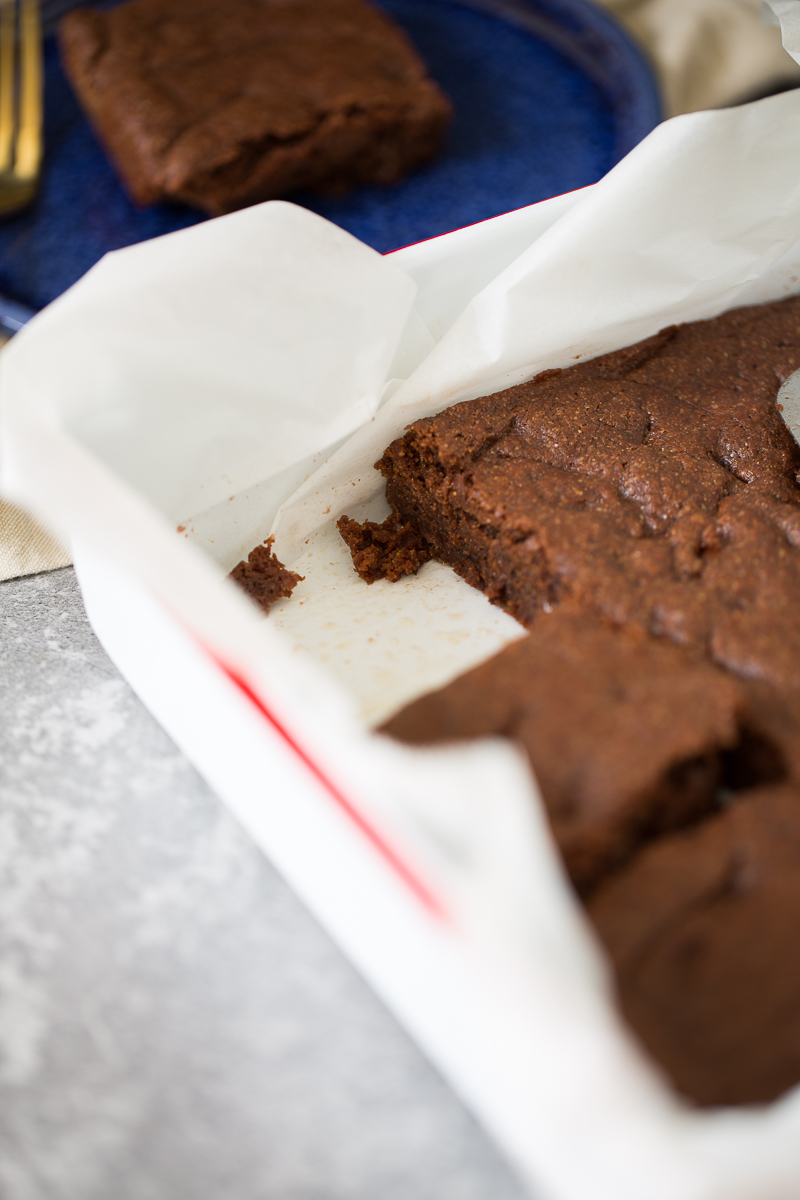
- Room Temperature Storage: Storing the brownies in an airtight container at ambient temperature preserves their chewy texture for up to three days.
- Refrigeration: For extended storage of up to one week, refrigeration helps maintain structural integrity, though it may slightly firm the crumb.
- Freezing: Long-term preservation is achievable through freezing. When sealed correctly, the brownies retain their flavor and texture for up to three months, making them a practical option for meal-prepping and lunchbox preparation.
Broader Economic and Health Implications
The increasing popularity of home-based plant-based baking reflects broader shifts in consumer behavior and public health trends. As grocery prices fluctuate and consumer awareness regarding food additives rises, households are increasingly turning to scratch-cooking as a cost-effective and transparent alternative to packaged goods.
Public health analysts note that initiatives encouraging home preparation of desserts help mitigate the overconsumption of high-fructose corn syrup, artificial preservatives, and trans fats commonly found in mass-produced snacks. By empowering consumers with straightforward, adaptable recipes, the culinary community continues to foster a culture of mindful eating that bridges the gap between dietary health and culinary enjoyment.
Related posts: