The Historical and Cultural Context of Colombian Fritters
The origins of these fritters are deeply embedded in the rural traditions of the Colombian Andean region, with strong historical ties to the departments of Santander and Boyacá. Historically, these areas have served as the nation’s agricultural heartland, where the production of guava paste—known locally as bocadillo—has been a staple industry for centuries. The town of Vélez in Santander, in particular, is internationally recognized for its protected geographical status regarding the production of Veleño guava paste, a key ingredient in the authentic preparation of these fritters.
The evolution of the snack can be traced to the colonial era, which introduced European frying techniques and wheat flour to indigenous agricultural foundations. The combination of cheese and guava is not merely a recipe but a socioeconomic reflection of the Andean lifestyle. In traditional households, the afternoon snack, or "merienda," serves as a vital social pause in the workday. The masita, with its shelf-stable ingredients of flour, cheese, and preserved fruit, became an efficient and calorically dense nourishment for laborers and families alike. Over generations, this preparation has moved from rural kitchens to urban bakeries, maintaining its status as a comfort food that evokes a sense of national identity.
Defining the Ingredients and Culinary Chemistry
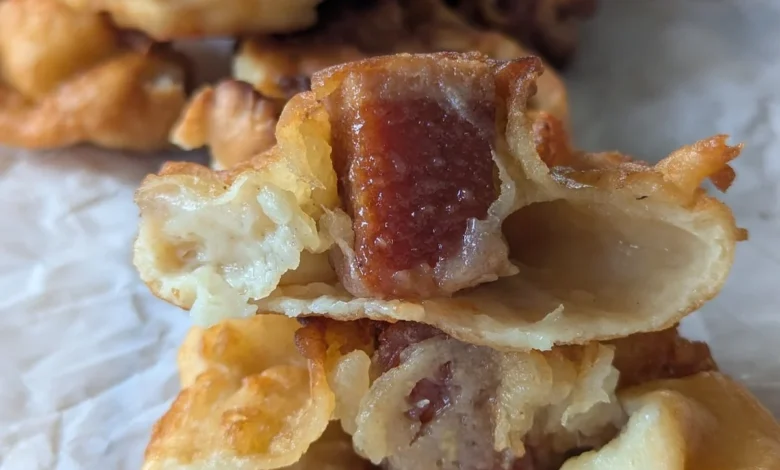
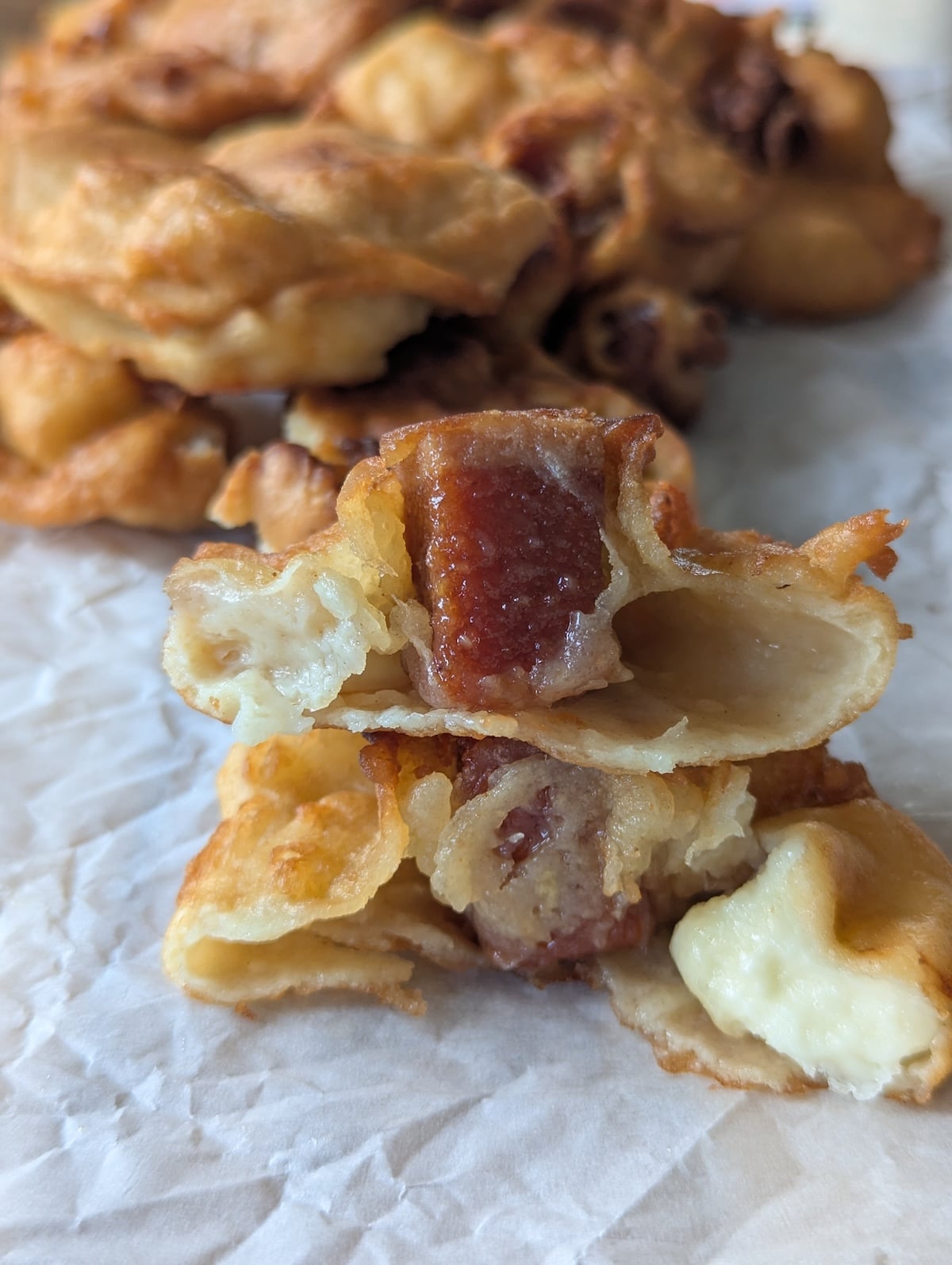
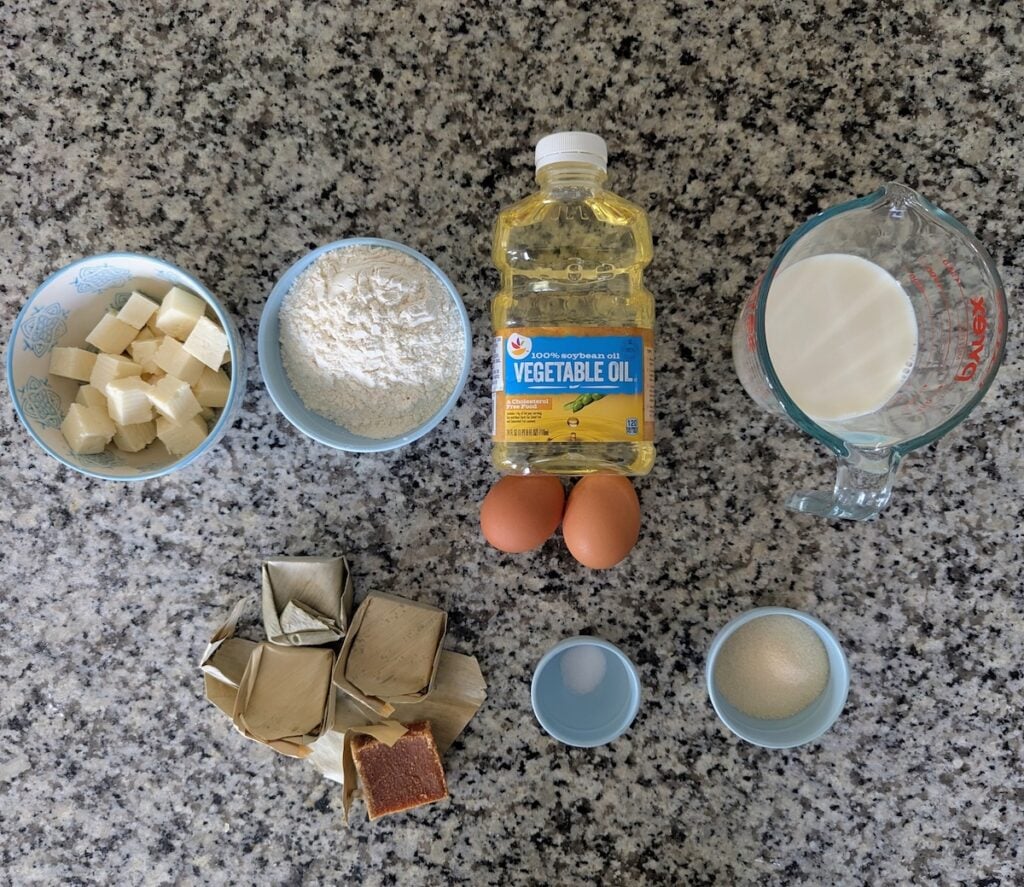
To understand the culinary profile of the masita de queso y bocadillo, one must analyze the interaction between the primary components. The batter is typically composed of all-purpose flour, eggs, and whole milk, which provides a structural matrix that is crispy upon exposure to high-heat oil yet retains a tender, slightly elastic crumb.
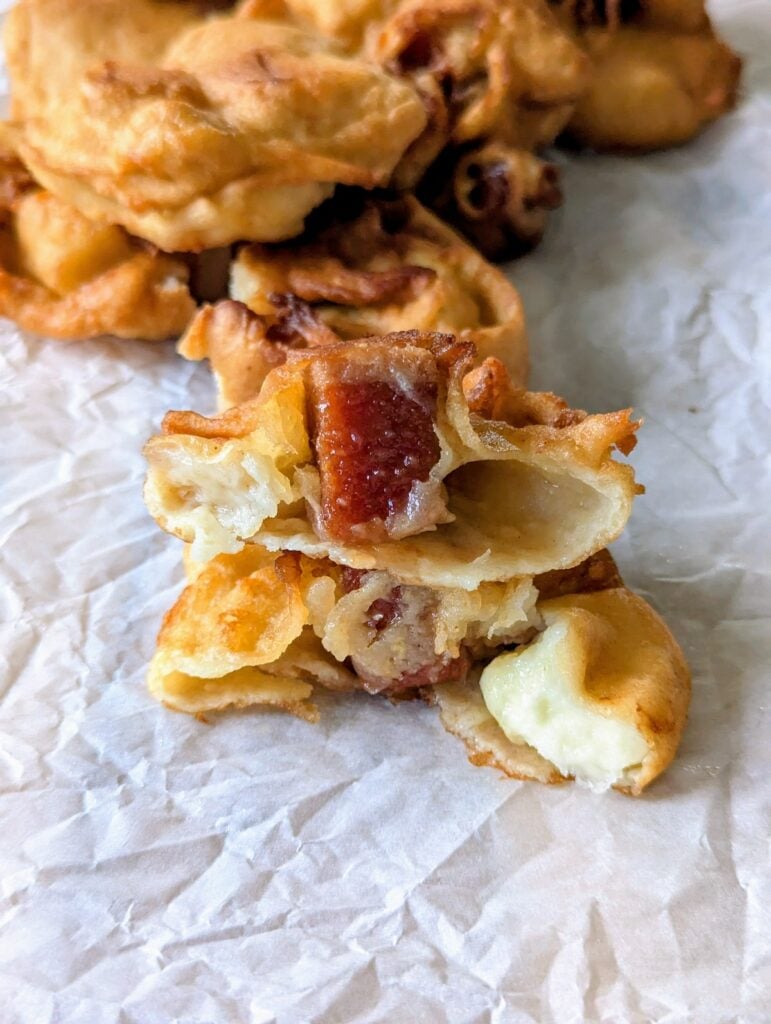
The cheese component is critical to the dish’s success. Authentic recipes utilize a firm, white, fresh cheese—often queso blanco or a variety akin to farmer’s cheese—which possesses a high melting point. This allows the cheese to soften without completely liquifying into the batter during the frying process. When paired with the bocadillo, which is a dense, pectin-rich reduction of guava pulp and sugar, the fritter achieves a balanced profile. The acidity of the guava paste cuts through the fat content of the fried dough, while the salinity of the cheese prevents the dessert from becoming cloying.
Chronology of Preparation and Culinary Methodology
The preparation of these fritters follows a disciplined sequence designed to manage the moisture levels of the ingredients, which is essential for successful deep frying.
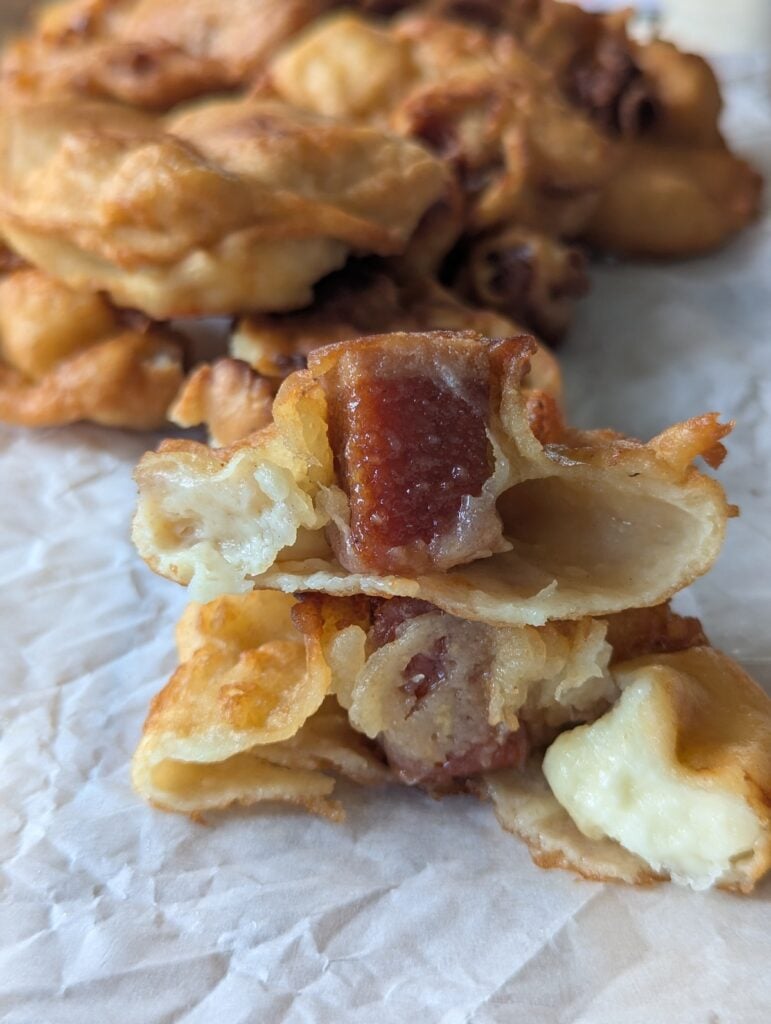
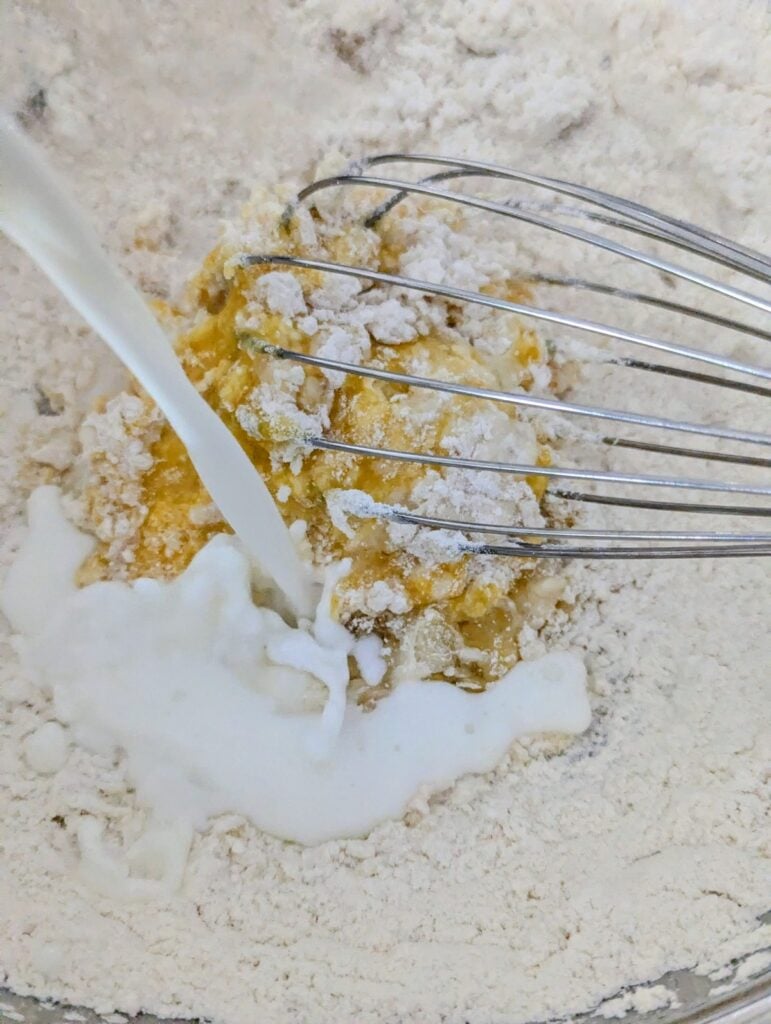
- Batter Stabilization: The initial phase involves the incorporation of dry ingredients with eggs and milk to create a thick, pourable consistency. Chefs emphasize the importance of temperature control during this stage, as cold ingredients can result in a tougher crust.
- Incorporation of Solids: The diced cheese and cubed guava paste are folded into the batter. The size of these inclusions is a matter of regional preference; however, uniform cubing is recommended to ensure even heat distribution.
- Thermal Processing: The frying stage is the most technical aspect of the process. The oil must reach an optimal temperature—typically between 350°F and 375°F (175°C to 190°C). If the temperature is too low, the fritters absorb excessive oil and become greasy; if too high, the exterior burns before the internal cheese has reached an ideal, gooey texture.
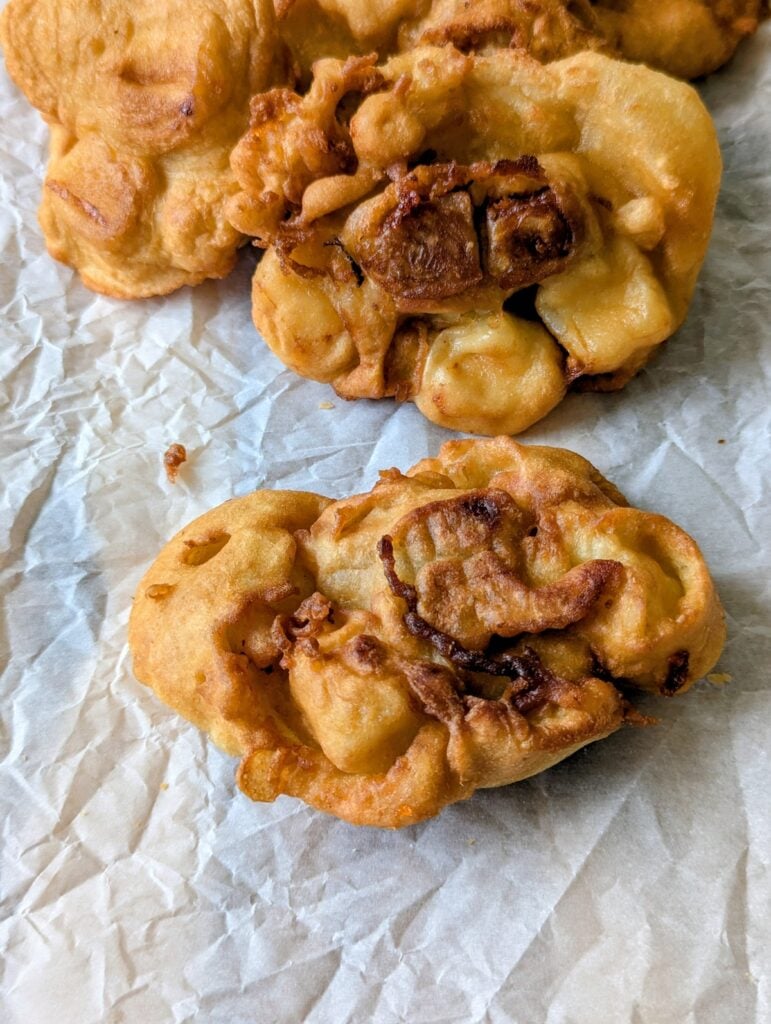
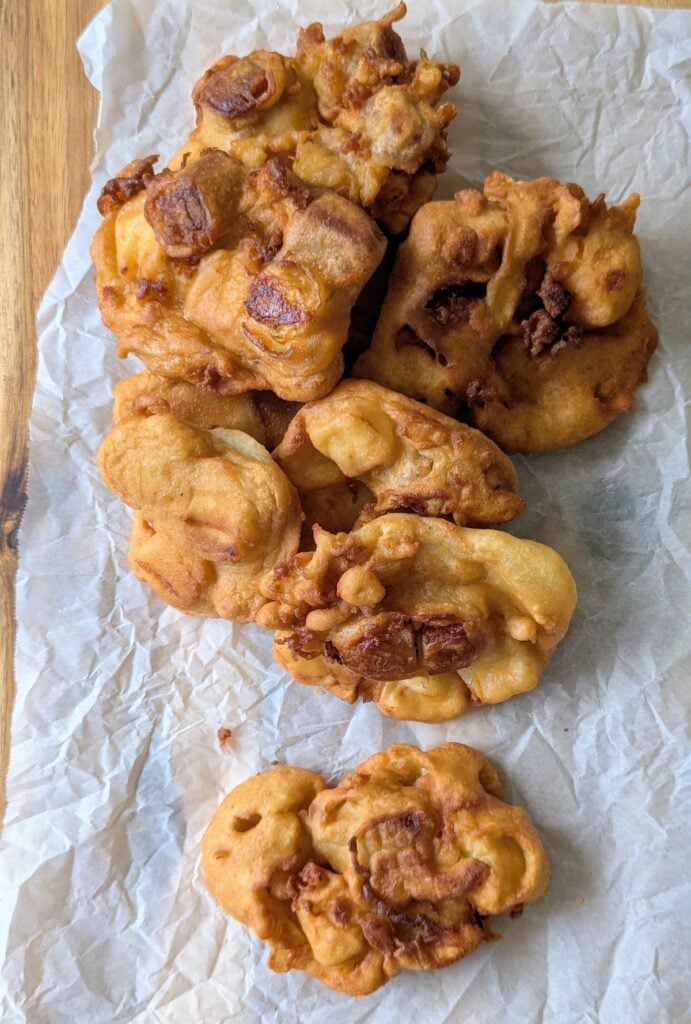
- Service: Once the fritters achieve a deep, golden-brown hue, they are drained on absorbent paper to remove excess lipids. They are traditionally served immediately, as the contrast between the hot, molten interior and the crisp exterior is the defining feature of the dish.
Nutritional Profile and Dietary Considerations
While these fritters are celebrated for their flavor, they are also recognized for their significant energy density. A standard serving of 10 units contains approximately 1,770 kilocalories, or 177 kcal per piece. The nutritional breakdown indicates a composition of roughly 26g of carbohydrates, 6g of protein, and 5g of fat per unit.
The inclusion of calcium, provided by the cheese, and trace minerals from the fruit paste, offers a minor nutritional benefit. However, health professionals note that the method of deep frying in vegetable oil contributes to the overall saturated fat content. Consequently, while these fritters are a staple of celebratory or occasional snacking, they are viewed within the context of a balanced diet as a high-energy indulgence rather than a primary source of daily nutrition.
Broader Impact and Global Culinary Recognition
The popularity of masitas de queso y bocadillo has expanded beyond the borders of Colombia, driven by the global growth of the Colombian diaspora and an increased international interest in Latin American gastronomy. Culinary historians observe that the "sweet-and-salty" trend—which has seen widespread adoption in high-end global kitchens—is a concept that has been fundamental to Colombian home cooking for decades.
The widespread availability of Colombian guava paste in international markets has lowered the barrier to entry for home cooks attempting this recipe globally. Furthermore, the resilience of the dish as a "snack" has allowed it to feature prominently in street food festivals and ethnic food markets, acting as a soft-power ambassador for Colombian cultural heritage.
Expert Perspectives and Institutional Analysis
Gastronomists and food scientists studying the regional cuisine of the Andes argue that the masita is an example of "survival innovation." By combining available local proteins (cheese) with preserved seasonal fruit (guava), regional populations were able to create a consistent food source that was not dependent on the immediate harvest of fresh produce.
From an industry perspective, the rise of "fusion" culinary movements has led to variations of the recipe, including the use of goat cheese in the Santander region to provide a sharper, more pungent contrast to the guava. Additionally, there is ongoing research into the use of alternative flours, such as yuca or corn starch, to adapt the recipe for gluten-sensitive consumers, though purists maintain that the wheat-based version remains the standard for texture and flavor.
Economic and Social Implications
The production of these fritters also sustains a micro-economy within the regions where the ingredients are sourced. The bocadillo industry is a primary employer in municipalities like Vélez, supporting thousands of small-scale farmers and artisan producers. By maintaining the tradition of making masitas, local communities reinforce the demand for these agricultural products, thereby preserving traditional land-use practices and preventing the encroachment of industrial monoculture in the Andean highlands.
Furthermore, the social act of preparing these snacks is deeply communal. The process of dicing the cheese and the guava paste is often a shared task among family members, highlighting the importance of domestic food preparation in maintaining intergenerational bonds. In an age of mass-produced convenience foods, the persistence of the masita de queso y bocadillo represents a deliberate choice to engage with slow-food traditions.
Conclusion
The masita de queso y bocadillo is more than a simple fritter; it is a complex narrative of Colombian history, geography, and culinary innovation. From the sun-drenched guava orchards of the Andean valleys to the bustling, oil-scented kitchens of modern households, this snack continues to bridge the gap between tradition and innovation. As global interest in regional cuisines continues to rise, the masita stands as a testament to the sophistication inherent in what is, at its heart, a humble and comforting delight. For those seeking to replicate the experience, the focus remains on the quality of the ingredients and the precision of the frying technique—a process that rewards the maker with a sensory experience that is as enduring as the culture from which it emerged.