Culinary Origins and Cultural Significance
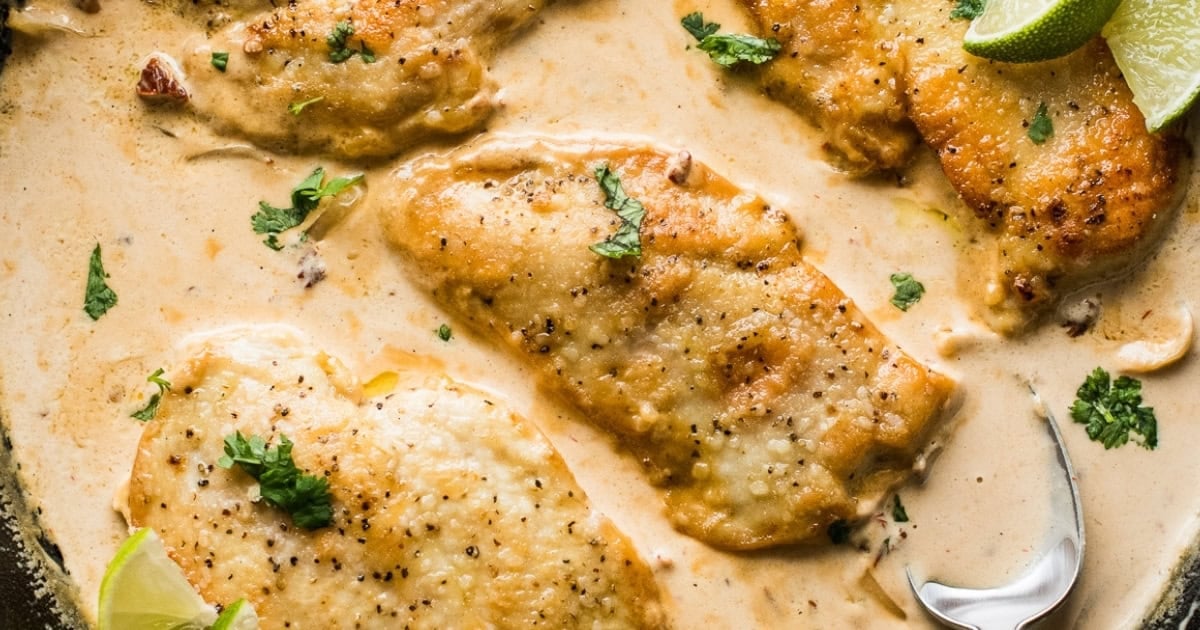
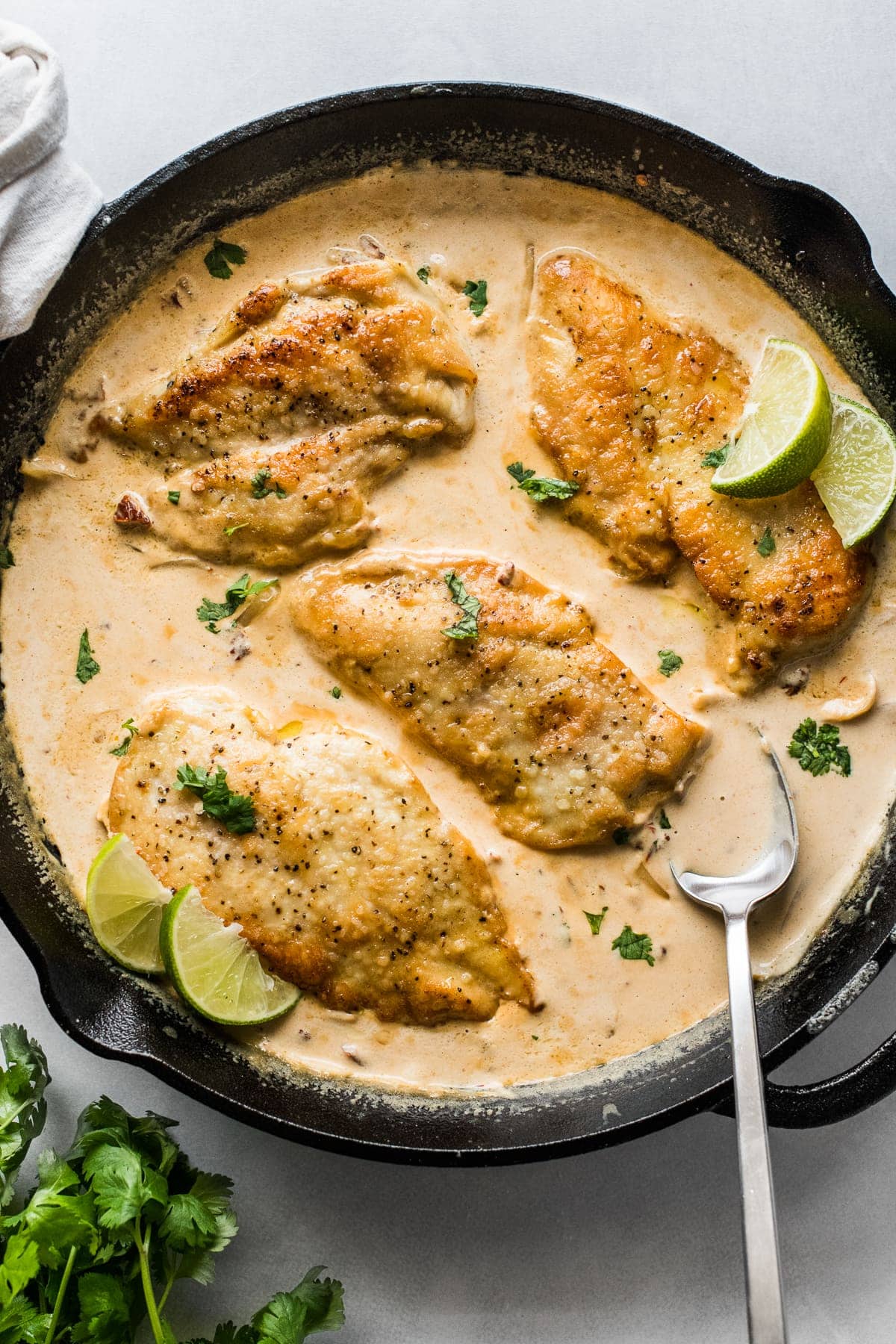
Pollo en crema de chipotle, frequently referred to in regional Mexican culinary circles as pollo al chipotle or pollo enchipotlado, represents an evolution of traditional cream-based chicken dishes. While standard pollo en crema typically relies on a mild, neutral sauce, the incorporation of chipotle peppers in adobo transforms the dish into a vibrant, savory experience. The peppers—jalapeños that have been smoked and dried—are rehydrated and preserved in a tangy, spiced tomato-based sauce known as adobo. This infusion introduces notes of vinegar, garlic, and cumin, which, when combined with cream, create a rich, rust-colored sauce.
The dish serves as a testament to the versatility of Mexican pantry staples. Chipotles in adobo are widely recognized by food scientists and culinary experts as a "flavor bomb," a term used to describe ingredients that provide a disproportionate amount of umami and depth relative to their volume. By utilizing the leftover contents of a standard 7-ounce can of peppers, cooks can effectively mitigate food waste while creating a sophisticated, multi-dimensional sauce.
Nutritional Profile and Preparation Mechanics
A single serving of Pollo en crema de chipotle typically contains approximately 519 kilocalories, reflecting its status as a hearty, protein-dense meal. With 29 grams of protein per serving, the dish is an effective source of essential amino acids. However, the use of heavy cream as a base contributes to a total fat content of 39 grams per serving, with 17 grams of saturated fat.
The technical success of the dish relies on two primary culinary processes: the dredging of chicken breast cutlets and the precise thermal management of the cream sauce.
- Dredging and Crust Formation: Before searing, chicken breasts are coated in a thin layer of flour. This serves a dual purpose: it promotes the Maillard reaction, which creates the golden-brown crust necessary for flavor, and it provides a natural thickening agent for the sauce. As the flour-coated chicken is finished in the pan with the cream, the residual flour integrates into the sauce, achieving a luxurious consistency without the need for additional starches like cornstarch.
- Thermal Management: The most common failure point in the preparation of this dish is the curdling of the sauce. Cream contains fat and proteins that are sensitive to high temperatures. Culinary best practices dictate that once the cream is added to the skillet, the heat must be reduced to a gentle, controlled simmer. Boiling the mixture causes the emulsion to break, leading to a separated, granular texture that is essentially irreversible.
Ingredient Synergy and Flavor Balancing
The efficacy of the dish is determined by the ratio of chipotles to cream. The adobo sauce carries a potent acidity, while the pepper flesh provides the characteristic smokiness. In standard professional applications, three peppers are considered the baseline for a balanced flavor profile. This allows the smokiness to penetrate the chicken while the dairy lipids neutralize the capsaicin, the compound responsible for the heat of the chili.
This balancing act makes the dish accessible to a wider demographic, including those who may otherwise avoid dishes featuring chili peppers. The acidity of the tomato-vinegar base in the adobo provides a necessary contrast to the richness of the heavy cream, preventing the dish from feeling overly heavy on the palate.
Practical Applications and Serving Suggestions
In a professional or home-cooking context, the dish is traditionally served over starch-based beds to absorb the excess sauce. Cilantro-lime rice is the most frequent pairing, as the herbaceous, acidic notes of the cilantro and lime juice cut through the fat of the cream sauce. This creates a cohesive, balanced plate. For a more comprehensive nutritional profile, the dish is often served alongside calabacitas (a sautéed squash and corn medley), which provides fiber and micronutrients that complement the protein-heavy main course.
Scalability and Storage Considerations
From a logistical standpoint, Pollo en crema de chipotle is highly amenable to batch cooking. Unlike many cream-based sauces that suffer in quality upon refrigeration, this dish retains its integrity if handled correctly. The key to reheating is the application of low-intensity heat. Professional chefs recommend either a slow reheat in a covered skillet or short, intermittent bursts in a microwave, stirring between intervals to redistribute the heat and prevent the sauce from reaching its boiling point.

Furthermore, the versatility of the sauce extends beyond poultry. Culinary data suggests that the same preparation method is highly effective when applied to shrimp or lean pork cutlets. Shrimp, in particular, requires a modified timeline, as it should be added to the sauce only during the final minutes of cooking to avoid rubbery textures.
Broader Implications in Modern Gastronomy
The popularity of Pollo en crema de chipotle highlights a broader trend in home cooking: the demand for "simple complexity." Modern consumers are increasingly seeking meals that appear artisanal and complex in flavor but require minimal active kitchen time. By leveraging pre-prepared, high-flavor ingredients like chipotles in adobo, home cooks can achieve a level of culinary sophistication that historically required extensive simmering or complex stock preparation.
As the retail availability of global ingredients continues to expand, recipes that bridge the gap between traditional cultural staples and modern efficiency—such as this 35-minute chicken dish—are likely to remain fixtures in the standard domestic repertoire. The dish exemplifies how careful technique, combined with a deep understanding of flavor profiles, can elevate humble, everyday ingredients into a meal of significant quality and satisfaction.
Related posts: