The Evolution of Rombauer Vineyards: How a Family-Owned Estate Defined the California Chardonnay Style

The phrase "California Chardonnay" instantly evokes a specific sensory profile in the modern wine lover’s mind: a style characterized by a rich, velvety mouthfeel, prominent notes of ripe tropical fruit, and a distinct, toasty oak influence. Yet, this ubiquitous profile was not always the gold standard of American winemaking. For decades, the transformation of this varietal from a localized agricultural product into a global benchmark was driven largely by a single pioneering producer: Rombauer Vineyards.
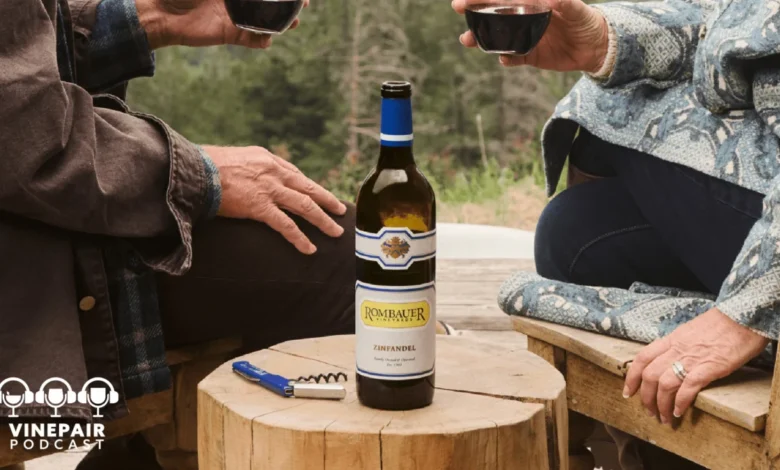
Founded in 1980 by native Californians Koerner and Joan Rombauer in the heart of Napa Valley, the estate has spent more than four decades shaping consumer palates and commercial expectations. While their inaugural vintage was a Cabernet Sauvignon, it was their second production—Chardonnay—that fundamentally altered the trajectory of the winery and cemented its place in wine history. Today, the legacy of that initial vision is the subject of intense industry analysis, explored recently in depth on the VinePair Podcast, where Richie Allen, senior director of Viticulture and Winemaking at Rombauer Vineyards, sat down to discuss the past, present, and future of the brand.
The Genesis of an American Wine Empire
To understand the rise of Rombauer Chardonnay, one must look back to the socio-economic and agricultural landscape of Northern California in the late 1970s and early 1980s. The region was emerging from the shadows of the historic 1976 Judgment of Paris, an event that shocked the international wine community by placing California wines on par with legendary French Burgundies and Bordeaux. Consumers were suddenly curious about domestic wines, and producers were experimenting with microclimates, clonal selections, and barrel-aging techniques.
Koerner Rombauer brought a unique background to the venture. A former military pilot and commercial aviator, Rombauer possessed a global perspective and an entrepreneurial drive. Alongside his wife, Joan—whose great-uncle was none other than Gunther Selbst, a historic figure in European viticulture—the couple established roots in St. Helena, purchasing a picturesque property that would become the epicenter of their operations.
In the early years, the estate focused on establishing credibility within the competitive Napa Valley ecosystem. Cabernet Sauvignon was the traditional marker of prestige for the region, and the Rombauers dutifully produced it. However, the cool-climate pockets of Carneros, straddling both Napa and Sonoma counties, presented an exceptional opportunity for white grapes. When Rombauer released its early Chardonnay vintages, the market responded with unexpected enthusiasm. The wine was unabashedly lush, fruit-forward, and texturally rich, offering a distinct contrast to the leaner, more austere styles favored by traditionalist purists at the time.
A Chronology of Growth and Innovation
The history of Rombauer Vineyards can be divided into distinct operational eras that reflect the maturation of the California wine industry as a whole.
The Foundation Era (1980–1990):
Following the 1980 launch, the winery dedicated its initial decade to securing long-term grower relationships in the Carneros region. Recognizing that exceptional Chardonnay requires meticulous climate management, the Rombauers focused on sourcing fruit from vineyards kissed by the cooling fog rolling in from San Pablo Bay. This fog layer preserves natural acidity in the grapes while allowing for extended hang time, resulting in the development of intense, concentrated fruit flavors.
The Expansion and Refinement Era (1991–2010):
By the 1990s, the "Rombauer style" had captured the public imagination. The winery invested heavily in state-of-the-art winemaking facilities, optimized malolactic fermentation techniques to achieve their signature creamy texture, and refined their barrel-aging program using carefully selected French and American oak. During this period, the brand evolved from a cult favorite among Napa visitors into a national phenomenon, pouring at high-end restaurants and finding a permanent home on retail shelves across the United States.
The Modern Stewardship Era (2011–Present):
As the wine market diversified and consumer preferences shifted toward sustainability and terroir expression, Rombauer adapted without losing its core identity. Under the guidance of modern viticultural and winemaking teams led by experts like Richie Allen, the estate has embraced precision farming, soil mapping, and organic management practices across its estate vineyards in Carneros, St. Helena, and the Sierra Foothills.
Inside the Winemaking Philosophy: Insights from Richie Allen
During his recent appearance on the VinePair Podcast, Richie Allen offered a rare glimpse into the meticulous science and intuition required to sustain an iconic wine style over decades. Having spent years guiding Rombauer’s agricultural and cellar operations, Allen emphasized that maintaining consistency while honoring vintage variation is the ultimate challenge for a large-scale premium winery.
"When people think of Rombauer Chardonnay, they think of a specific level of generosity and balance," Allen noted during the discussion. "Achieving that year after year isn’t about formulaic winemaking; it’s about understanding every single block of fruit we farm, knowing when to pick to preserve freshness, and managing oak integration so that it complements rather than overpowers the fruit."
Allen also shed light on the early days of his own career and how he integrated into the collaborative culture at Rombauer. He detailed the intricate process of whole-cluster pressing, barrel fermentation, and the regular lees-stirring (batonnage) that contributes to the wine’s trademark mouthfeel. Furthermore, the conversation extended beyond Chardonnay, highlighting the strategic diversification of the Rombauer portfolio. While white wine put the brand on the map, its Zinfandel, Merlot, and Sauvignon Blanc offerings have steadily cultivated a new generation of enthusiasts within the broader wine community.
Market Data and the Economic Footprint of California Chardonnay
To fully appreciate the impact of Rombauer, one must examine the broader economic data surrounding Chardonnay within the United States market. According to recent reports from the Wine Institute and NielsenIQ, Chardonnay remains the undisputed king of white wine varietals in America, commanding a significant market share of total white wine sales by volume.
Within the premium and luxury tiers—wines priced above $20 a bottle—California Chardonnays that champion a fuller-bodied style consistently rank among the top-selling SKUs (Stock Keeping Units) in off-premise retail channels. Rombauer occupies a coveted space within this upper-middle to luxury tier, functioning as both an aspirational bottle for everyday consumers and a reliable staple for fine-dining wine directors.
Industry analysts attribute the enduring popularity of this style to psychological and sensory factors. In an era where consumers are often overwhelmed by obscure grape varieties and complex wine terminology, the reliable, hedonistic profile of a well-crafted, oak-aged California Chardonnay provides a sense of comfort and predictability. Rombauer capitalized on this psychological security early on, transforming their brand name into a shorthand for quality and luxury.
Broader Industry Implications and the Path Forward
The success of Rombauer Vineyards has had profound implications for regional winemaking in Northern California. By proving that a focused, family-owned winery could achieve massive commercial and critical success without sacrificing its core stylistic principles, Rombauer paved the way for dozens of other producers in Carneros and the Russian River Valley to explore richer, textured white wine styles.
However, operating a legacy wine brand in the 21st century comes with distinct challenges. Climate change remains a pressing concern for viticulturists across California. Rising average temperatures, unpredictable rainfall patterns, and the looming threat of wildfire smoke demand constant adaptation in the vineyard.
In response, Rombauer has integrated advanced meteorological tools, drought-resistant rootstocks, and canopy management techniques to protect their fruit. These agricultural adaptations ensure that the signature flavor profile consumers have come to expect for over forty years will remain consistent, even as environmental conditions evolve.
Furthermore, the winery’s outreach to younger demographics through digital platforms, podcasts, and educational tastings demonstrates a keen awareness of generational shifts in alcohol consumption. While older consumers may have discovered Rombauer through traditional restaurant wine lists, millennials and Gen Z wine drinkers are increasingly engaging with the brand via digital storytelling, direct-to-consumer shipping, and immersive winery experiences in St. Helena.
Conclusion
The journey of Rombauer Vineyards from a modest family startup in 1980 to a defining pillar of the American wine industry is a testament to vision, consistency, and agricultural dedication. By championing a style of Chardonnay that resonated deeply with the American palate, Koerner and Joan Rombauer did more than build a successful business—they permanently etched their family name into the lexicon of global viticulture. As modern stewards like Richie Allen continue to refine their practices in the vineyard and the cellar, Rombauer stands as a powerful example of how tradition and innovation can coexist, ensuring the legacy of California’s defining white wine endures for generations to come.