Sip and savour: The timeless ritual of the cocktail hour and the evolution of the modern aperitif

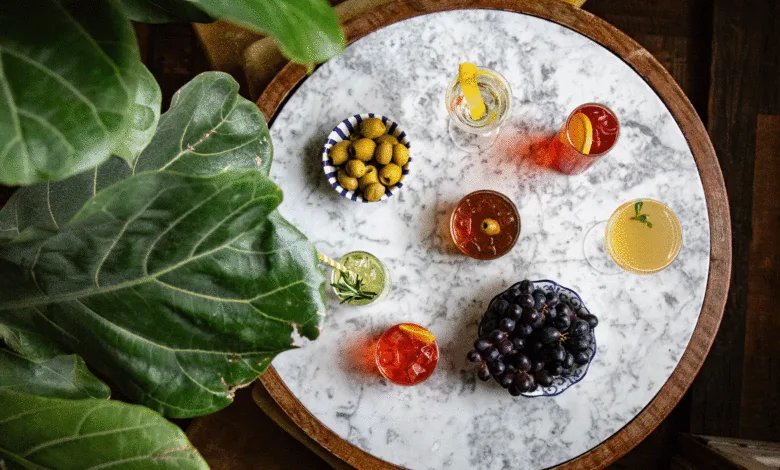
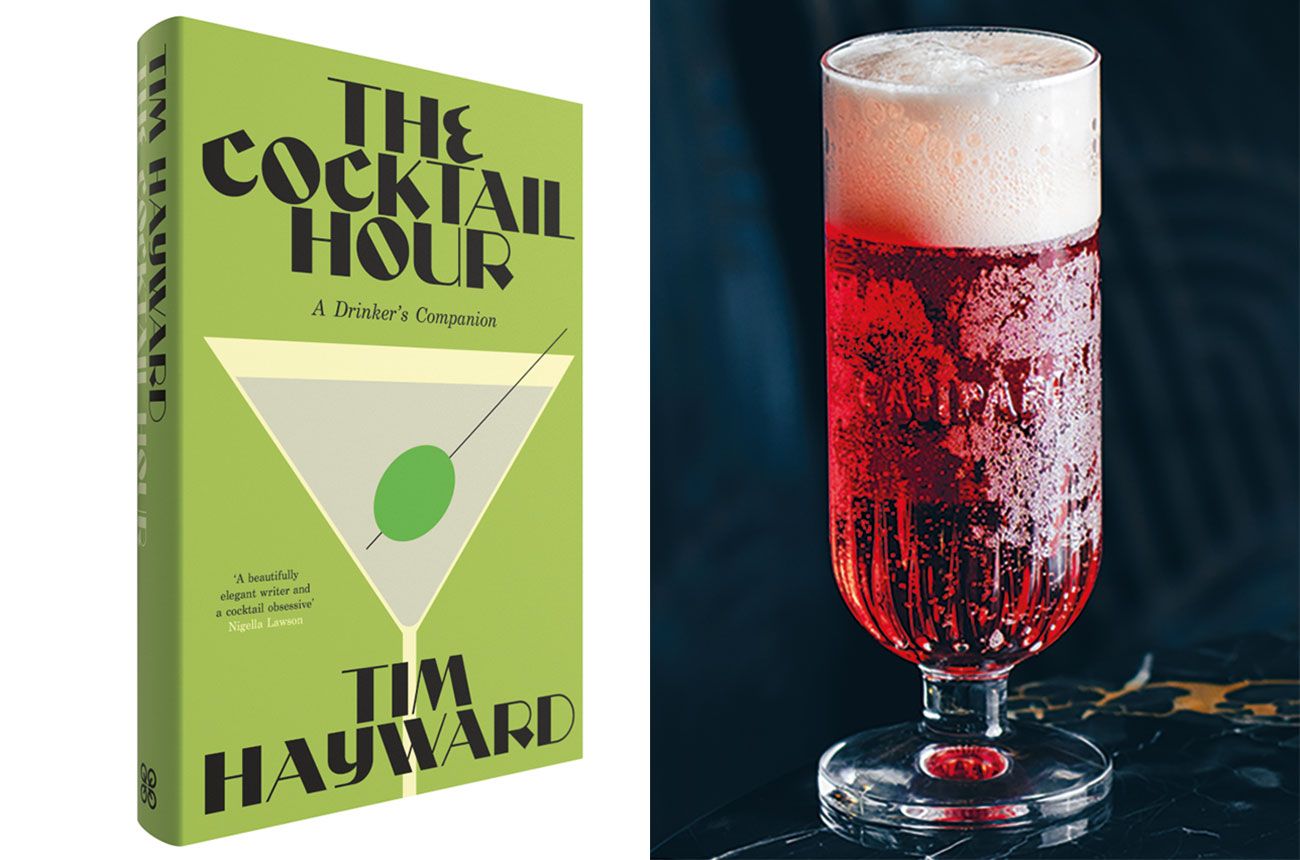
The act of pausing to prepare and consume a cocktail has long been regarded as a significant cultural ritual, one that transcends the mere consumption of alcohol. This month, food and drink writer Tim Hayward invites enthusiasts to re-examine this practice with the publication of his latest work, The Cocktail Hour: A Drinker’s Companion. Published by Quadrille and priced at £20, the book serves as both a practical guide and a historical exploration of the social and psychological significance of the cocktail hour, positioning the act of mixing a drink as a deliberate, meditative transition between the rigors of the day and the leisure of the evening.
Beyond a standard collection of recipes, Hayward’s volume delves into the nuanced craft behind 50 classic and contemporary cocktails. The book organizes these drinks into five distinct "families," emphasizing the necessity of technical precision—specifically regarding equipment, ingredient quality, and the physics of temperature and dilution. Hayward’s writing elevates the discourse surrounding the cocktail, framing the drink not as a vehicle for intoxication, but as an essential element of hospitality and personal reflection.
The Historical and Intellectual Context of the Cocktail
Hayward’s exploration is deeply rooted in the historical associations between high-level creativity and the cocktail hour. Throughout the book, he catalogs the writers, artists, statesmen, and philosophers who utilized the ritual of a well-crafted drink as a catalyst for creative output or a necessary reprieve from their professional burdens. By acknowledging the complex, and at times troubled, relationships these historical figures maintained with alcohol, Hayward provides a grounded, honest perspective on the role of spirits in the lives of influential thinkers.
The author argues that the value of the cocktail hour lies in the "frisson"—a specific sense of excitement or anticipation—that accompanies the transition from work to relaxation. This perspective aligns with the growing modern trend of "mindful drinking," where the emphasis shifts away from quantity and toward the sensory experience and the intentionality of the preparation.
Technical Precision in Modern Mixology
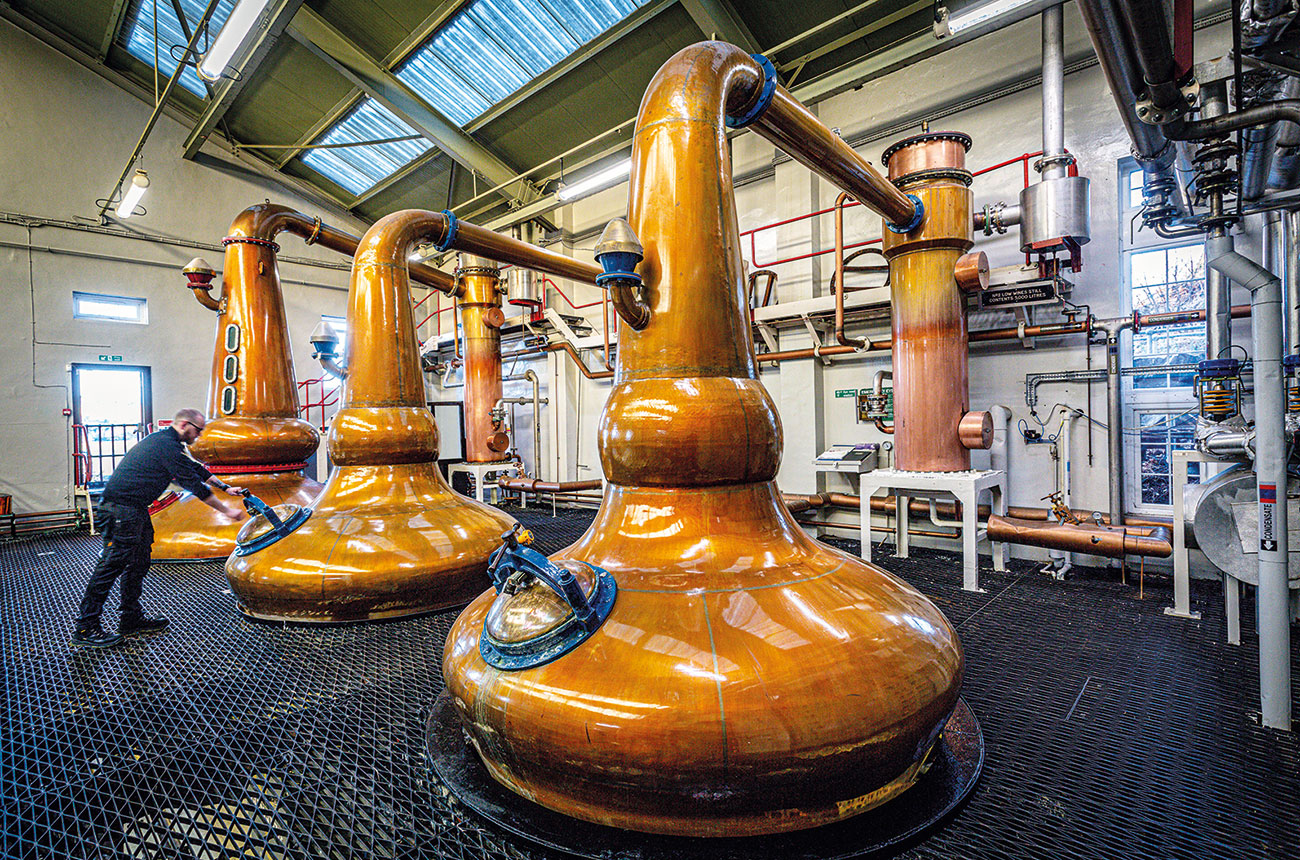
A core theme of Hayward’s work is the importance of understanding the fundamental science of a drink. His essays on temperature control and the role of dilution in balancing flavors are intended to empower the home bartender to achieve results comparable to those found in professional establishments. The inclusion of technical terminology, such as the "swan neck"—the curved top of a still that facilitates the transition of vapor into a condenser—serves to ground the reader in the broader industry of spirits production. Understanding the anatomy of the distillery is presented as a prerequisite for appreciating the liquid in the glass, bridging the gap between raw production and the final, polished serve.

The Evolution of the Aperitif: The Case of the Negroni Seltz
The global cocktail landscape is currently undergoing a notable shift toward lower-alcohol options, a movement exemplified by the enduring popularity of the Negroni. The drink, which traces its origins to 1919 at the Giacosa bar in Florence (formerly known as Casoni), has become a global standard for the Italian aperitivo culture.
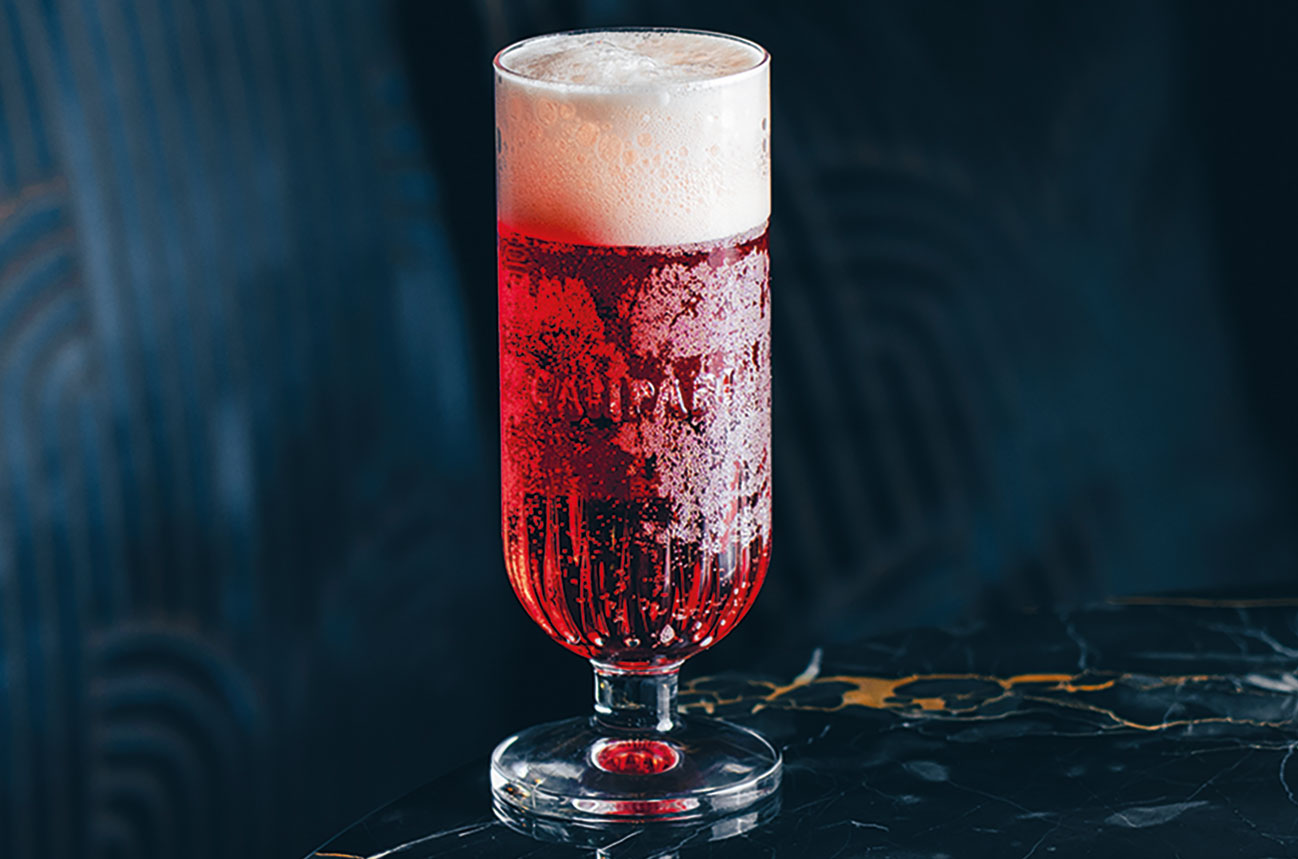
In response to changing consumer preferences, the modern iteration of the Negroni is being re-engineered for greater accessibility. The Negroni Seltz, a signature offering at the historic Giacosa bar, serves as a primary case study for this industry evolution. By "lengthening" the traditional Negroni recipe with soda water, bartenders have created a beverage that maintains the structural integrity and complex bitterness of the original, while significantly reducing the overall alcohol by volume (ABV).
Luca Manni, the F&B manager at Giacosa, notes that this evolution is a direct response to a broader, industry-wide demand for "drinkability." According to Manni, the contemporary consumer seeks a sophisticated flavor profile that can be maintained over a longer period, particularly during the early evening hours when a heavy, high-proof cocktail might be considered overwhelming. The Negroni Seltz, in this view, is not a compromise but a strategic refinement that allows for a more sustained social experience.
Technical Innovation and Professional Recommendations
The refinement of the modern cocktail is further supported by the introduction of specialized additives designed to improve texture and mouthfeel. William Franci, head bartender at Giacosa, advocates for the use of plant-based ingredients to enhance the visual and sensory appeal of the drink. Specifically, he suggests the use of products like Ms Better’s Bitters "Miraculous Foamer," a vegan alternative to egg whites that provides a stable, appealing froth to the surface of the drink.
This focus on ingredient innovation reflects a wider trend in the professional bar industry, where the pursuit of texture is often as critical as the flavor profile itself. The use of such products also highlights the industry’s shift toward inclusivity, as vegan-friendly cocktails become a standard requirement in high-end venues.
Broader Market Implications and Consumer Trends
The publication of Hayward’s work and the rise of drinks like the Negroni Seltz occur against the backdrop of significant shifts in global alcohol consumption data. Market reports from the past five years have consistently indicated a plateauing or decline in pure alcohol volume consumption, contrasted by an increase in expenditure on premium, lower-ABV, and "no-and-low" alcohol products.
This shift has profound implications for the hospitality sector. Bars are increasingly reconfiguring their menus to prioritize "sessionable" drinks—those that can be consumed in higher volume without causing rapid intoxication. This transition is not merely a public health trend but a business strategy designed to extend the duration of the "cocktail hour" for patrons, thereby increasing dwell time and improving the overall guest experience.
From a sociological perspective, the return to the ritual of the cocktail hour signifies a desire for structure in an increasingly fragmented, fast-paced society. The act of measuring, stirring, and garnishing serves as a sensory anchor, a necessary boundary that demarcates the professional day from the personal evening.
Chronology of the Cocktail Renaissance
- 1919: The Negroni is purportedly created at the Casoni bar in Florence, establishing the foundation for modern Italian bitter-aperitif culture.
- 1950s–1980s: The cocktail hour becomes firmly embedded in corporate and social culture, primarily focused on high-proof, spirit-forward drinks.
- 2010s: The "Craft Cocktail" movement gains global momentum, placing a renewed emphasis on fresh ingredients, house-made syrups, and historical accuracy.
- 2020–2025: The "Low and No" movement gains significant market share, driven by health consciousness and the desire for sustained social engagement.
- 2026: The release of literature like Hayward’s The Cocktail Hour reflects a consolidation of these trends, moving the conversation from mere consumption to the philosophy and ritual of the drink.
Conclusion
The cocktail hour is not static; it is a living tradition that adapts to the technological and cultural requirements of each generation. Tim Hayward’s work acts as a vital bridge, connecting the historical reverence for the craft with the modern necessity for balance and moderation. Whether it is through the meticulous study of a Martini’s temperature or the refreshing lightness of a Negroni Seltz, the emphasis remains on the quality of the moment. As the industry continues to evolve, the focus on "sip and savour" serves as a reminder that the true value of a cocktail lies not in the effect of the alcohol, but in the deliberate, crafted experience of the ritual itself.